REVIEW · KYOTO
Kyoto Sake Brewery Tour
Book on GetYourGuide →Operated by Arigato Travel KK · Bookable on GetYourGuide
Fushimi turns sake into a walking story. I love how this 3-hour guided loop makes Kyoto’s legendary brewing district feel personal, moving you through charming streets and tasting rooms with explanations you can actually use when you order sake later. The tour is built around craft stories, in-season brews, and the kind of background you only get when a local guide connects the dots.
Second, I like the way lunch and food pairings are handled. You’re not just drinking; you’re eating alongside the sake styles, so you start noticing how acidity, sweetness, and umami shift what you taste.
One thing to keep in mind: behind-the-scenes brewing access is limited, and on some dates (holiday closures) you may get more tasting than hands-on history or step-by-step brewing visuals.
In This Review
- Key things that make this Kyoto sake tour work
- Kyoto’s Fushimi district: the setting that makes sake make sense
- The 3-hour flow: tasting rooms, lunch, and a bit of shopping time
- What you’ll actually taste: crisp, sweet, aromatic, and in-season options
- The brewing history you’ll get (and where access is limited)
- Guide-led storytelling: the human part that makes tastings click
- Lunch pairing: why food is part of the sake lesson
- Price and value: $177 for 3 hours, tastings, and lunch included
- Where to meet and how to arrive without stress
- Age rules and what to bring: the passport detail that matters
- Who should book this Kyoto sake tour (and who might not)
- Should you book the Kyoto Sake Brewery Tour?
- FAQ
- How long is the Kyoto sake brewery tour?
- Where is the meeting point?
- What does the price include?
- Is hotel pickup or drop-off included?
- Are there age restrictions?
- Can children join the tour?
- Do I need to bring a passport?
- Is cancellation allowed?
Key things that make this Kyoto sake tour work
- Small-group pace (up to 6 people) so questions and explanations don’t get lost
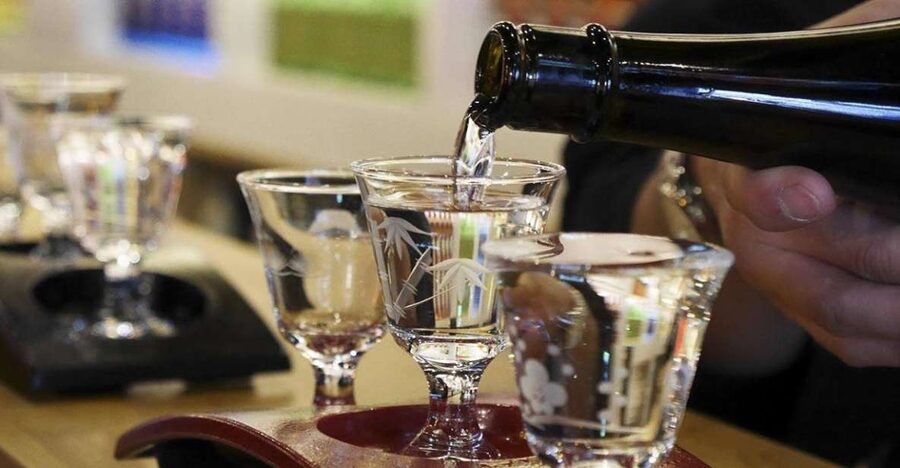
- A real tasting flight plus lunch pairings, so you learn by taste, not by lecture
- Fushimi district focus, where sake-making tradition is the main character
- Seasonal brews and local stories, including why certain styles are made the way they are
- Brewing areas stay off-limits, but you still get displays, insights, and practical context
Kyoto’s Fushimi district: the setting that makes sake make sense
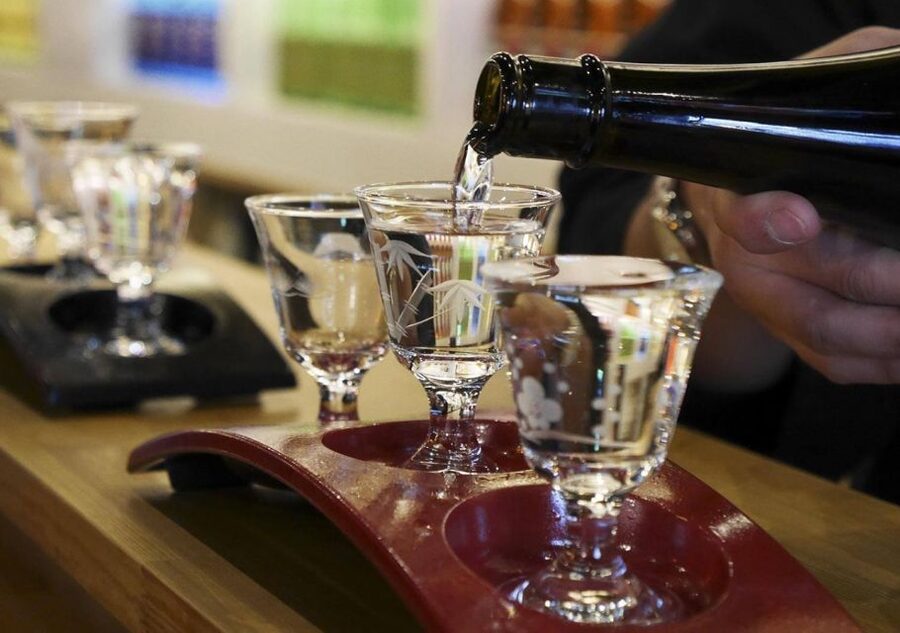
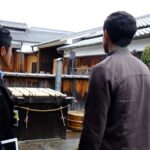
Kyoto’s Fushimi area is where sake culture becomes easy to understand. This tour leans into that location choice: you’re spending the full 3 hours in the same neighborhood, so the explanations about ingredients, fermentation, and style aren’t floating in the air. They land right in the context of Fushimi’s long-running reputation.
You’ll also get the practical kind of storytelling. The tour frames sake as both craft and science—clear water, careful rice handling, and fermentation choices that show up in the glass. That matters because most people experience sake only as a drink with labels like dry or sweet. Here, you’re nudged toward tasting with intent: what the sake smells like, how it feels on the tongue, and what changes when you add food.
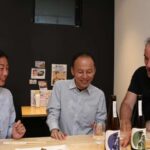
Also, you’re not doing this solo. The guide is English-speaking and the group stays small (limited to 6 participants). That keeps the experience from becoming a generic museum-style audio tour and turns it into a back-and-forth lesson—especially if you ask why one style feels crisp while another feels round and lush.
You can also read our reviews of more tours and experiences in Kyoto.
The 3-hour flow: tasting rooms, lunch, and a bit of shopping time
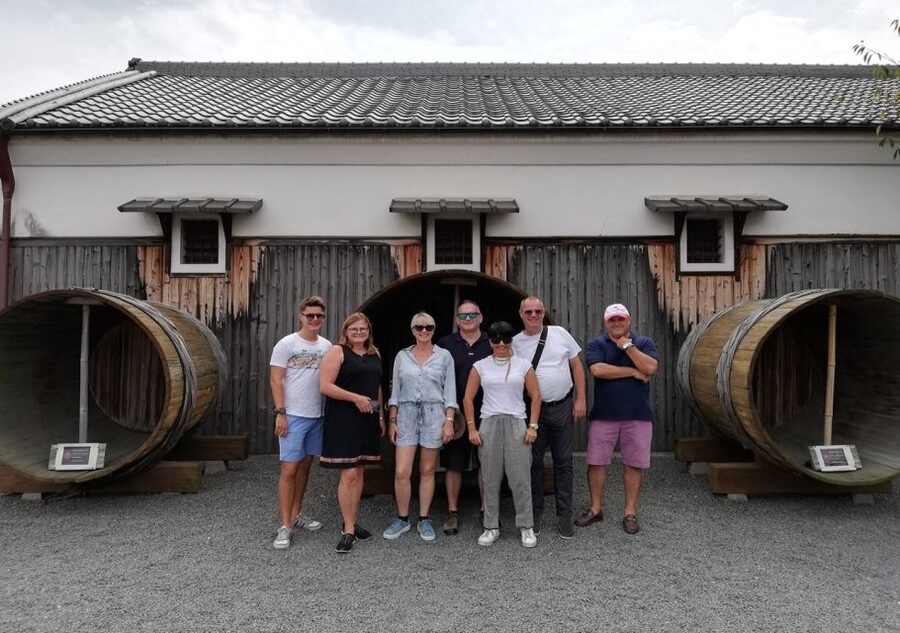
Think of this as a structured, low-stress afternoon. The tour is designed to keep your energy steady: you walk, taste, eat, then taste again—without long gaps where you’re wondering what comes next.
A typical rhythm looks like this:
- Walk and orientation in Fushimi, with an introduction to how sake culture developed there
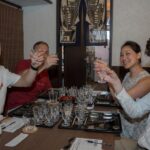
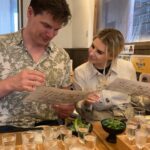
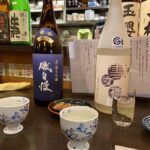
- Multiple tasting stops, where you try different styles and learn what to look for
- A local lunch with pairings, so your palate has a reason to reset between sips
- Shopping time, so you can pick up bottles or related goods with context
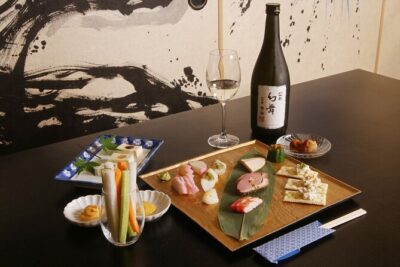
That lunch component is important. Sake can be confusing if you drink only in isolation. Pairing helps you understand why the same sake can taste different once you add texture and salt from food. The tour’s included lunch is meant to complement what you’re tasting, not just fill time.
One small reality check: the tour runs 3 hours, and it includes several sake tastings. If you’re the type who gets tired after lots of walking and sampling, plan your evening accordingly. There’s enough drinking volume that you’ll probably want downtime right after.
What you’ll actually taste: crisp, sweet, aromatic, and in-season options
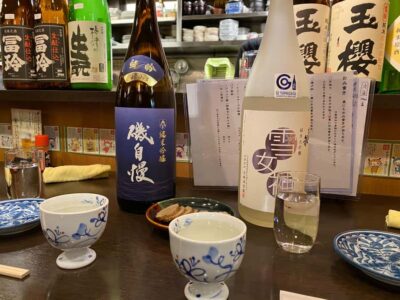
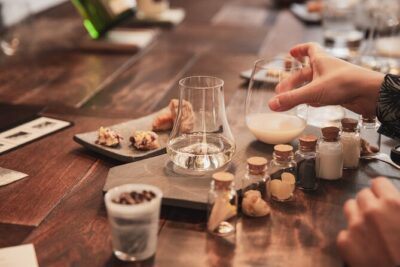
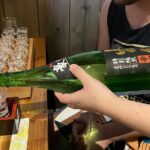
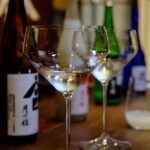
The tasting portion is the heart of this experience. You’re set up to sample a range of styles—from crisp to luscious and aromatic—so you can start noticing the differences without needing to become a sake scholar overnight.
You’ll learn how people talk about flavor in sake terms:
- how umami shows up in the way sake lingers
- how sweetness can feel gentle or pronounced depending on the style
- how acidity can make a sake feel refreshing or make food taste brighter
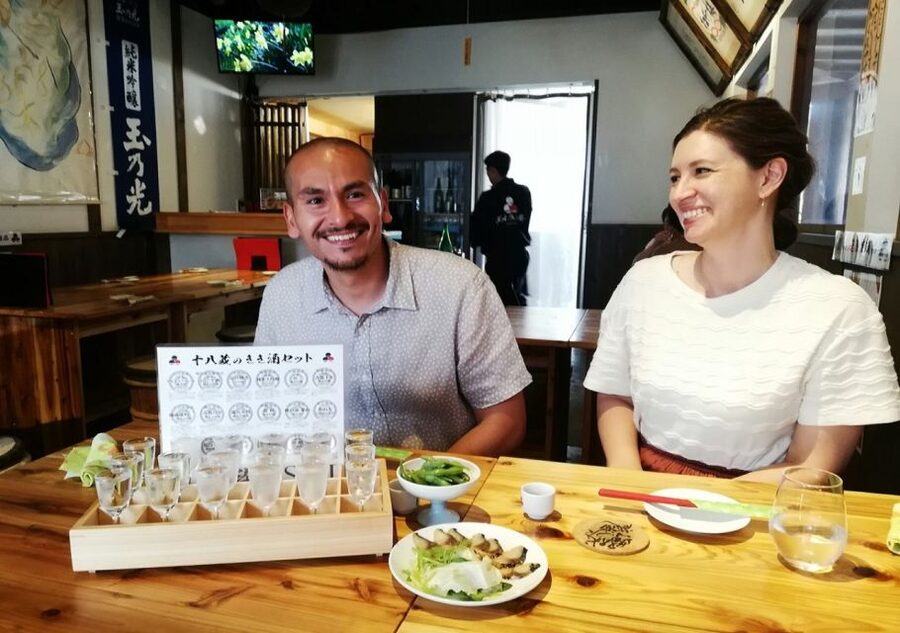
In some departures, the tasting flight can be extensive. One reported experience included sampling 18 sakes, which gives you a sense of how far the program can go when the stops line up well. Even if your lineup is shorter, the intention is the same: you should leave with a mental map of what styles you liked and why.
And you’re tasting more than “whatever they pour.” The tour description emphasizes in-season brews, plus stories tied to those releases. That’s useful if you’re traveling in a limited window and want your sake experience to feel tied to the current season, not just a generic sampler.
The brewing history you’ll get (and where access is limited)
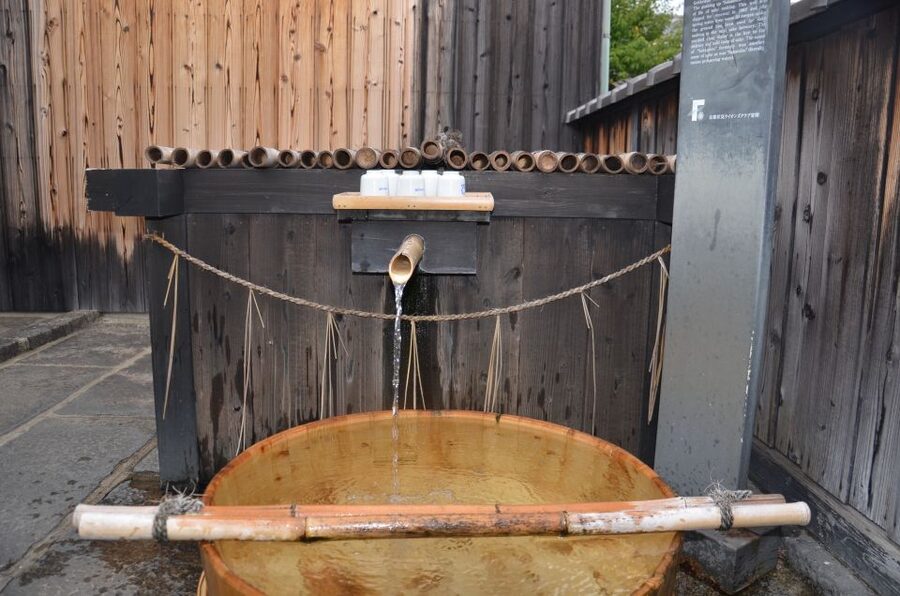
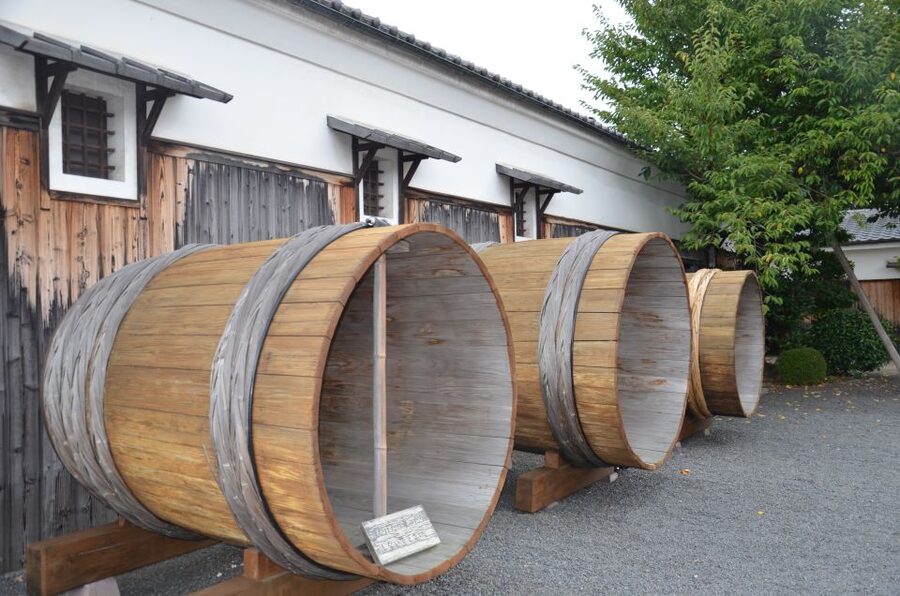
Here’s the balance you should expect. The tour gives you insider knowledge through displays, expert explanations, and storytelling about the process. You’ll hear about dedicated brewers, generational craft, and the art-and-science choices behind the final bottle.
But you should also know what you won’t see. Due to sanitation and brewing laws in Japan, you cannot access the actual sake brewing areas at certain stops. The tour is very clear on that point, and it’s the reason they focus on learning via what’s allowed—visual displays, explanations, and tasting.
That’s a trade-off, and it can affect your satisfaction depending on your expectations. If you’re hoping for a behind-the-bar step-by-step view of brewing equipment, you may leave wanting more of the physical process. On some dates, closures can also shrink the “history and factory” side of the day. For example, if museums or similar sites are shut during holiday weeks, you may get more time tasting and less time seeing the story unfold in person.
Still, the benefit is that you’ll come away understanding sake beyond just taste. You’ll be able to explain to yourself—maybe even to friends later—what makes a style taste the way it does.
Guide-led storytelling: the human part that makes tastings click
A good sake guide can turn a flight of alcohol into a learning experience. This tour uses an English-speaking local guide, and specific guides have been noted for being able to connect the dots between history, brewing, and the practical differences you feel in the glass.
In past departures, Hiroe and Akari have been named by participants as excellent guides—especially for history context and keeping tastings organized and easy to follow. Even if your guide is someone else, the key is that the program is built for explanation, not just pouring drinks.
A simple but smart suggestion: ask one question early and then listen for the same idea to show up again in later stops. That turns the whole 3 hours into a repeatable lesson instead of disconnected details.

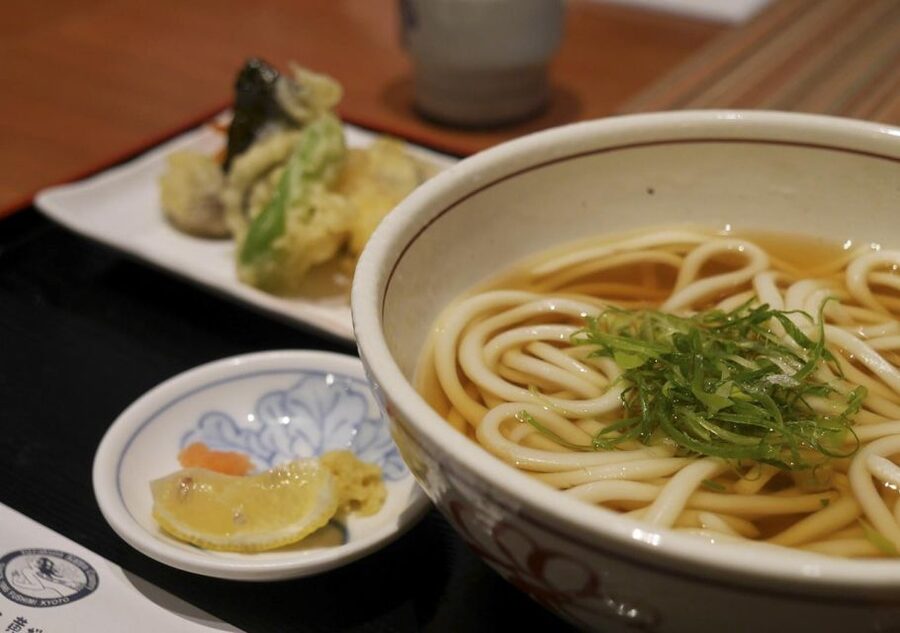
Lunch pairing: why food is part of the sake lesson
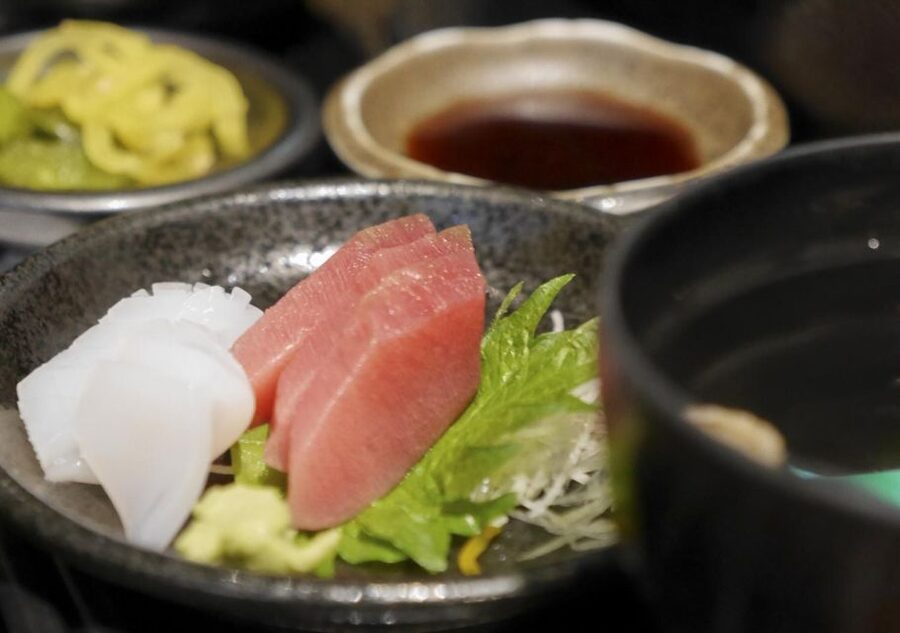
The included lunch isn’t just an add-on. It’s part of the learning mechanism. The tour aims to pair local dishes with the sake styles you’re trying, helping you experience how:
- savory food can intensify umami notes
- fatty or rich textures can soften perceived sharpness
- acidity can refresh your palate and shift how you interpret sweetness
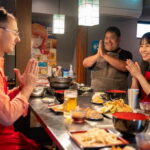
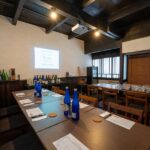
The lunch setting is described as atmospheric, and that matters in practice. If you’re tasting multiple sakes back-to-back, you want a break that doesn’t feel rushed. Lunch gives you a reset point so your next tasting step has meaning.
If you have dietary needs, tell the supplier when you book. The tour specifically asks for dietary requirements in advance, which usually leads to fewer surprises on the day.
Price and value: $177 for 3 hours, tastings, and lunch included
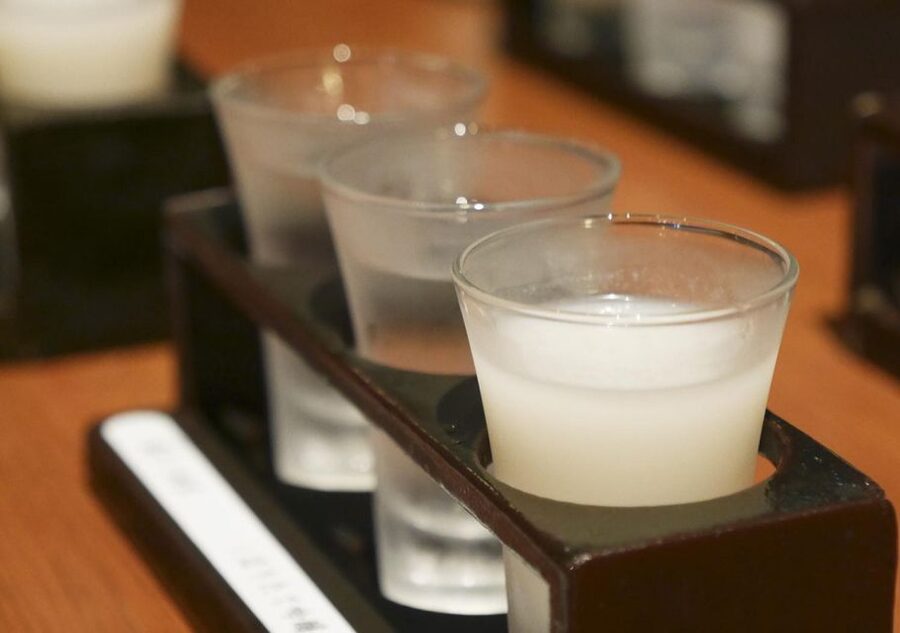
At $177 per person, this tour isn’t a casual add-on. It’s priced like a guided experience with alcohol tastings and a full included meal. The value question comes down to what you receive besides the drink itself.
Here’s the value logic as it stands:
- You get a local English-speaking guide for the full 3 hours
- You get several sake tastings included, not just one or two pours
- You get a local lunch designed to pair with the tasting sequence
- You get shopping time with the added advantage of tasting context first
So you’re paying for guided interpretation and structured tasting time. If you were doing it on your own, you could probably drink sake at a restaurant. The difference is that this tour is designed to teach you how to taste and why the styles matter.
Where the price can feel less justified is if your day ends up more limited than expected—especially if certain cultural stops are closed or if the brewing-history portion is reduced. If your travel dates line up with closures, you may mainly get the tasting-and-lunch side of the experience.
Where to meet and how to arrive without stress
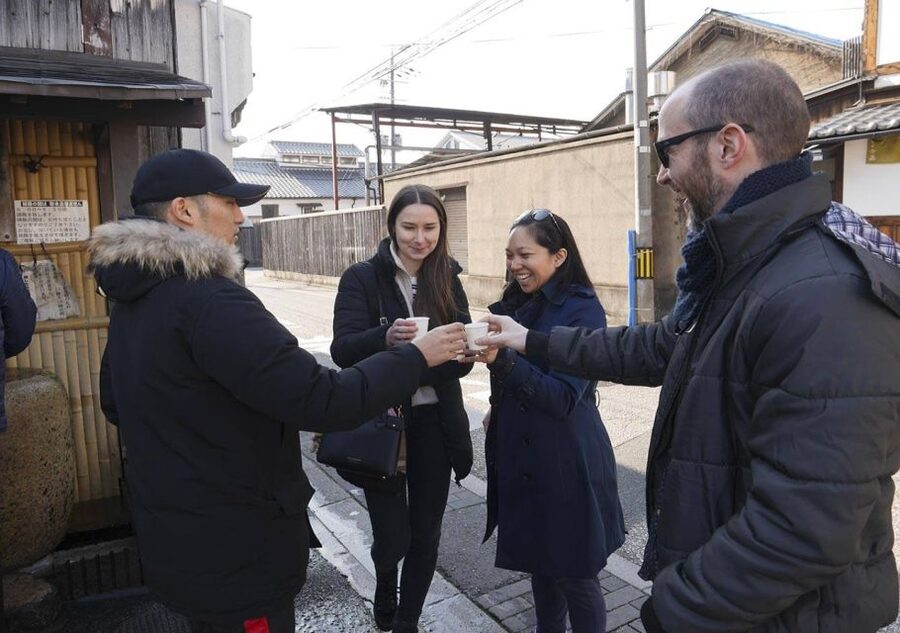
Meet-up is at the front of a SoftBank shop on Ryogaemachi in Fushimi. The address is:
4-291-1 Ryogaemachi, Fushimi-ku, Kyoto-shi, Kyoto-fu, Japan, 612-8082 (〒612-8082 両替町4丁目291−1京都府京都市伏見区)
Two train options are listed:
- Keihan Train Line to Fushimi Momoyama Station
- Kintetsu Line to Momoyama Goriyo Station
Hotel pickup and drop-off aren’t included. Plan to get yourself there.
One more practical thing: because tastings are part of the day, you’ll want to arrive ready to eat and sample. Don’t make your entire afternoon revolve around switching outfits and running around for snacks.
Age rules and what to bring: the passport detail that matters
This tour has clear legal requirements:
- Group members must be 20 years old or older
- The minimum drinking age is 21
- Unaccompanied minors aren’t allowed
- Children must be accompanied by an adult
Bring your passport. The tour also notes that a passport copy is required for children aged 10 and older. If you’re traveling with kids, handle documentation ahead of time rather than counting on solutions at the last minute.
Also, there’s a minimum group size requirement: at least 2 people per booking. If you’re traveling as a solo adult, you’ll need to check availability or book with someone else.
Who should book this Kyoto sake tour (and who might not)
This is a great fit if you want:
- a guided, structured tasting in Fushimi instead of random sips at bars
- help learning what you like (crisp vs aromatic vs more full-bodied styles)
- an included lunch pairing so your tasting experience feels complete
- a small-group setup where questions are welcome
It may be a weaker fit if:
- you’re expecting full access to brewing areas and step-by-step equipment viewing
- you’re traveling during periods when factories or museums are likely closed, and you mainly want history visuals
If you’re on the fence, think about your goal. If your goal is learning to taste and leaving with bottles you can choose more confidently, this tour is built for that. If your goal is pure brewing-process observation, you’ll need to adjust your expectations based on what access the tour allows.
Should you book the Kyoto Sake Brewery Tour?
If you like the idea of combining Fushimi walking + a tasting flight + lunch pairings in a small group, I’d say yes, especially if you care about understanding the differences between sake styles. At $177, the value is strongest because the guide time, tastings, and meal are included—not because it’s just a place to drink.
I’d only hesitate if you’re traveling during a time when cultural stops might be closed and you specifically want hands-on brewing visuals. In that case, you’ll likely still leave with sake knowledge and good tasting memories, but the history-and-factory side could be lighter than you hoped.
FAQ
How long is the Kyoto sake brewery tour?
The tour lasts 3 hours.
Where is the meeting point?
You meet in front of the SoftBank shop at 4-291-1 Ryogaemachi, Fushimi-ku, Kyoto-shi, Kyoto-fu, Japan, 612-8082.
What does the price include?
The tour includes several sake tastings, a local lunch, shopping time, and a local English-speaking guide.
Is hotel pickup or drop-off included?
No, hotel pickup and drop-off are not included.
Are there age restrictions?
Yes. All group members must be 20 years old or older. The minimum drinking age is 21.
Can children join the tour?
Children can join only if accompanied by an adult. Unaccompanied minors are not allowed.
Do I need to bring a passport?
Yes. A passport is required, and a passport copy is required for children aged 10 and older.
Is cancellation allowed?
Yes. You can cancel up to 24 hours in advance for a full refund.