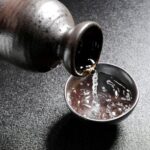
REVIEW · KYOTO
Experience of pairing sake tasting with snacks in Kyoto
Book on Viator →Operated by 日本酒テイスティング講座 · Bookable on Viator
Sake gets way easier with snacks. This 60-minute Kyoto workshop at Bar OAGE turns sake into something you can actually describe, starting with how it’s made (including rice polishing) and ending with five sake-and-snack pairings you can taste and compare. I liked how the host keeps it structured but friendly, and the atmosphere feels perfect for meeting people without being stiff. One thing to consider: it’s an alleyway bar and the group size is capped, so the space can feel a bit tight if you’re sensitive to crowded rooms.
I also liked that you’re not stuck listening for an hour. You get a tasting sheet, taste each sake style first on its own, then re-taste with an appetizer built for that particular flavor profile. Between the Kawaramachi location and the small-group format (up to 20), it feels efficient and focused rather than rushed.
If you want a hands-on Kyoto food experience that goes beyond ordering, this is a strong pick. You’ll finish with a group photo, and the host (Kahoko, in at least one standout account) brings that warm, passionate energy that makes people talk while they taste.
In This Review
- Why this Kyoto sake pairing workshop is worth your hour
- Bar OAGE in Kawaramachi: an alley bar setting that helps the tasting
- The 60-minute schedule that actually makes sense
- How rice polishing and production basics shape what you taste
- Tasting five Kyoto-forward styles: from ginjo to nigorishu
- Snack pairings that teach you flavor chemistry without the math
- Conversation and group photo: why it feels friendly, not formal
- Price and value at about $45: what you really get
- Who should book this Kyoto sake pairing workshop
- Practical tips so you get the most from the tasting
- Should you book this Kyoto sake workshop at Bar OAGE?
- FAQ
- Where is the workshop held?
- How long does the sake tasting take?
- What’s included in the experience?
- Do you taste the sake before the snacks?
- How many people are in a group?
- Are there multiple start times?
- How much does it cost?
- Will I receive a mobile ticket?
- Is free cancellation available?
- Are service animals allowed?
Why this Kyoto sake pairing workshop is worth your hour
- Five distinct sake styles: you’re guided through what makes each one taste different
- Rice polishing ratio made clear: production basics shown in a way you can remember
- Tasting first, pairing second: you learn why snacks change what you notice
- Kyoto-centered selection: a mix that includes local choices
- Small group with conversation: you’ll be encouraged to chat, not just sip quietly
- Tasting sheet + group photo: you leave with notes and a fun keepsake
Bar OAGE in Kawaramachi: an alley bar setting that helps the tasting
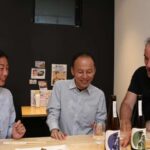
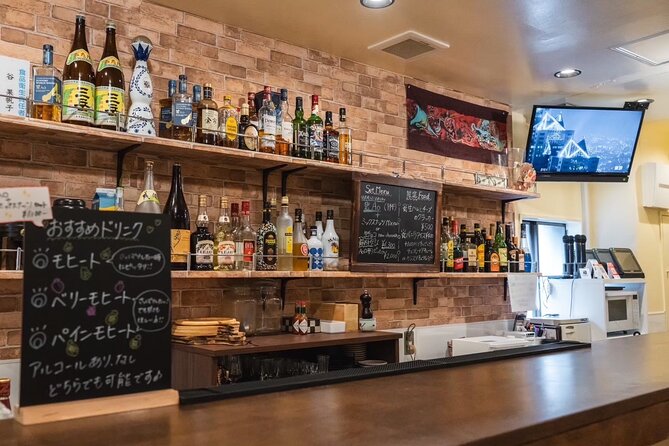
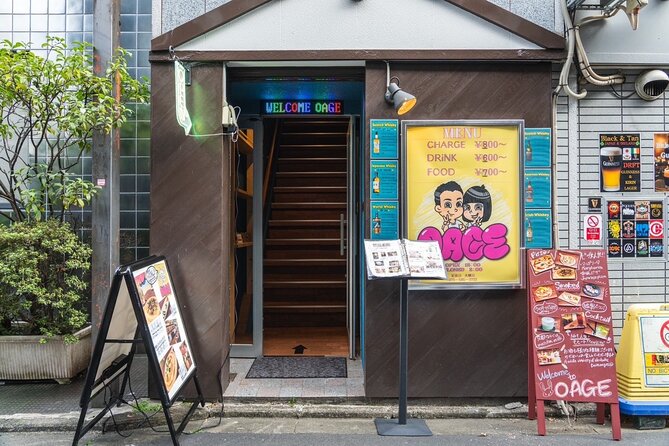
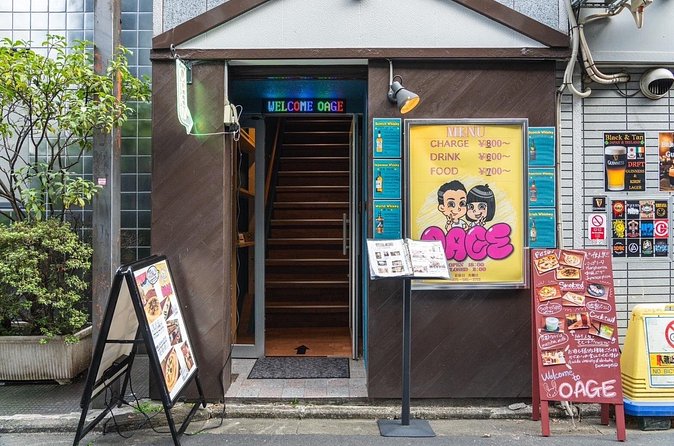
This experience takes place in Bar OAGE, in the Kawaramachi area of Kyoto—right where you can hop off public transportation and still feel like you found something specific. The bar is in an alleyway, so expect that little moment of hunting the entrance, then settling in when you’re inside.
The vibe matters here. A smaller, tucked-away bar setup makes the whole event feel like a shared table experience rather than a lecture. You’ll be close enough to hear the explanations clearly, and you’ll notice how people react to each sake when it lands on the palate. That matters for sake tasting because aromas and textures can be subtle, and you want that back-and-forth attention.
The meeting point is listed at Shine, 371 Kamiyachō, Nakagyo Ward, Kyoto (604-8024). The activity ends back at the same meeting point. That simple loop is helpful when you’re trying to fit this into a day that already includes temples, markets, and walking.
You can also read our reviews of more tours and experiences in Kyoto.
The 60-minute schedule that actually makes sense
On paper, a 60-minute tasting sounds like a quick pop-in. In practice, the structure is what makes it work.
You’ll start by introducing yourself. Then the host runs an explanation period of about 15 minutes focused on sake basics, including how it’s produced and the rice polishing ratio (how much of the rice grain gets polished away before brewing). After that, today’s five sake types are introduced one by one.
Then comes the key rhythm:
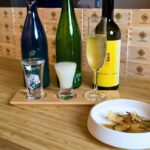
- You taste the sakes without snacks first.
- You compare your impressions using a tasting sheet.
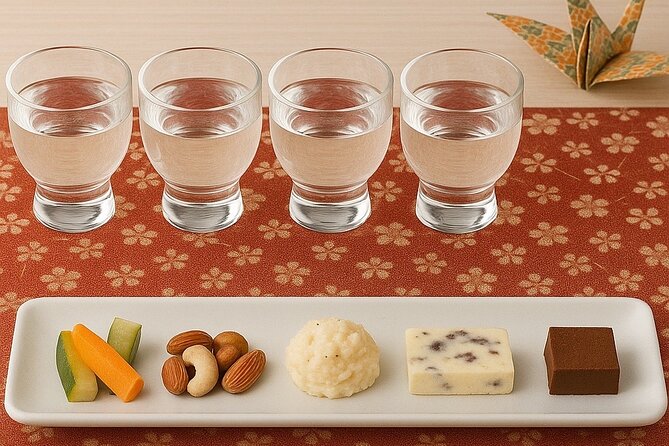
- Appetizers arrive afterward—five snacks, each paired with one of the five sakes.
- You taste again as the pairing changes the experience.
This order is smart. If you eat right away, it’s harder to learn what each sake is doing on its own. By doing the plain-tasting step first, you build a baseline. Then the pairing step shows you exactly what changes when salt, fat, sweetness, and texture meet alcohol and rice character.
How rice polishing and production basics shape what you taste
One of the most practical parts of the workshop is the production lesson. You don’t need to be a brewing expert to follow it, because the goal is to connect the process to the cup in front of you.
They explain the process of making sake and put focus on the rice polishing ratio—an idea that comes up again when you start noticing differences in aroma and finish. Polishing matters because it removes outer layers of the rice grain. Less outer layer often leads to a cleaner, more refined profile (not always, but often enough that it’s a useful starting point).
You also get a visual learning approach, not just a verbal history lesson. That’s valuable if you’re like me and tend to forget details unless they’re tied to a sensory takeaway. Here, the production explanation is timed to set you up for the tasting sheet, so your notes feel relevant rather than random facts.
If you’ve ever wondered why one sake tastes light and crisp while another feels richer or slightly cloudier, this is the part that gives you words for the difference.
Tasting five Kyoto-forward styles: from ginjo to nigorishu
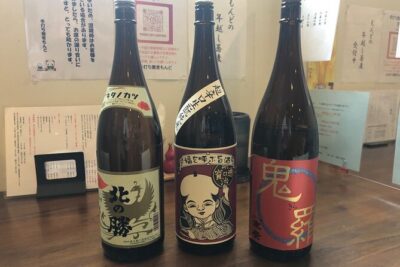
After the production intro, the host walks you through today’s five types of sake. You’ll learn that sake can shift a lot in aroma and flavor depending on style—especially between cleaner, more aromatic profiles and other styles that feel rounder or creamier.
You’re specifically taught about style categories such as:
- ginjoshu (often associated with a more aromatic, refined character)
- nigorishu (often associated with a cloudy look and a softer, sometimes creamier feel)
The important part for you isn’t memorizing labels. It’s connecting what you smell and taste to the type you’re holding. That’s why the tasting sheet is part of the experience. It gives you a structure to capture things like aroma impressions, how the sake feels on the palate, and how the finish lingers.
And you’ll notice a big benefit: the host explains today’s lineup before you drink much of it. So when you take your first sip of each, you already have a map of what to look for.
The experience also includes a selection with at least one local Kyoto-style choice, so you’re not only tasting random samples. You’re tasting something anchored to where you are.
Snack pairings that teach you flavor chemistry without the math
Now for the part that makes this worth doing instead of just buying a flight of sake: the pairing.
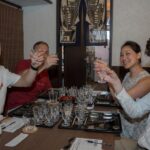
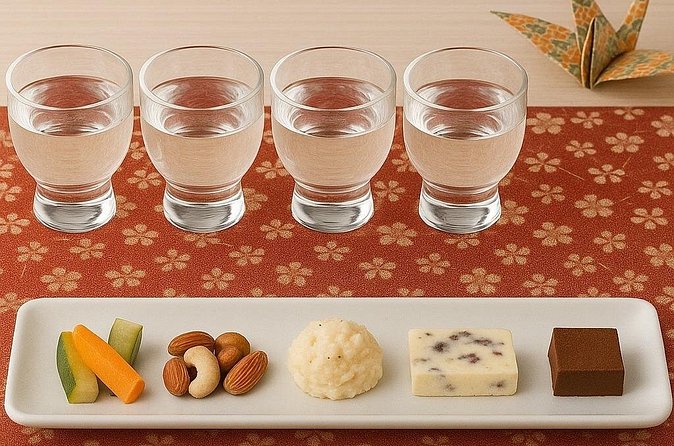
After tasting each sake on its own, the workshop prepares appetizers to match each of the five sakes. You’ll taste and compare again. The point isn’t that there’s a single correct pairing. The point is that snacks change what you perceive.
Here’s what you can expect to notice, even if you’re new to sake:
- A sake that tastes sharp on its own may feel smoother with something salty or fatty.
- A more aromatic style can seem brighter when paired with food that isn’t overpowering.
- Styles that are creamier or more textural can feel more balanced with appetizers that cut through richness.
Because you taste in pairs (sake alone, then sake with a specific snack), your brain builds a direct cause-and-effect connection. That’s the kind of learning you can carry into your next meal in Kyoto, whether you’re eating izakaya-style small plates or shopping for takeout snacks near your hotel.
The workshop includes five appetizers total, aligned to the five sake types. That’s a lot of pairing learning for a single hour.


Conversation and group photo: why it feels friendly, not formal
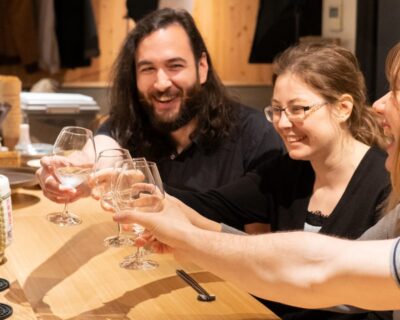
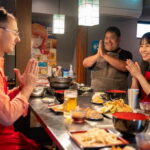
This workshop isn’t only about the drink. You’re encouraged to talk during the session, and the bar hosts a group experience where you can share reactions as you taste.
If you’re traveling solo, this part is a quiet win. You’ll have a natural reason to ask questions, compare notes from the tasting sheet, and build small conversations without awkward icebreakers.
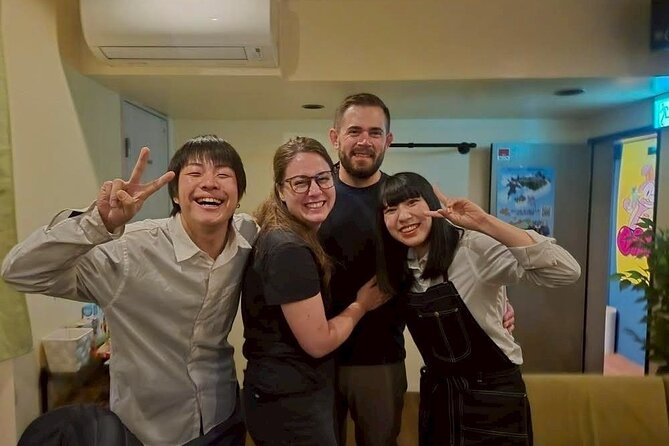
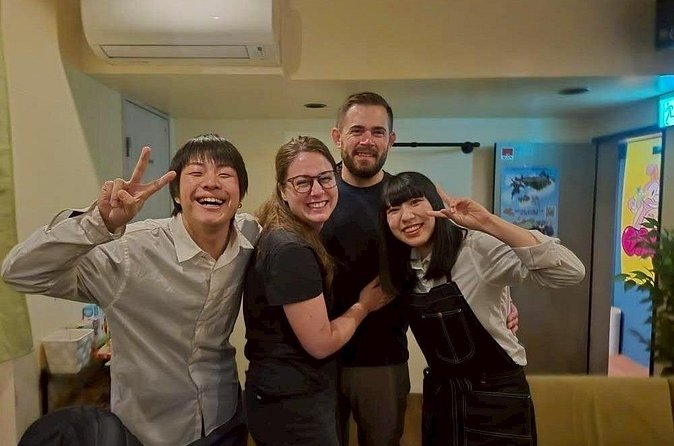
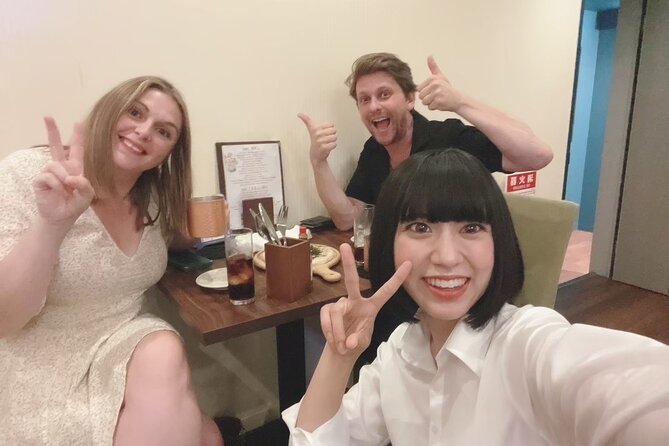
At the end, they take a group photo. It sounds simple, but it helps you wrap up the experience on a fun note. Also, it’s a good reminder that this is meant to be social, not intimidating. The tone in at least one account highlighted how enthusiastic the host, Kahoko, was—so expect a warm, welcoming style that keeps things moving.
Price and value at about $45: what you really get
The listed price is $45.53 per person, and the yen price is ¥7,500 (tax included). That might sound high if you compare it to grabbing a beer somewhere. But compare it to what’s actually included:
- Five kinds of sake
- Five appetizers
- A guided format with explanation of sake production and rice polishing
- A tasting sheet for structured learning
- A small-group setting (max 20)
In other words, you’re paying for the whole experience: tasting materials, snack pairings, and a host who helps you understand what you’re tasting. In Kyoto, where you can spend that same amount quickly on dinner and drinks, this hour-long workshop can feel like efficient value—especially if you want to learn something that changes how you order the next time.
One more value angle: the workshop does not just let you taste blindly. It teaches you how to think about sake styles. That kind of guidance is hard to replicate if you just wander into a bar and order random bottles.
Who should book this Kyoto sake pairing workshop
This is ideal if you fit one of these groups:
- You’re new to sake and want a friendly introduction with a clear structure.
- You already like sake and want a guided comparison across multiple styles, not just one favorite.
- You want Kyoto food learning that’s tied to something local, rather than a generic tasting.
It’s also a good choice if you like short experiences. You get your lesson, your tasting, your pairing, and your wrap-up photo in about an hour. If your day is tight between neighborhoods, this fits without swallowing your entire evening.
Practical tips so you get the most from the tasting
A few simple things will help you enjoy it more.
First, pace your notes. The tasting sheet is there for a reason. Write down quick impressions right after each sip or pairing step. Otherwise, it’s easy for one sake to blur into the next.
Second, ask questions when the host explains a style. If you’re curious about why ginjo styles smell a certain way, or what makes nigorishu feel different, this is the time to ask.
Third, show up a bit early. It’s an alleyway bar and the group is small, so you don’t want to be stressed at the door. Getting settled early makes you more relaxed and more able to focus on aromas and textures.
Should you book this Kyoto sake workshop at Bar OAGE?
I’d book it if you want a focused, social sake experience that teaches you how pairing changes flavor. The biggest reasons are the structure (taste first, pair second), the inclusion of five sake styles with five appetizers, and the short format that fits into a day of Kyoto walking.
Skip it only if you’re looking for a long, slow tasting with zero guidance. This is guided and interactive by design. If you want pure freedom to drift at your own pace for hours, you might prefer a traditional bar experience instead.
FAQ
Where is the workshop held?
It’s at Bar OAGE in the Kawaramachi area of Kyoto. The meeting point is Shine, 371 Kamiyachō, Nakagyo Ward, Kyoto 604-8024, Japan, and the experience ends back at the meeting point.
How long does the sake tasting take?
The course is about 60 minutes.
What’s included in the experience?
You get 5 kinds of sake and 5 appetizers, with tasting support such as a tasting sheet.
Do you taste the sake before the snacks?
Yes. You’ll taste each sake first, then you’ll enjoy appetizers paired with each of the five types of sake.
How many people are in a group?
The workshop has a maximum of 20 travelers.
Are there multiple start times?
Yes. There are 4 reception hours per day: 10:00, 12:00, 14:00, and 16:00.
How much does it cost?
The price is ¥7,500 per person (tax included). It’s also shown as $45.53 per person.
Will I receive a mobile ticket?
Yes, it uses a mobile ticket.
Is free cancellation available?
Yes. You can cancel up to 24 hours in advance for a full refund.
Are service animals allowed?
Yes, service animals are allowed.