REVIEW · KYOTO
Kyoto: Newly Opened Sake Tasting – Sanjo Chasuian
Book on GetYourGuide →Operated by Sanjo Chasuian · Bookable on GetYourGuide
Sake tasting in Kyoto feels personal fast. I love the kimono welcome from Yuko, and I love that the tasting is built around 7 sake types matched with snacks, so you learn how to pair, not just what to drink. It’s a simple, beginner-friendly way to understand what changes from one bottle to the next, with English guidance throughout.
One thing to plan for: this is a shared group session (limited to 6), so it’s not private. If you want quiet, one-on-one pacing, you might feel the group rhythm more than you’d like, and you also need to be 20 or older to join.
In This Review
- Quick takeaways before you go
- A smooth start near Karasuma Oike Station
- Meet Yuko in kimono: how the lesson actually helps you taste
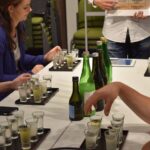
- Welcome drink, then 7 sake rounds with snacks
- Why sake vessels matter more than you’d expect
- What the tea-ceremony vibe adds (without turning it into a tea lesson)
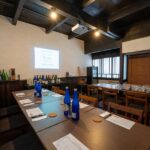
- Group session pacing: what small means in practice
- Price and value: what $50 buys you in Kyoto
- Tips so you get the most from the tasting
- Who this Kyoto sake session is best for
- Should you book Sanjo Chasuian’s newly opened sake tasting?
- FAQ
- How long is the Kyoto sake tasting at Sanjo Chasuian?
- Where is the meeting point?
- Is the tour offered in English?
- What’s included in the ticket price?
- Is this a private experience?
- Are there any age restrictions?
- Can they accommodate dietary restrictions?
Quick takeaways before you go
- Yuko, an English instructor in kimono (International Sommelier of Sake certification) sets the tone and teaches you how to taste.
- Welcome drink plus 7 sake pours makes it a full flight, not a token sample.
- Snack pairing is part of the tasting, so you compare flavors with something to eat each round.
- You’ll taste sake in different vessels, which can change aroma and flavor in noticeable ways.
- Small shared group (up to 6) keeps the lesson interactive, even though you’ll be with other people.
- A place you can shop after: your favorite sake and vessels are available for purchase.
A smooth start near Karasuma Oike Station
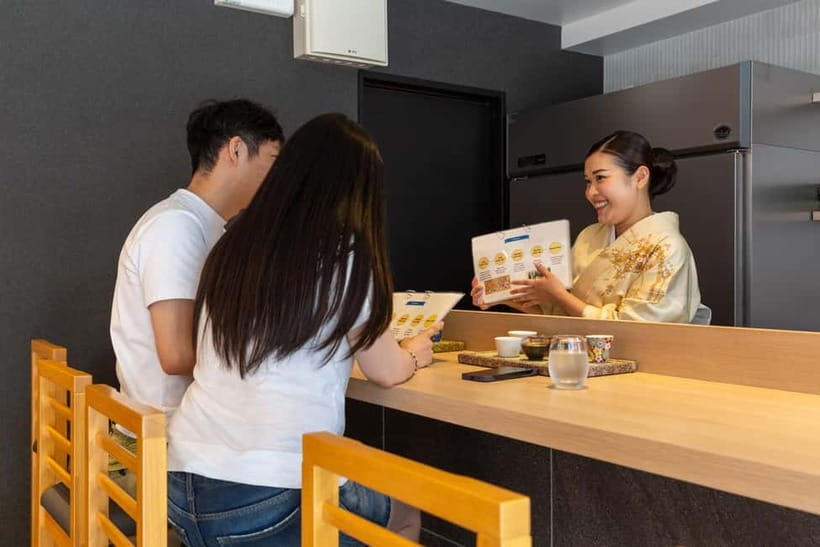
Sanjo Chasuian is close enough that you don’t have to build your whole day around it. It’s about a 5-minute walk from Subway Karasuma Oike Station, which is huge in Kyoto where time can disappear if you’re moving far between sights.
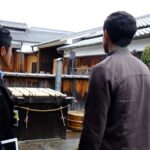
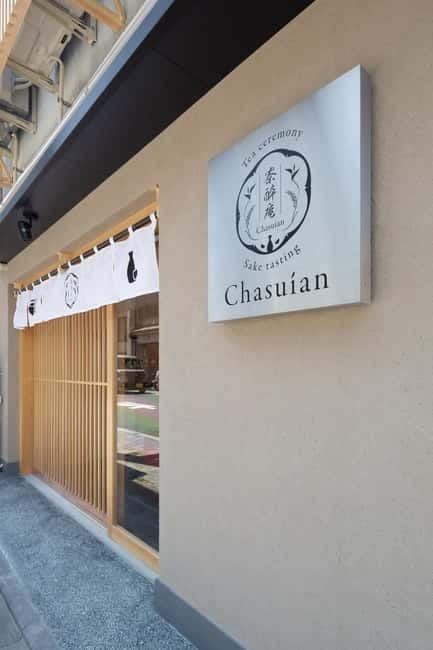
Check in by coming to the address above and looking for the big plate with the Sanjo Chasuian logo. Once you open the door, staff are there to welcome you.
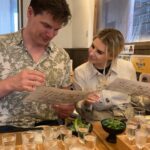
The session runs 80 minutes, and you’ll be seated either at table seating or in a Japanese-style room. That matters because the room style affects how the tasting feels: table seating tends to be easy for notes and conversation, while a Japanese-style room can feel more formal and tea-room-like.
You can also read our reviews of more tours and experiences in Kyoto.

Meet Yuko in kimono: how the lesson actually helps you taste
A big part of the appeal here is the instructor. Yuko is a female Certified Instructor who welcomes you in a traditional kimono, and she holds the International Sommelier of Sake certification. Based on what she’s known for, you’ll get clear explanations about sake culture and the practical skills behind tasting.
You’re not just handed a glass and told to go with the flow. You learn:
- the history and cultural roots of sake (with references to its long presence in Japan)
- how sake is brewed
- the main types of sake and what they tend to taste like
- how to read sake labels so you can shop with confidence later
- how to taste in a way that helps you find your preferences
For a beginner, this is where value really shows. You’ll spend less time guessing and more time understanding what you’re experiencing. That also makes the whole tasting more memorable, because you’re connecting the drink to something concrete, not just liking it on instinct.
Welcome drink, then 7 sake rounds with snacks
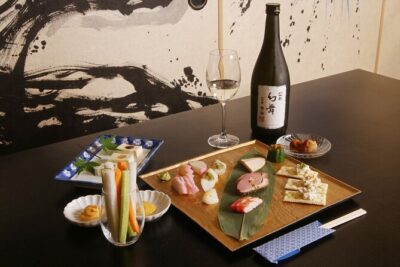
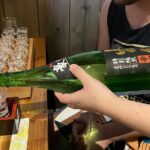
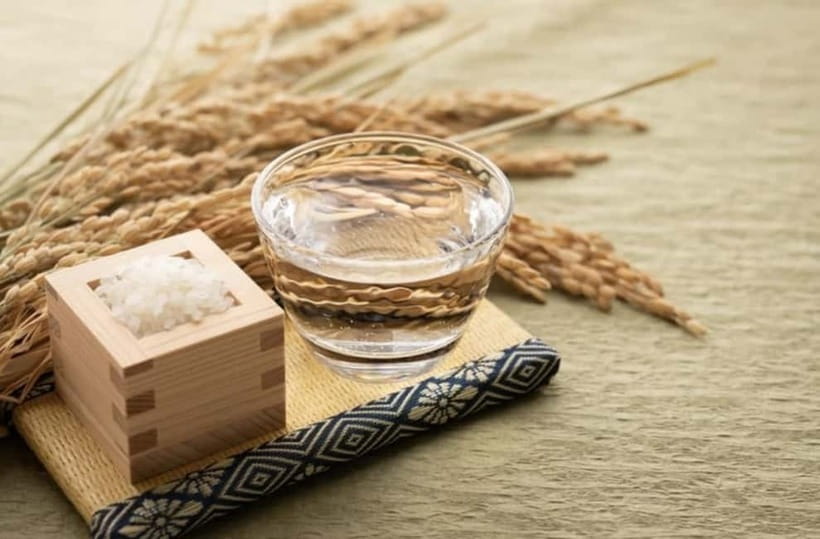
The core of the experience is a structured tasting flight. You start with a welcome drink, then you move through 7 types of Japanese sake, each paired with a complementary snack. The total works out to 8 sakes in total, counting the welcome pour.
What I like about this format is that it trains your palate. You get to compare sake by tasting it alongside food that either softens sharpness, supports sweetness, or balances aroma. In other words, the snacks aren’t just side filler. They’re part of the lesson.
Each pairing is carefully matched so the snack and sake both get a chance to shine. That’s useful because it mirrors real life. When you’re eating in Kyoto—tempura, grilled foods, seasonal dishes—you’ll want to know what direction to aim for with sake, not just which bottle tastes best by itself.
If you have dietary restrictions, you can email or message via WhatsApp beforehand. They’ll do their best to accommodate, but you’ll want to communicate early so the pairing can be adjusted.
Why sake vessels matter more than you’d expect
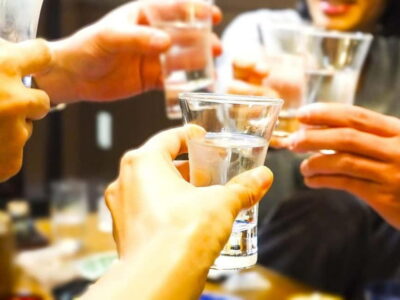
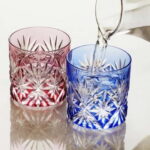
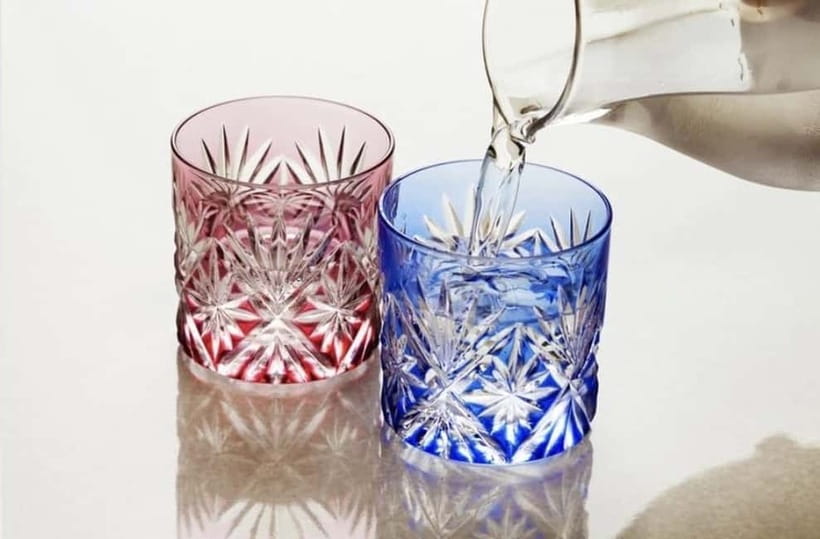
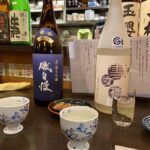
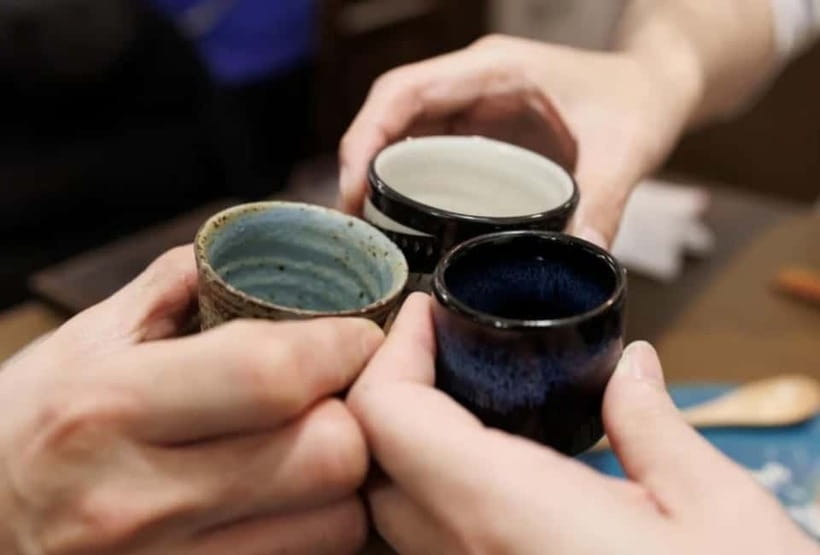
This is one of those details that sounds fancy until you taste it. Sake can shift in aroma and flavor depending on the vessel, and in this experience you’ll taste with a variety of sake cups.
So what does that change for you? Even if two sakes are similar, the vessel can affect how the drink smells and how it hits your palate. Practically, that means you’ll start noticing that serving style isn’t just presentation—it’s part of the taste.
For anyone who buys sake after tasting, this section is especially helpful. You’ll stop treating the cup like decoration and start thinking like a host: the right vessel can help you enjoy the same bottle differently.
And yes, there’s a shopping angle here. Your favorite sake and sake vessels are available for purchase at their shop afterward, which makes it easier to take your new preferences home.
What the tea-ceremony vibe adds (without turning it into a tea lesson)
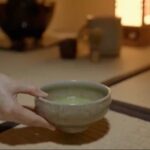
Sanjo Chasuian is described as a Japanese cultural experience facility, and it also offers tea ceremony experiences alongside sake tasting. Your 80-minute session here focuses on sake, but the setting tends to carry that calm, respectful atmosphere you associate with traditional cultural classes.
That matters because it changes the pacing. A sake tasting can feel like a party with drink-and-move energy. Here, the structure of a lesson plus pairing makes it feel more like a guided conversation with food and aroma, not a sprint.
If you’re pairing this with temple-hopping in the afternoon, you’ll probably appreciate the break from crowds. It gives you something quieter and more sensory than wandering streets all day.


Group session pacing: what small means in practice
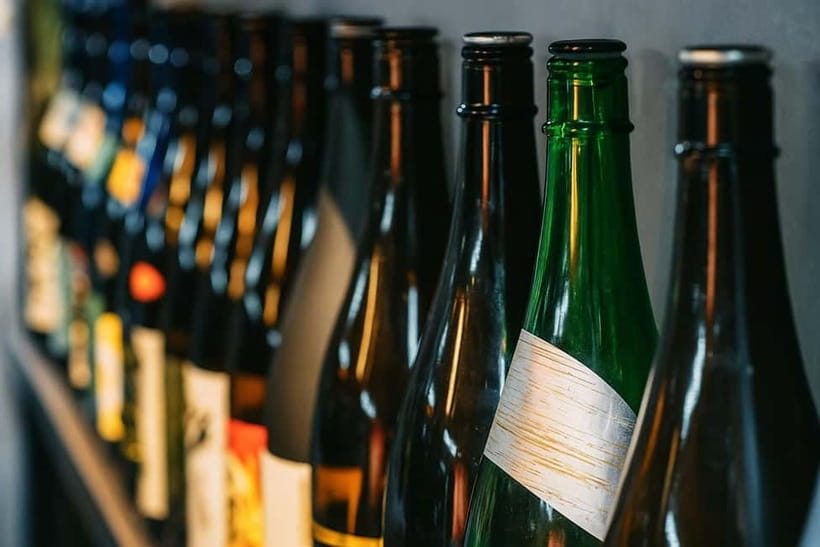
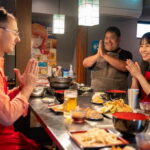
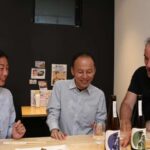
The experience is small-group and limited to 6 participants. It’s also described as a shared plan, meaning you’ll taste and learn alongside other guests.
In a room like this, small group size usually works in your favor. You can still ask questions and follow explanations in English, and you’re less likely to be lost in the crowd. The tradeoff is that the pacing won’t feel fully custom.
The session also has an age requirement: participants must be 20 years of age or older. If you’re traveling with anyone under that age, you’ll need separate plans.
One more practical note: they state that drinking alcohol is strictly prohibited for those who drive cars or bicycles. So if you’re planning to rent a bike or scooter nearby, double-check your timing and transport choices.
Price and value: what $50 buys you in Kyoto
At $50 per person for 80 minutes, this isn’t the cheapest activity in Kyoto, but it’s not priced like a luxury show either. It lands in a middle zone where the question becomes: what’s included?
You’re getting:
- a welcome drink
- 7 types of sake (total 8 sakes)
- snack pairing for each round
- English instruction from Yuko
- education on brewing, types, label-reading, and tasting basics
- vessel variety for aroma and flavor comparison
When you compare that to tastings that only give a few sips, the math makes more sense. Here, the quantity and structure are built in. You’re not paying mainly for the sake itself—you’re paying for the lesson that helps you understand what you’re tasting and how to choose sake later.
Also, the format is beginner-friendly. If you’ve never bought sake before, this can prevent expensive guessing at shops. And because you can purchase your preferred sake and cups afterward, the experience can directly lead to a fun souvenir that’s actually usable.
There’s also a grand opening discount mentioned until September 15th, which can make it an even better deal if your dates line up.
Tips so you get the most from the tasting
You’ll enjoy this more if you treat it like a class with food, not like a random drink stop. A few practical ways to do that:
- Bring curiosity, not a shopping list. The label-reading part is where you’ll gain confidence fast.
- Pay attention to the vessel section. If you like aroma, you’ll probably notice how the cup changes your perception.
- If you’ve got preferences (dry vs. fruity, light vs. fuller-bodied), mentally note them as you go. The pairing format makes those patterns easier to see.
- If you need dietary accommodations, contact them ahead of time so the snacks can be planned properly.
- Pace your day: 80 minutes is long enough to learn and compare, but short enough to fit before or after a temple visit.
Who this Kyoto sake session is best for
This experience is a strong match if you want:
- an English-guided introduction to sake (no specialized background required)
- a structured tasting with food pairing
- a small group vibe (up to 6 people)
- a practical way to learn how to pick sake by reading labels
- a cultural stop near a major subway station
It may be less ideal if you:
- want a private, silent experience (this is shared)
- need alcohol-free participation (the tasting is alcohol-based, and driving restrictions apply for anyone who will ride or drive)
- are traveling with people under 20
Should you book Sanjo Chasuian’s newly opened sake tasting?
Yes, if you’re the type of traveler who likes learning as you eat and drink. I’d book it for the Yuko-led instruction, the full welcome drink plus 7 sake rounds, and the fact that the pairing and vessel variety teach you how sake choices actually work.
If your goal is only to have a few sips quickly, there are cheaper ways to drink sake in Kyoto. But if your goal is to come away with real tasting skills—and then shop smarter—the value here is solid.
Also, the location near Karasuma Oike makes it easy to plug into a day without stress.
FAQ
How long is the Kyoto sake tasting at Sanjo Chasuian?
The experience lasts about 80 minutes.
Where is the meeting point?
You’ll come to the address above and look for the big plate with the Sanjo Chasuian logo. Open the door, and staff will be waiting to welcome you.
Is the tour offered in English?
Yes. The instructor provides guidance in English.
What’s included in the ticket price?
It includes a welcome drink plus 7 types of sake (8 sakes in total) and snack pairing.
Is this a private experience?
No. It’s a shared plan group session with a small group limited to 6 participants.
Are there any age restrictions?
Yes. Participants must be 20 years of age or older.
Can they accommodate dietary restrictions?
You should inform them of any dietary restrictions by email or WhatsApp ahead of time, and they will do their best to accommodate.