REVIEW · KOBE
KOBE Sake brewery PRIVATE walking tour with Local guide
Book on Viator →Operated by 888tour · Bookable on Viator
Sake tasting, minus the guesswork. This private Kobe walk focuses on Japan’s famous Nada district and layers in real brewery know-how, guided explanations, and the fun twist of Kakuuchi—drinking sake where you buy it. You get a short, easy circuit that still feels like a proper deep dive into how Kobe sake earns its reputation.
What I like most is the structure: you don’t just see exhibits, you taste along the way, so the history actually sticks. I also love that the guide ties each stop to what’s happening on the production side, with clear context and tasting advice (I’ve seen guides like Yuko and Marin praised for making the process make sense without turning it into a sales pitch).
One consideration: it’s about a 2 km walk outdoors in summer heat, and the tour schedule keeps you on your feet for roughly 3 hours. If you’re visiting in August, bring shade and plan to hydrate like it’s part of the itinerary.
In This Review
- Key highlights to know before you go
- Kobe’s Nada Sake Walk: how this tour turns labels into flavor
- From Sumiyoshi Station to Hamadaya: the route and walking reality
- Hakutsuru Sake Brewery Museum: the story you actually need first
- Kiku-Masamune Shuzo Kinenkan: tradition plus cups worth lingering over
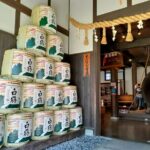
- Taru Sake and Taru Bin cedar barrels: seeing the practical side
- Sakuramasamune Kinenkan Sakuraen: tasting time with non-drinker options
- Hamafukutsuru Ginjo Brewery: the sake advisor format
- Hamadaya wrap-up: the kakuuchi-style drinking moment
- How the tastings work (and how to avoid tasting fatigue)
- Price and value: why $84.05 is more than a casual snack tour
- Who this private Kobe sake tour fits best
- Practical tips for comfort and heat (especially if you visit in summer)
- Should you book this Kobe sake brewery private walking tour?
- FAQ
- How long is the Kobe sake brewery private walking tour?
- What time does the tour start, and where does it meet?
- Is it a lot of walking?
- How many sake tastings are included?
- What is Kakuuchi, and does the tour include it?
- What should I do about hot weather?
Key highlights to know before you go
- Nada sake district focus: one coherent route through Kobe’s “Big Three” sake region.
- Built-in tastings all the way: about 10 sake cups at each brewery stop.
- Taru Sake meets real cedar barrels: see the Taru Bin concept tied to production.
- A tasting + shop finish: you can pick up limited-edition bottles at brewery stores.
- Hamadaya ends the tour: an izakaya and liquor store where the evening vibe fits kakuuchi-style drinking.
- Guides bring the narrative: multiple guides (including Yuko, Marin, and Ogawara) are praised for clear, friendly explanations.
Kobe’s Nada Sake Walk: how this tour turns labels into flavor
Kobe sake gets talked about a lot, but it’s easy to stay stuck at the “this one tastes sweeter” level. This tour is set up to move you past that. The route centers on Kobe’s Nada area, part of Japan’s famed sake regions often grouped among the Big Three. That matters because Nada isn’t just a brand—it’s a place with a specific brewing identity, and your guide keeps nudging the story back to why the area tastes the way it does.
A second thing that makes this work is the format. You’re not wandering with a brochure. You’re moving from museum to museum and then into practical production explanations. Along the way, you taste repeatedly, which is the fastest way to learn what differences really mean (yeast style, polishing effects, and brewing choices—things you’d otherwise only read about).
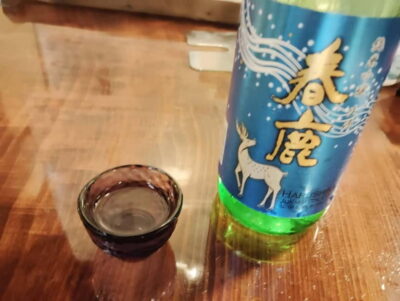
And then there’s Kakuuchi. In plain terms, you’ll have a chance to buy sake and drink it on-site, which is a very Japanese way to enjoy the product in context. It’s not just consumption; it’s part of the local rhythm of checking out what’s on offer.
You can also read our reviews of more tours and experiences in Kobe.

From Sumiyoshi Station to Hamadaya: the route and walking reality
The tour starts at 1:00 pm at Sumiyoshi Station (listed as 5 Chome-1 Sumiyoshimiyamachi, Higashinada Ward). The walking is described as mostly flat, but you’ll still cover about 2 kilometers total. The walking time isn’t the marathon part; the schedule just keeps you moving between short stops.
At the end, you don’t have to re-plan your evening. The experience dissolves at Hamadaya, an izakaya that’s also a liquor store. The meeting point-to-finish setup is practical because it matches how the tour’s tasting rhythm works: the last stop is where you can slow down and take the flavors into a meal setting (you’re not required to eat, but the option is there).
If you’re deciding whether to do it solo vs. with friends, the private format is a big plus. It means you can ask small questions without worrying the group pace will break your thought process.
Hakutsuru Sake Brewery Museum: the story you actually need first
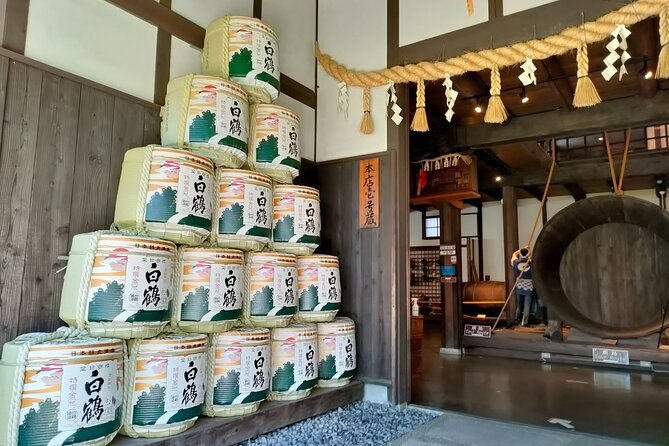
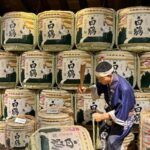
The first stop is the Hakutsuru Sake Brewery Museum, with admission included and about 20 minutes on site. This is where the tour gives you the baseline you need for everything that follows. It’s easy to get lost in sake terms—polishing, fermentation, brewing steps—so starting with an overview makes the later tastings easier to interpret.
Hakutsuru is known for its long-running presence in the sake world, and the museum format helps connect sake to generations of brewing knowledge. In a short time window, you’re not trying to memorize every detail. You’re trying to learn how the system works so that the flavors you taste later don’t feel random.
Tip: come with a simple goal. For example, I’d advise you to pay attention to one question during this stop: what changes in the process tends to show up in the glass? The guide usually helps you anchor that during tastings later.
Kiku-Masamune Shuzo Kinenkan: tradition plus cups worth lingering over

Next up is Kiku-Masamune Shuzo Kinenkan, another admission-included stop with about 20 minutes. Here the focus shifts to the brewery’s long tradition—over 350 years—and you’ll also see a large collection of sake cups. That might sound like a side detail, but it’s actually useful. Sake vessels and presentation affect perception, and the guide can point out how that ties back to culture, not just production.
This is also a strong moment for learning how to taste. Instead of treating each sip like a quiz, the guide frames the comparisons. The result is that you start tasting with a purpose: you’re looking for differences, not just collecting sips.
You’ll likely notice that different breweries emphasize different styles. The tour keeps you moving through those styles so you can build a mental map of Kobe/Nada flavor direction.
Taru Sake and Taru Bin cedar barrels: seeing the practical side
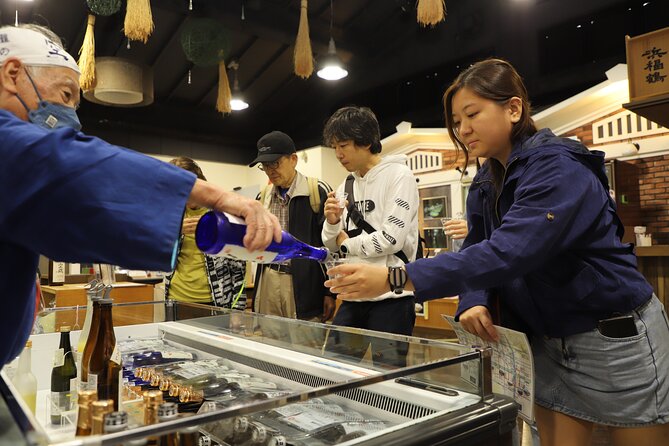
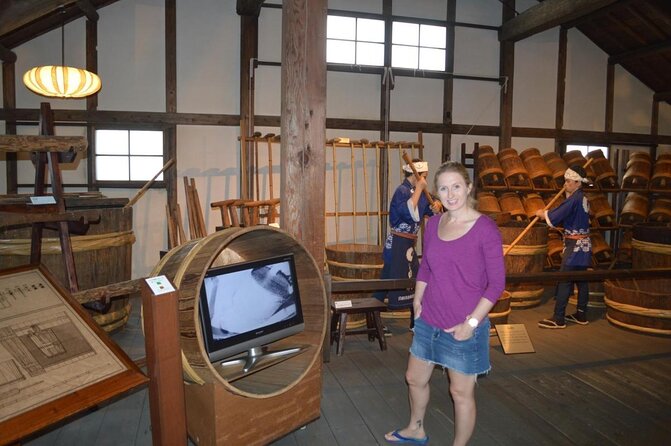
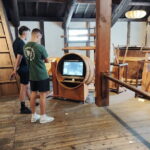
Then comes the most “hands-on” concept on the route: Taru Sake tied to the Taru Bin—barrels made from Yoshino cedar. This part runs about 30 minutes and is described as happening at a functioning factory and laboratory setting.
Even if you’re not a brewing nerd, this stop is valuable because it explains a signature method behind a specific product category. Taru Sake has a different feel compared to other styles, and learning the container angle helps you understand why the taste profile can shift.
The fact that this is shown in a working context (not just an exhibit behind glass) makes it easier to remember. You can picture the steps, and you’ll probably catch yourself thinking about aroma and how cedar influences the overall impression.
Sakuramasamune Kinenkan Sakuraen: tasting time with non-drinker options
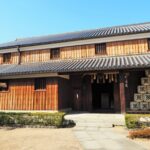
At Sakuramasamune Kinenkan Sakuraen, you get another 20 minutes and admission included. The tour description emphasizes that you can taste famous Japanese sake here, and importantly, it also notes that there are restaurants and cafes on site.
That matters if you don’t want to drink as much. You might still want to participate in tastings as part of the tour flow, but this stop gives you a built-in fallback: you can enjoy the area even if you can’t or don’t want to drink alcohol the same way.
This stop also gives the tour a breather. After a museum and a production-focused visit, the Sakuraen environment is more relaxed, so you can reset your senses before the final brewing stop and then the izakaya finale.
Hamafukutsuru Ginjo Brewery: the sake advisor format

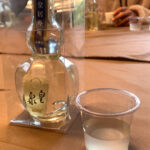
The tour’s next brewery stop is Hamafukutsuru Ginjo Brewery, about 20 minutes with admission included. Here the description specifically calls out a sake advisor who explains each sake after a free tasting.
This sequencing is smart. You taste first, then you’re told what you’re tasting. That keeps the explanation from turning into a lecture you can’t connect to your tongue.
If you like awards and rankings, this stop is also where you’ll have a chance to buy the sake mentioned as having been awarded in Japan. Even if you’re not shopping, looking at the bottles helps you learn how Japanese breweries communicate style and quality.
The best part: by this point in the tour, you already tasted enough to make comparisons. So the final stop tastings aren’t your first impressions—they’re your second (and better) opinions.
Hamadaya wrap-up: the kakuuchi-style drinking moment
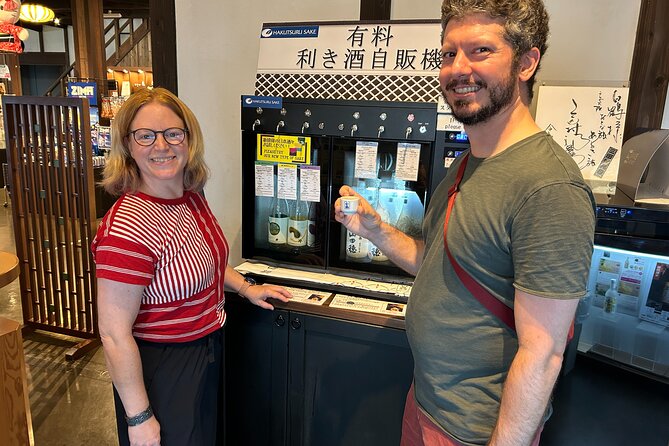
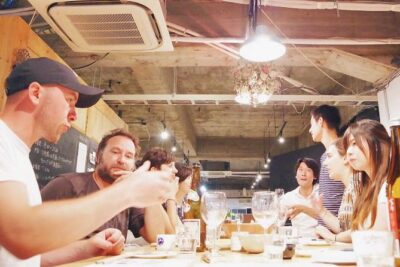
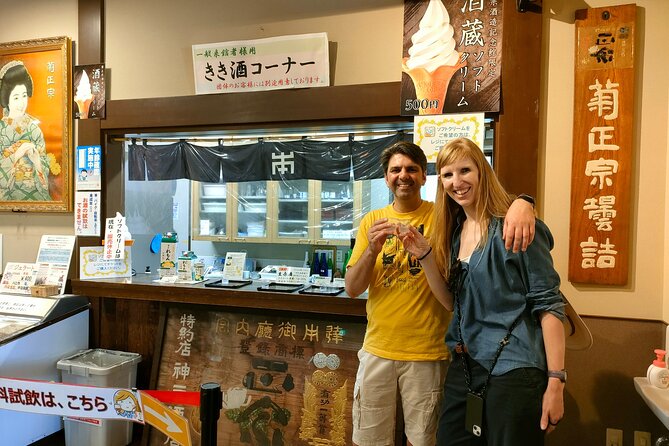
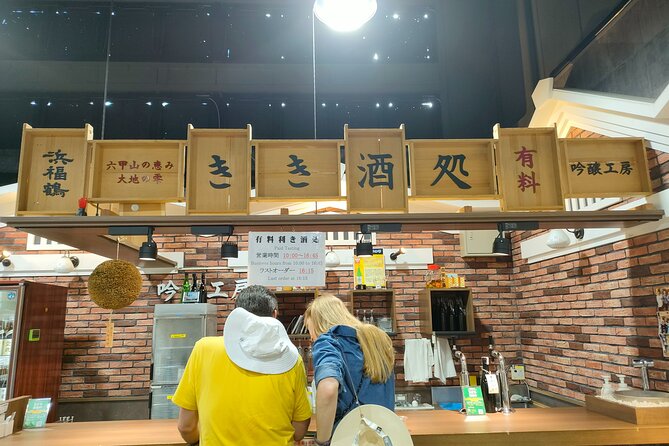
The final stop is Hamadaya, listed for about 30 minutes and marked as admission-free for the experience time. This is where the itinerary turns social. Hamadaya is described as Kobe’s most popular izakaya, and it’s also a liquor store, so you get that easy “buy and drink” culture you saw earlier with Kakuuchi.
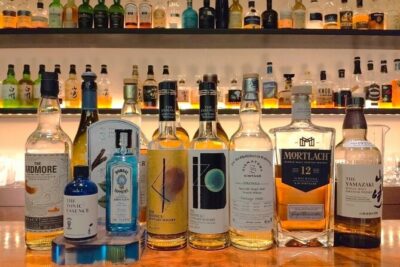
It’s also your chance to broaden beyond sake alone. Hamadaya offers Japanese sake plus beer, wine, and whiskey. Even if you’re primarily there for sake education, having those options keeps the mood comfortable—especially for anyone in your group who wants a different drink style.
The tour notes that it’s a “liquor store and izakaya” setup with sake-drinking in a corner style. If you want the most fun out of this ending, slow down here. Use the guide’s explanations from earlier to pick which sake to order based on what you liked, not on what sounds fancy on a label.
How the tastings work (and how to avoid tasting fatigue)
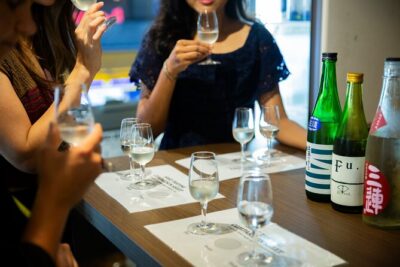
The experience includes about 10 cups of sake tasting at each brewery stop. That’s a lot of sampling in a single afternoon. The good news is that your guide’s role becomes more important here: clear explanations keep the tastings from becoming random swallows.
I’d recommend you approach it like a taste workshop:
- Take small sips.
- Compare two similar styles back-to-back when your guide offers the pairing.
- Use water breaks between tastings whenever you can.
By the end, you’ll probably be able to name preferences more accurately—like “I liked the one with more aroma” or “I preferred the smoother finish.” The value isn’t just the alcohol. It’s learning how to describe what you enjoy in your own words.
Also, if you’re the type who gets sleepy or overwhelmed from alcohol tasting, don’t wait until then. Pace yourself early, and plan to stop tasting at a level that keeps you clear-eyed for the last stop at Hamadaya.
Price and value: why $84.05 is more than a casual snack tour
At $84.05 per person for about 3 hours, this isn’t a bargain snack experience—but it also isn’t overpriced when you look at what’s included.
You’re getting:
- Multiple brewery stops in a single guided walk through Kobe’s key sake area
- Admission tickets included for several museum/facility stops
- A lot of tasting (about 10 cups at each brewery)
- A private guide, which you feel in the pacing and explanations
For many self-guided visitors, the “cost” isn’t just money—it’s time. You’d need to line up multiple museums and shops, then figure out where to taste and what to ask. Here, the guide handles that chain, and the tastings are structured so you actually learn from them.
If you’re already planning Kobe, Osaka, and Kyoto, this kind of single-afternoon focus can fit nicely. It’s specific, not scattered—and that makes it feel like a real cultural experience rather than a random pub crawl with a sake bottle at the end.
Who this private Kobe sake tour fits best
This tour is a great fit if you:
- Love sake and want a guided way to compare styles
- Want Kobe’s Nada region context without hunting down explanations yourself
- Like tasting-based learning where you can ask questions and adjust as you go
It’s also a good choice for people returning to Kobe and wanting something more than the usual sights. Brewery-focused experiences give you a different angle on the city—one that’s tied to craft, not just scenery.
If your group has mixed drinkers: the tour does mention that at Sakuramasamune Kinenkan Sakuraen you can enjoy it even if you can’t drink alcohol, since there are restaurants and cafes. That said, the overall tour format includes tastings at multiple stops, so come prepared for the fact that sake is central to the experience.
Practical tips for comfort and heat (especially if you visit in summer)
Because the tour keeps you outdoors between short indoor stops, heat matters. The experience notes that Japan’s summer can be intense—August can exceed 35°C—and it strongly recommends preventing heatstroke: hydration and shade like a parasol.
Here’s what I’d do to stay comfortable:
- Wear comfortable shoes (you’ll walk about 2 km).
- Bring water even if you plan to slow down at cafés.
- Use sun protection. Shade isn’t a luxury on a brewery walk; it’s survival.
If you’re sensitive to heat, aim for earlier shade breaks during transition points, especially if you’re tasting multiple cups in a short window.
Should you book this Kobe sake brewery private walking tour?
Book it if you want a guided, structured afternoon that turns Kobe sake into something you can taste and explain. The combination of Nada-area context, multiple brewery stops, and repeated tastings is exactly how you learn quickly—without spending your trip time Googling where to go and what to order.
Skip it or think twice if you strongly dislike alcohol tasting as a concept, or if you’re not comfortable walking outdoors in warmer months. The tour can still include non-drinking time at the Sakuramasamune stop, but sake tastings are core to the format.
If you like craft, comparisons, and learning with a guide who can translate process into flavor, this one earns its place on your Kobe plan. End the afternoon at Hamadaya, order based on what you actually liked earlier, and let the tasting experience follow through into the local izakaya vibe.
FAQ
How long is the Kobe sake brewery private walking tour?
The tour lasts about 3 hours.
What time does the tour start, and where does it meet?
It starts at 1:00 pm at Sumiyoshi Station (5 Chome-1 Sumiyoshimiyamachi, Higashinada Ward, Kobe).
Is it a lot of walking?
You’ll walk about 2 kilometers total, and the road is described as flat. Comfortable shoes are recommended.
How many sake tastings are included?
The tour includes about 10 cups of sake tasting at each brewery stop.
What is Kakuuchi, and does the tour include it?
Kakuuchi means getting sake and drinking it at a liquor shop. The tour includes an izakaya stop at Hamadaya, which is also a liquor store, as the finish point.
What should I do about hot weather?
The tour notes that in summer (especially August) temperatures can exceed 35°C. It recommends preventing heatstroke by staying hydrated and using shade such as a parasol.