REVIEW · KOBE
KOBE Kampai Sake Tasting Tour at Local Breweries : Nadagogo
Book on GetYourGuide →Operated by KampaiSakeTours · Bookable on GetYourGuide
Kobe’s sake country is a short walk from magic. This Kampai Sake Tasting Tour in Nadagogo turns a history-heavy region into something you can actually taste, with an English-speaking guide, snacks, and stops at major and family-run breweries. I love how you compare styles side-by-side across several makers, and I also like the hands-on feel of seeing how brewing traditions show up in what ends up in your glass. The main drawback to plan around is that it’s a long walking tour (about 4 km), so comfy shoes matter, and you should eat before you start.
The schedule runs about 3.5 hours, starting at Ishiyagawa Station (Hanshin Line) around 13:00 and finishing in the Uozaki Station area by about 16:20. One more small note: the tour description says the route can end back at the meeting point, but the route details list Uozaki as the finish, so check your confirmation the day before.
In This Review
- Key highlights to look for
- Nada, Kobe: Why this is more than a drink tour
- Meeting at Ishiyagawa and the pacing of a 3.5-hour stroll
- Kobe Shushinkan (since 1751): a historic start and Nobel-level bragging rights
- Hakutsuru Sake Brewery Museum (since 1743): learn the process before the final sip
- Kiku-Masamune Shuzo Kinenkan (since 1659): where style differences get real
- Hamafukutsuru Brewery (since 1989): premium pours and a newer angle
- Tasting like a pro: how to make the comparisons stick
- The walking part: what to wear, what to carry, and how to avoid day-of stress
- Value for $98: what you actually get
- Who should book and who should skip
- Booking decision: should you do the Kampai Sake Tour in Nadagogo?
- FAQ
- FAQ
- How long is the Kampai sake tasting tour?
- Where do I meet the guide?
- Is the tour English-language?
- How many people are in the group?
- Will I be walking a lot?
- What is included in the price?
- Are there any tax benefits with a passport?
- Should I eat before the tour?
Key highlights to look for
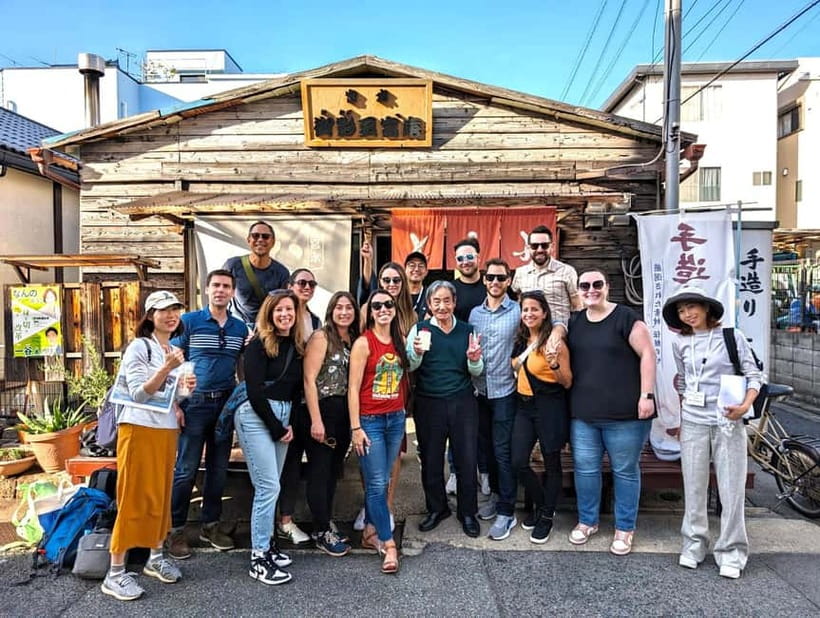
- Nada’s sake concentration: You’re in the area known as Japan’s top sake-producing zone, home to 26+ breweries.
- Breweries that range from old to big: You’ll go from long-running houses to Japan’s biggest brewery type of stop.
- Museum time with Hakutsuru: You’re not just tasting. You see traditional brewing steps in a brewery museum.
- Tastings you can compare: Multiple breweries, multiple styles, so your palate learns faster.
- Small group energy: Limited to 10 people, which keeps questions flowing.
- Bring a backpack for buys: There are great sake souvenirs, and you’ll thank yourself for carrying capacity.
Nada, Kobe: Why this is more than a drink tour
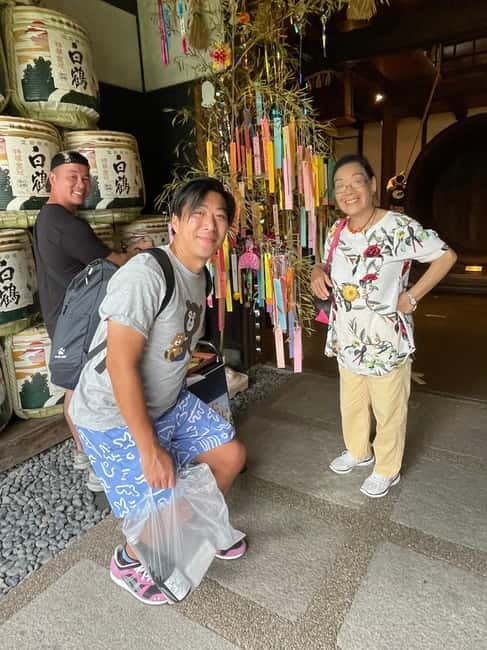
If you’ve only heard Kobe for beef and harbor views, Nada will surprise you. This neighborhood is a sake powerhouse, often described as Japan’s #1 brewing zone. The big idea on this tour is simple: you don’t just hear sake facts. You walk through the place where those facts got invented and refined, and you taste the differences that come from breweries, methods, and time.
Nada is packed with breweries, so the whole area has that working-industrial-but-proud vibe. You’ll notice it in how the tour moves from one producer to the next, and in how each stop feels like its own world. Some are steeped in tradition. Some show how modern Japanese sake companies think about quality and consistency. The result is that your tasting comparisons stop being abstract. They become practical.
You can also read our reviews of more tours and experiences in Kobe.
Meeting at Ishiyagawa and the pacing of a 3.5-hour stroll
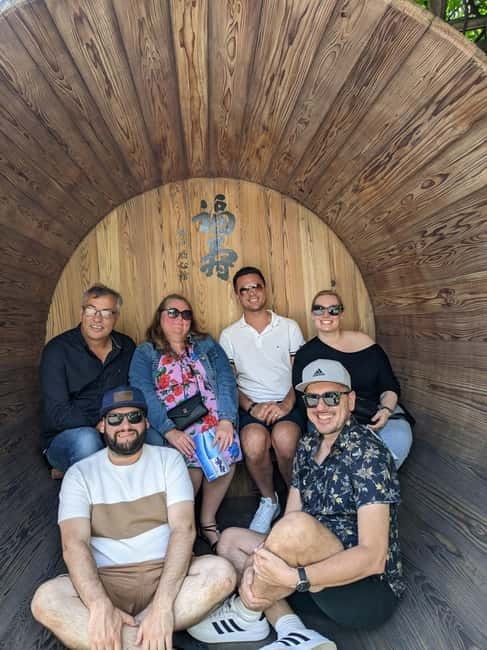
Your trip starts at Ishiyagawa Station on the Hanshin Line. The meeting point is clearly marked with staff wearing a KampaiSakeTours name tag, so you can spot the group fast. Expect the tour to run around 3.5 hours, with the walking portion totaling about 4 km.
Here’s what that means for you on the ground:
- Plan for a steady walking pace, not sightseeing stops every two minutes.
- Bring comfortable shoes because you’ll move between brewery areas on foot.
- It’s smart to eat something before you go, since you’re tasting multiple sakes and you don’t want to start lightheaded.
Also, this is an English live guide tour, and the pacing is designed for questions. With only up to 10 participants, you’re not stuck waiting for your turn every time you want to ask what you’re tasting.
One more logistics detail worth noting: the tour description says the activity ends back at the meeting point, while the route details list Uozaki Station as the finish around 16:20. I’d follow your booking confirmation for the exact end point.
Kobe Shushinkan (since 1751): a historic start and Nobel-level bragging rights
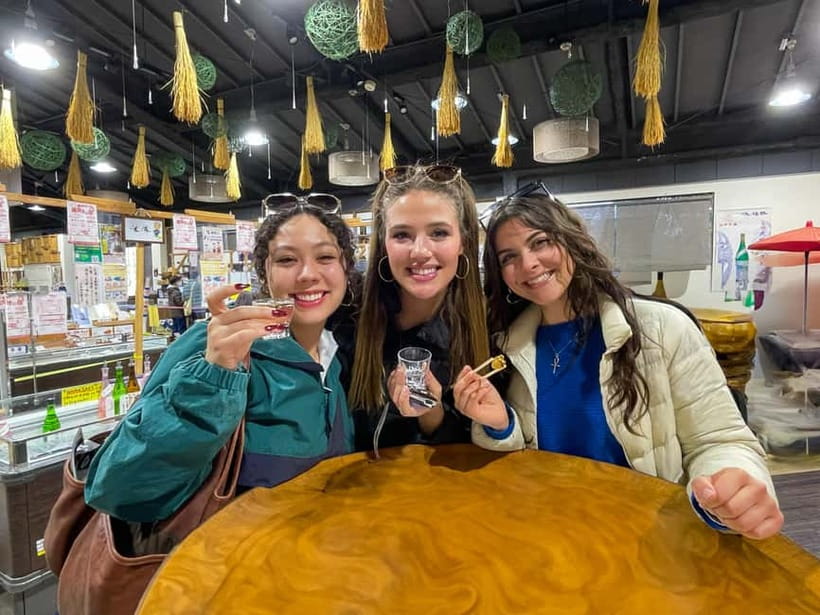
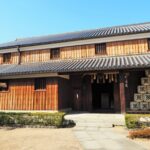
The first major stop is Kobe Shushinkan, a brewery site dating back to 1751. This is where the tour sets your baseline: you start tasting in the middle of the brewing story, not after. The visit runs about 40 minutes, which is a good chunk of time to settle in, learn the basics, and then taste without rushing.
What makes this stop especially interesting is the way it ties Kobe sake to global prestige. The information you’ll get here includes that you can taste premium sake that was offered at the Nobel Prize Ceremony banquet in Sweden. Even if you don’t care about awards, it helps you understand that Nada’s reputation isn’t just local pride. It travels.
Drawback to consider: this is an early stop, so if you’re prone to getting cold or tired at the beginning of walking tours, show up ready. You’ll want to be awake and curious from the start, because the tasting comparisons will build over the whole route.
Hakutsuru Sake Brewery Museum (since 1743): learn the process before the final sip
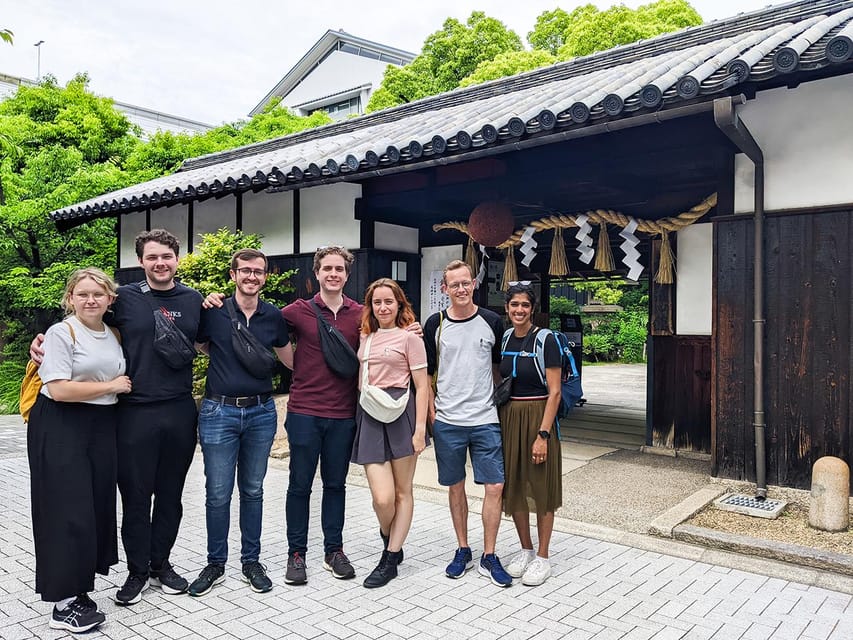
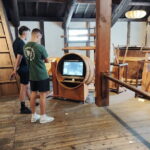
Next comes the Hakutsuru Sake Brewery Museum, established since 1743. You’ll have about 30 minutes here, which is long enough to notice details without feeling like you’re stuck in a lecture hall.
This is the stop you’ll appreciate most if you like the science and craft side of food and drink. The museum aspect matters because it gives you context for why different styles taste different. You’re shown traditional approaches to brewing, and then you taste. That sequence helps you connect “what happens during brewing” with “what ends up in the glass.”
Hakutsuru also fits well with the vibe of the day: you’re still in the sweet spot where everything feels close and human. Not every brewery stop is built for visitors, but here you get the built-in education.
Practical tip: if you want to remember what you tasted, take quick mental notes right after each pour at this stop. The tour keeps moving, and your brain will thank you later when you’re comparing styles.
Kiku-Masamune Shuzo Kinenkan (since 1659): where style differences get real
The tour then heads to Kiku-Masamune Shuzo Kinenkan (since 1659) for around 25 minutes. This is one of the places where the tasting stops being only about history and becomes about flavor choices and brewing outcomes.
What I like about this stop is that it supports comparison. By the time you reach it, you’ve already tasted at least a first round of styles and learned a bit about how brewing choices lead to different results. Now the tour can make those differences clearer. You’ll sample different types here, and the guide can help you map what you’re noticing to what makes each style distinct.
Potential drawback: because the tour is compact and paced, you might feel like you’re constantly switching contexts between walking, tasting, and learning. If that tires you, lean into the structured part: listen for the guide’s “difference” explanations, and use them as anchors. It keeps the day from feeling like blur.
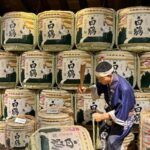
Hamafukutsuru Brewery (since 1989): premium pours and a newer angle
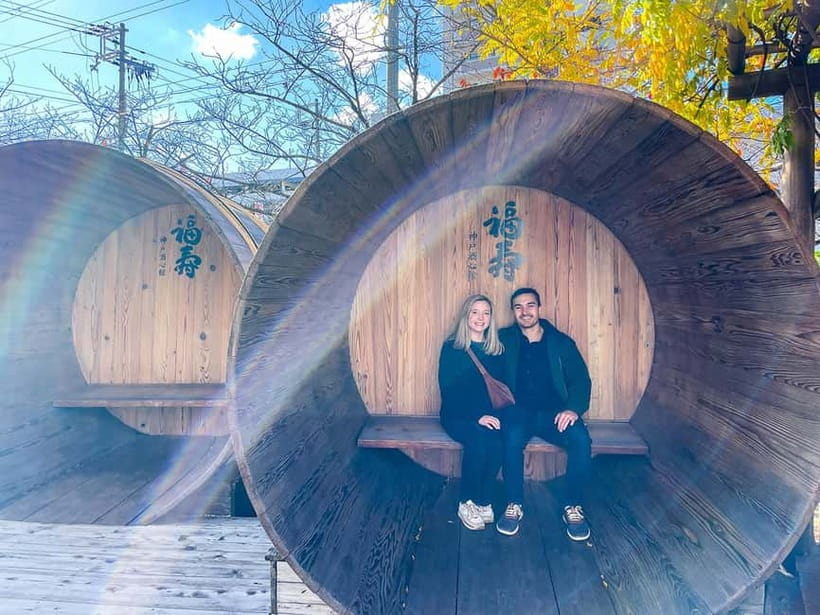
Your later stop is Hamafukutsuru Brewery (since 1989), with about 20 minutes on site. This part of the day is a nice contrast. Earlier stops emphasize deep heritage. Here, you get a more modern story wrapped around premium tasting.
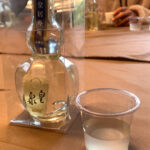
The emphasis for this stop is on tasting premium sake. That’s useful because it changes how you listen to the guide’s talk. Instead of only asking what traditions do, you start noticing how breweries chase quality through consistency, refinement, and production focus.
Also, this is often the point where you’ll be thinking about what to buy. If you love one style more than the others, now’s when you’ll want to pay attention to details the guide shares about that style, because you’re already carrying home-souvenir energy in your head.
Tasting like a pro: how to make the comparisons stick
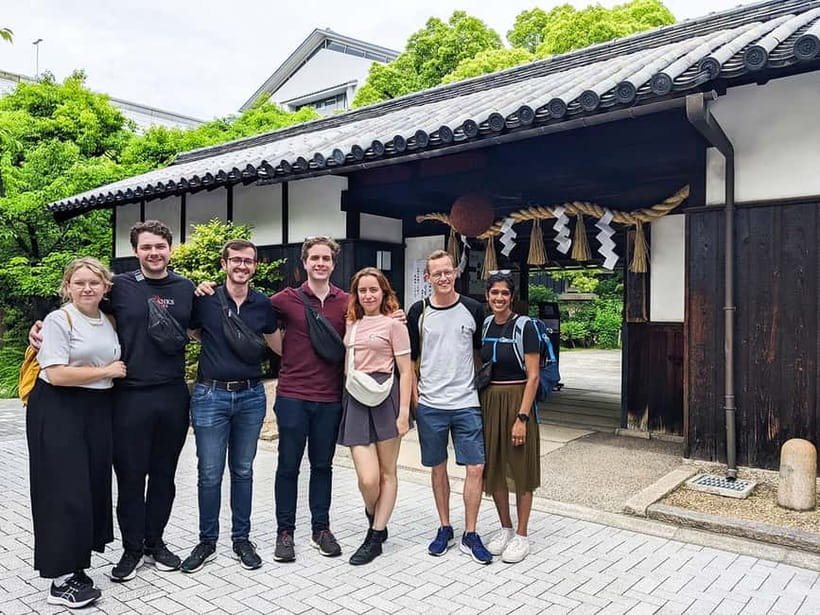
The tastings are the heart of the tour, and the goal is that you find your favorite style. To do that without getting your palate mushy, keep it simple.
Here’s a practical approach that works well on multi-stop tasting tours like this:
- Sip slowly and take a moment before you decide what you like.
- Use water between tastings if it’s available during breaks, and keep your mouth reset.
- When something clicks, remember what you’re reacting to: sweetness level, aroma, dryness, or how it feels on your tongue.
- If you’re buying later, write one short note on a phone: what you liked and why. It’s surprisingly hard to remember after a few different pours.
Since this is a walking tour, pace your tasting too. You don’t want to feel sluggish while moving to the next brewery, especially because the route continues on foot.
And one small mental trick: don’t aim to “finish everything.” Aim to compare. A tour like this is at its best when you’re actively learning the differences, not just consuming.
The walking part: what to wear, what to carry, and how to avoid day-of stress
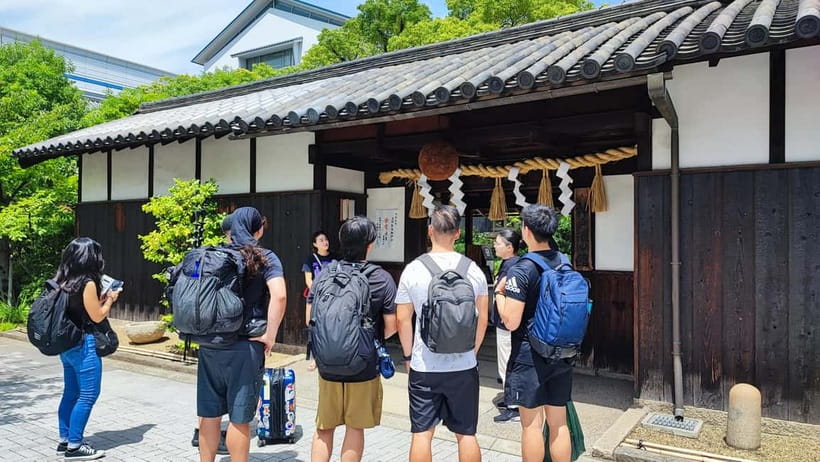
This is a longer walk for a sake tour: about 4 km in total. That’s not marathon territory, but it is enough that your feet will notice. I’d treat the footwear like a non-negotiable.
Bring:
- Comfortable shoes (the tour explicitly recommends this)
- A way to carry purchases: the tour suggests bringing a backpack because there are great local sake souvenirs
There’s also a practical comfort factor with small-group tours. With only up to 10 participants, the group isn’t huge, but you can still get stuck behind slower walkers if the pace is steady. If you’re someone who walks slower, mention it to your guide at the start so they can help manage the rhythm.
Value for $98: what you actually get
At $98 per person, this tour isn’t a throwaway activity. But the value stacks up when you look at what’s included.
You get:
- A live English guide
- Walking tour logistics and direction
- Sake tasting across multiple breweries
- Snacks
- A compact route through the Nada brewing district
If you were to replicate this on your own, you’d have to pay for multiple admissions, coordinate transit, and figure out how to compare styles effectively without getting lost. Here, the guide does the “make it make sense” part. You can also walk in knowing you’ll hit several well-known names, rather than gambling on random brewery stops.
The best part of the value isn’t just access. It’s the comparison effect. Multiple makers, different approaches, and tasting built into the day means you leave with real clarity about what you like.
Who should book and who should skip
This tour fits you if:
- You like food-and-drink experiences that teach you how things are made.
- You want a tasting where you can compare different types of sake without guessing.
- You enjoy small-group days and talking with a guide.
- You’re comfortable walking around 4 km over 3.5 hours.
It may not fit you if:
- Your mobility is limited. The walking is a real factor.
- You’re not comfortable drinking multiple small pours over the course of the tour.
- You’re older than the tour’s stated limit (it’s noted as not suitable for people over 95 years).
Booking decision: should you do the Kampai Sake Tour in Nadagogo?
If you’re visiting Kobe and you want one high-impact, high-learning sake experience, I’d seriously consider booking. The tour is built for people who want more than a souvenir bottle. You’ll taste across historic and modern breweries, you’ll get museum-style context at Hakutsuru, and you’ll leave with a clearer idea of your preferred sake style.
Before you book, decide two things:
- Are you good with a 4 km walking day? If yes, you’ll enjoy the momentum.
- Do you want to learn as you taste? If you do, the guide-driven comparisons are the point, and that’s where the tour earns its price.
If you want a single “best use of time” activity in Kobe’s sake district, this is a strong candidate.
FAQ
FAQ
How long is the Kampai sake tasting tour?
It lasts about 3.5 hours, with the exact starting times depending on availability.
Where do I meet the guide?
Meet at Ishiyagawa Station on the Hanshin Line. Staff will be wearing a name tag with the KampaiSakeTours logo.
Is the tour English-language?
Yes. The tour has a live guide in English.
How many people are in the group?
The group is small, limited to 10 participants.
Will I be walking a lot?
Yes. It’s a long walking tour with about 4 km on foot, so comfortable shoes are recommended.
What is included in the price?
The tour includes the walking tour, a guide, sake tasting, and snacks.
Are there any tax benefits with a passport?
Yes. A tourist with a passport is exempt from tax on purchases over JPY 5,500 at breweries.
Should I eat before the tour?
Yes. You’re advised to eat something before joining.
If you want, tell me your travel month and whether you prefer lighter or drier sake styles, and I’ll help you pick what to look for during tastings.
You Might Also Enjoy
 A pairing experience in Sapporo where you can enjoy tempura and 3 kinds of Hokkaido-only sake, along with a soba-noodle making experience!
 Ginza, Tokyo: Sake Experience with traditional vessels
 Japanese Sake Tasting & Wagyu Sukiyaki Cooking Class in Tokyo
 1-Day Snow Monkeys, Zenko-ji Temple & Sake in Nagano