REVIEW · KOBE
Kobe: 3-Hour Private Sake Tour in Japan’s Top Sake Area
Book on Viator →Operated by DeepExperience · Bookable on Viator
Sake in Kobe feels personal. In Nada Gogo, you’ll go beyond tasting and see how three breweries shape flavor through rice polishing, fermentation, and maturation, plus what the region’s water and climate do for the final glass. I especially like the precision focus on ginjo style at Hamafukutsuru, and I also love that two stops are basically learning hubs—museums built around real brewing tools and methods.
One thing to keep in mind: the experience is a strong intro, but you can run into limited English signage, and if you’re the type who asks very specific technical questions, answers may not always land exactly how you want.
In This Review
- Key takeaways
- Nada Gogo: why Kobe’s sake country matters
- Price and what you get for $116.30
- The 3-hour flow: timing, pacing, and where you end up
- Stop 1: Hamafukutsuru Ginjo Brewery and the clean ginjo focus
- Stop 2: Kiku-Masamune Sake Museum for brewer heritage you can see
- Stop 3: Hakutsuru Sake Brewery Museum and the full historical setup
- Tastings you can compare: up to 1,000 yen per brewery
- How to get the most from the guide (and your questions)
- Are the three breweries too similar?
- Who should book this private Kobe sake tour
- Should you book this Kobe sake tour?
- FAQ
- How long is the Kobe private sake tour?
- How many breweries are visited on the tour?
- What tastings are included and how much alcohol is covered?
- Is the tour private?
- Where do I start and where does the tour end?
- Is alcohol included for everyone?
Key takeaways
- Three breweries, three different angles: ginjo-focused brewing, a museum with deep brewer heritage, and a full brewery-turned-museum
- Tastings are built in: you get alcoholic drinks for up to 1,000 yen per brewery for the tasting portion
- A real process lesson: rice selection and polishing, fermentation, maturation—what changes and why it tastes different
- Private pacing for your group: only your group attends, so the guide can adjust questions and rhythm
- Good odds on clear English guidance: at least one guide named Julien was described as friendly and very easy to follow
Nada Gogo: why Kobe’s sake country matters
Kobe is more than port views and fancy beef. It sits next to one of Japan’s most important sake-making zones: Nada Gogo. That matters because sake isn’t just a recipe you copy. It’s a craft shaped by local ingredients and conditions—especially the water source, the climate, and the habits developed over generations.
This tour is designed to help you connect those dots. You’re not bouncing from shop to shop. You’re seeing how different breweries build different styles from the same general starting point: carefully handled rice, controlled fermentation, and time spent letting flavors mature. Even if you’re new, you’ll come away understanding what changes in the process and how that shows up in the glass.
And since the tour is private, you can actually benefit from the guide’s explanations. This isn’t one of those experiences where you’re stuck reading signs you can’t fully translate. A good guide helps you hear what’s happening and why it matters.
You can also read our reviews of more tours and experiences in Kobe.
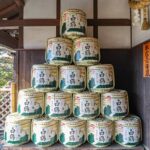
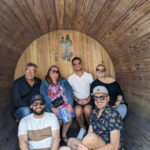
Price and what you get for $116.30
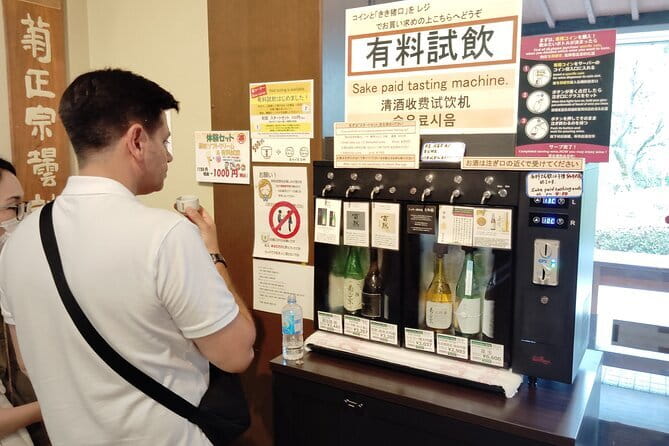
At $116.30 per person for about 3 hours, this isn’t a bargain-basement tasting. It’s more like paying for a guided education plus a structured chance to compare styles at three well-chosen breweries.
Here’s what helps justify the cost:
- Guide fee + all fees and taxes are included, so you’re not nickel-and-diming your way through “add-ons.”
- Tastings include alcoholic beverages up to 1,000 yen per brewery. That gives you real comparison time rather than one quick pour and out the door.
- You’re visiting three separate production-related stops with different “teaching formats” (premium brewery focus, museum setting, historic-style museum).
Two things to watch on value:
- Transportation from the station isn’t included. You’ll want to plan how you’ll reach the start point near Uozaki Station.
- The tour is short. Each stop has a set time, so you may not get to linger at every display if you’re a slow reader or a deep-tech question person.
For many people, the sweet spot is this: you get a guided sampler of styles in a format that’s easier than trying to DIY it with limited language support.
The 3-hour flow: timing, pacing, and where you end up
This tour is timed to move you through three stops in about 3 hours. In practical terms, that means:
- Stop 1 runs about 55 minutes
- Stop 2 runs about 55 minutes
- Stop 3 runs about 1 hour
It’s a tight but not rushed rhythm. You get enough time to learn the basic process at each place and then taste in a way that feels connected to what you just heard.
One logistical detail that matters: you start at Uozaki Station (address given near Uozaki Nakamachi in Higashinada Ward) and end at the Hakutsuru Sake Brewery Museum location in Sumiyoshi Minamimachi. Plan your next stop around that end point. If you’re heading for dinner, it’s easier when you already know which direction you’ll be walking afterward.
Stop 1: Hamafukutsuru Ginjo Brewery and the clean ginjo focus
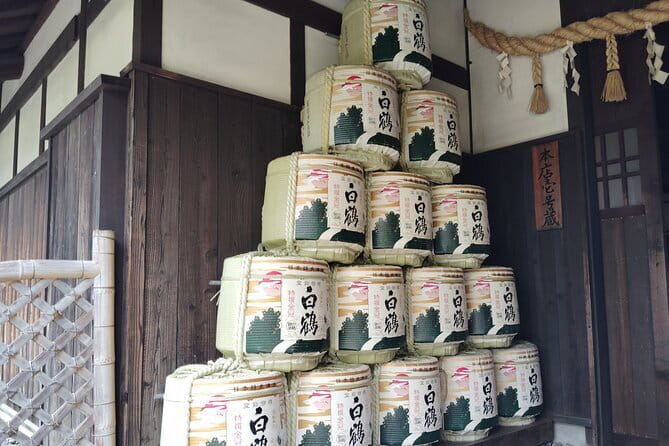
Your first visit is Hamafukutsuru Ginjo Brewery, a place that specializes in ginjo sake. That matters because ginjo style is often where people first learn that sake isn’t just one flavor. Ginjo tends to feel more delicate and refined, and it’s a great starting point for understanding how careful rice treatment affects aromatics and mouthfeel.
What you’re likely to notice here is the tour’s “why” connection: the guide links techniques to taste outcomes. You’ll hear about how rice is selected and polished, and how the brewing steps feed into the final character. The atmosphere at a ginjo specialty stop is usually more about craft control than tourist spectacle, which is a good thing. It sets a tone for the rest of the route.
A drawback to acknowledge: if you’re expecting big visual signage in English, you may find it limited. One review highlight pointed out that there aren’t many English signs, so you’ll benefit most if you’re comfortable relying on the guide’s explanations rather than reading everything yourself.
Stop 2: Kiku-Masamune Sake Museum for brewer heritage you can see
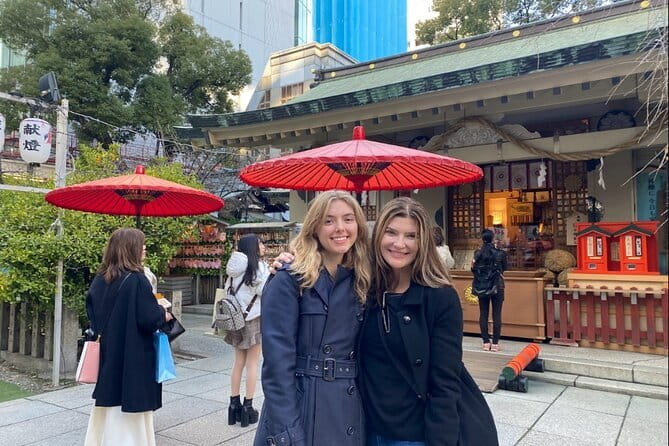
Next up is the Kiku-Masamune Sake Museum. This stop shifts the experience from active brewery learning to heritage and history presented through a museum setting.
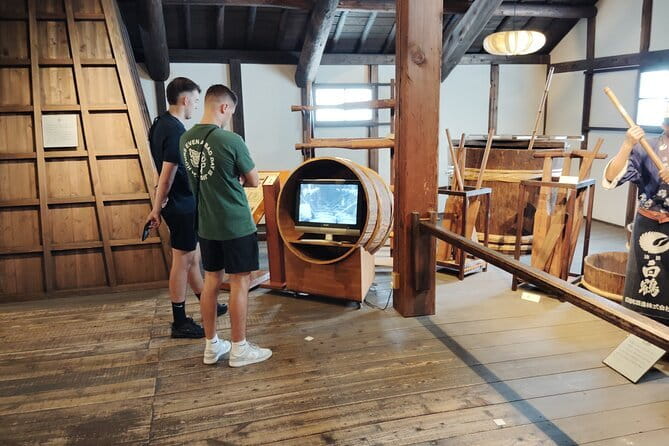
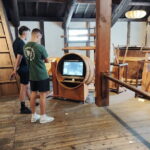
The reason this works is simple: a museum lets you slow down and connect details. You can view tools, displays, and brewing-related information while the guide walks you through how the brewer’s approach fits the bigger picture of Nada Gogo sake-making.
Also, this is where you may get the most “story” element. One person described the tour as incredibly educational, with the guide making it easy to follow and enjoy. If your guide is strong, this museum stop can turn into the moment where sake stops being a drink you recognize and starts being a process you understand.
One consideration if you’re very technical: not every guide may know every niche answer instantly. If your questions are very specific—down to particular methods or fermentation behavior—ask in a calm way and be ready that the guide might stick to the essentials they’re comfortable explaining.
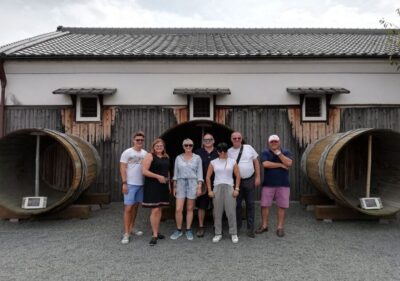
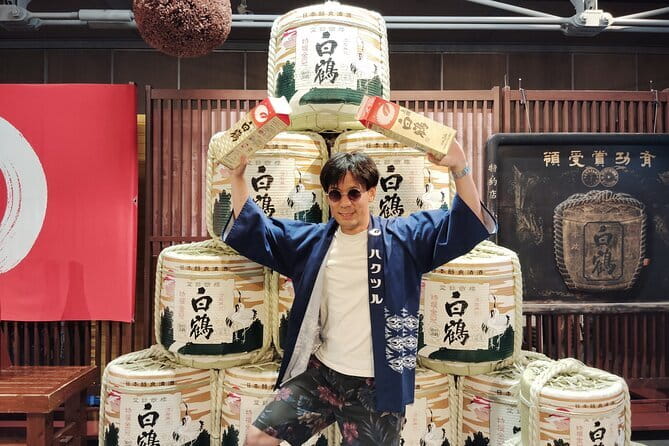
Stop 3: Hakutsuru Sake Brewery Museum and the full historical setup
The final stop is the Hakutsuru Sake Brewery Museum, and it’s a standout because it repurposes an entire brewery into a museum. That difference is more important than it sounds.
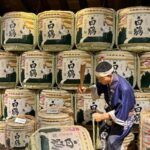
When a whole brewery becomes a museum, you’re seeing scale and layout, not just isolated displays. The tour recreates historical brewing processes using original tools and systems. You get a more “walk through the place where it happened” feeling, which helps you imagine what modern brewing builds on—and what has changed.
This stop also pairs well with the tastings. By the time you arrive here, you’ve already heard about rice treatment and the basics of fermentation and maturation. So the museum setup isn’t just nostalgia—it becomes a visual shortcut to those process steps.
Timing helps too. This is the longest stop at about 1 hour, so you have a better chance to ask questions and take your time compared to the first two locations.
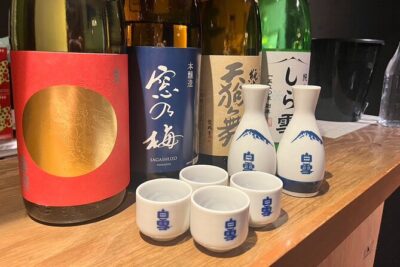
Tastings you can compare: up to 1,000 yen per brewery
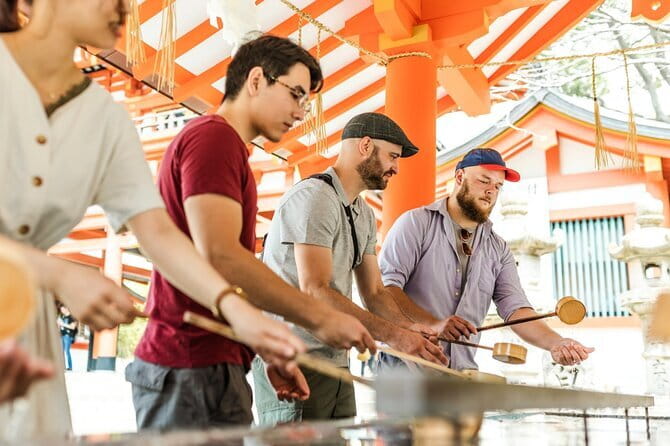
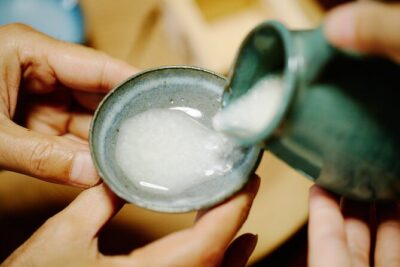
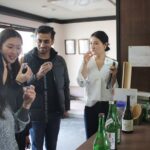
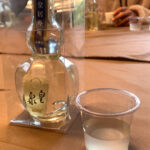
Tasting is part of the deal here. The included alcohol portion allows up to 1,000 yen per brewery for tasting fees. That’s enough to try multiple types rather than doing a single sip-to-check-the-box moment.
For planning your tasting experience, here’s how I’d think about it:
- Use early tastings (like at the ginjo-focused stop) to calibrate what you mean by clean, light, or aromatic.
- Mid-tour tastings help you connect those flavor words to what the guide just explained about rice polishing and fermentation.
- Late tastings (at the Hakutsuru museum stop) feel more grounded because you’ve already built the process mental map.
Important note: alcoholic drinks are served only for travelers 18 and above. If you’re under 18, you should confirm what the tour offers in terms of non-alcohol tasting options, since the data provided only mentions alcohol service rules.
And yes, consider pacing. Three tasting stops in about three hours can feel like a lot if you’re not used to it. The upside is that you’ll learn faster because your brain is actively comparing styles, not saving tasting for later.
How to get the most from the guide (and your questions)
The guide is the glue of this tour. Without fluent explanations, sake tours can feel like you’re translating in your head the whole time.
Here’s what tends to work well:
- Ask broad questions first: what’s the main goal of their style? what should you notice in aroma or finish?
- Then ask one follow-up. You’ll get better answers that way.
- If you’re very inquisitive (and you probably are if you booked this), aim for curiosity that connects to the basics the guide covers: rice polishing, fermentation, maturation, and how those steps connect to the final product.
One review emphasized that a guide named Julien was friendly and willing to teach, which is exactly the vibe you want for a small-group format. You’ll get more from the tour if you’re comfortable speaking up and letting the guide turn explanations into conversation.
Also, keep expectations realistic. If English signage is limited, the guide’s English clarity matters a lot. The best-case scenario is that your guide is clear and patient—so you can ask what you’re wondering without feeling rushed.
Are the three breweries too similar?
This is the fair question to ask. One caution from experience was that the stops can feel somewhat similar, and if your goal is a deep, totally different lesson at every stop, you might wish for more variety.
Here’s how to decide if that’s a problem for you:
- If you want an organized overview of sake production and then real tastings for comparison, three related stops are perfect. You’ll see the same fundamentals taught multiple ways, which helps it stick.
- If you’re chasing highly distinct, technical differences and you want every detail nailed down at each location, you might feel held back by time limits and language limits.
Think of it like tasting three songs from the same genre playlist. You’ll understand the genre better. You might not be blown away by constant reinvention.
Who should book this private Kobe sake tour
This tour fits best if you’re:
- A first-time sake learner who wants a guided pathway through the process
- A food and drink traveler who likes comparing styles, not just collecting stamps
- A small group that values private pacing and conversation
- Someone who enjoys museums and historical setups, since two stops are museum-style learning environments
It’s also a good match for couples or friends who want a structured morning or afternoon activity that ends with a clear place to walk from.
If you’re the type who hates structured schedules, this might feel short on flexibility. But if you like knowing what’s next and why it matters, the timing works.
Should you book this Kobe sake tour?
Book it if you want three breweries in three hours with a guide explaining the “how” behind the “taste,” plus included tastings up to 1,000 yen per brewery. The value is strongest when you factor in that the tour includes guide time and fees, not just a ticket and a couple of sips. It’s also an easy way to see Nada Gogo’s role in Kobe without getting stuck trying to piece together route and context on your own.
Skip it or reconsider if you’re expecting lots of English signage, deep technical Q&A, and radically different experiences at each stop. This is an excellent intro and comparison trip, but it’s not a free-form masterclass where every question gets an immediate deep answer.
If your main goal is learning the basics and tasting with guidance, this tour is a smart, time-efficient choice.
FAQ
How long is the Kobe private sake tour?
It lasts about 3 hours.
How many breweries are visited on the tour?
You visit 3 breweries.
What tastings are included and how much alcohol is covered?
Alcoholic beverages are included for tasting fees up to 1,000 yen per brewery.
Is the tour private?
Yes. It’s a private tour/activity, so only your group participates.
Where do I start and where does the tour end?
You start near Uozaki Station and end at Hakutsuru Sake Brewery Museum.
Is alcohol included for everyone?
Alcoholic drinks are served only to travelers 18 years old and above.