REVIEW · NISHINOMIYA
Nishinomiya: Sake Brewery Tour Near Kobe – Visit 3 Breweries
Book on GetYourGuide →Operated by DeepExperience, Inc. · Bookable on GetYourGuide
Sake starts at a shrine. This tour pairs Nishinomiya’s brewing craft with a quick cultural warm-up before you compare three breweries.
I especially like two things: the sheer variety in the tasting lineup, and how the guide ties the beer-less details of brewing to local life.
One thing to consider: it’s a tight 3-hour loop with multiple alcohol tastings, so you’ll want to pace yourself and not plan anything right after.
In This Review
- Key takeaways before you go
- Nishinomiya’s sake reputation: why this area matters near Kobe
- Meeting at Hanshin Nishinomiya and the walking-friendly route
- Stop 1: Nishinomiya Ebisu Jinja sets the tone for the day
- Hakushika Rokusuien: a fragrant start and a tasting you can actually compare
- A quick practical tip
- Hakutaka: subtle aroma, sharp taste, and the value of “clean”
- Nihon Sakari: learning aromatic sake by tasting it last
- What you’ll learn about brewing: rice, fermentation, and the old-meets-new theme
- How the 3-hour format works (and how to taste smarter)
- Price and value: is $74 for 3 hours worth it?
- Who this tour is best for
- Should you book this Nishinomiya 3-brewery sake tour?
- FAQ
- Where is the meeting point?
- How long is the tour?
- What’s included in the price?
- Which breweries are visited?
- What languages are available?
- Is this tour private or for small groups?
- Where does the tour finish?
- What cancellation options are available?
- Can I reserve without paying right away?
Key takeaways before you go
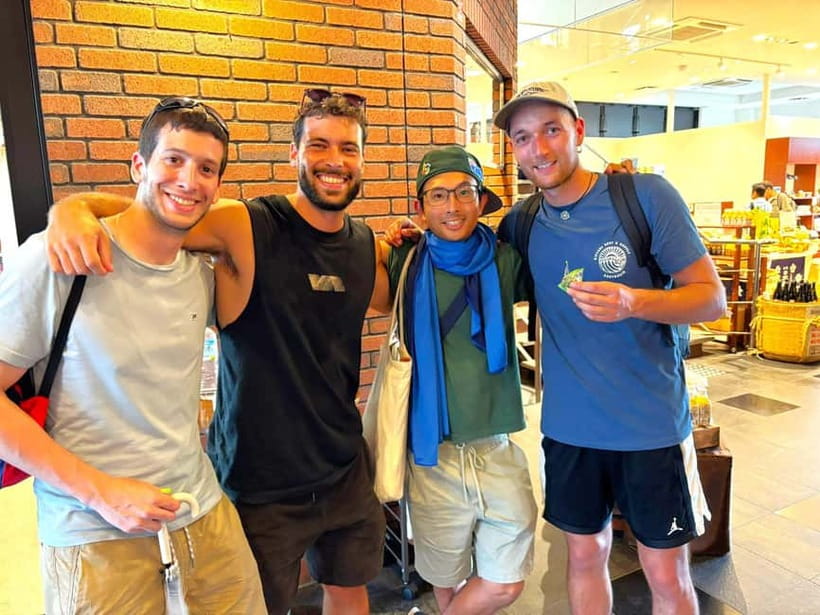
- Three breweries, three personalities: crisp and easy at Hakushika, sharp-clean at Hakutaka, highly aromatic at Nihon Sakari.
- A real comparison tasting: you’ll sample enough styles that you can actually learn what you’re tasting.
- Short, walkable legs: most segments are 5–15 minutes on foot, keeping the tour feeling active.
- Cultural context first: a guided stop at Nishinomiya Jinja (Nishinomiya Ebisu) sets the tone.
- Guides who teach beyond sake: I’ve seen guides like Julien, Aki, and Kaito focus on Japanese culture alongside brewing.
Nishinomiya’s sake reputation: why this area matters near Kobe
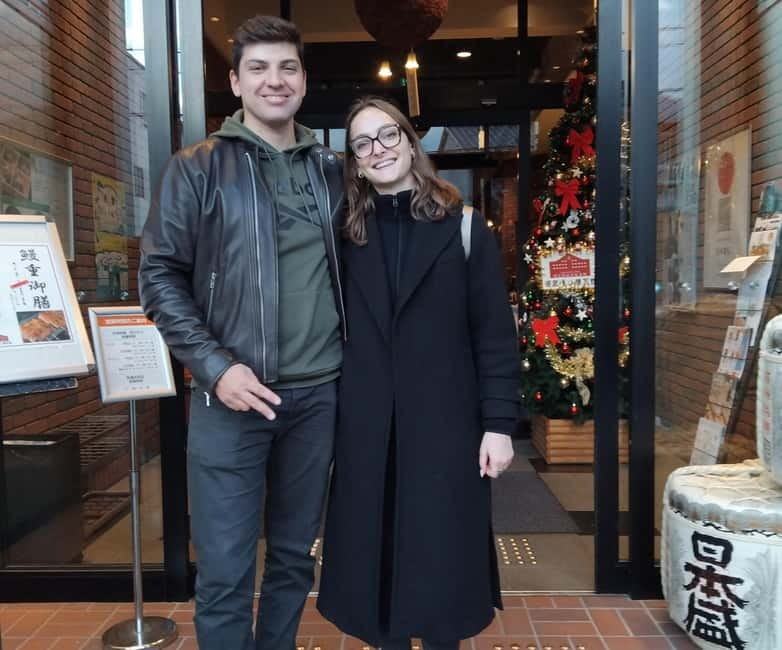
If you’re basing yourself in Kobe, Nishinomiya is a smart detour. It’s known for making sake that’s not just popular, but distinct—different breweries produce different flavor directions even when they share the same region.
What I like about this tour is that it doesn’t treat sake like a single product. Instead, it frames Nishinomiya as a place where tradition meets modern brewing, and then you taste the differences back-to-back.
Meeting at Hanshin Nishinomiya and the walking-friendly route
You meet your guide at the Hanshin Nishinomiya Station at the Ebisu-Guchi ticket gate. The guide holds a yellow sign with the DeepExperience logo, which makes it easy to spot them and start on time.
From there, the walking is reasonable. You’re looking at short hops—around 5 to 15 minutes between stops—so you won’t feel like you’re doing a marathon through industrial streets.
The tour ends at Imazu Station, so it’s convenient if you’re staying somewhere along that side of the rail line. Also, because it’s English or Japanese with private or small groups available, you can usually ask more questions without getting rushed.
Stop 1: Nishinomiya Ebisu Jinja sets the tone for the day
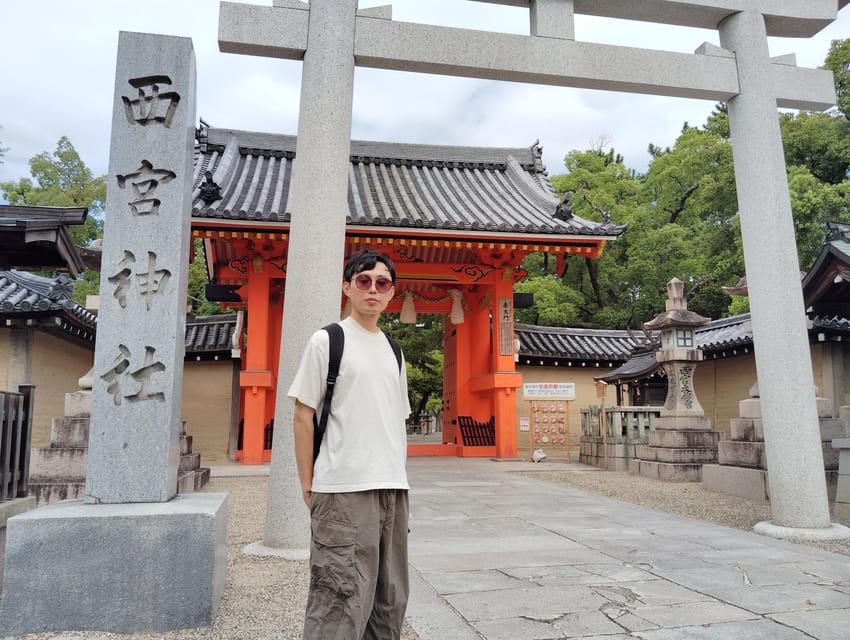
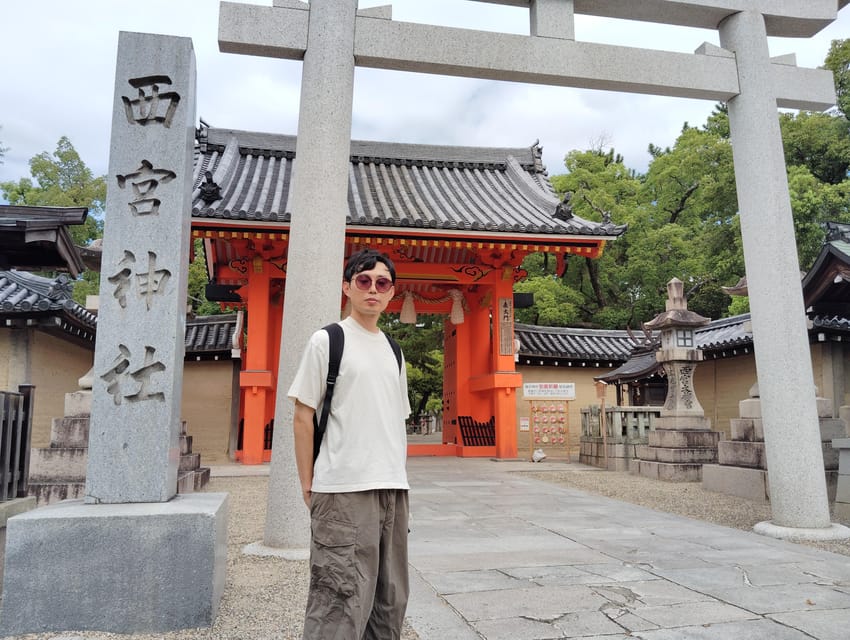
The first guided stop is Nishinomiya Jinja (Nishinomiya Ebisu). You spend about 15 minutes here, which is just enough time to understand why the sake story belongs in this place, not only in a factory.
Ebisu is tied to business luck and prosperity, so the connection to local drinking culture feels natural. What I found useful is that the guide’s explanation doesn’t stay in museum mode; it gives you a lens for what you’ll be hearing later in the breweries.
This is one of the more “Japan” parts of the tour. In reviews, guides like Julien are specifically praised for weaving topics like Ebisu and culture into the sake lesson, not just listing brewing steps.
Hakushika Rokusuien: a fragrant start and a tasting you can actually compare
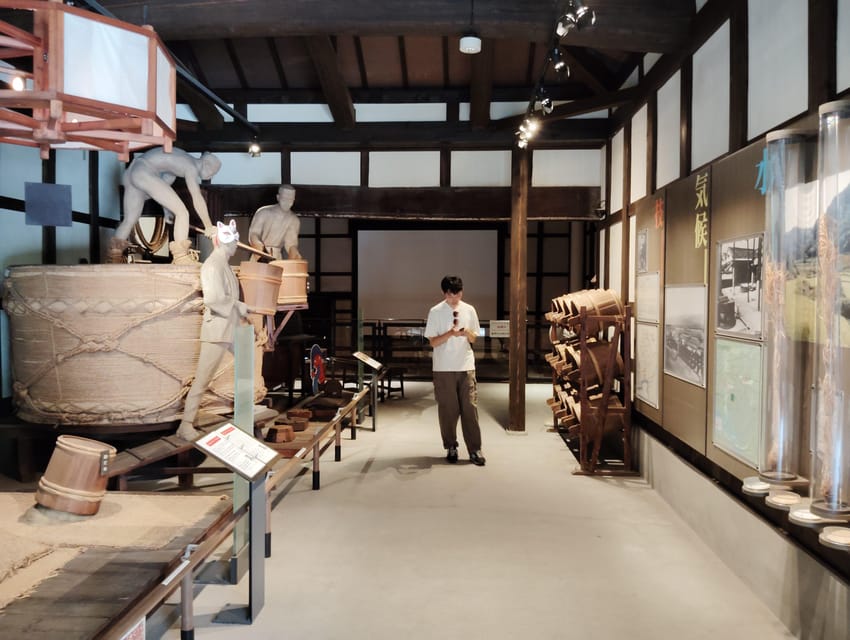
After a short walk, you arrive at 白鷹禄水苑 (Hakushika Rokusuien) for a guided tour and a tasting session. The schedule shows about 20 minutes here, which works because Hakushika is often a good on-ramp.
The style you’re aiming to notice first: Hakushika’s sake is described as fragrant and crisp, and also easy to enjoy. That matters for your tasting strategy—starting with something approachable helps your palate wake up instead of getting confused immediately.
If you’re the type who likes structure, this is where the comparison starts. Early on, your guide should be helping you notice differences in aroma and finish, not just sweetness or strength.
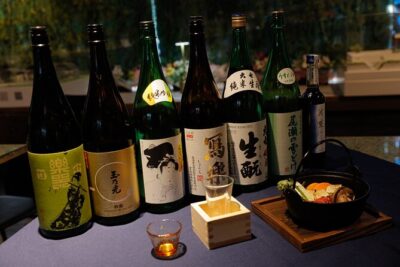
Reviews back this up with detail: one guest noted tastings spanning more than eight types of nihonshu, including junmai and junmai daiginjo. Even if the exact lineup varies, the goal stays the same: you come away with a personal sense of what each category tastes like.
A quick practical tip
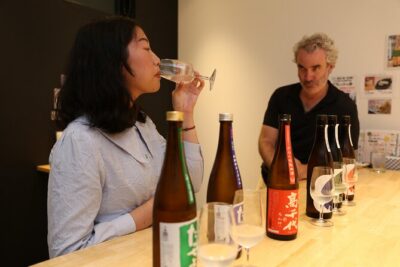
Take small sips and pause between pours. In a multi-brewery format, your ability to compare depends on whether you reset your palate—not whether you drink more.
Hakutaka: subtle aroma, sharp taste, and the value of “clean”
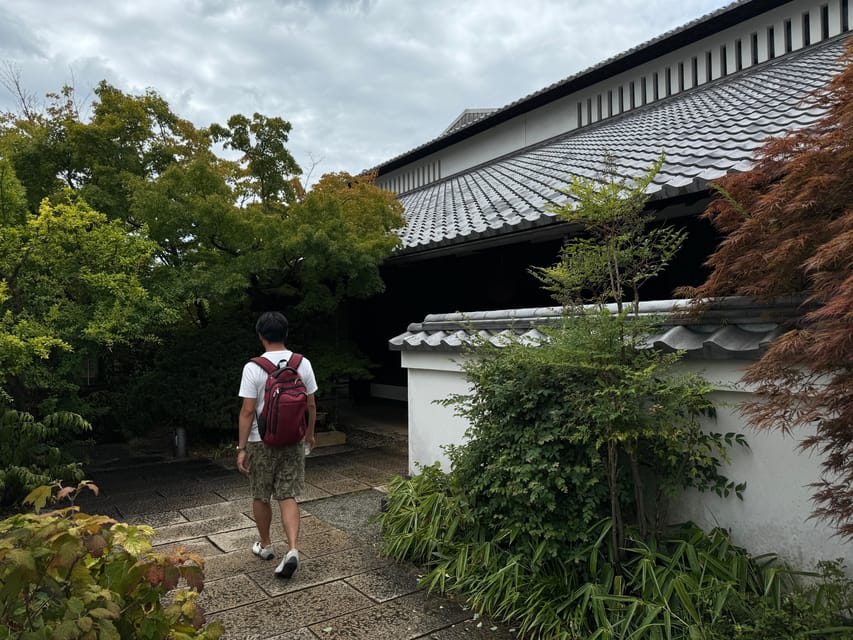
Next you move toward Hakutaka, with a longer guided segment (about 40 minutes) and another tasting session. This is where the tour shifts from introduction to precision.
Hakutaka is described as having subtle aroma but a sharp, clean taste. That description is useful because it tells you what to listen for with your senses: you may not get loud fragrance at first, but the structure and clarity can show up in the way the flavor tightens and finishes.
This stop is the place to ask questions. If you’re wondering how one brewery can create a different personality, your guide is usually the person who can connect the dots—rice handling, fermentation, and the choices that change the final profile.
In one review, the guest experience was strongly shaped by the guide’s passion for manufacturing and the tour’s museum-style learning. That kind of explanation helps you stop seeing sake as a vague drink and start seeing it as a process with outcomes.
Nihon Sakari: learning aromatic sake by tasting it last
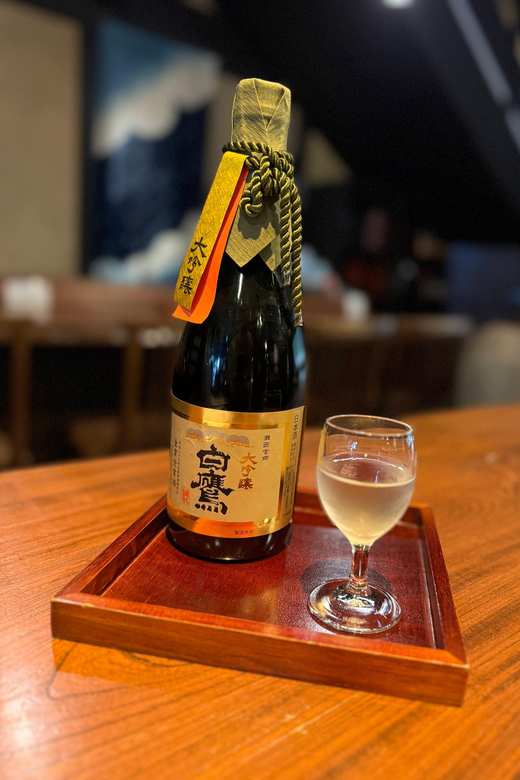
The final brewery stop is Nihon Sakari, followed by another tasting session. The schedule shows a bit of walking (around 15 minutes) between stops, then guided time and tasting, before you head to Imazu Station.
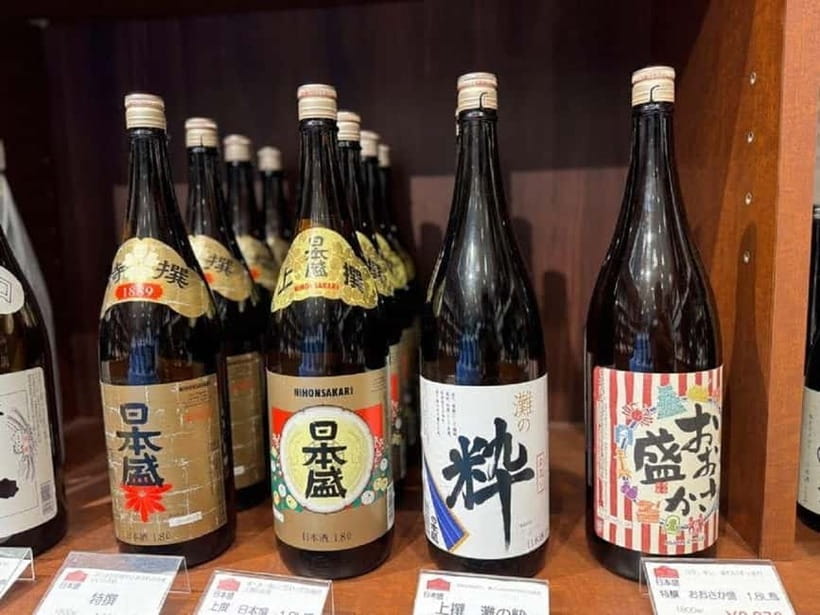
Nihon Sakari is described as having remarkably aromatic sake. Putting it at the end makes sense: if you’ve already built a baseline from Hakushika and Hakutaka, you’ll be better able to recognize how aroma changes the whole experience.
Aromatics are tricky if you rush. If you go in too quickly, you’ll treat it like a one-note perfume. But if you slow down, you can start identifying how aroma carries into flavor and how the finish differs from the earlier styles.
This “three stops, three flavor directions” format is what makes the tour feel more educational than just sampling. You don’t just taste; you compare.
And comparison is also where value shows up. Several guests have described buying bottles afterward—some from the places you visit—because they actually know what they liked and why. That’s a win you only get when the tasting is organized enough to create real preferences.
What you’ll learn about brewing: rice, fermentation, and the old-meets-new theme
Across all three breweries, the tour includes time to look at traditional facilities where ancient techniques meet modern innovation. The guide should also explain key steps, from careful rice selection to fermentation—because that’s where sake character is made.
Even without getting technical, this part matters. When you hear how ingredient choices and brewing controls shape flavor, the tasting stops feeling like guesswork.
I also like that the tour frames Nishinomiya as a major hub for sake traditions. That helps you see why these breweries operate the way they do, and why a region can feel like more than a dot on the map.
How the 3-hour format works (and how to taste smarter)
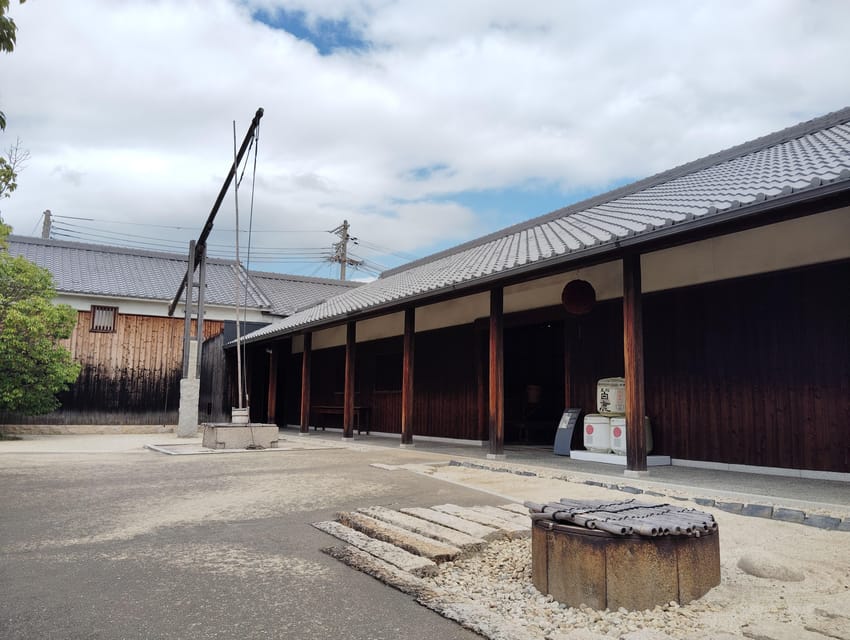
This isn’t a long, slow evening. It’s about 3 hours, built around a sequence of short walks and focused guided visits. That pace is great if you want an active afternoon, but it also means you’ll be tasting multiple styles without a lot of downtime.
Here’s a practical way to enjoy it:
- Pick one word for each tasting (crisp, clean, aromatic, for example).
- Smell first, sip second, and let the finish tell you what it is.
- If you’re offered more categories than you can remember, focus on two you truly like.
In reviews, guests consistently mention the guide making the experience feel personal—especially when the group is just a couple. If you end up in a small group, expect more back-and-forth about what you’re noticing in your glass.
Also, since the schedule includes multiple tasting sessions (the activity text lists wine tasting in several steps), pay attention to how the guide labels each pour. The best outcome happens when you know what you’re tasting and what comparison the guide wants you to make.
Price and value: is $74 for 3 hours worth it?
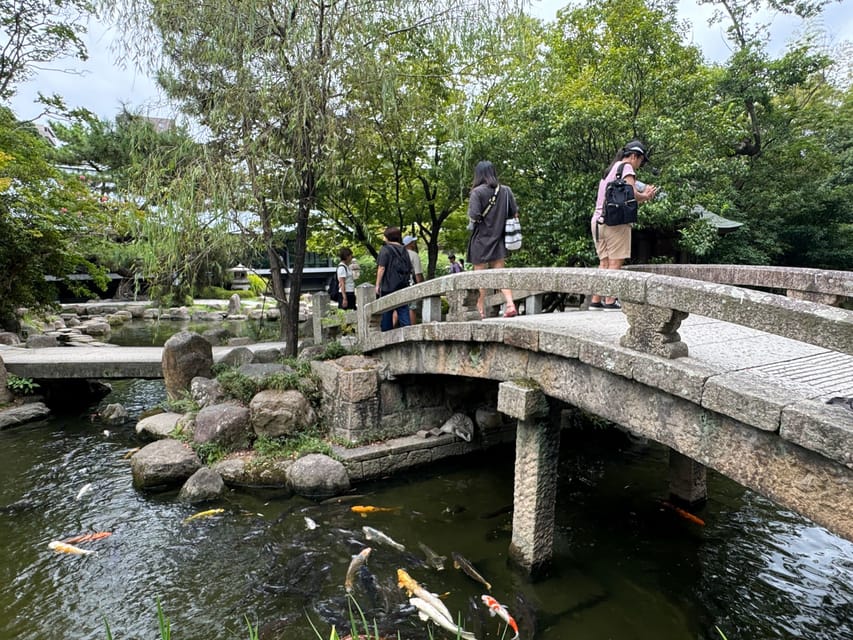
At $74 per person for a 3-hour tour, you’re paying for more than “some drinks.” The price covers the guide fee and the sake tasting fee, which is the big difference between a casual sampling and a structured learning experience.
What makes the value feel strong here is the number of tasting opportunities paired with guided context. You’re also not stuck in one brewery. You’re comparing three different breweries in one session, which means you get better at tasting and you can shop with confidence afterward.
If you care about value, this format pays off because the tour teaches you how to choose bottles later. You’re less likely to buy blindly, since you’ve already learned what style you like.
Who this tour is best for
This is a good fit if you want:
- a compact intro to Nishinomiya’s sake scene near Kobe
- a guided experience that connects sake to local culture, not just production facts
- enough tastings to build real preferences (including styles like junmai and junmai daiginjo, based on guest descriptions)
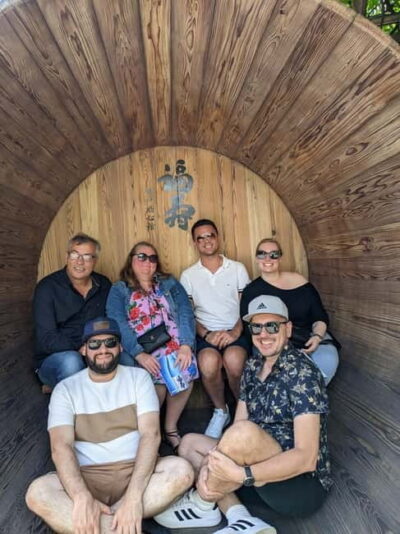
It’s also a solid pick for couples and small groups. Reviews describe a personalized feel when guests had a smaller group size, with the guide tailoring explanations.
If you hate walking or you’re trying to avoid alcohol completely, this may not be for you. The tour is structured around repeated tasting moments.
Should you book this Nishinomiya 3-brewery sake tour?
Book it if you want a practical, comparison-based sake experience in about three hours. The format is built around learning by tasting—Hakushika’s crisp start, Hakutaka’s clean snap, and Nihon Sakari’s aromatic finale—so you don’t leave with just a buzz; you leave with opinions.
I’d skip it if you prefer very slow tastings, or if you’d rather only visit one brewery and go deeper there. This is the opposite style: quick stops, guided contrasts, and a clear tasting goal.
If you like asking questions, this tour tends to reward you. Guides such as Julien, Aki, and Kaito are highlighted for adding culture and context, including the Nishinomiya Ebisu connection, so you get more than sake facts—you get a sense of where the tradition sits in real Japanese life.
FAQ
Where is the meeting point?
Please meet your guide in front of the Hanshin Nishinomiya Station Ebisu-Guchi ticket gate. The guide will be holding a yellow sign with the DeepExperience logo.
How long is the tour?
The tour lasts 3 hours.
What’s included in the price?
The price includes the guide fee and the sake tasting fee.
Which breweries are visited?
You’ll visit three breweries in Nishinomiya: Hakushika, Hakutaka, and Nihon Sakari.
What languages are available?
The live guide is available in English and Japanese.
Is this tour private or for small groups?
Yes. Private or small groups are available.
Where does the tour finish?
The tour finishes at Imazu Station.
What cancellation options are available?
Free cancellation is available up to 24 hours in advance for a full refund.
Can I reserve without paying right away?
Yes. You can reserve now and pay later.