REVIEW · TOKYO
Tokyo Night Cooking Class: 5 Home-Cooked Japanese Dishes
Book on Viator →Operated by MagicalTrip Inc. · Bookable on Viator
A Tokyo night cooking class beats the usual dinner plan. You learn classic izakaya comfort food, then eat what you make, not just watch. I love that the evening is built around a full multi-course lineup and that the guides (like Alice and Fuji) explain steps clearly enough to cook at home. One thing to consider: knife and heat work are only allowed for ages 12 and up, so younger cooks may have limited hands-on roles.
This is also a good match for people who like a social meal, not a quiet museum-style food tour. I like the small group size (up to 7) because you actually get time to ask questions while you’re cooking. The main drawback is the diet limits: it’s vegetarian-friendly, but it’s not available for vegan or gluten-free diets, and allergy-free cooking can’t be guaranteed.
In This Review
- Key highlights that make this class worth your time
- Tokyo Izakaya cooking at night: why this feels different from a regular meal
- Price and value: $79.28 for dinner, ingredients, and real drink pairing
- Before you start: meeting point, timing, and the 3-hour rhythm
- Ingredient shopping: seeing the choices before you cook
- Cooking five izakaya dishes: how the lesson actually builds skills
- Diet changes you should plan for
- Knives, heat, and ages: who can do the hands-on parts
- Drinks and sake tasting: how the night stays fun, not just instructional
- What you eat: full meal, not “snacks for class”
- Photos and the “cook it again at home” payoff
- Where this class shines (and where it may not fit)
- Summer note: keep your evening comfortable
- Should you book? The quick decision checklist
- FAQ
- How long is the Tokyo night cooking class?
- What time does it start?
- What’s included in the price?
- Are alcohol and sake included?
- Is the class suitable for vegetarians?
- Can vegans or gluten-free participants join?
- How many people are in the group?
- Can children participate in the cooking?
Key highlights that make this class worth your time
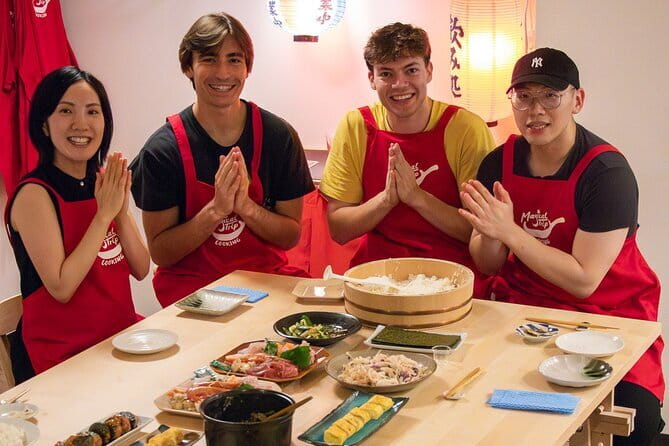
- 5 home-cooked dishes that locals actually order in izakayas, then you eat the whole menu
- Ingredient shopping included, so you see what you’re cooking before the first chop
- Drinks during the meal, with 3 cans of alcoholic or soft drinks included (alcohol only for age 20+)
- Guide-led, step-by-step cooking, with names like Alice and Fuji coming up again and again in the reviews
- Small group setup with a max of 7 people, which keeps the pace friendly
Tokyo Izakaya cooking at night: why this feels different from a regular meal
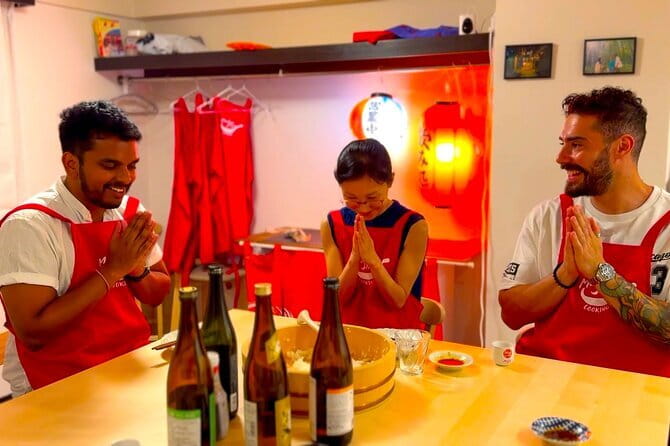
Tokyo at night has a rhythm. People snack, sip, talk, and graze through a bunch of small plates. This class borrows that nomikai vibe and puts you in the center of it, with cooking that doubles as dinner.
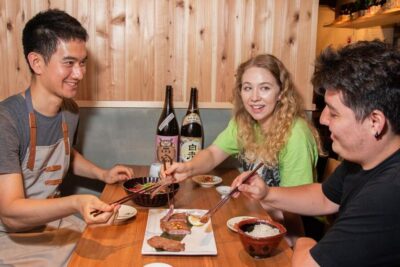
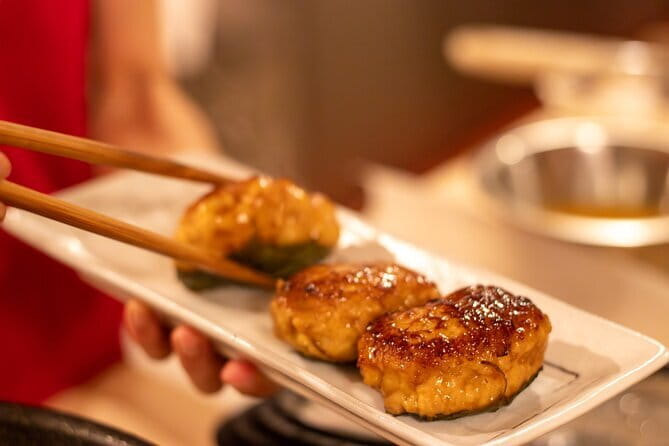
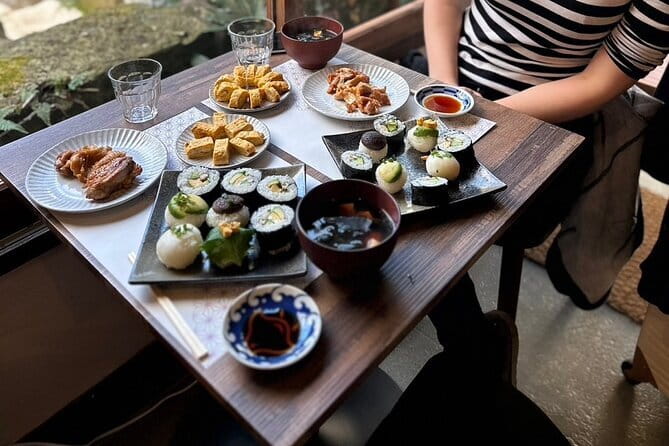
Instead of choosing one dish at a restaurant and calling it a night, you build a full set of izakaya-style food. Expect classics that you can recognize on Japanese menus: hand-rolled sushi, chicken balls with shiso leaves, eggplant with miso sauce, plus dishes like teriyaki chicken and a Japanese omelette. The best part is that you’re not stuck with a “tourist version.” You learn the real flavor logic behind the food—seasoning, textures, and timing—so the results make sense.
Two things make this stand out from other food classes: the guides are big on practical steps, and the evening is designed for eating what you cook. Reviews highlight the feeling of family and fun and mention guides like Alice and Fuji by name for clear instruction. That matters, because the only cooking class worth your money is the one where you leave feeling you could repeat most of it at home.
You can also read our reviews of more tours and experiences in Tokyo.


Price and value: $79.28 for dinner, ingredients, and real drink pairing
At $79.28 per person for about 3 hours, this isn’t a cheap activity. But the value math works if you compare it to what you’d pay to do the same things separately.
You’re paying for:
- a guided cooking session,
- ingredients for the menu,
- dinner (you eat everything you make),
- tour photos,
- and 3 cans of alcoholic or soft drinks (like sake or beer options).
Cooking classes in Tokyo can vary wildly, and the price jumps when you add hands-on teaching plus a full meal. Here, the cost is bundled into one evening, and you’re not paying again for food and drinks. If you planned to dine out and have drinks anyway, this can feel like dinner plus a skill you keep.
Before you start: meeting point, timing, and the 3-hour rhythm
The class starts at 5:30 pm in Taito City, at Japan, 110-0004 Tokyo, Taito City, Shitaya, 2-chōme—next to a FamilyMart (Shitaya). The activity ends back at the meeting point.
Why the timing matters: a 5:30 start puts you right in that pre-night-dinner window when markets and convenience stops are easy to navigate, and when the city is still in “let’s go out” mode. The overall duration is around 3 hours, so you get enough time to shop, cook, and sit down to eat—without feeling like your evening is gone all night.
Also note the small-group limit: there can be other participants, but the total is capped at 7. That tends to keep the lesson moving at a human pace, which is a big deal in a hands-on class.
Ingredient shopping: seeing the choices before you cook
One of the smartest parts of this experience is that the night doesn’t begin in a kitchen. You get a shopping experience first—part of the included package.
This does two practical things:
- It turns cooking into decision-making, not just following steps.
- It helps you understand ingredients in a Japanese context: what to look for, what makes a difference, and how certain flavor components work together.
In the reviews, people point out that choosing ingredients at the supermarket is a memorable moment. I agree with that logic. When you know what you picked and why, you’re more likely to recreate the dishes later.
Cooking five izakaya dishes: how the lesson actually builds skills
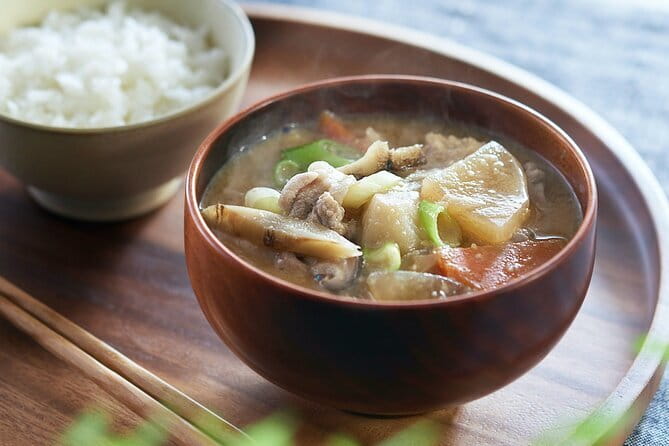
The menu can vary depending on dietary needs, but the structure is consistent: you cook a multi-course lineup of classic izakaya dishes. The standard experience is 5 dishes, and you eat what you make.
Some dish examples you can expect during the session include:
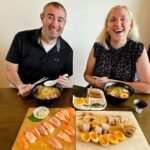
- Hand-rolled sushi (great for learning basic rolling technique and seasoning balance)
- Chicken balls with shiso leaves (herb use and flavor layering)
- Eggplant with miso sauce (umami and texture work)
- Teriyaki chicken (sweet-salty sauce control)
- Japanese omelette (learning gentle cooking and flavor seasoning)
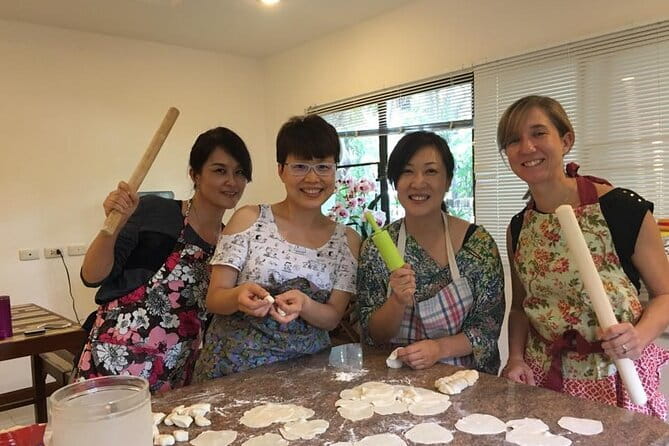
The guides like Alice and Fuji are praised for explaining each step clearly. That’s important because Japanese cooking can look simple and still punish you for rushing. Watching how heat affects sauce thickness or how to handle delicate components makes a difference.
Diet changes you should plan for
If you’re vegetarian, you’re welcome—the class arranges ingredients and adjusts the cooking process.
If you can’t eat meat and eggs, the menu drops from 5 to 3 dishes. If you can eat meat but not eggs, it drops from 5 to 4. If you’re vegan and gluten-free, this specific class isn’t available, so you’ll need a different option.
One more reality check: the kitchens aren’t part of MagicalTrip, and the tour can’t guarantee allergy-free cooking. Substitutions might not always be possible at every stop, though the team will make an effort to compensate at other points during the evening. If you have serious allergies, treat this as something you should message in advance with the operator.
Knives, heat, and ages: who can do the hands-on parts
This class is open to people aged 6 and above, but with a safety rule: steps involving knives and heat are only permitted for those aged 12 and over, under a parent or guardian’s supervision.
For families, that’s good to know. A kids’ playroom is available, which helps if you’re bringing younger children who aren’t participating in the hot-seat kitchen action.
Drinks and sake tasting: how the night stays fun, not just instructional
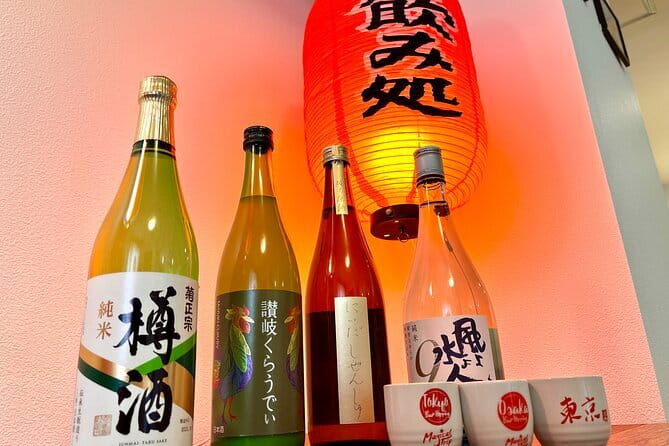
This isn’t a dry cooking lesson. It’s designed around Japanese nomikai culture—the pairing of food and drinks in a relaxed setting.
Included with your class are 3 cans of alcoholic or soft drinks. Sake and alcoholic beverages are only available to guests aged 20 and over, based on Japanese law.
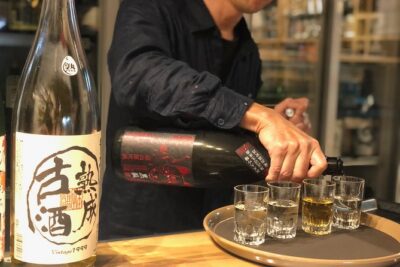
You’ll also have a chance to try different sake, beer, or similar options during cooking and dinner time. For you, the practical value is that you’re learning how flavors work when you’re actually eating. Sweet, salty, savory, and fermented flavors land differently with a drink in hand. If you’re the type who wants to understand Japanese food beyond the recipe card, this part matters.
What you eat: full meal, not “snacks for class”
The promise is clear: you make multiple dishes, and then you eat your creations. No hunger pangs. That matters because some classes leave you stuffed in the middle and starving at the end. Here, the dinner component is built in.
Because it’s an izakaya-style lineup, you’ll likely have a mix of:
- savory fried or sauced items,
- miso-based flavors,
- fresh herb notes like shiso,
- and lighter bites like rolled sushi.
You’ll leave with the satisfaction of a proper meal and the confidence of knowing how to produce multiple flavors, not just one.
Photos and the “cook it again at home” payoff
Tour photos are included, which is handy because you’ll want pictures of the food you made (and also because cooking can get messy fast).
More importantly, the instruction is geared toward recipes you can reproduce. Reviews praise how easy the recipes feel and how well the guides explain the process. When a class teaches you how to cook, not just what to cook, it becomes a memory with replay value.
If you’re traveling with friends or a partner, this is also one of those activities you can turn into a party story later: you’ll have dishes you can actually discuss in detail.
Where this class shines (and where it may not fit)
This is a strong pick if you:
- want a hands-on Tokyo experience at night,
- enjoy izakaya food styles more than fancy set menus,
- like sake and want an alcohol-and-food angle (20+),
- and want small-group cooking rather than a big group demo.
It may not fit you if:
- you need a vegan or gluten-free menu (not available),
- you have mobility issues that make kitchen movement difficult,
- you need strict allergy-free guarantees,
- or you’re planning to bring kids who will be actively cooking with knives or heat (12+ rule).
Summer note: keep your evening comfortable
Tokyo summer can be hot and humid, so bring water and consider wearing a hat to help prevent heat issues. Even if you’re cooking indoors at points, the walk between stops and waiting time can still add up.
Should you book? The quick decision checklist
Book this cooking class if you want a fun, social Tokyo night where you:
- cook 5 home-style izakaya dishes,
- eat a real dinner you made yourself,
- and enjoy drinks with your food, including sake tasting chances for adults.
Skip or look for an alternative if you’re vegan or gluten-free, need allergy-safe preparation guarantees, or you or a key person in your group can’t handle the basic movement and kitchen safety rules.
If you’re on the fence, think like this: $79.28 is easiest to justify when you would otherwise spend that evening on dinner plus drinks. Add in the fact that you leave with recipes and skill, and it’s a strong use of a Tokyo night.
FAQ
How long is the Tokyo night cooking class?
It runs for about 3 hours.
What time does it start?
The start time is 5:30 pm.
What’s included in the price?
You get the cooking experience and dinner, ingredients, tour photos, a certified guide by MagicalTrip, a shopping experience, and 3 cans of alcoholic or soft drinks.
Are alcohol and sake included?
Alcoholic drinks are included as part of the 3 cans, and sake tasting is available only to guests aged 20 and over.
Is the class suitable for vegetarians?
Yes. Vegetarian participants are welcome, and the team arranges ingredients and the cooking process.
Can vegans or gluten-free participants join?
No. The class is not available for people who are vegan and gluten-free.
How many people are in the group?
The class has a maximum of 7 travelers (with the possibility of other participants).
Can children participate in the cooking?
The class is open to ages 6 and up, but steps involving knives and heat are only allowed for those aged 12 and over, with parent or guardian supervision. A kids’ playroom is available.