REVIEW · TOKYO
Mt FUJI – Panoramic Tour w/ Hoto Lunch, JP Sake & Onsen tatto OK!
Book on Viator →Operated by VAS · Bookable on Viator
Mount Fuji shows up, then steals the show. This small-group day trip strings together classic viewpoints with a few off-the-book moments, plus sake tasting and time to soak in an onsen. I like that you get real conversation with the guide, not just a headset script, and I like the way the stops build from first sight of the mountain to the lake views and back out again. One drawback to plan for: you’re dependent on weather, so if clouds roll in you may get fewer clear summit views.
What makes it work is the human touch. Guides like Yayoi-san and Keiko-san are patient with questions and seem to adjust the day to the group, while Ramesh and driver Kwon-san are the kind of combo that keeps things smooth and comfortable. The tradeoff is also time: it’s a long day with a lot of driving, so if you hate being in a vehicle for hours, this route might feel like too much.
Key points to know before you go
- Small group (max 8) means more Q&A and less rushing than big bus tours
- Photo spots in sequence help you see Fuji from fresh angles, not repeat views
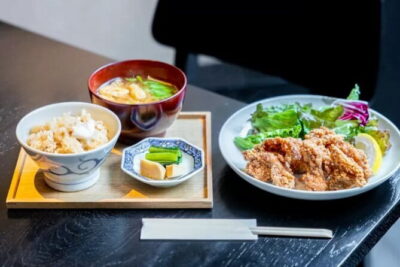
- Hoto lunch + local snacks give you a real regional food day
- Onsen stop at elevation aims for skyline views even if the light is tricky
- Sake tasting at Sasaichi Shuzo Shuyukan includes samples of local products
- Optional extras like kimono and tea can add cost, so plan your budget early
In This Review
- Why This Mt Fuji Panoramic Day Trip Beats a Big Bus
- Shinjuku Morning Start and the Reality of a 10-Hour Day
- The Morning View: Nishikatsura-cho to Fujiyoshida
- Arakura Fuji Sengen Shrine: The Iconic Climb You’ll Remember
- Saiko Iyashi-no-Sato Nemba Village and Optional Kimono Cost
- Kanadorii Torii Gate and Oishi Park by Lake Kawaguchiko
- Hottarakashi Onsen: Soaking With Fuji in View
- Misaka Pass Lunch Break: Where Hoto Gets Served
- Dangozaka Service Area Breads: Quick Fuel When Breakfast Is Far Away
- Sasaichi Shuzo Shuyukan Sake Distillery: Sampling the Real Stuff
- How the Day Feels on the Road: Comfort, Transit, and Pace
- Price and Value: Is $172 Worth It?
- Who This Tour Suits (and Who Should Think Twice)
- Should You Book This Mt Fuji Panoramic Tour?
- FAQ
- Where does the tour start and end?
- What time does the Mt Fuji tour start?
- How long is the tour?
- What is the group size limit?
- Is lunch included?
- Do I need to pay extra for the onsen?
- Is kimono included?
- How does the tour handle Mt Fuji being hidden by clouds?
Why This Mt Fuji Panoramic Day Trip Beats a Big Bus
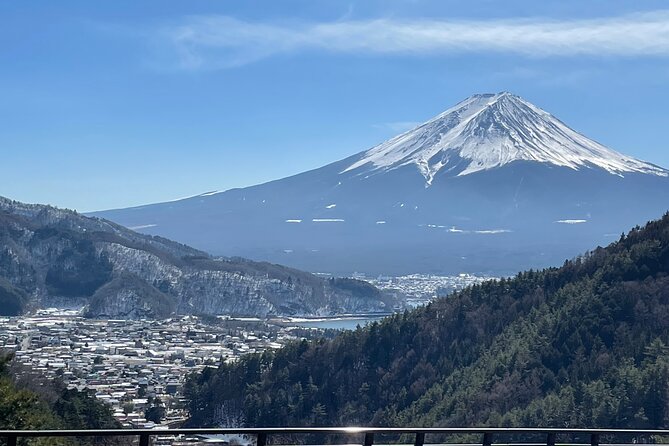
This tour is built for people who care about seeing Mount Fuji in more than one way. The group size caps at 8, which is a big deal when the day includes viewpoints with walking and a few climb-and-stairs moments. You’re not fighting for position, and you’re more likely to get clear answers about what you’re seeing and why certain spots are famous.
I also like the pacing logic. The day is a mix of short stops for photos and longer blocks where you can actually look around. That matters because Mt Fuji viewing is partly about angles and partly about patience—when you only have minutes, you end up taking pictures instead of enjoying the scene.
Shinjuku Morning Start and the Reality of a 10-Hour Day
You start at 7:30 am at Shinjuku Post Office, then you’re back at that same meeting point. Expect about 10 hours total, with roughly 3.5 hours of transit because the route covers over 400 kilometers round trip. That’s a long stretch, but it’s also part of why the day can reach multiple viewpoints and still include lunch, snacks, sake, and an onsen.
The vehicle is air-conditioned, and since you’re on a guided schedule, you can use the ride time well: rest, scroll, or ask questions before you reach the next viewpoint. If you like having your day handled but still want flexibility through conversation, this is a solid setup.
You can also read our reviews of more tours and experiences in Tokyo.


The Morning View: Nishikatsura-cho to Fujiyoshida
You begin with a first, early glimpse at Nishikatsura-cho—about 20 minutes where you can frame Fuji right away. This matters because the mountain sets the mood for the rest of the day. Even if you don’t get a perfect view, you’re starting with orientation instead of guessing where to stand later.
Next comes Fujiyoshida for another 20-minute stop with a different town-and-mountain contrast. This is also where you should plan on Japanese confectionaries, a nice warm-up before you start doing more walking. It’s a short window, but it’s a smart way to ease into the day so you’re not exhausted by the time the iconic shrines show up.
Arakura Fuji Sengen Shrine: The Iconic Climb You’ll Remember
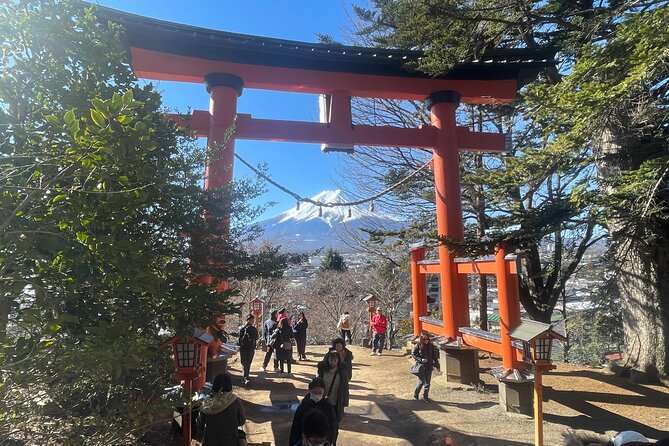
At Arakura Fuji Sengen Shrine, you get around 50 minutes, and it’s one of the most recognizable postcard scenes in the area. You’re not just sightseeing from the edge—you actually climb as part of the visit. That means you’ll want comfortable shoes and a little stamina. The good news: because this is a known Fuji photo spot, guides can help you understand where to stand depending on light and weather.
If clouds show up, this kind of stop can still be worth it because you’re experiencing the pilgrimage vibe and shrine setting, not only hunting for a clear summit. If the sky cooperates, it’s the stop that usually feels like the whole trip crystallizes into one image.
Saiko Iyashi-no-Sato Nemba Village and Optional Kimono Cost
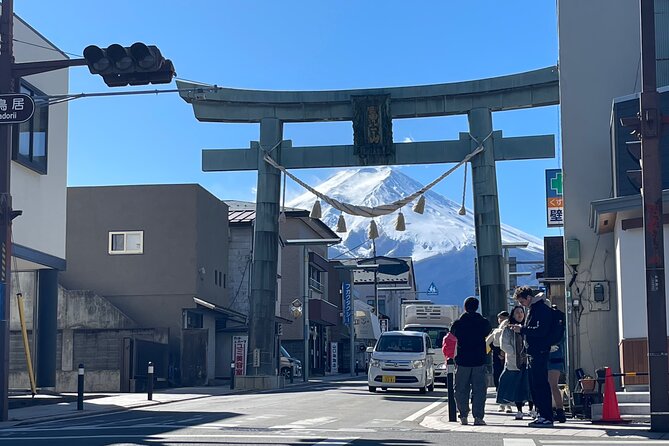
After Arakura, the day shifts into a more old-Japan feel at Saiko Iyashi-no-Sato Nemba (a traditional village). You get about 40 minutes, and Mount Fuji viewing here is framed through an older village setting—great if you like scenery that looks lived-in, not just scenic.
There’s also a kimono option here, but it’s optional and costs extra. If you want to dress up, factor in that you may pay around ¥2,500 per person for the kimono experience. My practical advice: don’t assume you can switch plans at the last second. If you’re hoping for a specific outfit style, confirm with your guide what’s actually available in advance so you don’t lose time standing around.
Kanadorii Torii Gate and Oishi Park by Lake Kawaguchiko
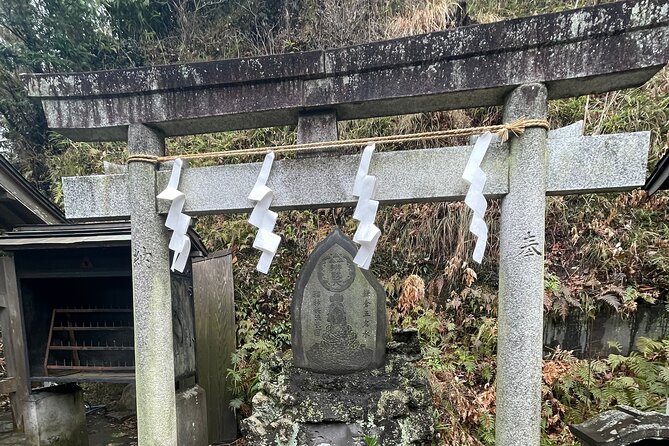
Kanadorii is quick—about 15 minutes—but it’s a classic visual marker at the base area, with torii gates that hint at the spiritual pull of Fuji. Think of it as a pause point: enough time to step into the scene, take photos, and reset your legs for the next stop.
Then you reach Oishi Park for around 20 minutes, where the focus shifts to Fuji with Lake Kawaguchiko in the background. This is the kind of stop where you’ll see why people return to this region again and again: the lake adds depth and a calmer frame than the town streets. If you got strong views earlier, this one can look even better because the setting feels more open.


Hottarakashi Onsen: Soaking With Fuji in View
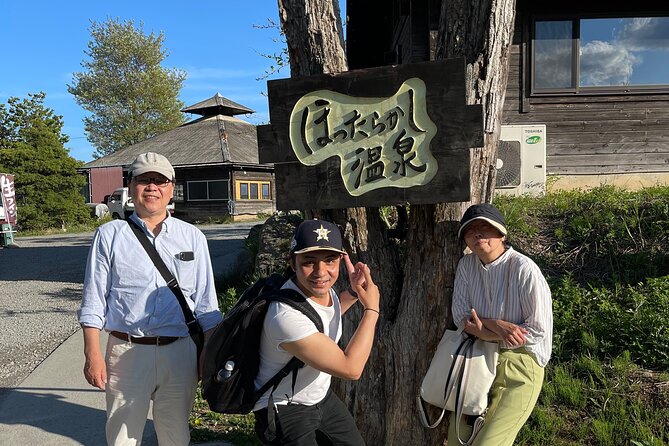
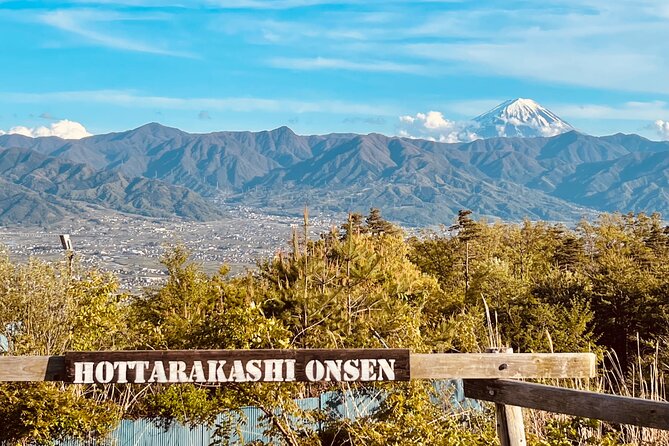
The onsen stop at Hottarakashi Onsen is about 50 minutes, which is long enough to actually relax instead of just dipping in and out. This is one of the most memorable parts for many people because you’re at elevation, and you get that onsen rhythm of quiet and heat between sightseeing stops.
About the cost: the tour includes an onsen stop, but the price details also note an optional ¥900 onsen fee. In real life, that means you should expect that some portion related to the onsen experience may be paid by you on-site. Bring cash if you can, and if you’re not sure, ask your guide early so you can plan.
Clouds matter here too. If Fuji is hidden from the view, you’re still getting the onsen break, but the scenic payoff drops. I’d still do the soak. It’s the kind of reset that makes the rest of the day feel less exhausting.
Misaka Pass Lunch Break: Where Hoto Gets Served
At Misaka Pass you get about 1 hour 10 minutes, plus your hoto lunch. This longer block is useful because it’s one of the few times you’re not racing through the next photo point. You’re also high enough to feel like the day has moved into a different world than central Tokyo.
If you’re picky about food, this is where you’ll want to be realistic. One review feedback I’d take seriously is that lunch can land differently for different tastes. Still, the value is that you’re eating local regional food in a mountain pass setting instead of grabbing something generic on a roadside stop.
Dangozaka Service Area Breads: Quick Fuel When Breakfast Is Far Away
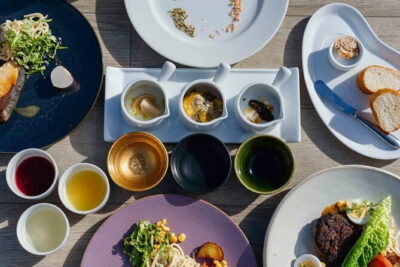
Sometimes breakfast is long gone by the time you reach Dangozaka Service Area (Inbound). This stop is around 20 minutes, and it’s a practical chance to grab local breads if you didn’t eat enough earlier. It’s not a sightseeing highlight, but it’s exactly the kind of small timing win that makes the rest of the day more comfortable, especially when your schedule is full.
Sasaichi Shuzo Shuyukan Sake Distillery: Sampling the Real Stuff
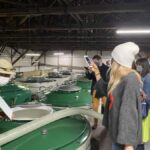
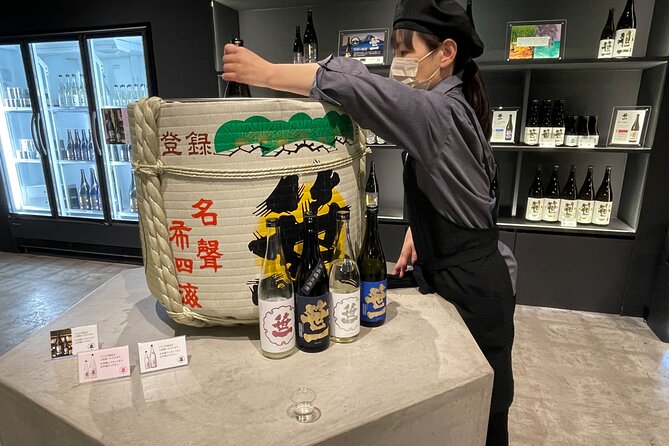
Next is Sasaichi Shuzo Shuyukan, roughly 45 minutes, and it’s one of the most culture-forward stops. You get to visit a sake distillery and sample local products, including a virgin sake sample and other liquored items made locally. It also has a visitor area that can feel more like a mini museum than a quick tasting counter, which helps the stop feel meaningful instead of rushed.
This is also a great moment for questions. A good guide can explain what you’re tasting and how local production differs from what you see in convenience-store sake. If you like food tours where you learn while you eat, this stop is a strong anchor for the whole day.
How the Day Feels on the Road: Comfort, Transit, and Pace
With about 3.5 hours of transit, you should expect long stretches in the vehicle. The good part is that the tour is set up so transit doesn’t feel wasted: you can nap, surf the internet, and ask questions while you’re moving. Also, since the group is small, there’s less friction around meeting times and photo regrouping.
The route covers a lot of ground, but you’re not bouncing endlessly between random pull-offs. The focus is on a sequence of Fuji viewing angles: early first sight, town-and-mountain contrast, shrine views, village framing, torii gate cues, lake panoramas, then the onsen break and the high-pass lunch.
Price and Value: Is $172 Worth It?
At $172 per person, the value depends on what you personally want from the day. Included basics are lunch, parking fees, and an air-conditioned vehicle. That’s already meaningful because it saves you from paying for a lot of logistics yourself when you’re doing a multi-stop Fuji day from Tokyo.
Where the price can change in your mind is on the optional add-ons. The details list extra costs for:
- Onsen (optional ¥900 per person)
- Tea experience (optional ¥500 per person)
- Kimono experience (optional ¥2,500 per person)
So if you do just the core tour (views, hoto lunch, sake tasting, and the onsen component), you’re getting a full day of structured sightseeing without having to drive or coordinate. If you add kimono and tea, your total goes up fast. My advice: decide early what matters most to you—if your priority is photos and comfort, you can skip the clothing extras and still get a complete day.
Who This Tour Suits (and Who Should Think Twice)
This is a strong fit for you if you:
- Want a small-group Mt Fuji day where you can ask questions
- Like a sequence of viewpoints, not just one photo spot
- Enjoy food experiences like hoto lunch and a sake tasting
- Are okay with moderate walking for the shrine stop
It may not be the best fit if you:
- Hate long transit days (this is about 10 hours and includes lots of road time)
- Want total independence without a schedule
- Have zero tolerance for stairs and uphill climbs (the shrine experience involves climbing)
If you’re traveling solo, the small group setup can feel especially comfortable. If you’re traveling with friends, it can still be fun because everyone gets room to talk, and you can compare photo angles right after each stop.
Should You Book This Mt Fuji Panoramic Tour?
If your goal is a full-feeling Fuji day—views, local food, sake, and an onsen break—then yes, this one deserves your attention. The small group size is the big reason to choose it. It’s not trying to cram in every possible stop; it’s trying to hit the best angles while keeping the day human.
Book it if you’re willing to go with the weather reality. The experience depends on good conditions for the best mountain views. If clouds roll in, you can still get value from the shrine atmosphere, lake scenery angles where available, the distillery visit, the hoto lunch, and the onsen reset. And if you want the kimono or tea experiences, plan for the extra costs instead of treating them like freebies.
FAQ
Where does the tour start and end?
It starts at Shinjuku Post Office (1-chōme-8-8 Nishishinjuku, Shinjuku City, Tokyo) and ends back at the same meeting point.
What time does the Mt Fuji tour start?
The start time is 7:30 am.
How long is the tour?
The duration is approximately 10 hours.
What is the group size limit?
The tour has a maximum of 8 travelers.
Is lunch included?
Yes, lunch is included.
Do I need to pay extra for the onsen?
The tour includes an onsen stop, but there is also an optional onsen fee listed as ¥900 per person. Plan for possible extra payment related to the onsen.
Is kimono included?
No, the kimono experience is listed as optional and costs ¥2,500 per person.
How does the tour handle Mt Fuji being hidden by clouds?
This experience requires good weather. If it’s canceled due to poor weather, you’ll be offered a different date or a full refund.