REVIEW · TOKYO
Tokyo Washoku 4-hour Cooking Class: From Market to Table
Book on Viator →Operated by MagicalTrip Inc. · Bookable on Viator
Market to meal, with real Tokyo know-how. This 4-hour Washoku class takes you from a local supermarket near Iriya Station to a cooking studio, where you learn to pick ingredients, practice hands-on techniques, and eat what you make. It’s a small-group format (up to 7 people), so you’re not just watching from the sidelines.
I like the way the lesson starts with shopping: you learn how to choose items properly instead of guessing at Japanese labels. I also like getting recipes you can take home, plus structured help with knife skills and cooking methods so you can actually repeat the dishes later.
One thing to consider: if you have serious allergies, the class can’t guarantee allergy-free cooking. You’ll need to share dietary needs at least one day in advance, and substitutions may not always be possible.
In This Review
- Quick Hits: What Makes This Class Feel Different
- From FamilyMart Start to Real Tokyo Shopping
- How the Supermarket Lesson Makes You a Better Cook
- Knife Skills in a Real Cooking Studio Setting
- The Cooking Plan: Four Classic Dishes You’ll Actually Eat
- Makisushi (Rolled Sushi)
- Miso Soup
- Dashimaki Tamago (Rolled Omelet)
- Nasu Dengaku (Grilled Eggplant Skewers)
- Eating Together: Sake and Beer Pairings at the Table
- Guides You Might Get, and What to Expect From Their Teaching Style
- Timing, Weather, and Staying Comfortable in Tokyo
- Price and Value: What $79.59 Buys You
- Dietary Needs: What’s Supported and What You Should Plan For
- Is It Worth It for You? Who Should Book
- Should You Book Tokyo Washoku: From Market to Table?
- FAQ
- How long is the Tokyo Washoku cooking class?
- Where does the class start and end?
- What dishes will I cook?
- Do I get recipes to take home?
- Is the class vegan or vegetarian friendly?
- Are alcohol pairings included?
- What happens if I’m late to the start time?
Quick Hits: What Makes This Class Feel Different
- Supermarket-first format: you learn ingredient selection before heat hits the pan
- Hands-on knife and cooking techniques: practical cuts and methods, not just instructions
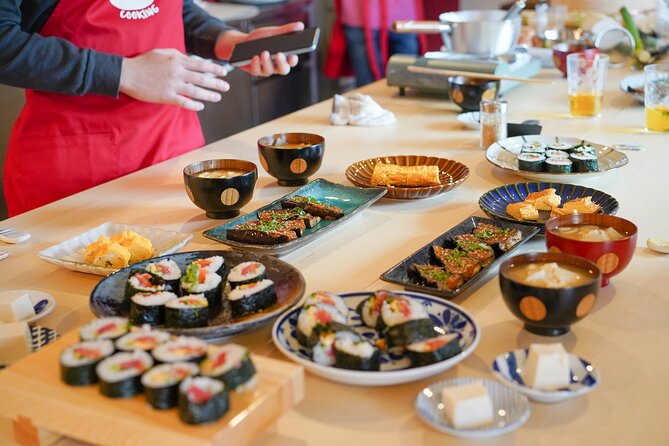
- A real set of classic dishes: rolled sushi, miso soup, dashimaki tamago, and nasu dengaku
- Recipes to take home: so you can recreate the food, not just remember it
- Small-group vibe: up to 7 travelers, with time to ask questions
- Sake and drink pairings: including beer and sake tasting depending on the class flow
From FamilyMart Start to Real Tokyo Shopping
The day begins at a clear, easy meeting point: FamilyMart, 2-chōme-1-10 Shitaya, Taito City (near public transportation). You’re aiming for the 10:00 am start time, and it matters because the tour must start on time. This is the kind of activity where being even a bit late can put you in trouble: if you’re more than 5 minutes late and you don’t contact the staff, it’s treated like a cancellation.
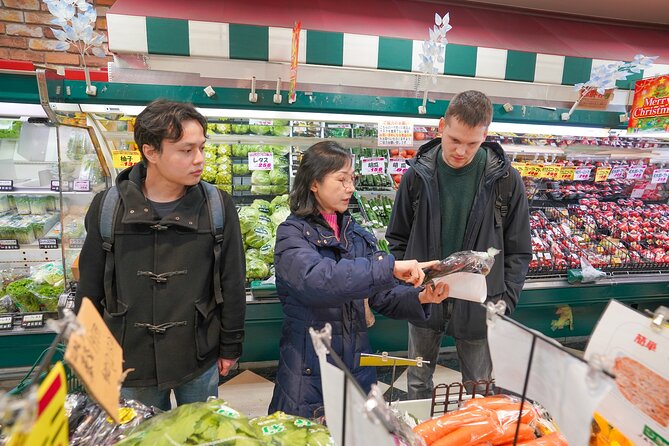
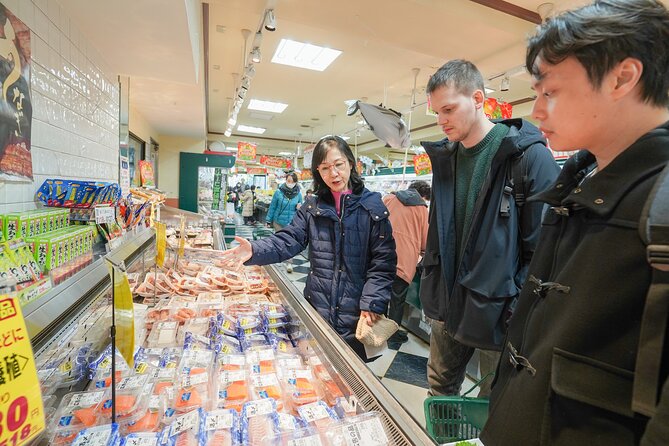
Once you’re together, your guide leads you to a local supermarket near Iriya Station. This matters more than it sounds. In a lot of cooking classes, you’re dropped into the kitchen with mystery ingredients. Here, you see how people actually shop and choose food in Japan, and you learn what to look for.
You can also read our reviews of more tours and experiences in Tokyo.
How the Supermarket Lesson Makes You a Better Cook
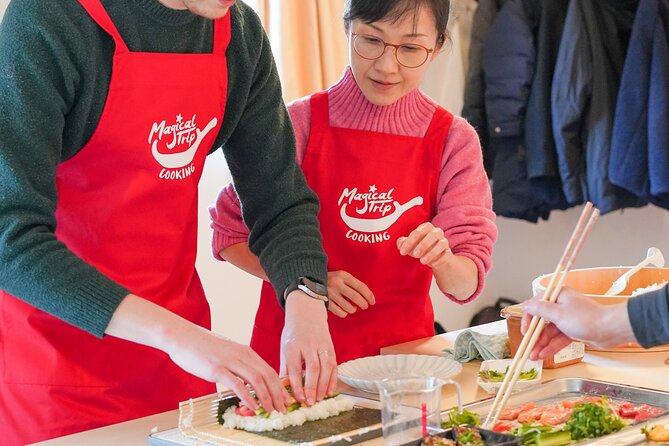
The standout idea is that ingredient knowledge comes first. Your guide walks you through selecting items the way a home cook—or a careful chef—would. That’s huge in Tokyo, where good ingredients are everywhere, but the labels can be confusing if you don’t know what you’re aiming for.
You’ll pick up practical judgment calls like:
- what to look for when choosing seafood or proteins
- how to handle vegetables and egg-based ingredients for specific dishes
- how to think about seasonings and staples used in Japanese cooking
And because you’re asking questions as you go, you can tailor it to your needs. Want to understand what makes the miso soup taste right? Ask. Curious about how to get the right texture for rolled sushi? Ask. The class is designed so your questions aren’t an interruption—they’re part of the process.
One small detail I really like: the class is vegan and vegetarian friendly, and they arrange ingredients and cooking steps. That’s not always standard in Japan-based classes, where “Japanese cooking” is often assumed to mean fish stock. Here, it’s built into the plan.
Knife Skills in a Real Cooking Studio Setting
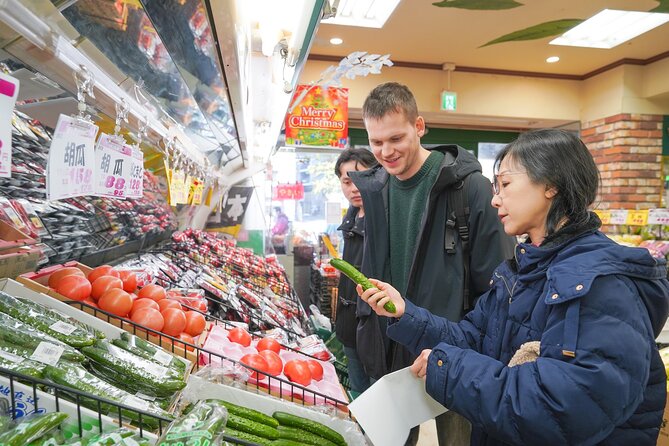
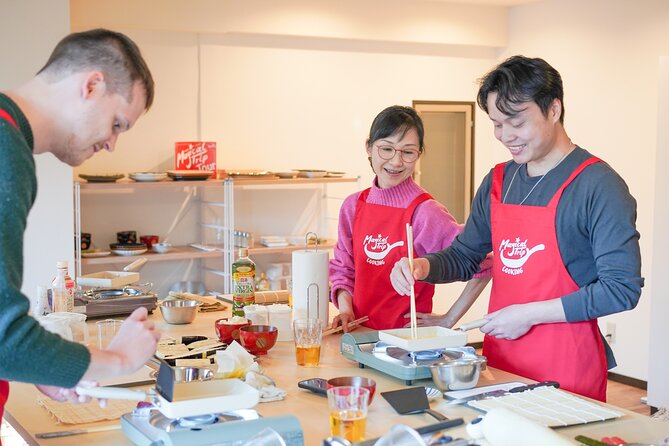
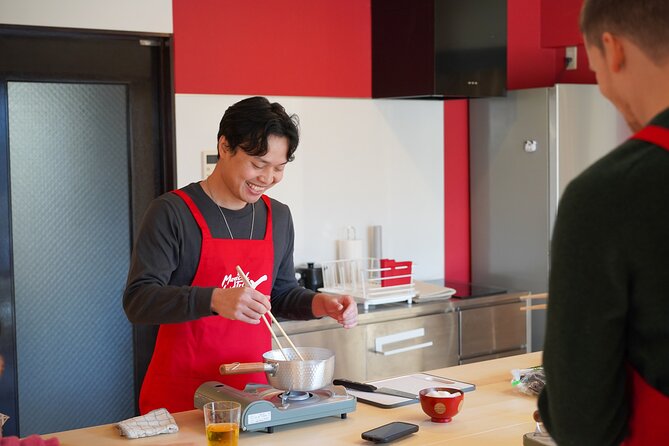
After shopping, you move to a dedicated cooking studio, where the class shifts from learning-by-looking to learning-by-doing. The studio setup is described as spacious and well organized, which you’ll appreciate once you’re actively chopping and rolling.
This is where you practice traditional Japanese knife and cooking techniques. You’re not just told to cut; you learn method and control. Expect hands-on guidance while you work through each dish. You’ll get a clearer sense of how Japanese cooking uses precise cuts and timing to get consistent results.
Also, the pace is built around questions. That means you can stop and clarify something before you “lock in” a mistake, especially helpful for first-timers who are nervous about knives.
The Cooking Plan: Four Classic Dishes You’ll Actually Eat
This class is structured around making traditional Japanese foods from scratch. The dishes are described in a couple different ways, but the most concrete set includes:
Makisushi (Rolled Sushi)
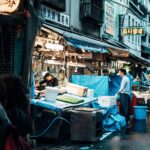
You’ll make rolled sushi, often referred to as makisushi. Rolling is one of those tasks that can feel fussy until someone shows you how to manage rice texture and placement. You’ll practice the process and learn the logic behind it, so it’s not just a one-time trick.
Miso Soup
You’ll also make miso soup. This is more than a warm starter. Miso soup is a great test of technique because flavor depends on how you combine ingredients, not just what you toss in. Once you understand the method, you’ll be able to adjust it for your own taste later.
Dashimaki Tamago (Rolled Omelet)
For many people, this is the “I didn’t know it could be this easy” dish. Dashimaki tamago is a rolled omelet, and it’s egg-based. If you can’t eat eggs, your selection is reduced from four types to three, so plan ahead if egg avoidance is part of your needs.
Nasu Dengaku (Grilled Eggplant Skewers)
Finally, you’ll make nasu dengaku, which is grilled eggplant skewers. Eggplant is one of those vegetables that can go from bland to deeply satisfying depending on heat and seasoning. This dish helps you understand how Japanese cooking balances sweetness, savoriness, and texture.
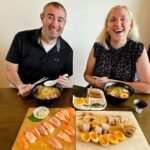
You’ll likely have a meal you can feel proud of at the end, not just a small bite. One person specifically described it as a full 4-course meal, and the class design supports that idea by building multiple dishes that work together.
Eating Together: Sake and Beer Pairings at the Table
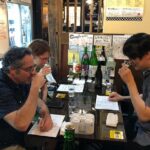
Once you finish cooking, it’s time to eat. This is where the class shifts into the fun part: sharing the meal you made, while trying different drinks.
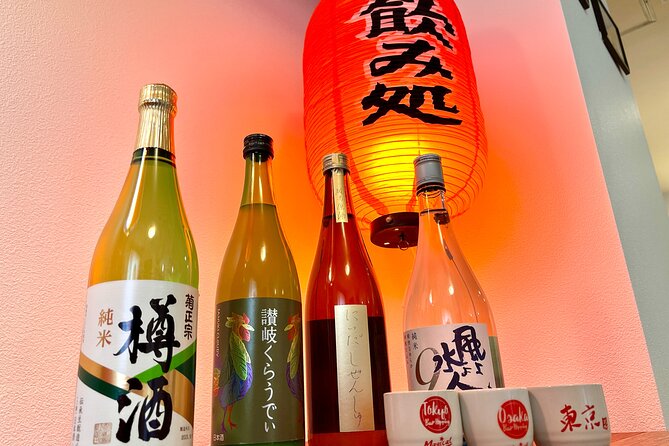
The experience includes experimenting with sake or other drink pairings, and some classes include beer and sake tasting. Even if you don’t consider yourself a “sake person,” this is still a useful way to understand how Japanese flavors are paired with alcohol and non-alcohol drinks.
Important note: the exact drink flow isn’t spelled out for every run, so think of it as a tasting/pairing element rather than a guaranteed lineup. Still, the presence of sake and beer in the experience is clearly part of what people remember.
Guides You Might Get, and What to Expect From Their Teaching Style
The class is run by different instructors, and you may hear names like April, Yuri, Masai, Alice, Minnie, Mihori, and Taka depending on the day. Across these examples, the teaching style described is consistent: step-by-step guidance, encouragement, and a friendly atmosphere.
A few patterns that show up:
- clear explanations before you start the tricky steps
- patience while you learn knife technique and cooking timing
- room for conversation and questions while you work
If you’re the type who learns better by doing, this format should click. If you freeze when you’re put on the spot, you can still do well here because the instructions are designed to keep you moving and supported.
Timing, Weather, and Staying Comfortable in Tokyo
The class is about 4 hours, which is long enough to learn real skills, but short enough to fit into a Tokyo day plan. Still, you’ll want to dress for Tokyo’s current reality. The experience notes that Japan’s climate has become more extreme, with summer highs around 40°C (110°F) and winter lows around -5°C (20°F). That means: bring layers in cold months, and in heat, bring a water plan.
Also plan on walking: you’ll go from the meeting point to the supermarket, then to the cooking studio. Being comfortable on your feet will make the day smoother.
Price and Value: What $79.59 Buys You
At $79.59 per person, you’re paying for more than a cooking session. You’re paying for:
- market shopping time with professional guidance on ingredient selection
- hands-on teaching with knife and cooking technique practice
- a set of traditional dishes you cook and eat
- recipes to take home
- and often a drinks element, including sake and beer tasting
In practical value terms, the recipe piece alone is a big deal. The goal isn’t to leave Tokyo with a full stomach and nothing else. You leave with instructions you can use again, which turns this from a one-day activity into a skill you can keep.
You’re also getting a small group (max 7). That usually means more attention and less waiting around—important when you’re learning rolling techniques and knife handling.
Dietary Needs: What’s Supported and What You Should Plan For
This class explicitly welcomes vegan and vegetarian participants. They arrange ingredients and the cooking process, and you’ll have an adjusted path if needed. That’s a strength.
For allergies, the rules are more cautious. You must inform the operator at least one day before the tour if you have dietary requests or allergies. Requests made on the day of the tour can’t be accommodated. And even then, the class can’t guarantee allergy-free preparation because the cooking happens in kitchens not part of MagicalTrip. Substitutions may not always be possible at every stop, but they’ll try to compensate at different points.
If you have a mild intolerance and you’re flexible about substitutions, you’ll likely be fine. If you have a serious allergy, treat this as “guided cooking with care,” not “certified allergy-free cooking.”
Is It Worth It for You? Who Should Book
This class fits best if you want:
- a hands-on Tokyo food experience where you cook most of the time
- a start at a real supermarket so you learn what quality ingredients look like
- a guided introduction to Japanese homestyle cooking with traditional dishes
- take-home recipes so you can recreate the food later
It might be less ideal if:
- you can’t handle being on time (the start is strict)
- you have severe allergies that require certified allergy-free preparation
- you want a purely sightseeing day with zero kitchen work
It’s also a good choice for people traveling as a couple or friends because the small group format still feels social, and you’ll share the cooking and meal together.
Should You Book Tokyo Washoku: From Market to Table?
I’d book it if you want more than a demo. The market-to-table flow gives you context, the studio instruction gives you technique, and the end meal gives you a satisfying payoff that you made with your own hands. The price also feels grounded for what’s included: shopping guidance, multiple dishes, recipes, and often drinks.
Before you go, do two things: plan around the start time so you’re never late by more than a few minutes, and send dietary needs early if you’re vegan/vegetarian or have any allergy concerns. If you do that, you’ll walk away with skills you can use back home, not just photos.
FAQ
How long is the Tokyo Washoku cooking class?
It lasts about 4 hours.
Where does the class start and end?
The meeting point is at FamilyMart, 2-chōme-1-10 Shitaya, Taito City, Tokyo. The activity notes that it ends back at the meeting point, though it also mentions finishing at the cooking studio and you may visit Kappabashi Dougu Street afterward on your own.
What dishes will I cook?
You’ll make traditional Japanese dishes such as makisushi (rolled sushi), miso soup, dashimaki tamago (rolled omelet), and nasu dengaku (grilled eggplant skewers). The class also describes making additional foods.
Do I get recipes to take home?
Yes. You’ll receive recipes for the dishes so you can perfect your skills after the class.
Is the class vegan or vegetarian friendly?
Yes. Vegan and vegetarian are welcome. The operator arranges ingredients and the cooking process, but you should inform them at least one day before the tour if you have dietary requests.
Are alcohol pairings included?
The experience mentions experimenting with sake or other drink pairings, and some class runs include beer and sake tasting.
What happens if I’m late to the start time?
The tour must start on time. If you are more than 5 minutes late without contacting the staff, it’s considered a cancellation and no refund is provided.