REVIEW · KYOTO
Private Pewter Sake Cup Experience with a Kyoto Artisan
Book on Viator →Operated by Saluk · Bookable on Viator
Hammering pewter turns souvenir shopping into craft. At Craft Gallery SALUK in Kyoto, you make a handmade pewter sake cup step by step with artisan Kanako, choosing hammers, striking patterns, and finishing a cup that feels good in your hand. It’s a fun, teach-you-by-doing class that also gives you a real story to bring home, not just a thing.
Two things I really like: you’re not watching from the sidelines, you’re shaping the metal yourself, and your cup can be personalized with letters, numbers, and a date. Second, the workshop feels deliberately calm and focused, not like a rushed activity between stops, with clear instruction that keeps beginners on track.
One consideration: the workshop is outside central Kyoto, so expect a bit of travel time (even though it’s part of the charm). If you’re short on time or dislike commuting, this may feel like more effort than a typical city workshop.
In This Review
- Key highlights you’ll care about
- What You Make at SALUK: A Pewter Cup That’s More Than a Souvenir
- Your Workshop Session: Private, Small-Group, Hands-On
- Picking Your Hammer: The Design Starts Before You Strike
- Making It Yours: Letters, Numbers, Initials, and Dates
- Shaping the Rim: Filing, Beveling, and Comfort for Drinking
- Using Your Finished Cup: Sake, Tea, Whiskey, and Everyday Wins
- Getting There from Kyoto Station: Worth the Commute
- The Real Value: Paying for a Skill, Not Just a Product
- Who Should Book This Pewter Cup Class
- Should You Book It? My Straight Answer
- FAQ
- How long is the pewter sake cup workshop?
- Where is the meeting point in Kyoto?
- Do I need to bring tools or materials?
- Can I personalize the cup with letters or a date?
- What size is the finished cup?
- Is this a private experience?
- What are the cancellation terms?
Key highlights you’ll care about
- Hammer choice drives the design: pick from several hammer types and build patterns by striking while rotating.
- Personalize the base: stamp letters, numbers, initials, or a date for a truly personal souvenir.
- You do the shaping work, too: file the height and bevel the rim for comfort.
- Safety-first finishing: the final polishing is done by the artisan using a rotary machine.
- A calm setting outside downtown Kyoto: peaceful surroundings make the class feel like an escape.
What You Make at SALUK: A Pewter Cup That’s More Than a Souvenir
This experience is built around one simple idea: craft your own drinking cup, by hand. You’re making a pewter sake cup at Craft Gallery SALUK with artisan Kanako, using traditional metalwork techniques that are still practiced today. You’re not just decorating something pre-made. The look comes from how you hammer the metal, and the feel comes from how the rim is shaped.
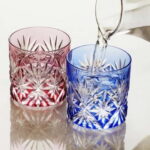
The finished cup is about 64 mm in diameter and 53 mm in height, and it holds roughly 90 ml. If you fill to the rim, it’s about 115 ml. That matters because it’s a real, usable size. This isn’t a tiny token you barely remember after the photo.
You’ll also learn why pewter is prized for drinking sake. The workshop links the material to the drinking experience, and you walk away with better context than the usual craft-class patter.
And yes, you can use the cup for more than sake. The experience notes it works for whiskey, chilled green tea, and other occasions. That flexibility is part of the value: you can actually bring it into your daily routine instead of packing it away.
You can also read our reviews of more tours and experiences in Kyoto.

Your Workshop Session: Private, Small-Group, Hands-On
You’ll meet at Craft Gallery SALUK (35-2 Shizuichinonakachō, Sakyo Ward, Kyoto, 601-1122). The tour runs about 2 hours 30 minutes, and it’s a private activity, meaning only your group participates.
That private setup is a big deal for this type of workshop. Metalwork needs attention. Tools are involved. Timing matters. When the class is only your group, you get clearer coaching and more freedom to ask questions like why certain hammer shapes create certain textures.
Most travelers can participate, and service animals are allowed. Materials are provided, so you don’t need to show up with tools or supplies. You just bring yourself and your curiosity.
Also, you’ll use a mobile ticket. That sounds minor, but in practice it means you’ll want your phone charged and your confirmation handy before you head out.
Picking Your Hammer: The Design Starts Before You Strike
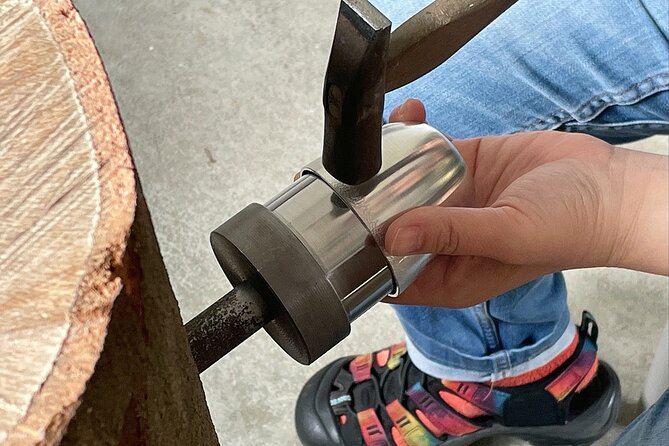
The class begins with a hands-on moment that sets the tone. You choose your favorite hammer from several types. Then you place the pewter cup on the anvil and start striking while rotating to create patterns.
This is where the experience feels most creative. Different hammers leave different textures. The way you rotate changes the rhythm of your marks. You can stick to one hammer type, or combine several for layered effects. In other words, there’s no single right answer. Your cup’s expression expands based on your choices.
This part is also a confidence-builder. Hammering metal sounds intimidating until you’re doing it and seeing how small changes become visible patterns fast. Kanako’s instruction style focuses on what your hands need to do next, not on long lectures.
Making It Yours: Letters, Numbers, Initials, and Dates
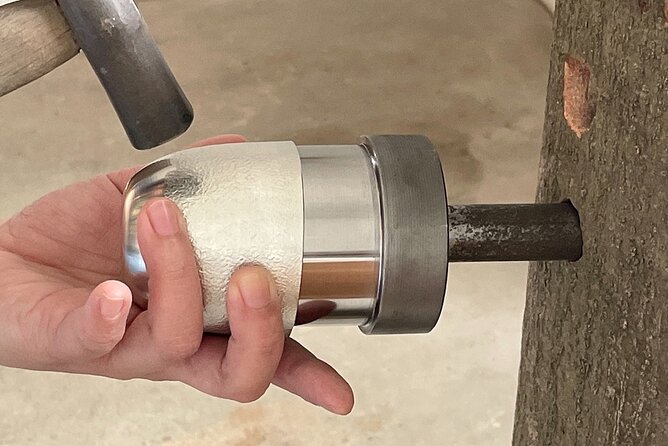
Once the main pattern is set, you have an easy way to personalize the cup: stamping letters, numbers, initials, or a date on the base.
This is one of those touches that people end up loving later. When you’re back home, it turns the cup into a memory you can read. It’s also a nice option if you want the design to feel personal without having to create an artistic pattern from scratch.
If you’re traveling as a couple or family, it’s also a great way to mark the year or a shared moment. The class format makes these additions feel natural, not tacked on at the end.
Shaping the Rim: Filing, Beveling, and Comfort for Drinking
Here’s where the class goes from making to refining.
After the hammerwork, you use a file to adjust the height and bevel the rim at an angle. That bevel is important for comfort. A good rim makes the cup pleasant to hold and nice to drink from, not just pretty.
You won’t do every final step. For safety, the final polishing is done by the craftsman using a rotary machine. That’s a helpful division of labor. It means your cup gets a clean finish without you needing to master machinery.
At the end, you get a cup that’s both decorative and functional. The shaping step is what turns your metalwork from a pattern experiment into a real drinking object.





Using Your Finished Cup: Sake, Tea, Whiskey, and Everyday Wins
You can use your cup for sake, whiskey, chilled green tea, and more. That’s not just a nice-to-know line. It’s practical.
A handmade cup changes the whole vibe of a drink. Even a simple evening tea feels like part of your trip when you’re holding something you made. And because the cup is about 90 ml (and up to 115 ml at the brim), it fits the sort of pour you’d actually serve.
If you prefer to sip rather than pour, you’ll also like knowing that the workshop experience is designed around drinking. Some sessions include a chance to use the cup right away, with sake or green tea depending on what suits you.
Kanako’s approach also makes the object feel connected to Japanese daily culture, not just an imported souvenir category.
Getting There from Kyoto Station: Worth the Commute
This class is outside central Kyoto, and that’s part of why it feels so good.
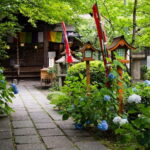
One review notes it’s about 1 hour by scenic train from Kyoto Station, and the workshop sits near the edge of Kyoto. Another highlights peaceful surroundings, including a babbling stream. That quiet setting matters because hammering metal is better when you can hear instruction clearly and relax into the pace.
Yes, you’ll spend more time getting there than you would for a downtown “craft stop.” But if you like Kyoto that’s slightly off the main routes, the trip out can feel like part of the experience, not an inconvenience.
If your plan is to stack many downtown sights in one day, this might be the workshop you schedule when you want a calmer pocket in the middle or at the end of your trip.
The Real Value: Paying for a Skill, Not Just a Product
At $144.96 per person, this isn’t a cheap take-home souvenir. So the question isn’t whether you can buy a sake cup in Kyoto. You can.
The value is that you’re paying for:
- A guided, hands-on craft lesson with an artisan
- Time doing the work (hammering, filing, rim shaping), not just posing
- A personalized outcome you can stamp with your own letters or date
- A functional finished object designed for real drinking
In other words, the price buys instruction + your labor + a finished piece you made with your own hands. That combination is exactly why craft workshops like this feel different from shopping.
Another value point: the studio experience is small and personal. You’re not fighting for tool time or standing in a long line. The pacing supports learning and helps you end up with a cup you’ll actually want to use.
Who Should Book This Pewter Cup Class
This is a great fit if you:
- Want a hands-on Kyoto experience with a clear outcome.
- Like making something you can use later, not just a photo op.
- Enjoy quiet, less-crowded settings.
- Have beginner-level craft curiosity and want guidance that keeps it doable.
It also works well for couples. You’re both creating, both customizing, and the class gives a satisfying shared activity without needing advanced skills.
If you’re not interested in crafts at all and you want quick sightseeing only, you may find this takes too much time. But if you like practical memories and you enjoy working with your hands, it’s an easy recommendation.
Should You Book It? My Straight Answer
Book this tour if you want an authentic craft experience where you make a functional piece of Kyoto culture—something you’ll use, not just display. The combination of hammer-driven design, personal stamping, and rim finishing means your cup genuinely reflects your choices.
Skip it if you’re extremely time-crunched, hate commuting to the outskirts, or know you’d rather shop than create. Also, if you’re hoping to do everything yourself with no safety assistance, note that the final polishing is handled by the artisan.
If you’re in the mood for something calm, hands-on, and memorable, this one is a solid yes.
FAQ
How long is the pewter sake cup workshop?
It lasts about 2 hours 30 minutes.
Where is the meeting point in Kyoto?
You start at Craft Gallery SALUK, 35-2 Shizuichinonakachō, Sakyo Ward, Kyoto, 601-1122, Japan.
Do I need to bring tools or materials?
No. Materials are provided.
Can I personalize the cup with letters or a date?
Yes. You can stamp letters, numbers, initials, or a date on the base.
What size is the finished cup?
The cup is about 64 mm in diameter and 53 mm in height, holding about 90 ml (115 ml when filled to the rim).
Is this a private experience?
Yes. Only your group participates.
What are the cancellation terms?
You can cancel for a full refund up to 24 hours before the experience’s start time. If you cancel less than 24 hours before, the amount paid is not refunded.