REVIEW · TOKYO
10 kinds Sake Tasting Experience in Tsukiji with local!!
Book on Viator →Operated by nomuno · Bookable on Viator
Sake goes from mystery to menu in 90 minutes. I really love that you taste around 10 different sake styles in one relaxed private session, and I love the hands-on explanations that connect Junmai/Daiginjo labels to what’s actually in the glass. One possible drawback: the meeting spot can be a little tricky to locate, so plan a few extra minutes.
This is set up as an intimate, no-rush tasting near the Tsukiji/Shintomi food area in Tokyo. You’ll get guidance that helps with language barriers, plus snack breaks like nuts and soy beans between pours. Since it’s private and you start and finish at the same place, it’s also easy to fit into a day without overthinking transit.
In This Review
- Key highlights you’ll care about
- Tsukiji’s sake lesson, served in a private setting
- What you taste: around 10 varieties and a smart comparison
- Junmai, Daiginjo, and the quality ladder you’ll understand
- Regional sake differences: learning by tasting geography
- Etiquette and drinking rituals, minus the awkwardness
- Snacks, handouts, and how the session stays 90-minute focused
- Price and value: what $62.40 buys in Tokyo time
- Who should book this Tsukiji-area private sake tasting
- Should you book this Tsukiji sake tasting?
- FAQ
- How long is the sake tasting experience?
- How many sake varieties will I taste?
- Is this a private experience or a group tour?
- Where is the meeting point for the experience?
- Is there a mobile ticket?
- What will I learn during the tasting?
- Are snacks included?
- Is the meeting point near public transportation?
- What’s the cancellation policy?
- Should you book this Tsukiji sake tasting?
Key highlights you’ll care about
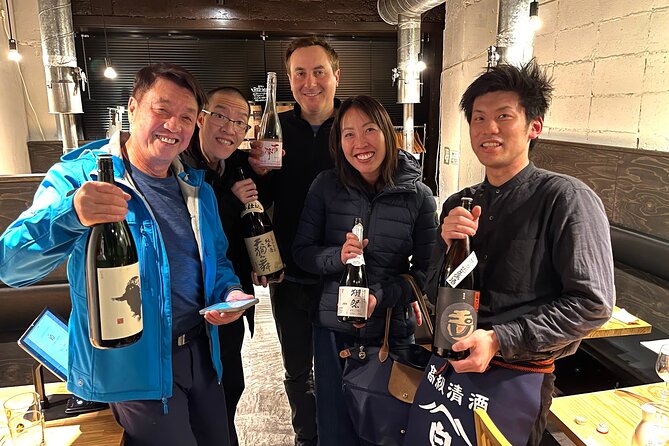
- About 10 sake samples in a single 1.5-hour private tasting
- Junmai/Daiginjo labels made practical, not just textbook terms
- Etiquette and how to drink sake, so you know what to do with each pour
- Regional differences explained through what you taste
- Snacks included to keep the pace comfortable
- English support possible, with help for language barriers
Tsukiji’s sake lesson, served in a private setting
This experience is built for people who want more than a quick bar flight. You’re in Tokyo’s Tsukiji neighborhood orbit, with the tasting centered around one venue. That matters because you can slow down, compare carefully, and ask questions without feeling rushed or watched.
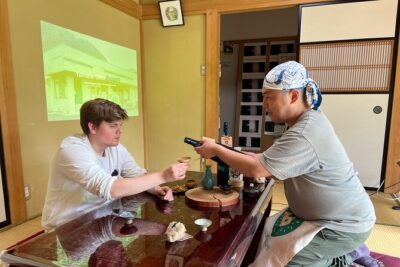
I like that it stays informal. You’re not performing a ceremony on command. Instead, you learn the basics of how sake is brewed, how to pour, and how to taste, while still having a good conversation. It’s the kind of setup where you feel comfortable asking, what does this taste note actually mean?
You also get the advantage of a private format. Only your group joins, so your questions stay relevant to your pace. If you’re new to sake, that’s a plus. If you’ve tried some already, it’s still worth it because you’ll connect the labels to real differences.
You can also read our reviews of more tours and experiences in Tokyo.


What you taste: around 10 varieties and a smart comparison
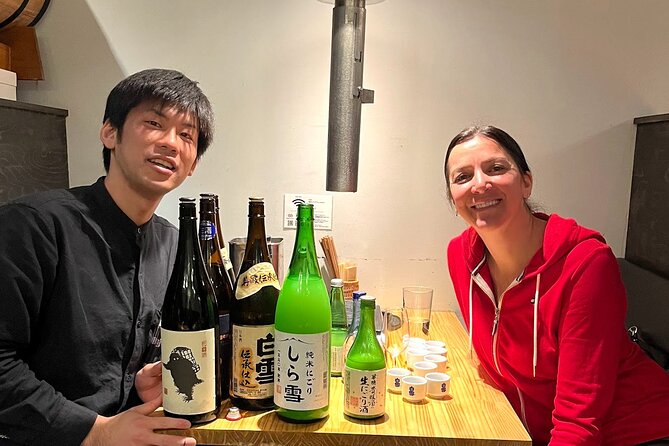
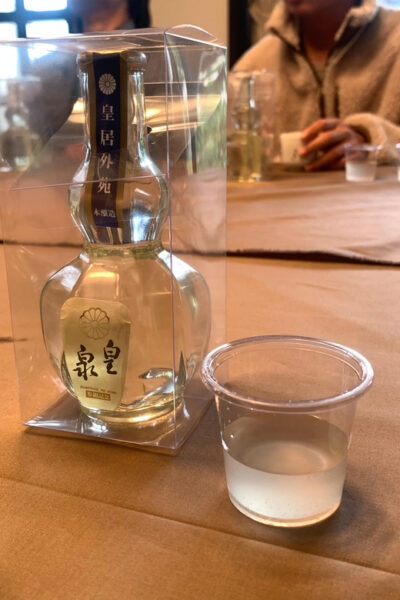
The core of the session is simple: sample multiple sake styles with guidance. You should expect roughly 10 varieties, and the tasting is structured so you can notice how the flavor changes from one type to the next. One account mentioned eleven samples, which suggests the host may sometimes add an extra pour based on the lineup.
Here’s what that means for you. If you’ve ever wondered why some sake tastes sharper, some tastes rounder, and some tastes almost sweet even when it’s not, this format helps you sort it out. You’re not just drinking. You’re comparing.
Between pours, you’ll get snack support like nuts and soy beans. That’s more than an afterthought. Sake has alcohol, and your palate needs a reset. The snacks make it easier to keep tasting without your mouth getting overwhelmed.
Timing is also reasonable. The session runs about 1 hour 30 minutes, which is long enough to learn the patterns, but not so long that you can’t stay present.
Junmai, Daiginjo, and the quality ladder you’ll understand
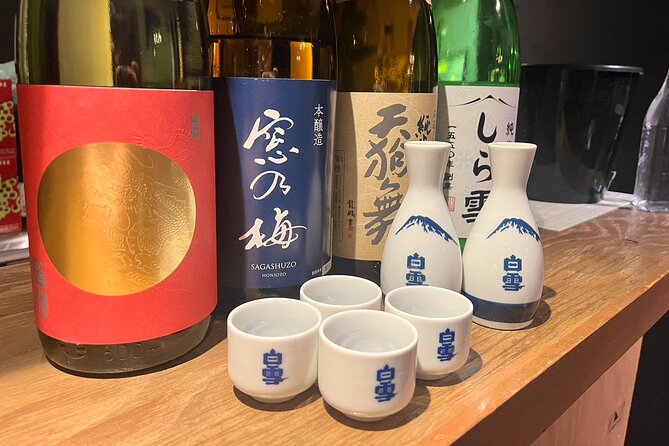
One of the most useful parts is how the host explains sake categories, including well-known labels like Junmai and Daiginjo. Instead of tossing out definitions, you’ll learn what those categories signal and why that matters once it hits your tongue.
You’ll also hear about quality classification in a way that connects to the tasting order. In at least one session, the samples were arranged like a ladder from lower to higher quality sake. Whether your lineup follows the same exact order or not, the intent stays the same: help you notice the difference step by step, so the labels stop feeling like a code you’ll never crack.
If you’re the kind of traveler who wants to sound confident at a sake shop later, this is where you’ll pick it up. You’ll leave with a mental map of what the terms are trying to tell you. That makes future tastings less random and more like choosing what you actually want.
Regional sake differences: learning by tasting geography
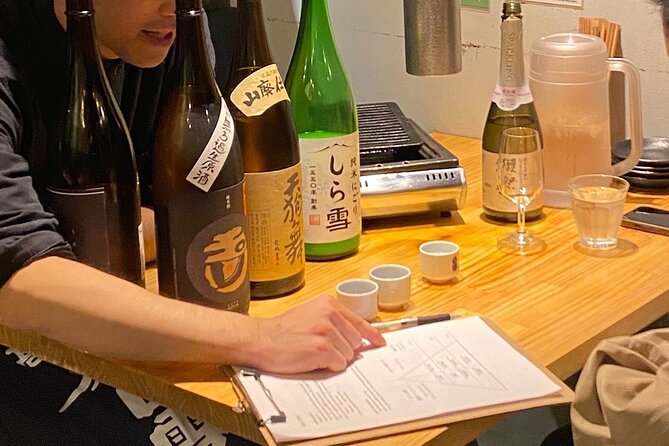
The host also focuses on how sake differs from each part of Japan. That’s a huge deal, because sake can taste very different depending on local brewing choices, ingredients, and styles.
What I like about this approach is that geography becomes personal. You’re not just reading that a sake is from a certain region. You’re tasting it right then, and the guide explains why it might taste the way it does. You start connecting climate and brewing approach to flavor, which is exactly the kind of learning that sticks.
If you’re a foodie, this section is where your curiosity pays off. You’ll start noticing how a sake’s character plays with food flavors, even though this session is mainly tasting-focused. It’s the kind of context that helps you order more thoughtfully at your next meal.
Etiquette and drinking rituals, minus the awkwardness
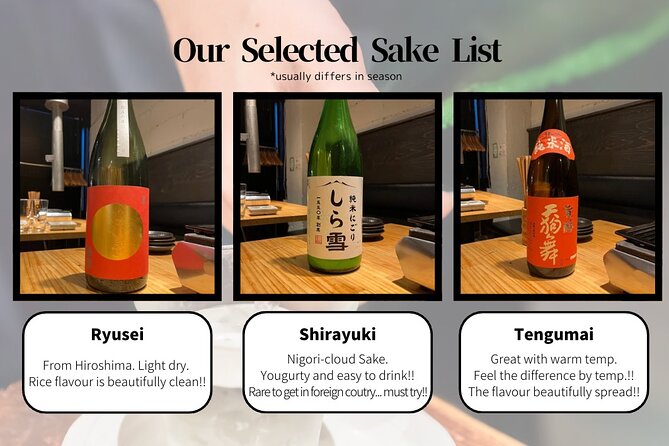
Sake culture includes rules, but you don’t need to memorize everything before you arrive. The session covers basics like how to drink sake, so you know what to do with each glass and pour.
This is also where private format helps. You can ask what you’re seeing and doing in real time. The host’s job is to explain the etiquette and guide you through how to taste properly, not to judge you for being new.
You’ll also learn what to expect from the entire ritual, including small customs that change the feel of the experience. When you understand the why behind the etiquette, it stops being stiff and starts being interesting.
And yes, you’ll want to pay attention to pacing. One key takeaway from an account: it helps to sip responsibly and go at the right speed for your alcohol tolerance.



Snacks, handouts, and how the session stays 90-minute focused
One smart detail is the use of printed support. In some sessions, you’ll get handouts and an information booklet that covers basics. That way, you can follow along during the tasting without trying to remember everything at the same time.
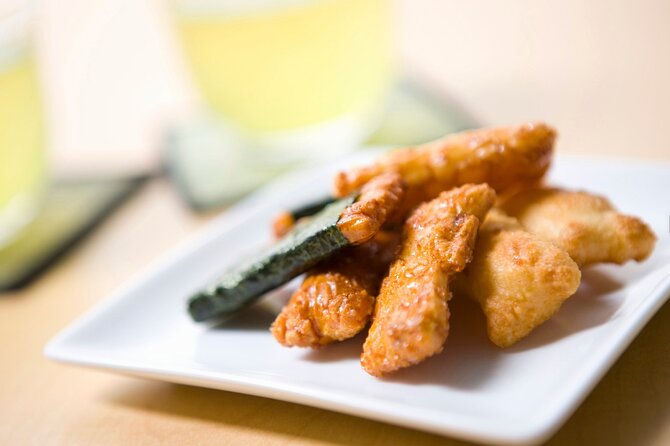
Snacks like nuts and soy beans show up between tastings, which keeps the experience comfortable and helps your palate stay clear. That also means this tasting feels like a real food-and-drink stop, not just a lecture with sips.
Since it’s private and only your group participates, the pace can feel tailored. If you want explanations repeated, you can usually ask. If you’re ready to move fast, the host can push the conversation forward. That balance is hard to get in a big group tasting.
Price and value: what $62.40 buys in Tokyo time
At $62.40 per person, you’re paying for more than sake. You’re paying for a guided tasting of about 10 varieties, including explanations about categories, brewing basics, etiquette, and regional differences. You’re also getting snack support and materials like handouts or booklets.
In Tokyo, that’s decent value if you care about learning. A lot of tastings are either too casual (you drink, but don’t understand why) or too rigid (you learn, but you never get enough taste time). This one lands in the middle: structured enough to teach, relaxed enough to enjoy.
Also, note the duration: roughly 1.5 hours. You’re not giving up half a day. That makes it easier to build a full food itinerary without having to scrap plans.
If you’re booking closer to your trip, keep in mind that this kind of experience is commonly reserved about 27 days in advance on average. If dates are tight, don’t wait until the last minute.
Who should book this Tsukiji-area private sake tasting
This works best for you if you’re one of these:
- A food lover who wants context, not just alcohol
- New to sake and want a clear starter map for labels like Junmai and Daiginjo
- Curious about Japanese rice wine culture and what “proper drinking” actually means
- Traveling with a small group that wants private, low-pressure attention
It’s also a good choice if language is a concern. The host helps with language barriers, and at least one session involved an English-speaking guide. If you’re shy about asking questions, private format makes it easier.
If you only want a casual drink and don’t care about learning terms or etiquette, you might feel the value depends on your curiosity. But if you even slightly enjoy explanation, this is likely a fun, satisfying use of time.
Should you book this Tsukiji sake tasting?
If you want sake education you can taste, not just words you forget, I’d book it. The combination of about 10 samples, clear category explanations, and small snack support makes the 90-minute structure feel worth it. Add the private setting and the fact that the session starts and ends at the same meeting point, and it’s easy to plan around.
Book it especially if you want to leave Japan knowing how to order sake with confidence instead of picking randomly. If you’re worried about finding the meeting location, do what smart travelers do: give yourself a little extra buffer time, get there calm, and let the tasting do the rest.
FAQ
How long is the sake tasting experience?
The session lasts about 1 hour 30 minutes.
How many sake varieties will I taste?
You’ll taste around 10 sake varieties.
Is this a private experience or a group tour?
It’s a private tour/activity, so only your group participates.
Where is the meeting point for the experience?
Start: Wagyu Yakiniku & Sake all-you-can-drink Niku-no-Himalaya to nomuno2-chōme-13-2 Shintomi, Chuo City, Tokyo 104-0041, Japan.
Is there a mobile ticket?
Yes, the experience uses a mobile ticket.
What will I learn during the tasting?
You’ll learn how to drink sake and basic information, the difference between quality classification categories such as Junmai and Daiginjo, and the difference between sake from different parts of Japan.
Are snacks included?
Yes. The session includes snacks (such as nuts and soy beans).
Is the meeting point near public transportation?
Yes, it’s near public transportation.
What’s the cancellation policy?
You can cancel for a full refund up to 24 hours before the experience’s start time.
Should you book this Tsukiji sake tasting?
Yes, if you want a guided sake tasting in Tokyo where you actually learn what you’re drinking. With about 10 varieties, category breakdowns, etiquette basics, and snacks included, it’s a strong value for a focused 90-minute experience.