REVIEW · TOKYO
Sake Omakase in Tokyo: Guided Tasting by Certified Sommeliers
Book on Viator →Operated by Sake Studio - Sake Tastings by Multilingual Sommeliers · Bookable on Viator
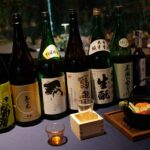
Tokyo turns sake into a lesson. This guided sake omakase is a hands-on, learn-by-drinking session built around 7 Japan-only selections. You’ll taste through 4 themed courses at a design-forward studio in Kanda Ogawamachi, with sommeliers guiding the pour and the palate.
I especially like two things: the sommeliers speak native English (plus Japanese and Chinese), so questions land fast and clear. I also love the unlimited refills setup, which makes it easier to compare styles without feeling rushed.
One consideration: it’s not recommended if you have an alcohol allergy.
In This Review
- Key things to know before you go
- A Two-Hour Sake Classroom in Kanda Ogawamachi
- The 4-Course Flow: Seven Sakes, Unlimited Refills, Real Comparisons
- Course 1: Rice comparison, so you start tasting smarter
- Course 2: The same drink, five temperatures worth paying attention to
- Course 3: Spice and herb infusions for a modern palate shift
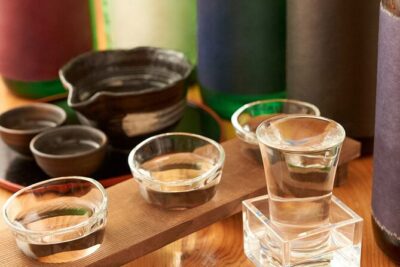
- Course 4: Vessels change how sake tastes and smells
- Why the Sommeliers Matter More Than the Pour
- Snacks That Actually Help Your Palate
- Price and Value: What $79.52 Really Covers
- Who This Tokyo Sake Omakase Fits Best (and When to Skip)
- Should You Book This Sake Omakase?
- FAQ
- How long is the sake omakase experience?
- How many sake varieties will I taste?
- Is there a limit on group size?
- What food is included with the tastings?
- What languages do the sommeliers speak?
- Where does the experience meet?
- Can I cancel for free?
Key things to know before you go
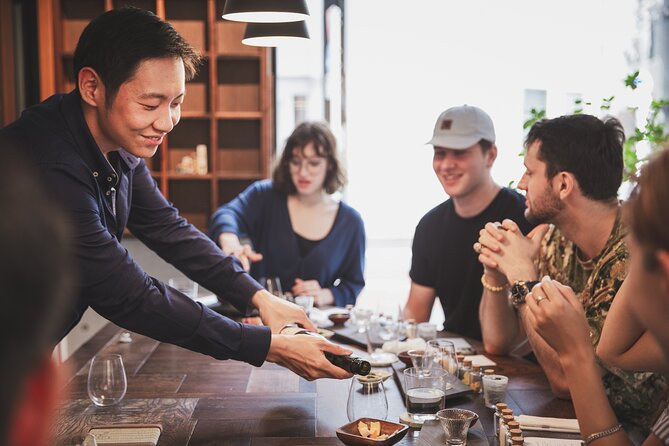
- 7 Japan-exclusive sakes served across 4 themed courses, with unlimited refills
- Small group (max 6) at a Showa-era wood table in a designer tasting room
- Native English hosting, with Japanese and Chinese support for extra clarity
- Temperature, infusion, and vessel themes that teach you how details change flavor
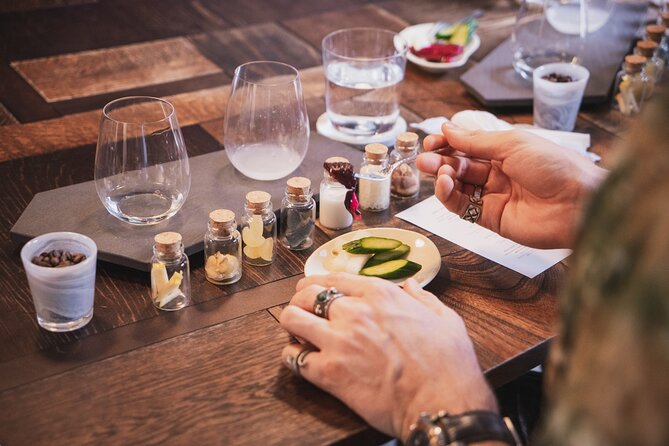
- Small bites in each course (pickles, cheeses, cured meats, and dessert) to keep balance
A Two-Hour Sake Classroom in Kanda Ogawamachi
This is the kind of Tokyo experience that makes you feel like you’re not just drinking—you’re learning what you’re drinking. The session runs about 2 hours, and it’s sized for real conversation since it caps at 6 people.
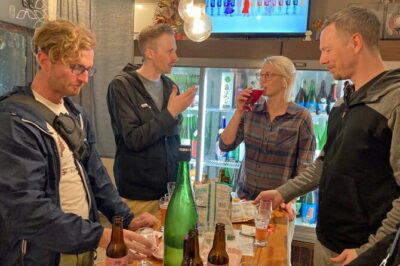
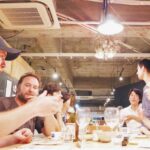
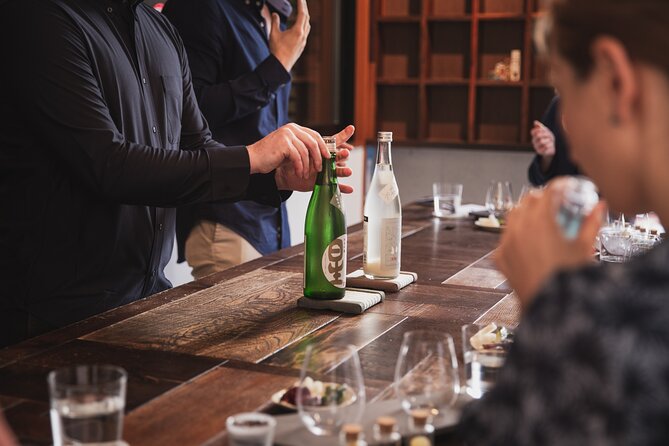
The setting helps. You’re seated around a beautiful Showa-era table made from reclaimed wood, and the room is designed for tasting rather than standing around. If you like experiences where the vibe is calm and focused, you’ll probably appreciate the layout.
Location matters too. The meeting point is Linden House at 1-chōme-9-9 Kanda Ogawamachi, Chiyoda City. It’s near public transportation, which makes it simple to plug into a Tokyo day without too much hassle.
Also, a small but useful detail: you get a mobile ticket, so you’re not juggling printed confirmations.
You can also read our reviews of more tours and experiences in Tokyo.
The 4-Course Flow: Seven Sakes, Unlimited Refills, Real Comparisons
The format is built for learning your taste preferences, not just checking a box. You’ll work through a progression of 4 themed courses, tasting 7 exclusive sakes in total, with unlimited refills throughout. Each course includes small bites designed to complement what you’re drinking.
Course 1: Rice comparison, so you start tasting smarter
The first course focuses on how rice affects flavor. This matters because sake can taste like fruit, grain, nuts, or even something gently savory, and the rice factor is one reason. The tasting setup is meant to help you notice differences early, when your palate is fresh.
You’ll also get small bites here to keep the experience balanced. The food is not a big meal, but it’s enough to reset your palate between pours and keep the tasting from turning into pure alcohol.
Course 2: The same drink, five temperatures worth paying attention to
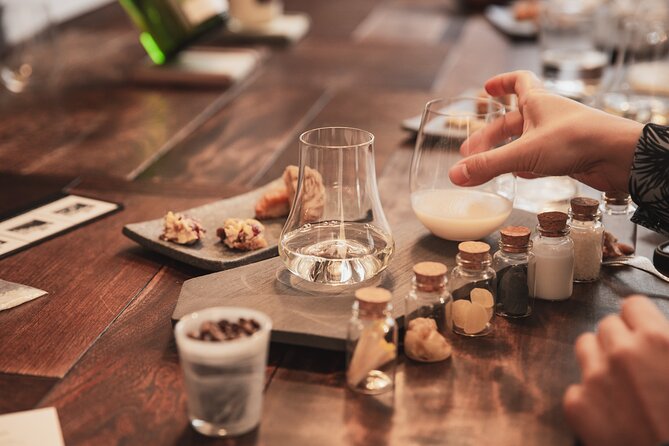
Next comes the mind-trick of sake: temperature changes what you taste. In this course, you’ll sample sake across five different temperatures, which is a practical way to understand why your favorite bottle might taste totally different at different serving temps.
This is where you’ll likely start making mental notes like: is this style sweeter at warmer temps? Does it feel sharper when cool? Does aroma show up more in one temperature range? That’s the kind of info you can use immediately when you’re ordering sake later in Tokyo.
Course 3: Spice and herb infusions for a modern palate shift
The third course leans into flavor extensions with spice/herb infusions. This is a fun checkpoint if you think sake is always subtle. Infusions can bring forward different aromatic notes, and the tasting structure makes it easier to separate infusion flavor from the base sake.
If you enjoy food pairings that have a little edge—herby, peppery, or aromatic—this course is one you’ll probably talk about later.
Course 4: Vessels change how sake tastes and smells
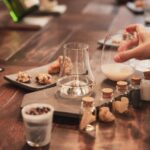
The final theme is one many people overlook: the influence of drinking vessels. Even if two drinks are technically the same, the container affects how aroma travels and how you perceive flavor and texture. By the end, you should understand why locals treat serving style like part of the recipe.
This is also where the room’s calm pacing helps. You’re near the end of the tasting arc, so you’ll be less in “how much can I handle” mode and more in “what do I like and why” mode.
Why the Sommeliers Matter More Than the Pour
Yes, you get 7 sakes and unlimited refills. But the real value is how the sommelier hosting turns those sips into usable understanding.
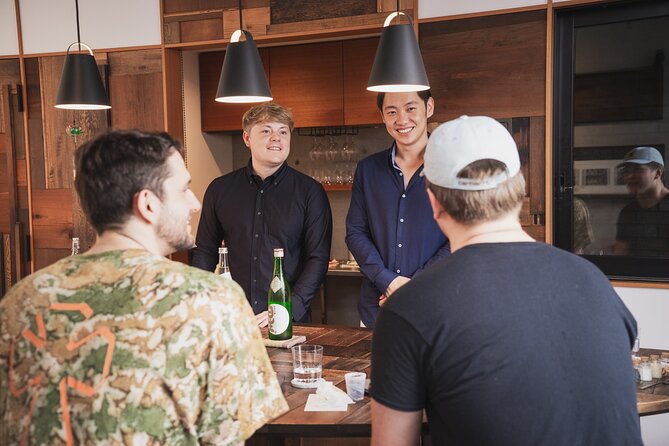
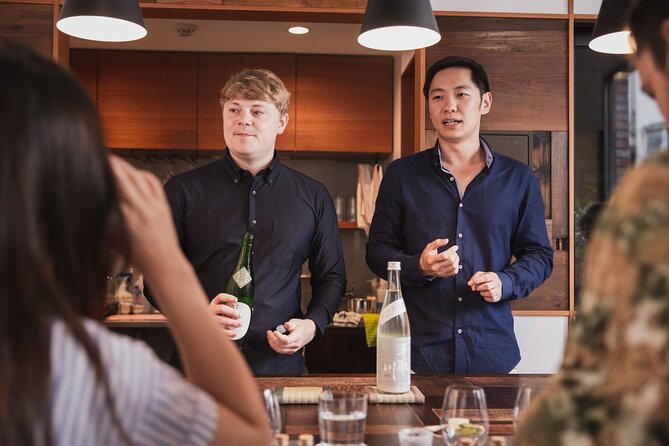
You’re guided by certified sommeliers with deep industry experience, and the team runs this format often enough to have serious reps—over 2,500 tasting experiences. That shows in the pacing: the explanations are timed to match what you’re tasting, so it doesn’t feel like a lecture.
The language setup is also a big deal. The hosts are native English-speaking, with support in Japanese and Chinese as well. If you’re the kind of person who asks questions, this is comfortable territory. You can say what you like and ask what to try next, and the answer isn’t just generic.
There’s also a social ease in the way the tasting is presented. Names that show up in the experience include Eric and Aaron, with hosts like Frank and Phillip also leading sessions. The common thread is an approach that makes people feel at home while still keeping the tasting educational.
Practical tip: if you have strong preferences already—dry vs. fruity, warm vs. cool—say it early. These tastings are designed to help you match your tastes, not force a one-size-fits-all “sake journey.”
Snacks That Actually Help Your Palate
Food in a sake tasting can go two ways: either it’s there to distract you, or it supports the tasting. Here, the snacks are clearly built for the job.
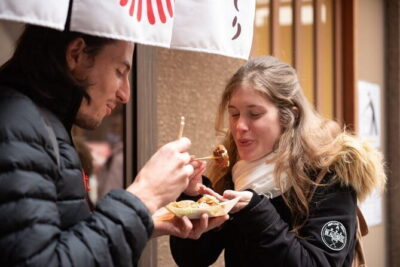
You’ll get small bites at each course, including items like pickles, cheeses, cured meats, and dessert. That mix covers salty, tangy, creamy, and sweet—so you can taste how sake behaves against different flavors. It’s also a comfort factor if you’re trying to slow down and really compare.
One note of realism: the snacks are small bites, not a full meal. If you’re a light eater, consider having a proper meal beforehand so the pacing feels comfortable.
Price and Value: What $79.52 Really Covers
At $79.52 per person, this isn’t the cheapest sake stop in Tokyo—but it also isn’t trying to be. You’re paying for three things at once:
1) Alcohol included: 7 types of sake with unlimited refills across 4 courses.
2) Structured education: temperature comparisons, vessel impact, rice influence, and spice/herb effects.
3) Guided hosting in multiple languages: native English plus Japanese and Chinese support, with sommeliers answering questions.
The best way to think about value here is not just cost per pour, but cost per insight. After this kind of tasting, you’re more likely to order the right style for your taste later. That turns the session into something you use, not just something you finish.
Also, the group size cap (max 6) is part of why this price makes sense. You’re not getting herded through a factory-style tasting with a loud crowd. You’re seated at a table that feels designed for conversation and comparison.
Who This Tokyo Sake Omakase Fits Best (and When to Skip)
This experience is a good fit if you want a calmer, more educational tasting rather than a quick sampling. It’s also ideal if you like structure—4 courses, clear themes, and guided explanations that help you pinpoint what you prefer.
It’s also a strong choice for people who:
- Want to learn why sake tastes different (rice, temperature, vessels, infusions)
- Like asking questions and getting answers in native English
- Prefer intimate group settings over large tours
The main skip case is in the listing details: it’s not recommended for travelers with an alcohol allergy. Beyond that, most people can participate, and the session is about tasting and learning rather than athletic challenges or long walking.
If you’re worried about drinking too much: you control the pace. Unlimited refills are there for comparison, but you can sip slower and let the food do its job.
Should You Book This Sake Omakase?
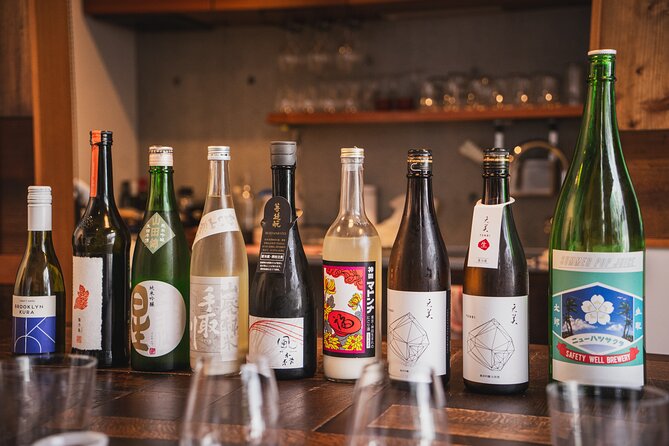
If you want a serious sake experience without the intimidation, I think this is one of the easiest calls in central Tokyo. The combination of 7 Japan-only sakes, a structured 4-course theme, and hosting by multilingual sommeliers gives you both fun and real takeaways. The room setup—Showa-era wood table and a designed tasting space—also makes the whole thing feel intentional.
Book it if you’ll enjoy tasting comparisons (temperature, vessel, rice influence) and you like the idea of learning by doing. Skip it if alcohol isn’t a good fit for you, especially due to allergy concerns.
And if you’re the type who wants to leave with clear favorites—dry, fruity, warmed, chilled, infused—this format is built for that.
FAQ
How long is the sake omakase experience?
It lasts about 2 hours.
How many sake varieties will I taste?
You’ll taste 7 sake selections across 4 themed courses.
Is there a limit on group size?
Yes. The experience has a maximum of 6 travelers.
What food is included with the tastings?
You’ll get small bites with each course, including items such as pickles, cheeses, cured meats, and dessert.
What languages do the sommeliers speak?
The hosts guide you in native English, and they also provide support in Japanese and Chinese.
Where does the experience meet?
The meeting point is Linden House, 1-chōme-9-9 Kanda Ogawamachi, Chiyoda City, Tokyo 101-0052, Japan.
Can I cancel for free?
Yes, you can cancel for a full refund if you cancel at least 24 hours in advance of the start time. Free cancellation is offered up to 24 hours before the experience begins.