REVIEW · TOKYO
Tokyo: Private Tsukiji Street Food & Sake with Local Guide
Book on GetYourGuide →Operated by Alva Japan Tours🇯🇵 · Bookable on GetYourGuide
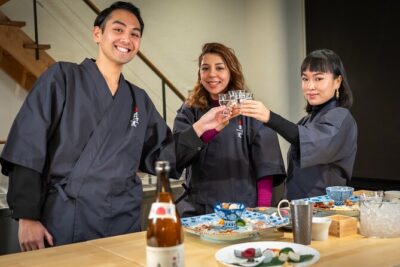
Tokyo’s food streets can be loud and confusing. This private Tsukiji tour keeps it simple: you get the right bites, then end with a sommelier-led sake tasting that actually teaches you what you’re drinking.
I especially like two things: the charcoal-grilled wagyu skewer paired with fluffy tamagoyaki, and the calm, guided sake portion with baby scallops that turns a quick stop into a real tasting lesson. The one drawback to note is that the included food is limited (one skewer and one tamagoyaki), so if you expect a full-market feast, you’ll want to plan extra spending for additional snacks.
In This Review
- Key points worth knowing before you go
- First stop: Tsukiji Hongwanji and a temple that doesn’t match your expectations
- Tsukiji Outer Market: how you keep your appetite on track
- The charcoal wagyu skewer and tamagoyaki you actually need to try
- Chilled tea, beans, and dashi: Edo-style comfort in the middle of market noise
- Sake tasting with a sommelier and baby scallops: the lesson part
- Price and what $99 really buys you in Tsukiji
- Who this tour suits best (and who should pick something else)
- Tips to get the most from the tour
- So, should you book Tsukiji Street Food & Sake with a Local Guide?
- FAQ
- FAQ
- How long is the Tsukiji street food and sake tour?
- Where is the meeting point?
- What food and drink are included in the tour price?
- Do I need ID for the sake tasting?
- What languages are offered during the tour?
- Is there transportation included to and from the meeting point?
- Is the tour held in rain or shine?
Key points worth knowing before you go
- A temple photo stop first at Tsukiji Hongwanji, where the architecture is a surprise compared to typical Kyoto-style wooden temples
- Tsukiji Outer Market with a local guide, so you don’t waste time hunting down the good stalls in the crowd
- Included Edo-style tastes: chilled teas plus black beans, peanuts, and dashi broth
- A guided sake flight (3 types plus 1 special) with baby scallops, led by a certified sake sommelier
- Small, practical structure: 2 hours total, with walking but mostly covered/indoor stops
First stop: Tsukiji Hongwanji and a temple that doesn’t match your expectations
Most people picture Tokyo temples as quiet, wooden, and familiar. This tour starts at 浄土真宗本願寺派築地本願寺 (Tsukiji Hongwanji), and it’s a jolt in the best way. You get a short guided look and a photo stop, then you move on with a better sense of what Tsukiji is beyond food.
What makes this temple stop memorable is the unusual architectural mix described on the walk: a landmark that blends stone elements connected to older Indian architectural influences with traditional Japanese Buddhist spirit. You’ll also notice details like intricate animal carvings and stained glass—things you usually associate with select European-style churches, not a Tsukiji temple entrance. And because this area’s buildings have been rebuilt over time, the guide ties it to the temple’s reconstruction after a major fire in the Meiji era.
Why this matters for you: it sets the tone. You’re not just walking from stall to stall; you’re learning how Tokyo layers culture, religion, and daily life in the same small area.
Practical note: it’s brief—think of it as a warm-up. Comfortable shoes still matter because you’re going to walk through Tsukiji immediately after.
You can also read our reviews of more tours and experiences in Tokyo.

Tsukiji Outer Market: how you keep your appetite on track
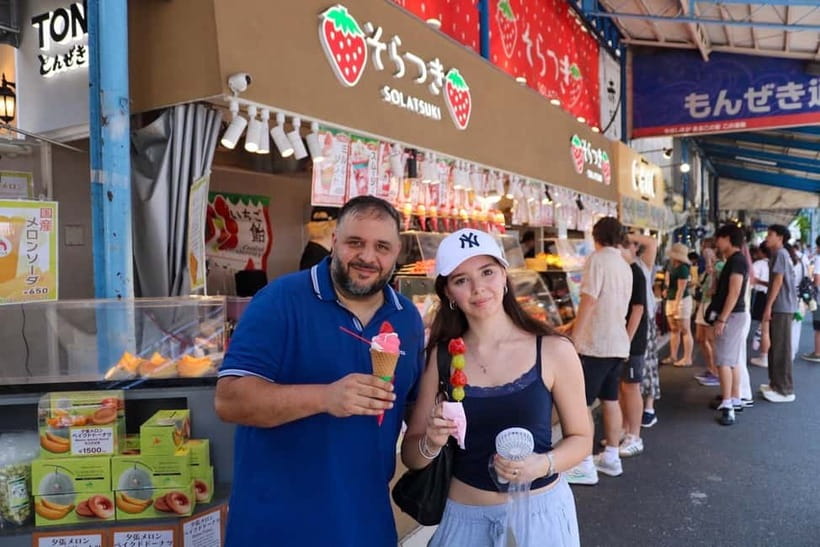
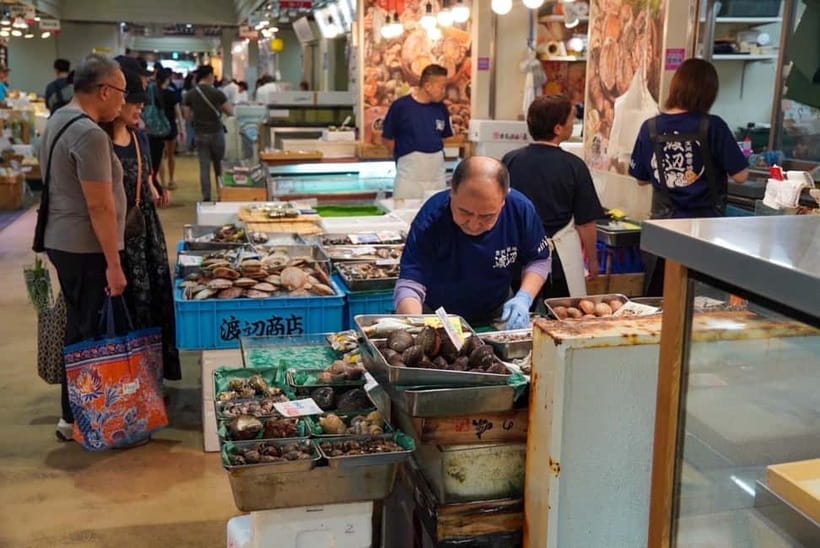
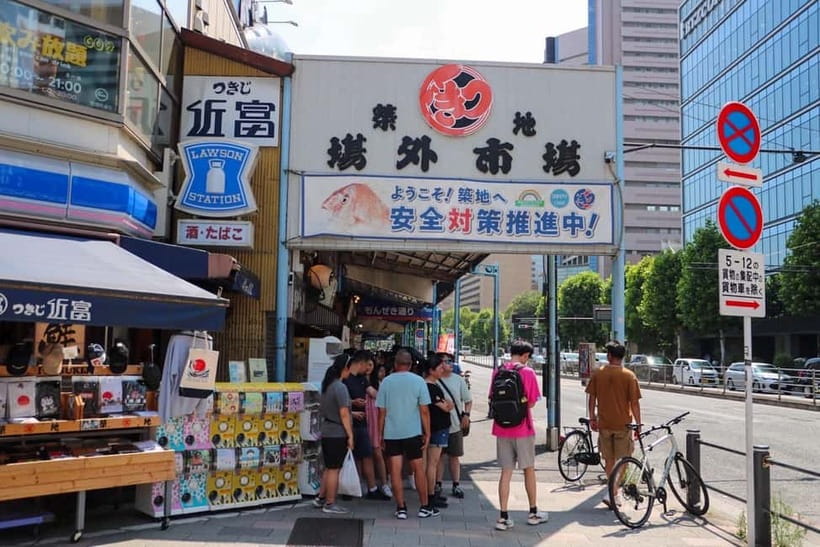
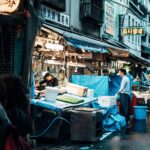
Then it’s time for the main event: Tsukiji Outer Market. This is where the air changes. You smell seafood, char, vinegar, soy, and sweet notes from cooked items that seem to appear everywhere at once. Without a guide, it can turn into a choose-your-own-adventure chaos—busy alleys, quick decisions, and menus you may not fully understand.
With this tour, you get guided movement through the market so you’re not spending your “food time” just finding a spot to stand. The focus stays on quality and on making sure you try the right basics. The guide also helps you bridge the language gap, which is huge in Tsukiji, where what you’re ordering can be hard to decode when you’re hungry and the line is already moving.
One of the most interesting context pieces here is the story of Tsukiji Outer Market and the shift to Toyosu. Even if you’ve heard bits online, you’ll get a cleaner explanation of what changed and why the market experience you can still visit today feels the way it does.
A quick reality check: Tsukiji can feel like a lot. That’s why having a plan for what you’ll eat next is a gift. You’ll keep moving, and you won’t end up with the classic problem—eating something good… but not learning the “why” behind it.
The charcoal wagyu skewer and tamagoyaki you actually need to try
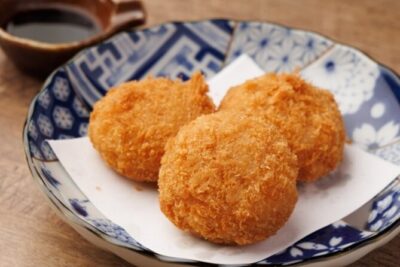
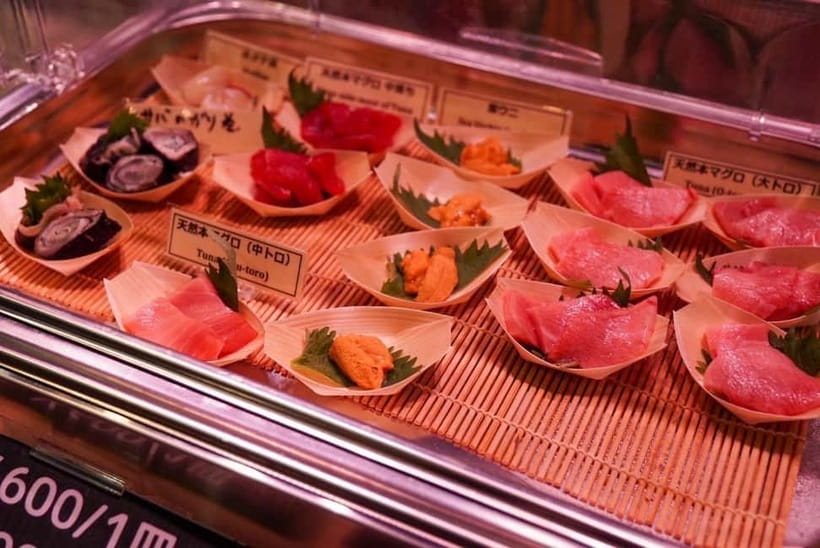
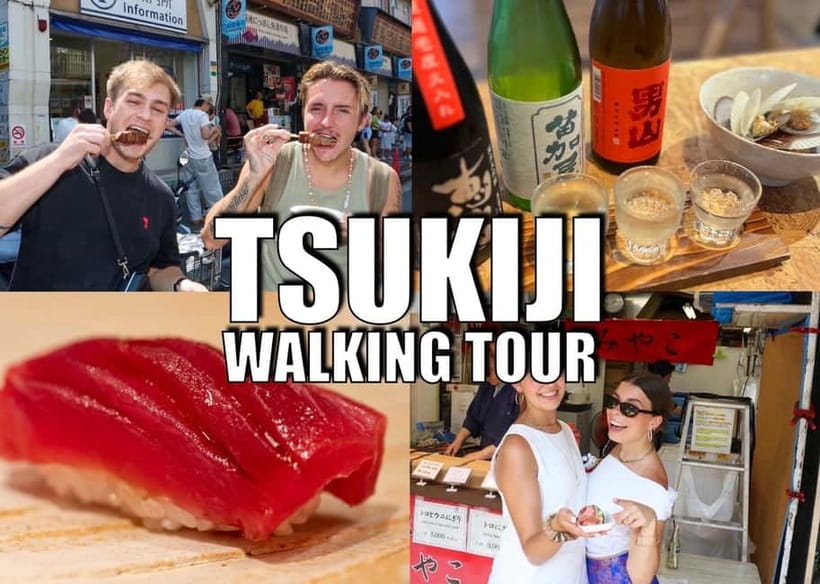
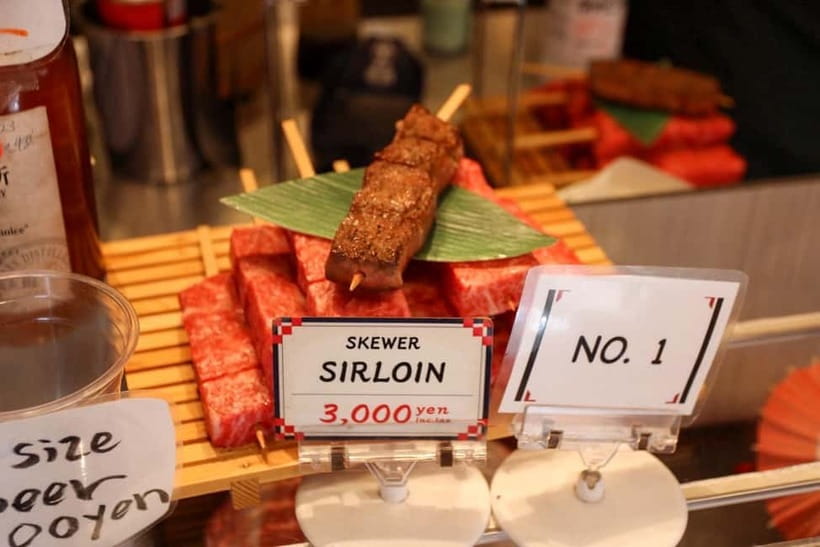
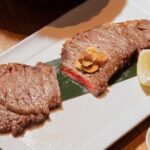
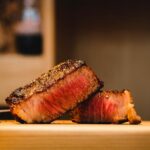
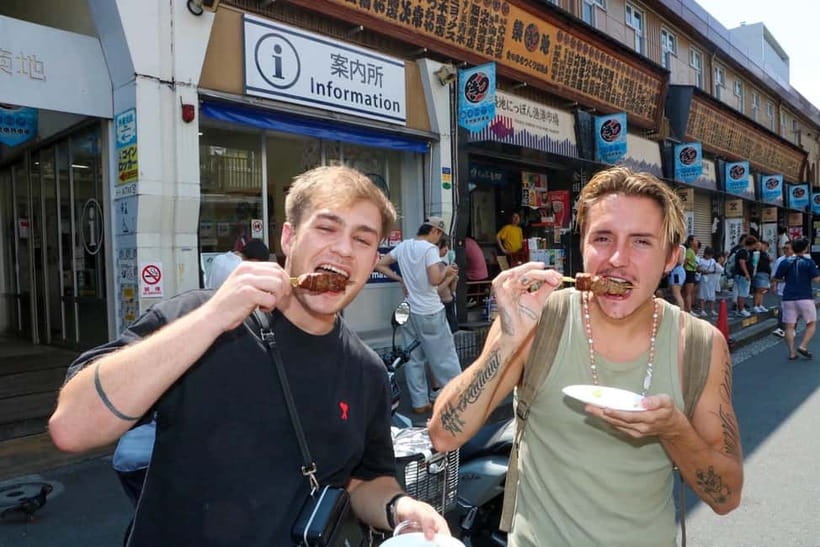
The included food is built around two icons: charcoal-grilled wagyu beef skewers and tamagoyaki (Japanese rolled omelet). This isn’t random. It’s a smart way to start: savory, smoky, and rich—then a soft, dashi-based omelet that balances the intensity.
You’ll be served one wagyu skewer and one portion of tamagoyaki as part of the tour. Since the included portions are fixed, I’d plan to be satisfied, not stuffed. If you’re a “three snacks minimum” kind of person, it’s wise to budget a little extra cash for additional bites afterward at the stalls you notice during the walk.
What I like about this approach:
- It gives you the signature Tsukiji flavors without turning the tour into a guessing game.
- Tamagoyaki matters here because it’s not just egg—it’s a warm, savory counterweight thanks to dashi in the flavor profile.
The other benefit is timing. You’ll eat while the guide handles crowd navigation and ordering, so your experience stays smooth instead of turning into a half-hour of standing around trying to figure out how ordering works.
Chilled tea, beans, and dashi: Edo-style comfort in the middle of market noise
After the market walk, you get a slower moment at a historic specialty store. You’re sampling tastes that feel more grounded and traditional than the typical “grab and go” approach.
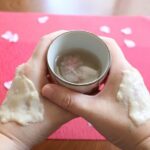
You’ll try chilled Japanese teas plus small samples of black beans, peanuts, and dashi broth—the kind of Edo-style flavor logic that helps you understand what Japan’s street food culture is built on. This is the palate reset part of the tour, and it’s not just for variety. Dashi and salty-savory elements are often the backbone behind sauces and cooked flavors you’ll notice later.
I like this stop because it interrupts the intensity. Tsukiji can be sensory overload. Having a calm, guided sampling break makes everything you ate earlier feel connected, not random.
If you’re curious about what to order later on your own, this is one of the best “training” moments. Once you’ve tasted the tea and dashi logic here, you’ll be better at recognizing similar flavors in other dishes.
Sake tasting with a sommelier and baby scallops: the lesson part
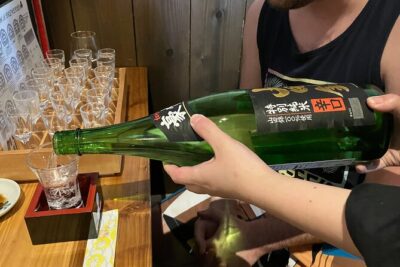
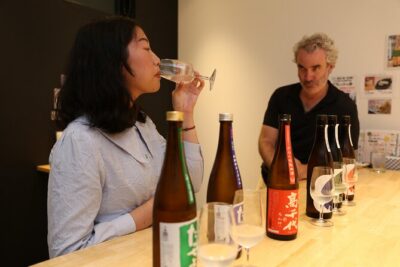
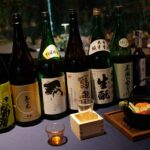
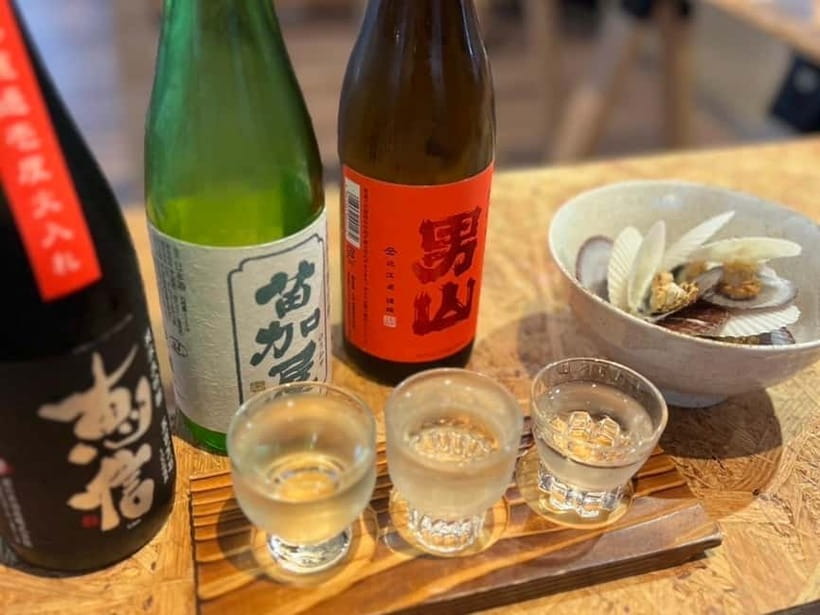
The tour ends with the part many food walks skip: the guided tasting. You’ll meet up for a sommelier-led sake journey that includes 3 types plus 1 special, with baby scallops paired alongside.
This is where the tour becomes more than food. A certified sake sommelier guides the session, and you compare different styles instead of drinking randomly. You’ll learn what changes from one type to another—how it tastes, how it feels on your palate, and how pairing works with seafood.
The scallops matter here. They’re delicate, and they don’t overpower sake the way stronger flavors might. That pairing helps you taste the sake more clearly, and it gives you an immediate “this is why pairing matters” moment.
By the end, you also get personalized lunch recommendations for the rest of your trip. That’s practical value. Food tours can be fun, but they often stop right after the tastings. Here, the guide helps you keep going with confidence.
One more important point: tasting sake requires ID, and Japan’s legal drinking age is 20. Bring your passport or the ID you’ll use at the tasting spot, because this is a real requirement, not a suggestion.
Price and what $99 really buys you in Tsukiji
At $99 per person for about 2 hours, this tour sits in the “premium but focused” category. You’re not paying just for a walk through Tsukiji. You’re paying for four things bundled together:
- A bilingual guide (EN/JP) who keeps you moving and makes ordering easier
- Included bites with real variety: wagyu skewer, tamagoyaki, and tea/bean/dashi sampling
- The educational sake flight led by a certified sake sommelier
- A structured timeline, so you don’t waste time figuring things out on your own
What you should watch: the tour includes specific tasting items, but additional food and drinks aren’t included. If you want more skewers, extra bowls, or dessert stops, you’ll likely buy them separately. Cash is recommended for those impulse buys.
Also, your guide can tailor based on preferences and restrictions. If you have eating limitations, this is the kind of tour where that matters—tell them early so they can help you enjoy what’s available without turning the day into stress.
Who this tour suits best (and who should pick something else)
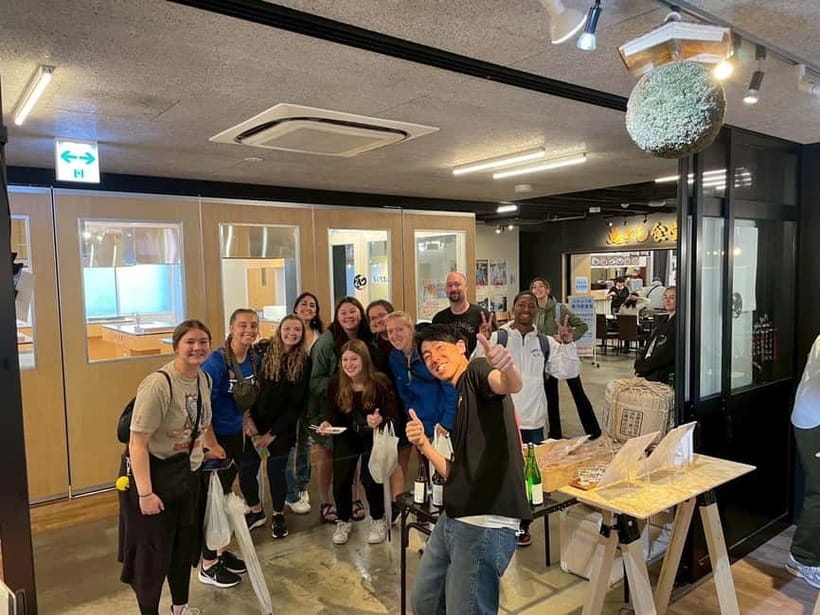
This experience is ideal if you:
- Want to see Tsukiji Outer Market without getting lost in the crowd
- Prefer a guided food plan with a clear ending (not an endless wandering mission)
- Enjoy sake and want it explained by someone who knows the subject
- Like a mix of temple culture + street food + tasting session in one short window
It may be less ideal if you:
- Think one skewer and one tamagoyaki won’t be enough food for your appetite
- Want a lot of free-form shopping time (you’ll pass through market areas, but the tour is structured)
- Don’t want to deal with ID requirements for sake tasting
Tips to get the most from the tour
A few small moves make a noticeable difference:
- Wear comfortable shoes. You’ll walk, and Tsukiji is easier on foot than on wheeled methods.
- If you have any food restrictions, tell the guide ahead of time and at the start of the walk. The tour’s structure works best when your guide knows what to adjust.
- Bring cash for extra market snacks. Included tastings cover the core experience, but Tsukiji tempts you fast.
- Plan your expectations: the included food is curated, not unlimited. Use the tour as your “best-of lesson,” then add on after.
So, should you book Tsukiji Street Food & Sake with a Local Guide?
If you want a smart, short Tokyo experience with real flavor and real context, I think this is an easy yes. The biggest strengths are the structured market guidance, the quality included bites, and the sake tasting that actually teaches you something instead of turning into a quick pour-and-go.
Book it if you’re the type who likes your food with a little explanation and your day with a clear plan. Skip or consider alternatives if you want a long, full-on food marathon where you order as much as you can and wander without guidance.
FAQ
FAQ
How long is the Tsukiji street food and sake tour?
It lasts about 2 hours total, including time at Tsukiji Hongwanji, the Outer Market walk, tastings, and the sake session.
Where is the meeting point?
Meet at the main gate of Tsukiji Hongwanji Temple. The guide will be holding a smartphone displaying AlvaJapan.
What food and drink are included in the tour price?
You’ll get 1 wagyu skewer and 1 tamagoyaki portion, plus tea tasting and samples of black beans, peanuts, and dashi broth. The sake tasting includes 3 types plus 1 special, guided, and it comes with baby scallops.
Do I need ID for the sake tasting?
Yes. ID is required for sake tasting, and the legal drinking age in Japan is 20.
What languages are offered during the tour?
The tour is guided in English, and it also includes Japanese support (bilingual EN/JP).
Is there transportation included to and from the meeting point?
No. Transportation to and from the meeting point is not included.
Is the tour held in rain or shine?
It runs rain or shine, with stops that are mostly covered/indoor.