REVIEW · TOKYO
Nagano: Snow Monkeys, Zenkoji Temple & Sake Day Trip
Book on GetYourGuide →Operated by Travel on Peak · Bookable on GetYourGuide
Hot springs and temples in one long winter day. This private Nagano tour pairs the famous Jigokudani snow monkeys with the calm power of Zenkoji Temple, all handled by an English-speaking driver so you spend less time figuring out trains and more time looking around. I also like that the day can flex, so you can slow down when the scenery (or the line for hot drinks) needs it.
You’ll start with the winter spectacle at Snow Monkey Park, then move to one of Japan’s most revered Buddhist sites at Zenkoji. After that, you get a proper onsen-town break in Shibu Onsen, with a stroll through traditional streets and onsen steam curling through the cold. Depending on timing and your preferences, you can add Obuse, Yamanouchi, and even the Matsushiro Castle Ruins stop.
The main drawback is the sheer amount of driving time, especially if you begin in Tokyo. From Tokyo to Nagano is about 3.5 hours, so plan for a full day and wear layers you can actually move in.
In This Review
- Key things to know before you go
- Jigokudani Snow Monkeys: the winter walk and the hot-spring payoff
- Zenkoji Temple and the Okaidan Passage: quiet reverence with a real sensory moment
- Shibu Onsen: a historic onsen town break that actually feels like a break
- Obuse and Hokusai: Edo-era charm plus treats and local drinking culture
- Matsushiro Castle Ruins: short history stop with samurai echoes
- Price and Logistics: is $525 per group worth it?
- Timing the long day: how to pace snow, temples, and onsen town
- Comfort, language, and small details that make it feel smooth
- Who should book this Nagano day trip?
- Should you book this Nagano Snow Monkey and Zenkoji tour?
- FAQ
- What does the tour include?
- Where does the tour start from?
- How long is the drive from Tokyo to Nagano?
- Is the itinerary fixed or can it change?
- Are entrance fees included?
- Do I need to book in advance?
- What should I bring?
- Is the tour suitable for people with animal allergies?
- Is smoking allowed during the trip?
- What languages are available?
- Can I cancel if my plans change?
Key things to know before you go
- Private car, flexible stops: Customize the route and pace with an English-speaking driver.
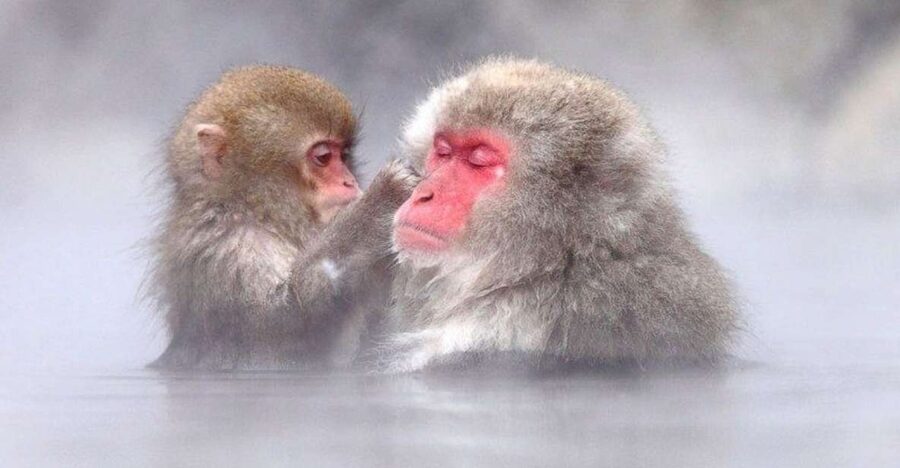
- Snow Monkey Park in winter: Expect a snowy forest walk and hot-spring viewing of Japanese macaques.
- Zenkoji’s Okaidan Passage: A pitch-black corridor that adds real drama to the temple visit.
- Shibu Onsen on your schedule: Stroll the historic hot-spring town and (if you want) add a private soak.
- Optional Matsushiro Castle Ruins: Quick, meaningful history between colder-weather sights.
- Not for animal allergies: The tour is not suitable for people with animal allergies.
Jigokudani Snow Monkeys: the winter walk and the hot-spring payoff
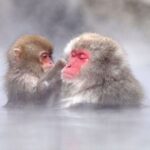
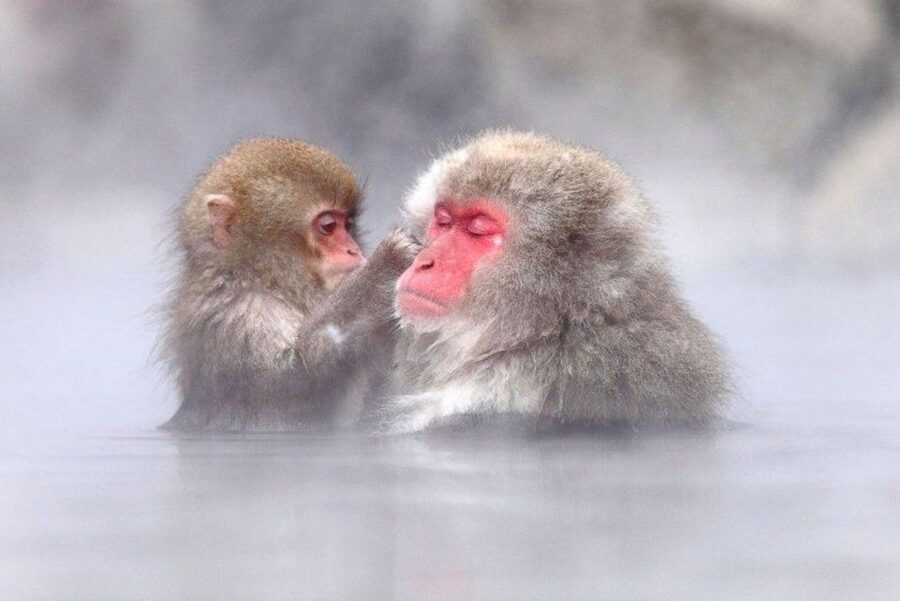
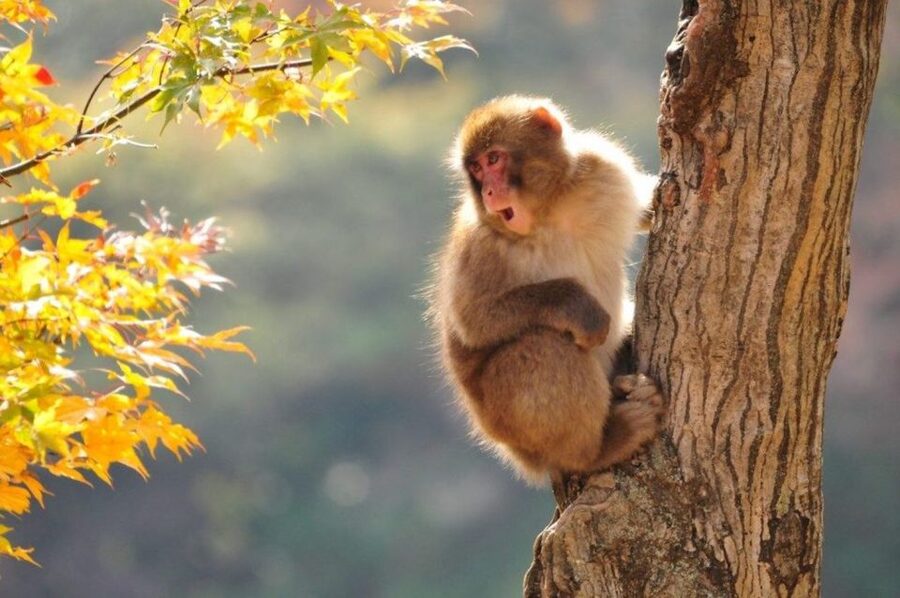
Snow Monkey Park at Jigokudani is the reason most people plan a Nagano day trip in winter. The format is simple: you walk up through a snowy, forested area (this is part of the experience), then you reach the viewing area where Japanese macaques spend time around hot springs.
What I like about this stop is that it’s not just a photo opportunity. The whole setting feels like a little movie set: snow on the ground, steam rising from the water, and monkeys acting like they own the place. The trail leading in matters too. Even if you’re cold, you get that slow build of views before you see the first monkeys.
A few practical tips help a lot here:
- Bring comfortable shoes with grip. Winter paths can be slick.
- Dress in warm layers, not one huge coat. You’ll likely walk and then stand to watch.
- Use your camera early. The light and the steam effects can change fast.
Also, don’t expect the monkeys to be “performing” on command. They soak, chat, and bounce around naturally. When you relax your expectations, you’ll enjoy it more.
One more heads-up: this tour is not suitable for animal allergies, so if that’s you, skip it.
You can also read our reviews of more tours and experiences in Tokyo.

Zenkoji Temple and the Okaidan Passage: quiet reverence with a real sensory moment
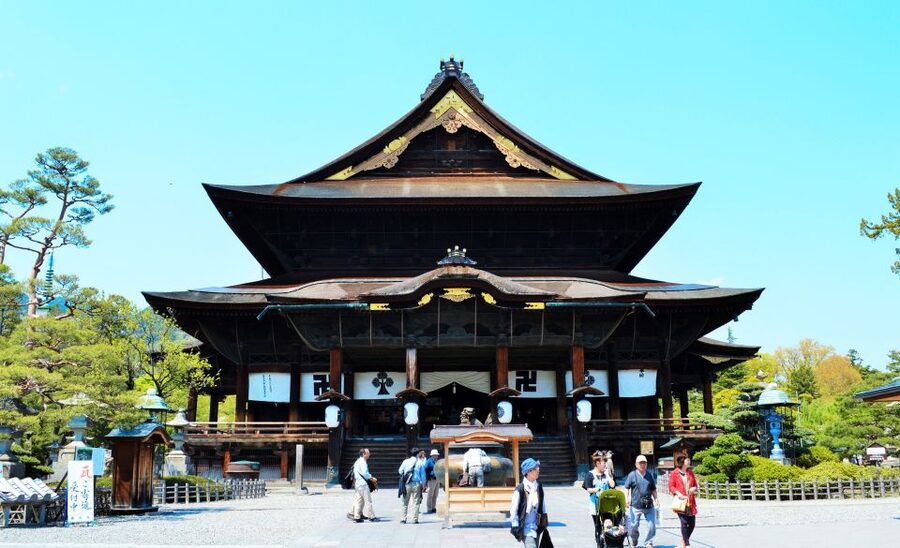
After the snow monkeys, the mood shifts—Zenkoji Temple is all about stillness and reverence. Zenkoji is one of Nagano’s most treasured Buddhist sites, with a history reaching back over a thousand years. You’ll see classic wooden temple architecture and intricate carvings that look impressive even at a normal walking pace.
But the standout part for many visitors is the Okaidan Passage. It’s a pitch-black corridor beneath the main hall, and the experience is designed as a symbolic passage—people talk about seeking the key to paradise. You don’t need to be a scholar to feel the contrast here. Coming from bright snow scenes to a dark, enclosed corridor puts you in the temple’s mindset instantly.
Practical notes that make this more enjoyable:
- Slow down in the temple grounds. Even a short stop to watch worshippers can change how you see the place.
- Keep your phone/camera use respectful and brief, since temples are active spiritual spaces.
- If you’re a little claustrophobic, the darkness might not feel “scary,” but it can be intense. Go with it anyway.
I like that the visit gives you more than just buildings. You get a grounded sense of how people move through space when they believe it matters.
Shibu Onsen: a historic onsen town break that actually feels like a break
Shibu Onsen is where the day shifts from “watching sights” to “walking and breathing.” It’s a historic hot spring town known for rejuvenating baths, and the streets have that old-school onsen vibe—ryokans, steam in the air, and a slower pace than the big cities.
This stop works well for families too. Even if you’re not into temples, the onsen-town atmosphere gives everyone something easy: warm drinks, window-shopping, and the simple pleasure of seeing steam rise in winter.
Your tour gives you time to stroll through the traditional streets. There’s also an optional private soak if time permits. That choice is worth thinking about. If you’ve spent hours in cold weather and walking, a soak can be a reset button. If you’d rather keep moving, you can still enjoy the town vibe without booking a bath.
Quick guidance:
- If you plan on soaking, keep some cash and small valuables secured.
- Wear easy-to-remove outer layers for the onsen-town transition.
- Take advantage of the pause. This is not the time to rush for one more photo.
Obuse and Hokusai: Edo-era charm plus treats and local drinking culture
On the way through Nagano, you may stop in Obuse, a picturesque town known for Edo-era charm. It’s also associated with chestnut delicacies and local culture around sake breweries.
One of the most clear-cut, efficient add-ons here is the Hokusai Museum, dedicated to the works of Katsushika Hokusai. Even if you don’t know much about ukiyo-e art, you can still appreciate the point of a museum stop: you’re seeing someone’s creative world with less guesswork than wandering random souvenir shops.
What I like about adding Obuse is that it balances the day’s “big icons” (snow monkeys, Zenkoji) with something smaller and more human-scale. You get to wander, snack, and browse without feeling like you’re racing.
Possible downside: if the day runs tight, you’ll want to prioritize either the museum or the streets. You might not have time for everything.
Matsushiro Castle Ruins: short history stop with samurai echoes
Depending on your timing, your tour can include Matsushiro Castle Ruins. This is an optional stop, but it gives the day another angle: samurai-era heritage in a quieter setting than the major attractions.
Even if you’re not a history buff, ruins can be powerful because you can actually read the terrain. You’re seeing what’s left, not just hearing about it. It’s a nice counterweight to the wildlife-and-temple day structure.
One thing to keep realistic: this is an extra stop, so it can add cold-weather walking. If it’s snowing hard or you’re running low on energy, consider skipping it and using the time for Shibu Onsen or Obuse instead.


Price and Logistics: is $525 per group worth it?
This tour is priced at $525 per group, up to 6 people. On a per-person basis, that can look steep—until you remember what you’re buying.
You’re paying for:
- a private, comfortable car
- an English-speaking driver
- guided time at the Snow Monkey Park and Zenkoji Temple
- onsen-town time at Shibu Onsen
- optional extra stops like Matsushiro Castle Ruins
The value clicks hardest if you’re traveling with family or a small group. Splitting the cost turns it into a much more reasonable outing than paying separate fares and transfers. Plus, the long drive from Tokyo to Nagano is about 3.5 hours, and private transport makes that easier than juggling trains with winter bags.
The driver experience seems to matter here. Names that come up include Busal, Sikandar, and Naroz, described as professional, attentive, gentle, and helpful. One account even notes Sikandar provided extra time at no additional charge so the group could explore at their own pace. That kind of flexibility is hard to guarantee on public transport.
What’s not included: entrance fees at attractions. You should budget for that separately, especially if you add museums.
Bottom line: this is good value when you want comfort, timing control, and a smooth full day more than you want to chase schedules.
Timing the long day: how to pace snow, temples, and onsen town
A “full-day” Nagano tour sounds simple until you picture winter travel. Cold slows everyone down. Dark arrives earlier than you may expect. Walking takes more effort.
Here’s how I’d pace it so the day stays enjoyable:
- Wear boots or shoes that can handle slush.
- Bring snacks and water. There’s no guarantee you’ll want to rely only on whatever is nearby at the right moment.
- Use the onsen-town stop as your energy reset. Shibu Onsen is built for slowing down.
And remember, your driver can often adjust timing. Because the tour is customizable, you can trade minutes between stops to fit your group. That’s especially useful with kids, who may want shorter bursts of walking and more time resting.
Also note: smoking is not allowed in the vehicle. If anyone in your group smokes, plan breaks before you meet the driver and keep it compliant.
Comfort, language, and small details that make it feel smooth
This tour runs with an English-speaking driver, and languages listed include English and Hindi. That matters more than people think. Clear communication helps you understand what you’re seeing at Zenkoji and how to make the most of the park time without feeling lost.
A few other practical items from the tour info:
- Bring a camera and warm outerwear.
- Comfortable shoes are non-negotiable for winter walking.
- Have a small snack stash for gaps between stops.
If you’re prone to motion sickness, the ride could feel long if you’re sensitive. The route is mostly car travel, so you can manage it with breaks and hydration.
Who should book this Nagano day trip?
I think this tour is a strong match if you want:
- the headline winter experience of snow monkeys in hot springs
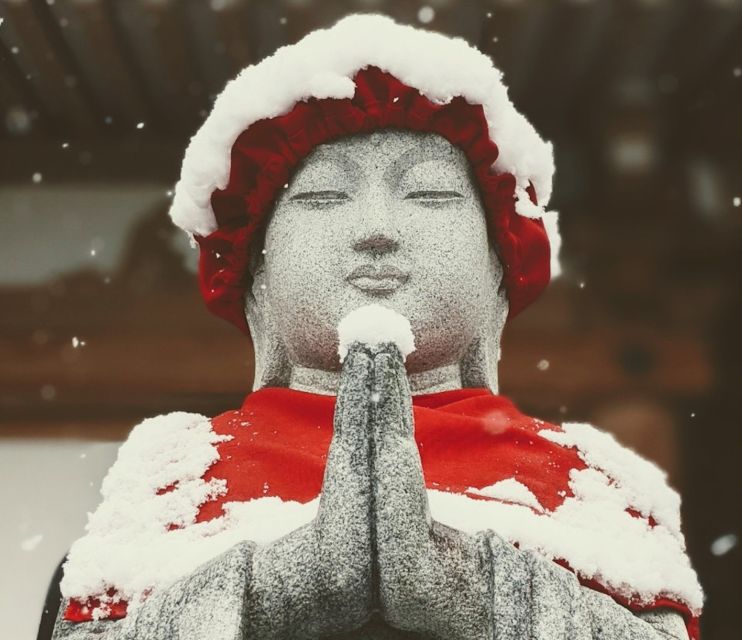
- a meaningful temple stop at Zenkoji, including the Okaidan Passage
- a real taste of onsen-town life in Shibu Onsen
- to avoid the stress of coordinating transport in winter
It’s also a smart option if you’re traveling with kids. One family specifically noted their kids loved the snow monkey experience, and private transport makes winter days easier when everyone has different energy levels.
I’d think twice (or skip) if:
- you have animal allergies
- you hate long drives and long days
- you want a mostly self-guided day with no set structure at all
Should you book this Nagano Snow Monkey and Zenkoji tour?
Book it if you want maximum winter payoff with minimum friction. The mix is practical: wildlife you came for, temple culture you can’t easily replicate on your own in one day, and an onsen-town reset to keep the day from becoming a nonstop checklist.
Don’t book it if your priority is a short, low-driving outing, or if animal allergies apply. Also be honest about the pace: you’ll be in motion most of the day, even though the stops themselves give you time to breathe.
If you do book, I’d plan your priorities like this: protect your warmth for Jigokudani, respect the temple atmosphere at Zenkoji, and use Shibu Onsen as your quality-time buffer. With that approach, this day trip stops feeling like a grind and turns into a very memorable Nagano winter story.
FAQ
What does the tour include?
The tour includes private transportation in a comfortable car, an English-speaking driver, a visit to the Snow Monkey Park, an experience at Zenkoji Temple, and time to stroll through Shibu Onsen. Matsushiro Castle Ruins is optional.
Where does the tour start from?
You can start from either Tokyo or Nagano.
How long is the drive from Tokyo to Nagano?
The drive from Tokyo to Nagano is approximately 3.5 hours.
Is the itinerary fixed or can it change?
It’s fully customizable. You can adjust the itinerary to your preferences.
Are entrance fees included?
No. Entrance fees at attractions are not included.
Do I need to book in advance?
You can reserve and pay later, so you can keep your plans flexible.
What should I bring?
Bring comfortable shoes, warm clothing, a camera, snacks, and water.
Is the tour suitable for people with animal allergies?
No. It’s not suitable for people with animal allergies.
Is smoking allowed during the trip?
No. Smoking is not allowed in the vehicle.
What languages are available?
The tour lists English and Hindi.
Can I cancel if my plans change?
You can cancel up to 24 hours in advance for a full refund.