REVIEW · KABUKICHO
Casual Japanese SAKE tasting and snack experience in Kabukicho
Book on Viator →Operated by Bancre Inc. · Bookable on Viator
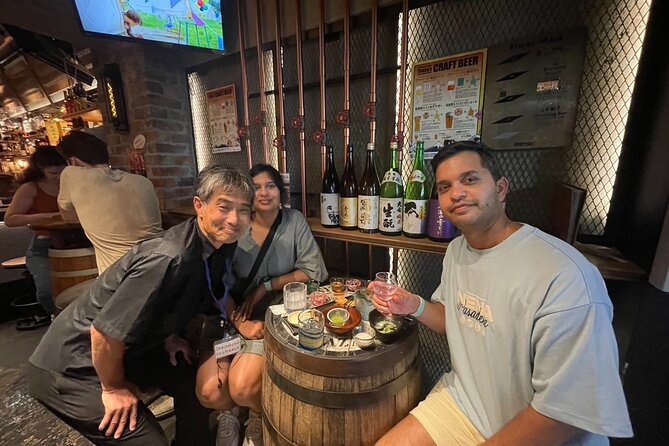
Sake in Kabukicho is a whole mood. You get an easy, social Japanese sake tasting built around eight carefully chosen pours from across Japan, plus snack pairings that make the flavors make sense fast. I like the step-by-step pacing, starting with simpler bottles and moving toward more expressive aromas. I also like the food pairing approach, which turns sake from a mystery into something you can actually taste and compare. One possible drawback: if you expect deep, lecture-style history for each pour, the experience stays more focused on tasting than on lots of theory.
This is also a small-group setup, max 8 travelers, so you’re not just floating through a menu. You’ll meet at Shinjuku Ale (1F/2F), near Kabukichō in Shinjuku, and the whole thing runs about an hour with a mobile ticket. It’s guided, casual, and designed for first-timers and curious regulars.
In This Review
- Quick hits
- Kabukicho meets a calm tasting room at Shinjuku Ale
- The eight-sake flight: how the order helps you taste better
- Food pairings that make sake feel logical, not complicated
- Temperature and season: why the same sake can taste different
- The sweet ending: amazake as your dessert-style finish
- Price and value: what $39.64 buys you in Tokyo
- Who this tour suits best (and who might want a different style)
- Practical logistics: timing, group size, and meeting place
- What to do before you arrive
- Should you book this Kabukicho sake tasting?
- FAQ
- How long is the sake tasting experience?
- How many sakes do you taste?
- What is the starting alcohol level like?
- What food is included?
- What are the age requirements?
- Where does the experience start and end?
- Is cancellation free?
- What’s the group size limit?
Quick hits
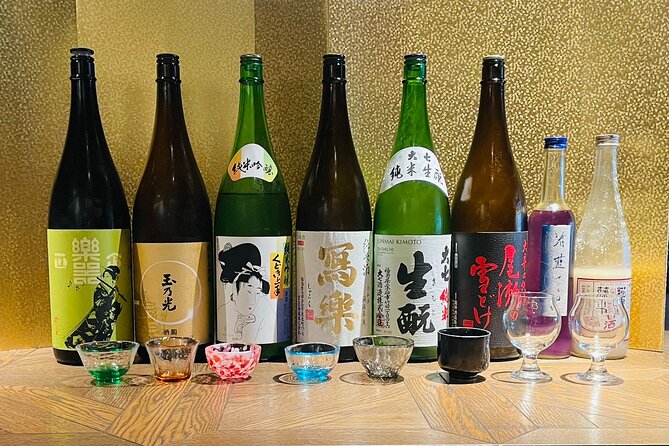
- Eight sakes in one session, sourced from across Japan
- Start lower alcohol (about 15–16%), then taste your way upward
- Snack pairings that show you how sake changes with food
- Amazake at the end, the sweet rice-koji drink served as a dessert-style finish
- Small group (up to 8), with a real host-led flow
- Kabukichō energy, inside a tasting bar vibe (often the kind of place where karaoke can be around)
Kabukicho meets a calm tasting room at Shinjuku Ale
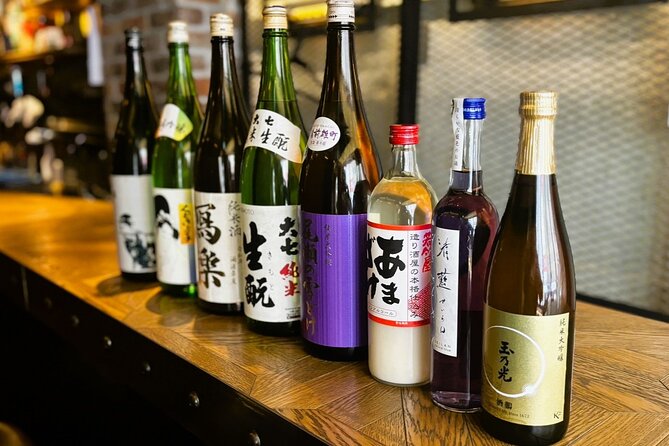
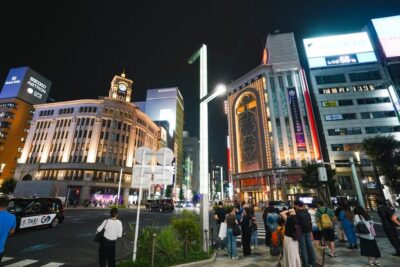
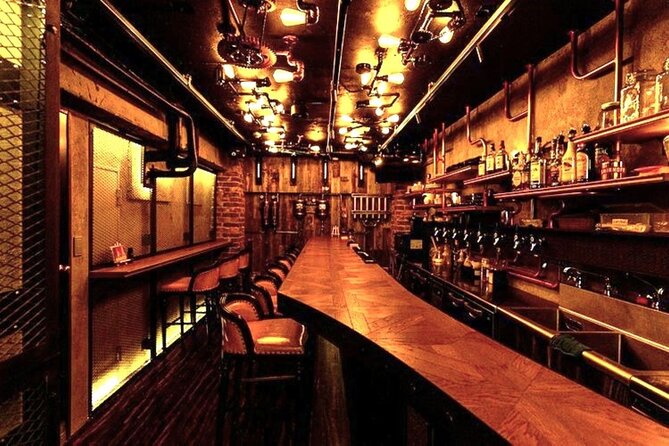
Kabukichō is loud outside. The tasting experience is meant to feel friendly inside. You’ll start at Shinjuku Ale in Shinjuku (1F/2F), and the location is convenient for hopping on local transit before you head in.
What I like about this setup is the focus. You’re not spending time shuttling between stops. Instead, you get a single hour to compare a meaningful range of sake in one place, with snacks to keep everything easy and moving.
Also, this is the kind of experience that works even if you’re only in Tokyo for a short window. One hour is short enough to fit into a rainy afternoon, and the pacing keeps you from getting overwhelmed by too many choices.
You can also read our reviews of more tours and experiences in Kabukicho.
The eight-sake flight: how the order helps you taste better
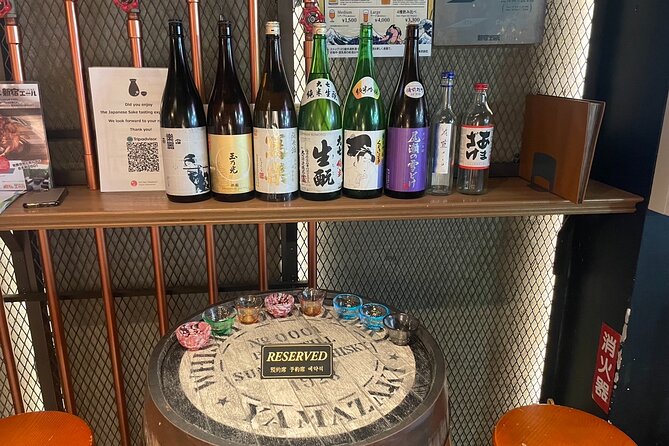
The tasting is structured like a palate training session, even though it stays relaxed. You begin with sakes around 15–16% alcohol (lower alcohol to start) and then progress toward more distinctive expressions. The idea is simple: by starting easier, you give your nose and tongue a baseline before you meet the more aromatic, character-driven bottles.
In practical terms, this ordering helps you notice differences that you might miss if everything arrived at once. When the earlier sakes are lighter or simpler, the later ones stand out more clearly—especially in aroma and flavor depth.
You’ll be tasting eight carefully selected sakes, and the experience is designed to be approachable. You don’t need to memorize production terms. You just need to taste, compare, and let the host steer you when something surprising shows up.
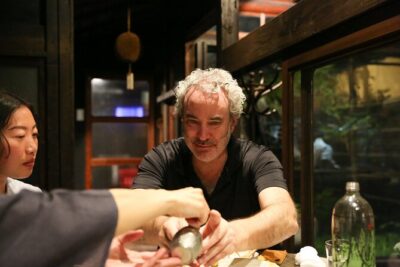
You might also meet a guide who’s been known to take a personal, conversational approach, with sessions featuring hosts such as Saki or Sakiko (names shown from past experiences). That matters because the best tasting isn’t just about sipping; it’s about getting small pointers on what to look for as each pour lands.
Food pairings that make sake feel logical, not complicated
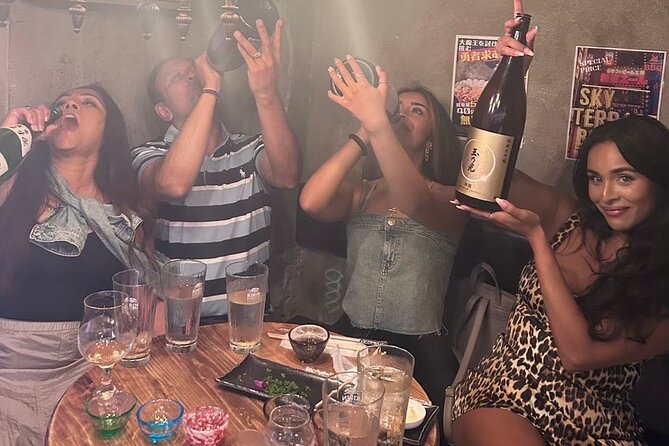
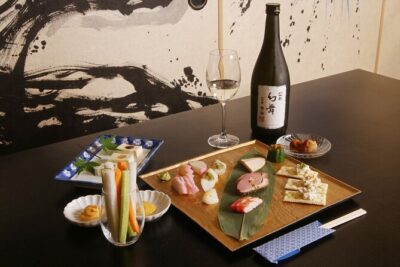
Here’s the part that really helps first-timers: the snacks aren’t random. They’re included so you can see how sake interacts with food.
That pairing approach is valuable because sake isn’t one fixed flavor. It changes with temperature, serving style, and—big one—what you eat alongside it. When food is part of the tasting, you stop thinking of sake as a standalone drink and start tasting it like cuisine.
You can expect traditional Japanese snack pairings throughout the session. Some snacks lean salty or savory, which can bring out crispness or balance in the sake. Others help you notice sweetness, texture, or the way alcohol heat feels after a bite.
If you’re the kind of person who likes learning through doing—tasting, taking a bite, then noticing the shift—you’ll probably enjoy this format. It’s also a comfort factor if you worry about drinking something you don’t like. The food gives you a softer landing while you figure out what style you prefer.
Temperature and season: why the same sake can taste different
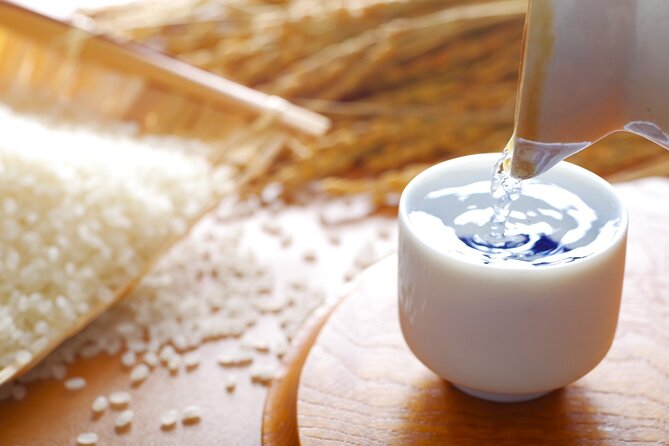
The experience is built around the idea that sake can be enjoyed at different temperatures, depending on the season and the dish. You’ll explore how temperature affects aromas and flavor perception—one of the quickest ways to understand why sake can feel so different from bottle to bottle.
Even when the session doesn’t turn into a science class, temperature is where you’ll likely notice the most immediate changes. Warmer serving can bring forward aroma and soften edges, while cooler serving tends to highlight crispness and clean finish.
So if you’ve ever wondered why someone swears a certain sake is amazing hot but just okay cold, this is exactly the kind of tasting where that question gets answered in real time.
The sweet ending: amazake as your dessert-style finish
The finale is amazake, a sweet fermented rice drink made from rice koji. It’s served as a dessert-style end to the tasting, and it’s also described as being known in Japan as drinkable IV for its easy, comforting feel.
This matters because it changes the tasting mood. After a progression of different sakes—each with its own alcohol level and flavor profile—you end with something smoother and sweeter. That contrast helps your palate reset and gives you a clear before/after moment you can remember.
If you tend to avoid alcohol or you just want a gentle finish, amazake is a smart way to close out the hour. It turns the session into more of a food-and-drink experience than a pure alcohol tasting.
Price and value: what $39.64 buys you in Tokyo
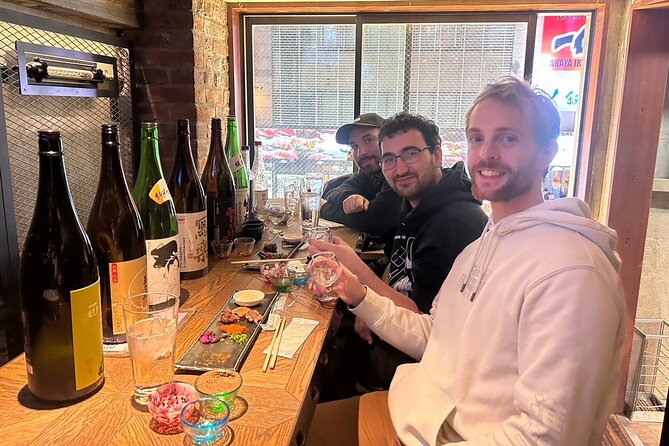
At $39.64 per person, this is priced like a focused, single-session tasting. You’re not paying for a long day or a transportation-heavy itinerary. You’re paying for an ordered flight of eight sakes, snacks, and all fees and taxes.
That’s the main value story: you’re getting a lot of tasting variety in about an hour, plus the food pairings that help you actually understand what you tasted. For first-timers, the “guided comparison” is the real benefit. You’re not spending money on random bottles at a bar and hoping you guessed right.
For enthusiasts, the value comes from tasting multiple styles back-to-back rather than sipping one bottle slowly and not knowing what it would have tasted like in a different context. A structured flight reduces the guesswork.
If you’re on a tight schedule, this also has a nice practicality advantage. One hour is manageable, and you can still do other Shinjuku plans afterward.
Who this tour suits best (and who might want a different style)
This works especially well if you’re:
- New to sake and want a guided start with a clear progression
- Curious about how sake changes with food
- The type who enjoys small, social tastings rather than formal tastings
It may be less ideal if you’re:
- Looking for a deep technical course on sake brewing, regions, and production methods for each pour
- Wanting lots of structured explanation per sake rather than a more tasting-first flow
One more note: this isn’t open to everyone. Since it involves serving Japanese sake, participants must be 20 or older, and underage drinking is prohibited.
Practical logistics: timing, group size, and meeting place
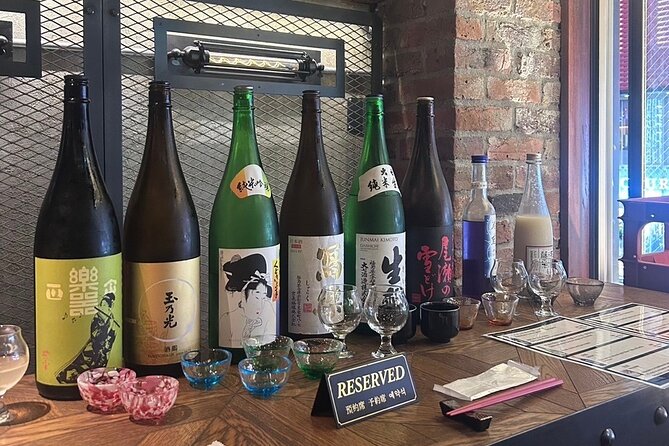
The experience is about 1 hour (approx.), and the group is capped at 8 travelers, which keeps things personal. You’ll start and end at the same spot: Shinjuku Ale, 1-chōme-14-5 Kabukichō.
It’s a mobile ticket experience, and it’s near public transportation, which is helpful in Shinjuku’s busy web of stations and streets. You’ll want to budget for getting yourself to the meeting point since transportation isn’t included, and there’s no hotel pick-up or drop-off.
What to do before you arrive
You don’t need special knowledge. But a little prep makes the experience more fun.
I’d suggest you:
- Come hungry-ish so the snack pairings land well
- Stay ready to compare tastes rather than chase one favorite right away
- Expect the order to matter, especially the move from lower alcohol toward more character
If you have dietary restrictions, the experience includes snacks and there was mention of the need to reserve a vegetarian option in at least one case. If that applies to you, confirm options before you go so you’re not stuck making do.
Also, keep your expectations realistic for the time window. It’s a one-hour tasting designed to cover variety, not to slow down into a long menu discussion.
Should you book this Kabukicho sake tasting?
Book it if you want a low-stress way to understand sake through eight different pours plus food. This is a smart choice when you’re short on time but still want something genuinely Japanese, guided, and interactive. The snack pairings and the amazake finish make it feel like more than just drinking.
Skip it (or consider another style) if you’re chasing heavy technical detail or a long form lecture. This experience is structured for tasting and enjoyment, not for deep brewing instruction.
For most people visiting Tokyo—especially anyone who wants a fun evening activity in Shinjuku—this hits a great balance of variety, value, and a small-group pace.
FAQ
How long is the sake tasting experience?
It lasts about 1 hour (approx.).
How many sakes do you taste?
The tasting includes eight carefully selected sakes.
What is the starting alcohol level like?
The session begins with simpler sakes, typically around 15–16% alcohol, and then progresses to more distinctive options.
What food is included?
Traditional Japanese snacks are included during the tasting, and the experience ends with amazake, a sweet fermented rice drink.
What are the age requirements?
You must be 20 years old or older because the experience involves serving Japanese sake and underage drinking is prohibited.
Where does the experience start and end?
It starts at Shinjuku Ale (1F/2F), 1-chōme-14-5 Kabukichō, Shinjuku City, Tokyo, and ends back at the same meeting point.
Is cancellation free?
Yes. You can cancel up to 24 hours in advance for a full refund.
What’s the group size limit?
The experience has a maximum of 8 travelers.