REVIEW · KOBE
Sake Brewery and Japanese Life Experience Tour in Kobe
Book on Viator →Operated by OTOMO Travel Guide · Bookable on Viator
Sake in Kobe feels real fast. This private 4.5-hour experience pairs sake tasting at the Hakutsuru Sake Brewery Museum with visits to long-running breweries tied to Nada’s brewing tradition, and it also walks you through how sake shows up in everyday food like mirin and pickles; the tradeoff is you’ll cover a lot of street time, and some stops may ask for cash (some places don’t take credit cards).
I like that the focus stays practical: you learn the brewing process, you sample, and you walk through busy shopping lanes instead of doing a sit-and-watch tour. One thing to consider is that it does not include a meal stop, so you’ll want a snack plan if you’re heading straight to dinner afterward.
If you’re lucky with your guide, it can be a big difference. Names like Norio and Tomoko show up in the guide feedback often, and the tone tends to be upbeat and explanation-heavy without turning it into a lecture.
In This Review
- Key Things You’ll Notice on This Kobe Sake Tour
- Kobe’s Sake Culture in One Afternoon (and Why It Works)
- Hakutsuru Sake Brewery Museum: See the Brewing Process Before You Taste
- Kobe Shushinkan Breweries: Fukuju and the Nobel Prize Link
- Konan Muko no Sato: Mirin and Pickles Explain the Food Side of Sake
- Walking Suidosuji Shotengai and Oyasutei Ichiba: Kobe on Foot
- Price and Logistics: What You’re Really Paying For
- The Guide Makes the Difference (Norio and Tomoko as Good Examples)
- When This Tour Fits Best (and When It Doesn’t)
- Should You Book This Kobe Sake Tour?
- FAQ
- How long is the Kobe Sake Brewery and Japanese Life Experience Tour?
- Is this tour private or shared?
- What does the tour price include?
- What costs are not included?
- Will there be sake tasting?
- Do I need cash?
- Where do I meet the guide?
- Is the tour ending point the same as the meeting point?
- Can I cancel and get a full refund?
Key Things You’ll Notice on This Kobe Sake Tour
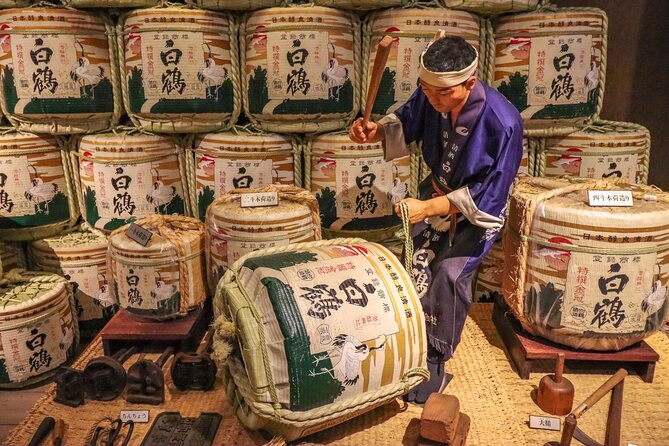
- Hakutsuru Sake Brewery Museum is housed in a building from the early Taisho era and explains the traditional brewing flow
- Fukuju from Kobe Shushinkan is linked to Nobel Prize dinners, which gives the tasting context beyond Japan-only pride
- Mirin and pickles at Konan Muko no Sato connect sake to the flavors you actually eat in Japanese cooking
- Walking time includes local shopping streets such as Suidosuji Shotengai (over 500 shops) and the older Oyasutei Ichiba market area
- You’ll be on a private tour with your own guide, not a crowded group shuttle
- Bring cash for places that don’t accept credit cards and for any listed admission fee
Kobe’s Sake Culture in One Afternoon (and Why It Works)
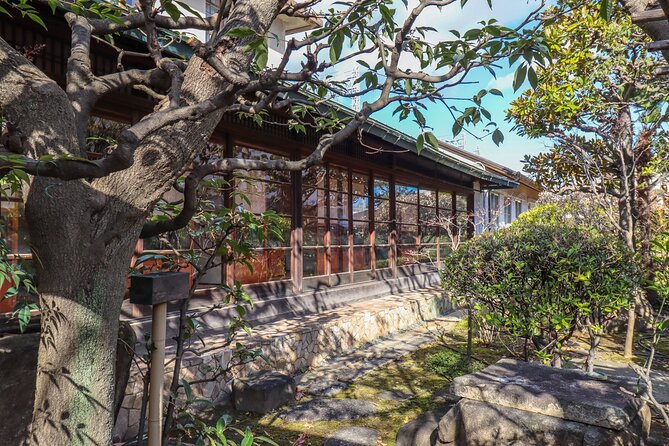
This tour is built for the “I have a limited schedule” traveler. You get a tight mix of fermentation education, tastings, and real neighborhood walking—so you come away with both knowledge and habits for where to eat and what to look for back in your own country.
Kobe matters here because Nada’s sake reputation is tied to the essentials: local rice quality, the water, and the climate. The tour’s rhythm helps you feel why those ingredients matter by moving from brewing to food culture, not just pouring a few glasses and calling it a day.
The practical payoff: after a few hours, you’ll know the difference between sake-adjacent products like mirin and what role pickles play at the table. That makes your next restaurant order feel smarter, not random.
You can also read our reviews of more tours and experiences in Kobe.
Hakutsuru Sake Brewery Museum: See the Brewing Process Before You Taste
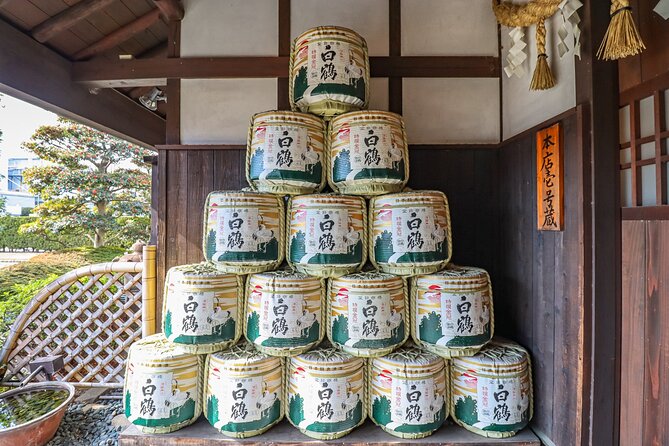
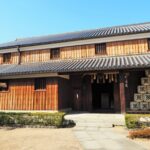
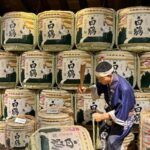
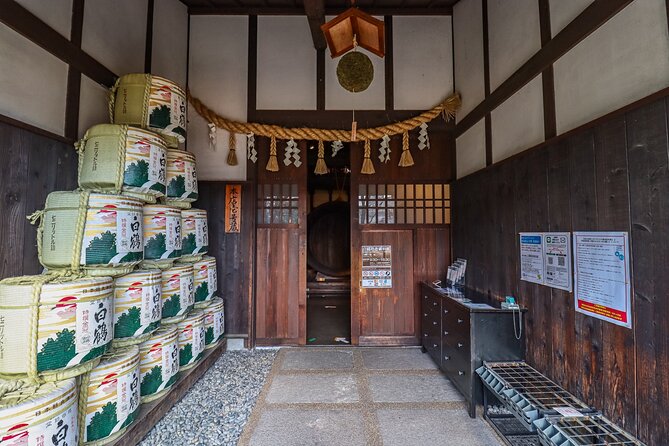
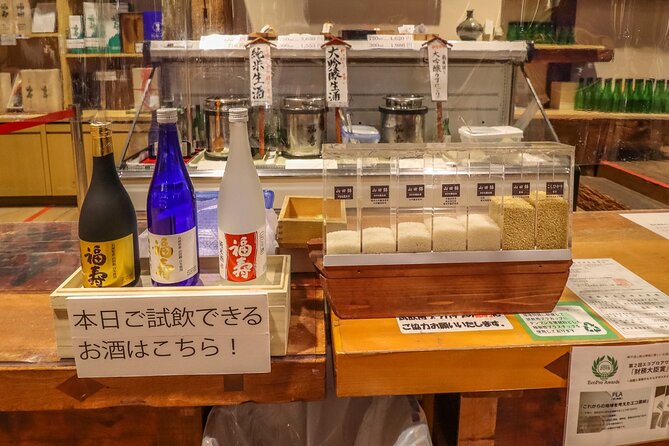
Your morning-to-afternoon start is at the Hakutsuru Sake Brewery Museum, built in the early Taisho era. This isn’t just a pretty building with souvenir shelves; it’s set up to show the traditional sake brewing process and how the brewery operates day to day.
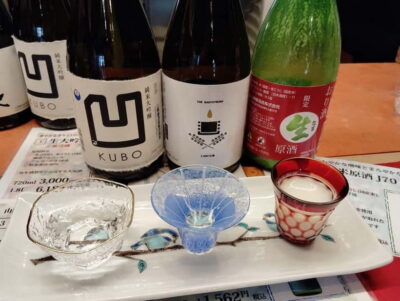
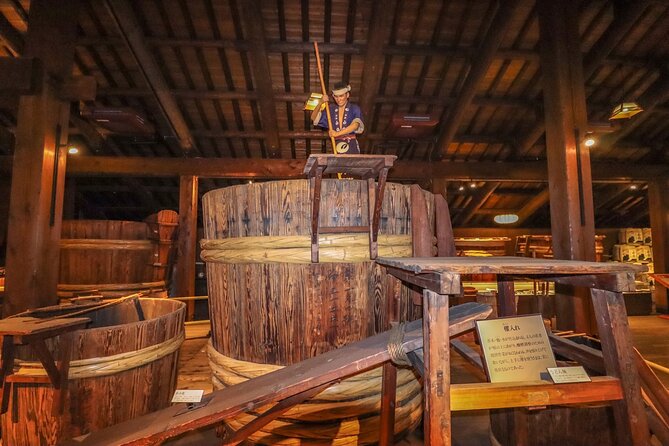
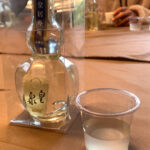
The timing is about 40 minutes, and it’s long enough to walk the exhibits without rushing. You’ll also get sake tasting here, which is key. Tasting right after seeing the process helps the flavors make sense instead of staying vague.
One logistics detail to keep straight: the tour materials you get may show different fee notes. There’s an entrance fee listed for the Hakutsuru museum of ¥530 per person, and there’s also mention of an estimated ¥530 that includes transportation. I’d treat ¥530 cash for the museum as the safe assumption and bring extra small bills for transit and any incidental purchases.
Wear comfortable shoes. Even though the museum stop isn’t “outdoors walking,” you’ll want energy for the street portion later.
Kobe Shushinkan Breweries: Fukuju and the Nobel Prize Link
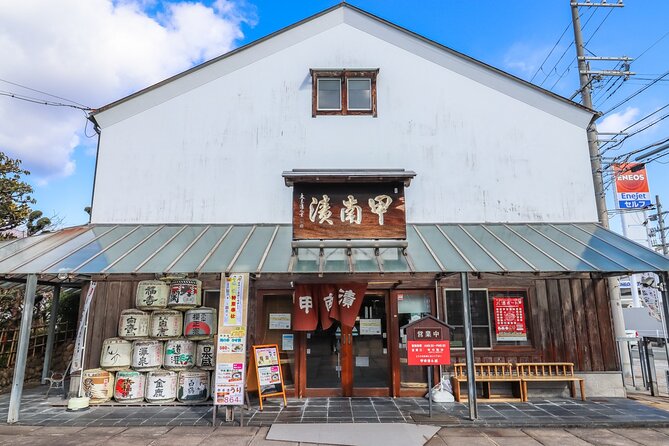
Next you’ll visit Kobe Shushinkan Breweries (often called Kobe Shushinkan). This brewery has been in business for about 250 years, tracing back to the Edo period, which is the big reason this stop feels grounded and not gimmicky.
The headline here is Fukuju, the sake produced by this brewery. It’s the sake served at Nobel Prize dinners, which turns “local craft” into something you can connect to a global stage. I like that kind of context because it raises your curiosity level before you even taste anything.
The stop is about 40 minutes. That’s enough time to understand the brewery’s long run—plus get guided explanation of how Kobe/Nada fits into Japan’s larger sake story. If you enjoy history, you’ll get the Edo-period continuity. If you don’t, the practical angle still helps because you’re learning what makes this place a serious brewing region.
Plan for free-flow questions. I’ve found that the best tours aren’t just about listening; they’re about asking why certain choices are made in brewing and how reputation gets built over centuries.
Konan Muko no Sato: Mirin and Pickles Explain the Food Side of Sake
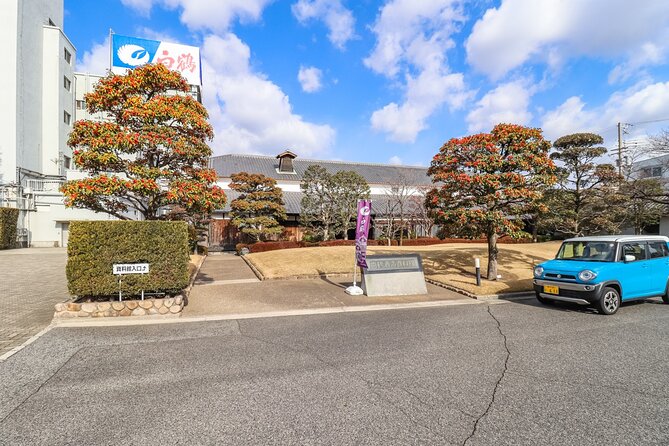
At Konan Muko no Sato, the tour shifts from “how sake is made” to “how sake products show up in cooking.” This stop is centered on pickles and mirin, a sweet cooking rice wine that’s made from similar raw materials as sake.
This 30-minute segment is short, but it serves a purpose: mirin is one of those Japanese pantry items that most visitors recognize only after they’ve tasted it in sauce, glaze, and simmered dishes. Learning what mirin is and why it matters helps you understand why so many Japanese meals taste balanced—sweet, salty, tangy—without feeling sugary.
Pickles also matter here. They’re not an afterthought side dish in Japanese food culture; they’re part of how flavors reset between bites. Seeing pickles as a “food system” instead of a random snack makes the whole experience click.
What you might do with this knowledge later: when you order teriyaki-style dishes, simmered items, or sauces, you’ll have a better sense of what mirin is doing in the background. That turns your Japan meal from “good” into “I get why.”
Walking Suidosuji Shotengai and Oyasutei Ichiba: Kobe on Foot
One of the best parts of this kind of tour is the walking. You don’t just hop from one indoor site to another; you get street-level context for daily life and local shopping rhythms.
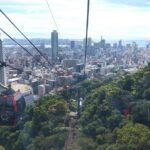
The tour includes time strolling through Suidosuji Shotengai, an arcade area with over 500 local shops. Think of it as a long, pedestrian-friendly slice of “how Kobe shops,” where you can spot everyday brands, food stalls, and the kind of small stores that don’t show up in a quick sightseeing itinerary.
Then you’ll end your tour in the market-shopping area of Oyasutei Ichiba Shopping Street. It has a history of over 100 years and is described as one of Kobe’s oldest shopping streets. Even if you don’t buy much, you’ll notice how long-established storefronts shape the vibe—less polished attraction, more real neighborhood commerce.
Important practical note: some places during this walk may not accept credit cards. So bring cash you’re comfortable using, especially if you want to pick up snacks for later or small gifts.
Also, this isn’t a “sit and rest” tour. If you’re sensitive to walking time, plan for breaks in shaded spots when you can, and choose light clothing.
Price and Logistics: What You’re Really Paying For
At $83.56 per person, this is positioned as a private experience for about 4 hours 30 minutes. That price isn’t just “admission plus a guide.” You’re paying for guided time, a structured route, and a private format where your questions can steer the conversation.
What’s covered: a private tour, a tour guide, and the necessary expenses for the guide during the tour. What’s not covered: estimated transportation costs (given as 530 JPY per person) and the Hakutsuru museum entrance fee (listed as ¥530). Meals aren’t included—there’s no dining stop planned.
Here’s how I’d judge the value: if you’re someone who likes context—why a product exists, how it connects to local life—this price can feel fair because it bundles multiple stops into one guided afternoon. If you mainly want the “fun part” (tasting and shopping) and less of the brewing explanation, you might wish for a bit more food time or a longer stop at one location.
One more logistics detail that matters: the starting and ending meeting points are different. The start is at Sannomiya Station (around the 4-chome area), and the finish is at Kobe-Sannomiya Station (around the 7-chome area on Onoedori). If you want to adjust the ending spot, you’ll need to tell the guide during the tour.
The Guide Makes the Difference (Norio and Tomoko as Good Examples)
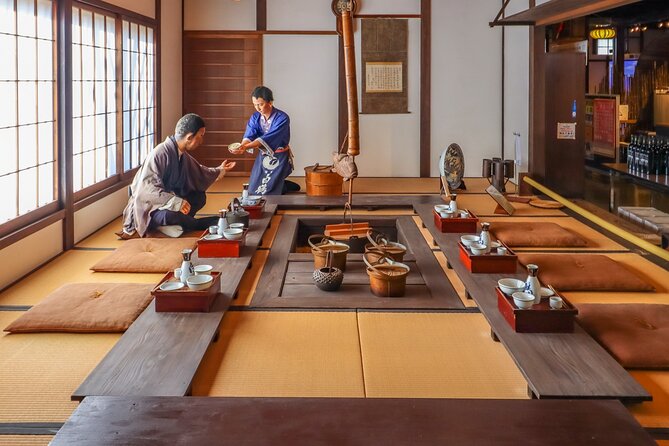
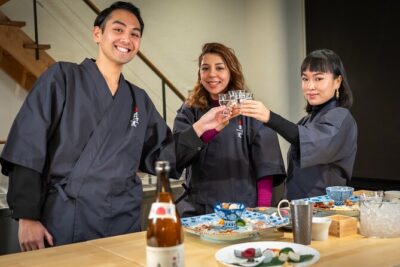
This is a private tour, and your guide is a real part of the product. The names Norio and Tomoko show up in the guide feedback as standouts for being energetic, organized, and able to explain how the process connects to what you’re tasting and buying.
What I look for in a good sake guide is the ability to translate. You want “why” in plain language: why rice and water matter, why Nada gained its reputation, why mirin tastes the way it does, and why pickles show up alongside meals and tasting.
The feedback you’ll often see connected to this tour style is that guides keep it moving without feeling rushed, and they’re ready with answers when you ask what certain flavors are telling you.
If you’re booking with specific questions—like how mirin differs from sake, or what to look for when buying a bottle—say so early. In a private setting, it can genuinely shape what you notice.
When This Tour Fits Best (and When It Doesn’t)
This tour fits best if you want a guided mix of sake culture + food culture. You’ll enjoy it if you like learning processes, then tying them to tasting, then seeing how it shows up in everyday Japanese food shopping.
You’ll also like the walking component if you enjoy trying to read a city by its storefronts. This is not just “photo points.” You’re going through areas where locals actually browse.
It’s less ideal if you’re expecting a food-heavy tasting menu. Meals aren’t included, and the stop plan is built around brewing, tasting, and short culture stops. You can still snack as you go, but you shouldn’t count on a prepared meal.
And if you’re traveling with people under 20: Japan has rules around drinking, and the tour info notes that under 20 aren’t allowed to drink in Japan. That matters for how tasting is handled during the tour.
Should You Book This Kobe Sake Tour?
Yes—if you want a focused afternoon in Kobe that blends brewing education with tastes and food context, without adding the stress of planning stops yourself. The private format, the Hakutsuru museum tasting, and the way the tour connects sake to mirin and pickles make it feel more than a standard brewery visit.
Book it especially if:
- You like structure: museum first, brewery next, food products before shopping.
- You want the Nobel Prize connection explained in a real local setting.
- You’re okay bringing cash and walking a fair amount in comfortable shoes.
Skip it if:
- You want a full meal and a longer food crawl.
- You dislike walking in arcades/shopping streets.
- You’re expecting all tastings and purchases to be covered in the price (you’ll likely pay for the museum fee and transit).
FAQ
How long is the Kobe Sake Brewery and Japanese Life Experience Tour?
It lasts about 4 hours 30 minutes.
Is this tour private or shared?
It’s a private tour/activity, with only your group participating.
What does the tour price include?
It includes the private tour, a tour guide, and the necessary expenses for the guide during the tour.
What costs are not included?
Transportation is listed as an estimated cost of 530 JPY per person. Meals are not included. The Hakutsuru Sake Brewery Museum entrance fee is listed at ¥530 per person.
Will there be sake tasting?
Yes. The tour includes sake tasting at the Hakutsuru Sake Brewery Museum.
Do I need cash?
You should bring cash. Some of the places visited may not accept credit cards, and the Hakutsuru museum has a listed entrance fee.
Where do I meet the guide?
You meet at Sannomiya Station (4-chome area), Kobe. The exact address is provided in the meeting point details.
Is the tour ending point the same as the meeting point?
No. The tour finishes at Kobe-Sannomiya Station (7-chome area on Onoedori). If you want to change the finishing spot, you’ll need to tell your guide.
Can I cancel and get a full refund?
Yes. You can cancel up to 24 hours in advance for a full refund. If you cancel less than 24 hours before the start time, the amount paid isn’t refunded.