REVIEW · KOBE
1-Day Kobe Highlights Tour including Sake Tasting
Book on Viator →Operated by Trip Designer Inc. · Bookable on Viator
Kobe, packed into one smooth day. This 7-hour small-group tour covers big-name stops in Kobe without you fiddling with transit, and it ends with a proper sake tasting at Hakutsuru. You’ll get an English guide, round-trip ropeway access, and timed museum/shrine visits that actually make sense.
I especially love the Nunobiki Herb Gardens experience, because it mixes serious views with a calm walk. I also love the Takenaka Carpentry Tools Museum stop, where Kobe’s connection to craft and building is explained in a way that feels practical, not like a lecture. Plus, guides you may get on the day (names like Aki, Akari, Sunny, Mizu, Koko, and Etsuko show up in past groups) seem to keep people moving at an easy pace.
One consideration: the experience depends on good weather, and there’s at least some chance that one of the garden/museum portions could be closed on the day you go, which can shift the rhythm.
In This Review
- Key points to know before you go
- Why this Kobe highlights day feels efficient (and fun)
- Small-group format: English guide, tight pacing, real choice
- Nunobiki Herb Gardens and the ropeway views from above
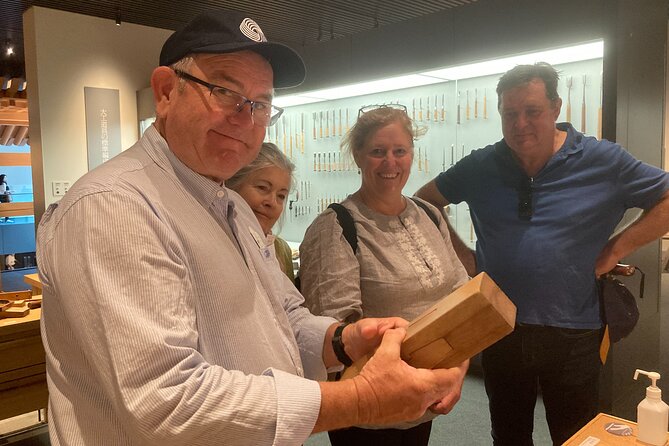
- Takenaka Carpentry Tools Museum: see craft, not just buildings
- Ikuta-jinja: a quick stop with real meaning
- Hakutsuru Sake Brewery Museum and the tasting part that matters
- Logistics that save you time: transport, pickup, and timing
- The real value: what $171.31 buys you (and why it’s not just a ticket)
- Weather and closure risk: how to plan around it
- Should you book the Kobe Highlights + Sake Tasting tour?
- FAQ
- FAQ
- How long is the Kobe Highlights Tour?
- What is included in the price?
- Do I need to buy admission tickets for the main attractions?
- Is pickup available?
- How many people are in the group?
- Where does the tour start and end?
- Is lunch included?
- What should I know about activity level?
- Can I bring service animals?
Key points to know before you go
- Up to 8 people with an English guide for a more personal day
- Ropeway included for the Nunobiki area, plus high views of the falls from above
- Takenaka Carpentry Tools Museum is a standout for anyone who likes how things are made
- Ikuta Shrine is fast but meaningful, including its marriage traditions
- Hakutsuru Sake Brewery Museum includes sake tasting as part of the visit
- Transport is handled with included train travel and pickup in Kobe city
Why this Kobe highlights day feels efficient (and fun)
If you only have one day in Kobe, you want two things: (1) the places that give you the “why Kobe matters” story, and (2) zero stress about getting from point A to point B. This tour nails that mix. You’re guided through nature, craft, religion, and food culture, in a run that’s built around walking time and the specific locations you’d otherwise spend hours researching.
The best part is that the day isn’t just a checklist. The stops connect to each other. You start with the Nunobiki area and its mountain-side views, move into the Takenaka museum’s world of tools and building methods, then shift to Ikuta-jinja for a clear cultural anchor. Finally, you finish at Hakutsuru for sake-making history and samples you can actually taste.
It also helps that the group stays small. With a limit of 8 travelers, you can ask questions without shouting over a crowd, and the guide can slow down when someone needs a photo moment.
You can also read our reviews of more tours and experiences in Kobe.

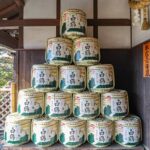

Small-group format: English guide, tight pacing, real choice
The tour is led by an English guide and is described as a private activity where only your group participates. Practically, that means you aren’t being herded with strangers from other parties. You still get the benefits of group logistics—clear timing and someone to manage the movement—but the experience stays human-sized.
A common theme in past groups: the guide quality. People mention guides like Aki, Akari, Sunny, and Mizu for being attentive, explaining what you’re seeing clearly, and keeping the flow comfortable. That matters because some of Kobe’s highlights are on hills or involve short walks—if the guide rushes, the day feels stressful. When they pace well, you get both the sights and the time to actually look.
Group size also affects the “feel” of the day. You can notice details you’d otherwise miss: the tools’ design, the garden’s viewpoints, and the shrine atmosphere. This is the kind of tour where you come away with impressions, not just photos.
Nunobiki Herb Gardens and the ropeway views from above
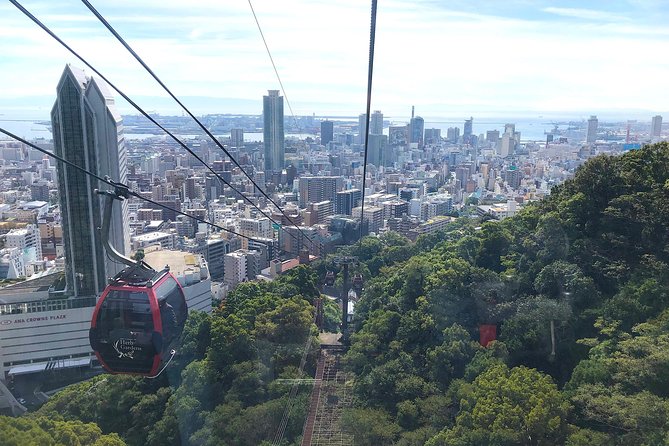
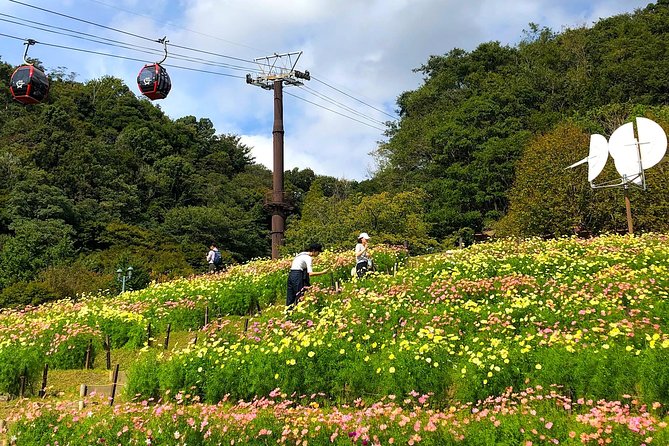
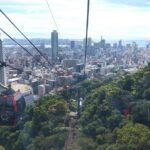
The Nunobiki Herb Gardens stop is where the day turns from city logistics into scenery. The garden is described as Japan’s largest herb garden, with 75,000 herbs and 200 flower species, and the visit is timed at 1 hour 30 minutes with admission included.
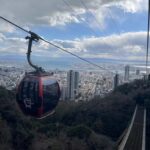
Here’s what you’ll feel when you get there: a hillside setting that rewards slow walking. Views of Kobe City stretch out around you, with the Mt. Rokko area in the mix. On top of that, you don’t just get a flat garden stroll. You also get the perspective of the Nunobiki Falls area from higher up. The tour includes a round-trip ropeway, and that means the “look at the falls from the sky” moment is built in.
That ropeway detail is more important than it sounds. If you’re trying to reach viewpoint spots on your own, you can lose time and energy figuring out the best route. Here, it’s packaged. You can focus on enjoying the garden instead of playing transportation chess.
A practical tip: wear shoes you can walk in on uneven, sloped paths. Even if the walking isn’t extreme, the garden’s layout changes how your footing feels.
Takenaka Carpentry Tools Museum: see craft, not just buildings
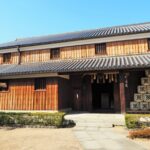
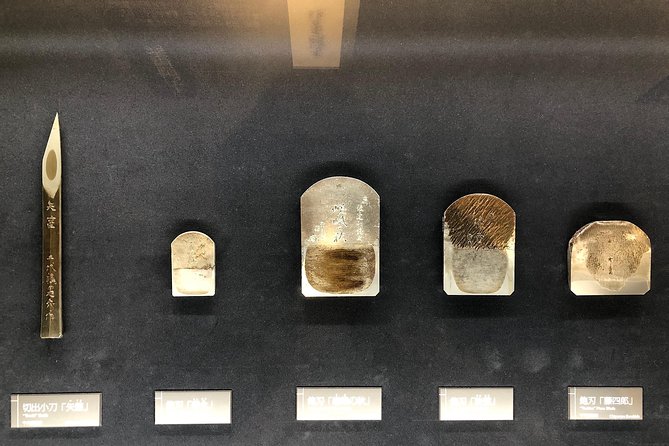
Next up is the Takenaka Carpentry Tools Museum, about 1 hour with admission included. It’s a short walk from Shin-Kobe Station, which helps keep the day logical—no long transfer required in the middle of your sightseeing.
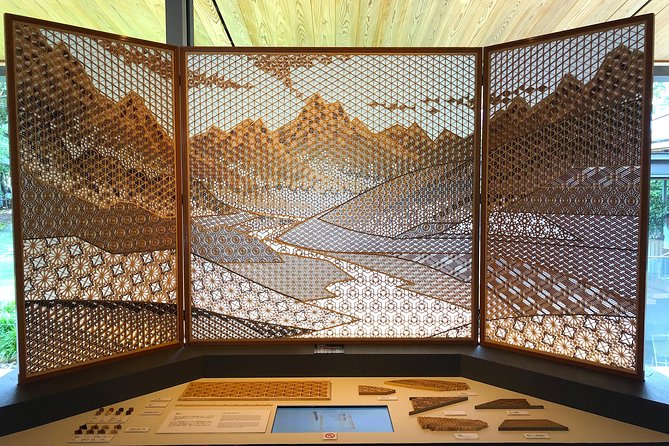
This museum’s appeal is that it’s specific. It’s not a general “history of architecture” stop; it’s focused on carpentry tools and the work behind traditional building methods. One past highlight called it an amazing place with lots of history and a well-laid-out display in a striking building.
Why you’ll probably enjoy it even if you’re not a museum person: tools are concrete. You can stand in front of an object and instantly grasp that someone made decisions—about materials, shape, and technique. It’s the kind of place where questions pop up naturally, and a good guide can connect the items to what you’ll notice elsewhere in Kobe.
Time-wise, you get enough room to wander and read without feeling like you’re sprinting. If you like practical explanations and visual displays, this stop often becomes the surprise favorite.
Ikuta-jinja: a quick stop with real meaning
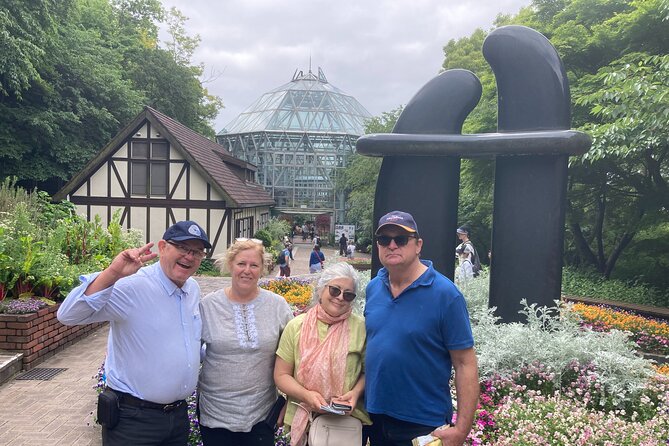
Ikuta-jinja is your short shrine stop, about 20 minutes, and admission is free. It’s described as one of Kobe’s most popular shrines and is tied to Kobe’s name origin. It also honors the god of marriage, with many couples holding wedding ceremonies there.
If that sounds like a lot of cultural context for such a short visit, that’s the point. This is the “pulse” stop: it gives you a sense of how religious traditions are part of daily life in the city, not sealed inside a museum.
A good way to approach it: don’t try to see everything at once. Use the time to notice the atmosphere, the pacing of people visiting, and the way the shrine space shapes movement. If you’re traveling with someone who loves photos, you’ll also likely find angles that show how the shrine sits within the surrounding urban setting.
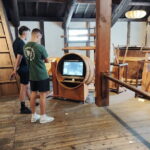
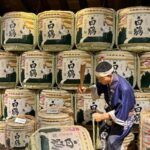
Hakutsuru Sake Brewery Museum and the tasting part that matters
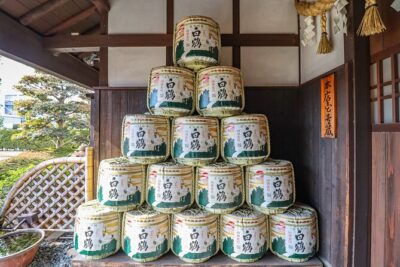
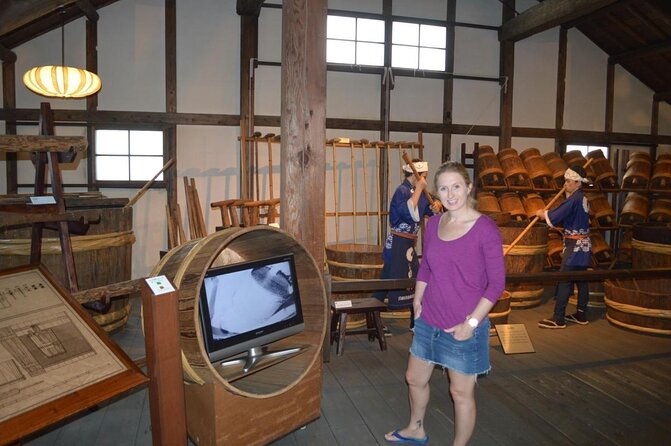
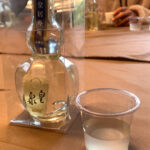
The Hakutsuru Sake Brewery Museum wraps up the day, with about 50 minutes on site. Admission is free, but the key included feature is the sake tasting.
Hakutsuru is known for being an early adopter of sake trends, including chilled sake and packaging that’s more accessible—plastic bottles for easy drinking are mentioned. That matters because the museum isn’t only about old-time romance. It connects sake-making to how the product fits modern lifestyles.
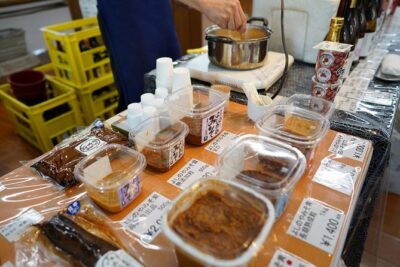
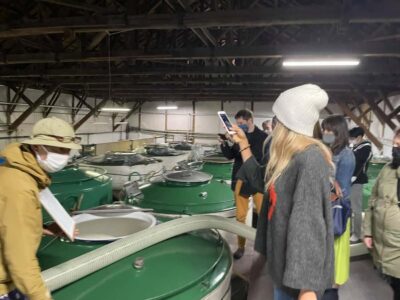
During your visit, you’ll learn about how sake is made and what makes different brands and styles distinct. Then you get to taste. This is where tours like this earn their keep: without tasting, you’d leave with facts. With tasting, you can actually remember what you liked.
One practical consideration: tasting means you should pace yourself. If you’re heading somewhere after the tour, keep that schedule flexible. Also, if you don’t drink much alcohol in general, you may still enjoy the education part, but go into it with a sensible plan for how many samples you want.
Logistics that save you time: transport, pickup, and timing
This tour is designed to remove the messy bits. Hotel pickup and drop-off are available only in Kobe city, and there’s also Kobe/Osaka Port pickup and drop-off. On top of that, you get a included train ticket from Sannomiya station to Sumiyoshi station (and hotel transport is handled where applicable).
So you don’t spend your day doing the annoying things: checking transit routes, worrying about missed connections, and trying to interpret station signs while carrying a bag. The guide keeps the timeline smooth so you can focus on the stops.
Also, the tour includes round-trip ropeway, which is a big deal if you’re trying to budget and plan on your own. It avoids the “wait, that costs extra?” moment that often happens with mountain-side attractions.
For lunch: it’s not included, so you’ll want to plan for a meal on your own during the day. The good news is that the guide can often help steer you toward a practical local option. In past groups, guides such as Aki were praised for helping people land at excellent sushi for lunch, so don’t ignore that guidance when it comes up.
The real value: what $171.31 buys you (and why it’s not just a ticket)
At $171.31 per person, this isn’t the cheapest day tour on the Kobe/Osaka circuit. But it bundles a lot of real costs:
- An English guide for about 7 hours
- Admission included for the garden and the carpentry tools museum
- Ropeway access included for the Nunobiki area
- Sake tasting included
- Hotel pickup/drop-off in Kobe city (or port pickup/drop-off)
- A train ticket portion (Sannomiya to Sumiyoshi)
- Multiple free entries (Ikuta-jinja and Hakutsuru museum)
When you price those items separately, the total usually climbs fast. Add in the time you save by not planning transport, and the value shifts from “cost” to “sanity.” If you’re visiting for the first time and you want a guided day that hits major highlights without turning into a logistics project, this price becomes easier to justify.
Small-group size also adds value. You’re paying for better attention and less crowding, not just access to buildings.
Weather and closure risk: how to plan around it
The experience requires good weather, and at least some parts can be closed on certain days. One past group noted that the herb garden tour and tool museum were closed, while the sake experience still went well.
So here’s what I’d do: if your schedule is tight and this is your only day, keep your expectations flexible. Consider building in a backup plan for Kobe that doesn’t depend entirely on those same specific stops. The tour provider says you’ll be offered a different date or a full refund if canceled due to poor weather, which is helpful if you’re trying to protect your trip plans.
Should you book the Kobe Highlights + Sake Tasting tour?
You should book if you want:
- A one-day Kobe overview that actually includes nature, culture, and food
- A small-group pace with an English guide (and guides like Aki, Akari, Sunny, and others have shown up as strong examples)
- A day where you don’t have to plan transit—pickup, a train segment, and ropeway are handled
- A finish that goes beyond sightseeing, with Hakutsuru sake tasting included
You might skip or think twice if:
- You want total freedom to wander for hours on your own (this tour keeps a set flow)
- Your schedule is extremely weather-sensitive and you can’t adjust at all
- You prefer a longer, slower pace with fewer scheduled stops
Overall, this is one of those tours that feels like a smart trade: you give up some freedom, and you get back time, guidance, and a day that lands its highlights without making you work for them.
FAQ
FAQ
How long is the Kobe Highlights Tour?
It runs for about 7 hours.
What is included in the price?
The price includes an English guide, all fees and taxes, round-trip ropeway, sake tasting, hotel pickup and drop-off in Kobe city, and a train ticket from Sannomiya station to Sumiyoshi station. It also includes Kobe/Osaka Port pickup and drop-off.
Do I need to buy admission tickets for the main attractions?
Admission is included for the Kobe Nunobiki Herb Gardens and the Takenaka Carpentry Tools Museum. Admission for Ikuta-jinja and Hakutsuru Sake Brewery Museum is listed as free.
Is pickup available?
Yes. Hotel pickup and drop-off are available only in Kobe city. Pickup and drop-off from the Kobe/Osaka Port are also included.
How many people are in the group?
The tour is an intimate small-group experience limited to 8 travelers.
Where does the tour start and end?
It starts at Shin-Kobe Station (1-chōme-3-1 Kanōchō, Chuo Ward, Kobe, Hyogo 650-0001, Japan) and ends back at the meeting point.
Is lunch included?
No. Lunch is not included.
What should I know about activity level?
You should have a moderate physical fitness level.
Can I bring service animals?
Service animals are allowed.