REVIEW · KOBE
Full Day Walking Tour Around Kobe Mountains Sea and Sake
Book on Viator →Operated by Snow Monkey Resorts Tours (Machinovate Japan Ltd.) · Bookable on Viator
One day in Kobe, twice the scenery. This full-day walking tour strings together mountains and sea with classic landmarks like Kobe Tower and Ikuta Shrine, then lands you in Kobe’s most flavorful neighborhoods and sake country. I especially like the way the day mixes views (Nunobiki) with people-watching streets (Kitano) and then shifts into something distinctly Kobe: lunch in Nankinmachi Chinatown plus a paid sake tasting. One drawback to consider is simple: it’s an 8-hour walking day, so comfortable shoes matter, especially if weather turns humid or rainy.
You’ll be with an English-speaking local guide and a small group (up to 20). The tour runs from 9:30am and ends back near where you started, which makes it easier to plug into the rest of your itinerary. Based on what I’ve seen from guides’ feedback, the best part is how un-rushed the explanations feel, with guides like Wingki praised for politeness, lots of Kobe context, and taking time to help people understand what they’re seeing.
In This Review
- Key highlights at a glance
- A one-day Kobe mix of mountains, sea, and sake
- Shin-Kobe to Nunobiki Herb Gardens: the views start early
- Kitano Ijinkan-gai and the Kitano Starbucks landmark
- Ikuta Shrine and water fortune at Ikuta Forest
- Nankinmachi Chinatown lunch without the hassle
- Itami and Nada sake area: one tasting moment that changes the day
- Harbourland and the port night view payoff
- Walking, timing, and how to plan for an 8-hour route
- Price and what you truly get for $150.50
- Who this Kobe Mountains Sea and Sake tour is best for
- Should you book this tour?
- FAQ
- What is the duration of the Kobe Mountains Sea and Sake walking tour?
- Where does the tour start, and what time does it begin?
- Where does the tour end?
- What’s included in the price?
- Is lunch included?
- What ticket type do I receive?
- How large is the group?
- What is the cancellation window for a full refund?
Key highlights at a glance
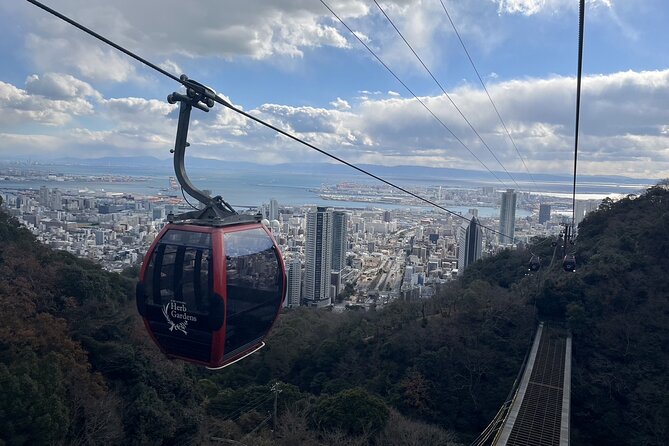
- Herb garden + ropeway: big views up top, then a slow stroll through one of Japan’s larger herb garden areas
- Kitano Ijinkan-gai streets: a classic foreign-settlement vibe, including a famous Starbucks location tied to cultural preservation
- Ikuta Shrine experience: time at the oldest shrine in the prefecture, plus water fortune telling at Ikuta Forest
- Chinatown lunch energy: plenty of options around Nankinmachi for a meal and street snacks if you arrive hungry
- Nada’s sake-brewing neighborhood: a guided finish focused on Kobe’s brewing regions, including one paid sake ticket
- Harbourland night illumination: a proper end-of-day payoff by the port
A one-day Kobe mix of mountains, sea, and sake
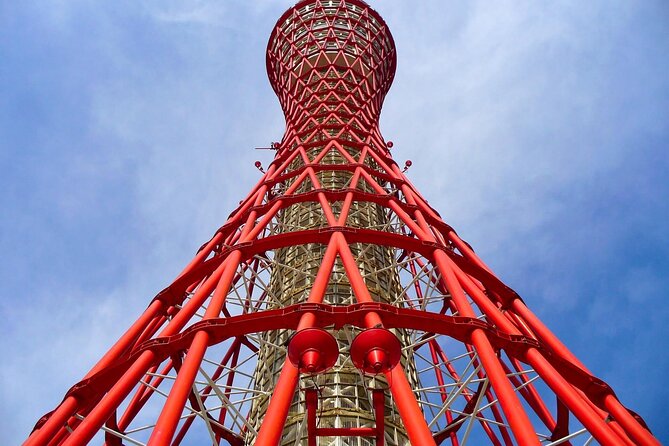
If your time in Kobe is short but you want the whole “this is what Kobe feels like” package, this tour is built for that job. The route follows an easy arc: you start with elevated greenery and skyline views, work your way through historic streets and shrine grounds, eat in a lively Chinatown pocket, and then shift toward the sea-facing port for night lights.
What makes this kind of day work is pacing. It’s not just a highlight list. You get time in places where the atmosphere matters: breathing in herb scents, walking around Kitano’s old-street charm, watching how fortune telling works at Ikuta, then moving into Nankinmachi where food is half the experience. The tour also gives you a structured moment for sake rather than turning tasting into a scavenger hunt.
This is also a good option if you like learning by moving. You’re not stuck waiting around. Even with breaks and transfers, you’re always walking toward the next scene.
You can also read our reviews of more tours and experiences in Kobe.

Shin-Kobe to Nunobiki Herb Gardens: the views start early
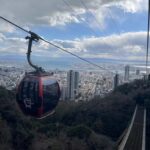
The day’s first big reward is Kobe Nunobiki Herb Gardens, reached by ropeway, with admission included. The top is where the tour earns its reputation: you get wide views and that calming “up high” feeling, with herb and flower aromas in the air once you step out.
Then comes the part I’d plan for mentally: the garden stroll. You’re not rushing through it like a checklist. The format is slow walking, letting the garden space do its job. Herb gardens can be a little like wallpaper if you’ve seen many before, but here the viewpoint plus the scent-driven setting makes it feel like a real place rather than a quick stop.
Practical tip: wear shoes you can move in for a ropeway day. Even if the walking paths are manageable, you’ll want grip and comfort for garden paths and potential stairs.
If you’re sensitive to heat, the early morning start helps, but Kobe can still feel warm. Bring water and a light layer just in case the view area feels cooler than you expect.
Kitano Ijinkan-gai and the Kitano Starbucks landmark
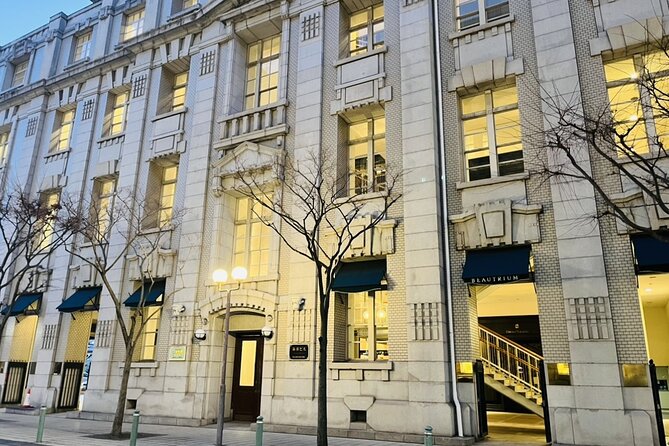
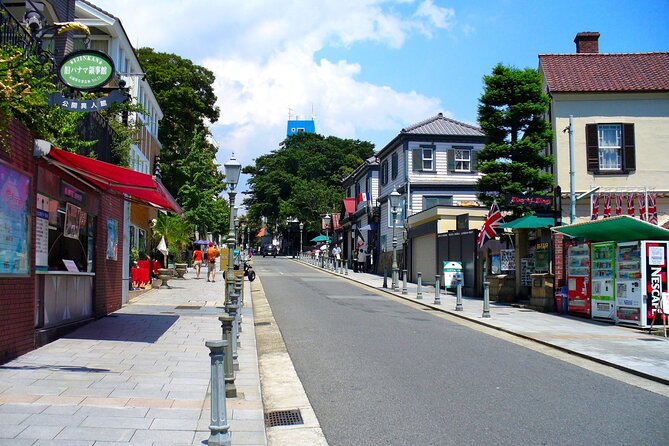
After the heights, you shift into a different Kobe personality. Kitano Ijinkan-gai is known for preserved streets linked to the foreign-settlement era. This matters because it gives you a visual contrast against the greenery and sea that come later. You’re walking through a neighborhood that feels like a different chapter of Japanese port history.
One fun detail: the tour includes a stop connected to a Starbucks in the Kitano area that’s listed as a tangible cultural property. That’s not just a quirky photo stop. It’s a chance to see how a recognizable modern brand can sit inside a preserved architectural context. Even if you’re not a coffee person, it’s a clear, easy-to-understand marker of place.
Time-wise, the stop is about 1 hour. That’s long enough to stroll, look closely, and take pictures without feeling like you’re stuck at one corner. It’s also short enough that the pace stays comfortable for an 8-hour day.
If you’re planning outfits, this is the stage where you’ll look best on camera. If you like street-style photos, you’ll want to dress for walking and consider a small light bag for your belongings during the day.
Ikuta Shrine and water fortune at Ikuta Forest
Ikuta Shrine is the oldest shrine in Hyogo Prefecture, and that age shows in the atmosphere. The tour keeps the focus on experience, not just photos. You get about an hour here, with free time for exploring and understanding the setting around the shrine grounds.
There’s also a specific activity included: water fortune telling at Ikuta Forest. This is one of those cultural moments that’s easy to skip on your own because you might not know where to look or what to do. Having it built into the tour makes it more likely you’ll actually try it and understand what’s happening.
What I like about shrine time on a guided walking tour is the context. You’re not standing in front of something impressive wondering how to read it. The guide can explain why it’s important, what the ritual practice means in daily life, and how to participate respectfully.
Consideration: shrine settings can be busy at peak times. If you prefer quiet, arrive with patience and keep your focus on the experience rather than the perfect photo angle.
Nankinmachi Chinatown lunch without the hassle
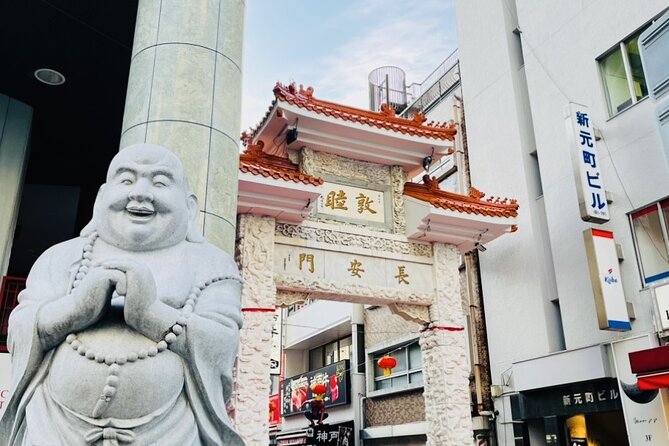
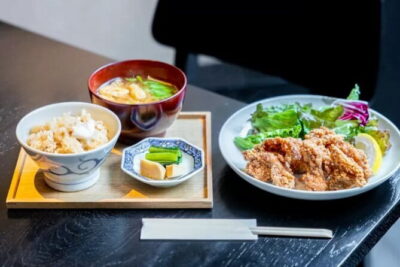
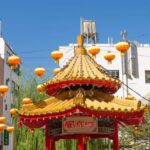
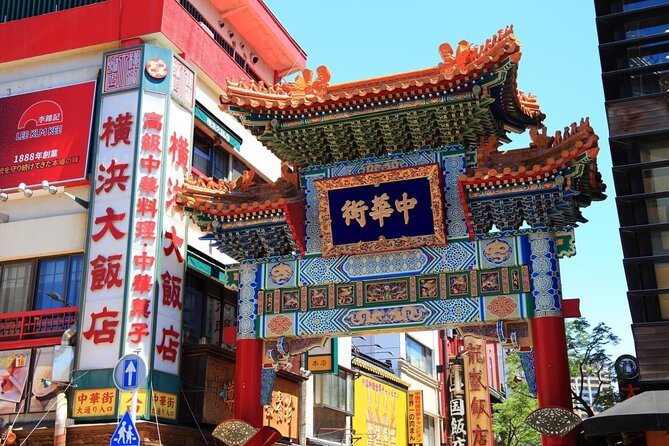
By the time you reach Chinatown (Nankinmachi), you’ve walked enough that food feels like a reward, not an interruption. The lunch part is structured in a good way: the tour stops for about 2 hours in the area, with lunch at the Chinatown restaurants included as a flexible plan. That means you can choose what fits your appetite and comfort level.
Even better, you’re not limited to one sit-down restaurant experience. You can also try street food in Chinatown if you finish early or want something smaller between courses. This kind of flexibility matters because Chinatown snacks and meals are often not uniform. Your best option is the one you can see, smell, and decide on quickly.
If you love food, this is where your brain shifts from sightseeing mode into “taste mode.” And because the stop gives you time, you’re more likely to discover a couple of options rather than feeling rushed into one choice.
The itinerary also mentions a short walk around Motomachi if you finish before the meeting time. That’s a useful bonus because it extends your city-feel without adding a whole new major destination.
Practical tip: bring cash or a card you trust for quick purchases. The tour doesn’t list lunch as included, so you’ll want to budget for your meal plan.
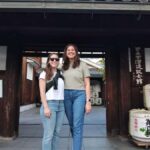
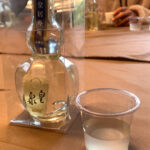
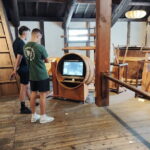
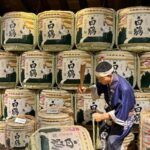
Itami and Nada sake area: one tasting moment that changes the day
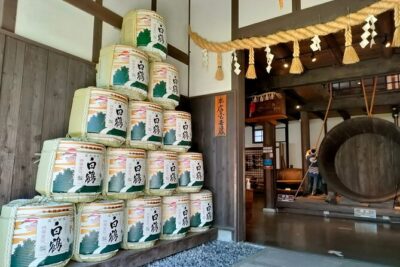
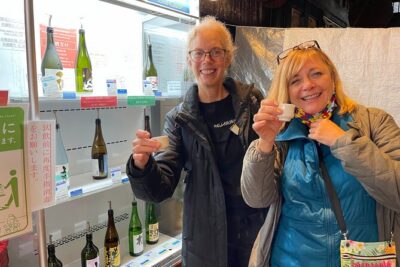
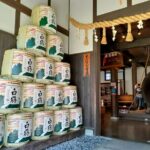
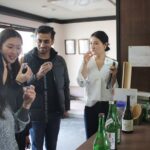
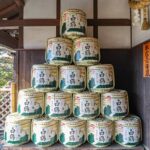
This tour’s “sea and sake” promise isn’t vague. Near the end, you head toward the famous brewing area born from Itami and Nada, which are major sake-producing regions. You get about 2 hours here, with a specific included benefit: one paid sake ticket.
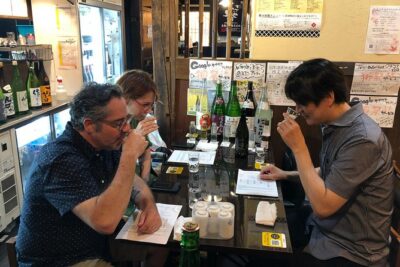
I like this approach because it keeps the tasting real but contained. You’re not trying to figure out which brewery to trust, what to order, or how much to spend. A guided tasting ticket gives you the structure, and you can still learn from what the guide points out about the brewing neighborhood.
Also, the area makes sense after the earlier stops. Herb gardens and shrine rituals are about place and tradition. Then sake brings those themes into something you can literally taste. It’s a Kobe-to-your-senses transition that feels natural at the end of a long walking day.
A consideration: sake tasting times can feel adult-focused, so if anyone in your group doesn’t want to drink, it’s worth planning how you’ll handle the ticket and any preferences when you’re at the tasting point. The tour only explicitly includes one paid sake ticket, so sharing plans may be limited unless you coordinate with your guide on-site.
Harbourland and the port night view payoff
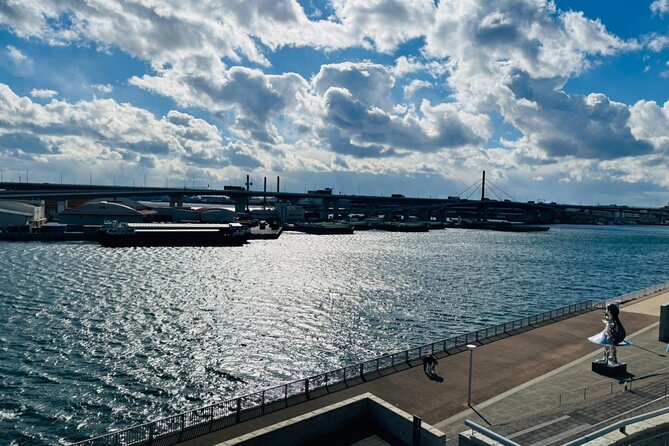
The final act brings you back toward the port area for the night view. This is where Kobe feels different from inland Japan. It’s a harbor city, and Harbourland is the spot for that “lights against water/streets” energy, helped by illumination around the harbor.
The tour calls out time for enjoying the vivid Harbourland night view, which is a great way to end an 8-hour day. It’s not just scenic. It’s a mental landing. After hours of walking, food, and sightseeing, you can slow down and just look.
Practical tip: wear layers if you tend to get cold near the water at night. Even if it’s warm earlier, harbor breezes can change how your evening feels.
If you’re a photographer, this is also your chance to capture a Kobe skyline mood without needing to chase far-off viewpoints. Keep your phone/camera charged and ready during the last transfer so you don’t miss the first big lighting moment.
Walking, timing, and how to plan for an 8-hour route
This tour runs about 8 hours, starting at 9:30am. The meeting point is Shin-Kobe Station, specifically around 1-chōme-3-1 Kanōchō in Chuo Ward. The tour ends back at the meeting point, which is helpful when you’re trying to plan your evening—no awkward “how do I get back from the last stop” puzzle.
With a route that includes ropeway access and multiple neighborhoods, the walking will add up. The good news is that the tour is guided and structured, so you’re not guessing where to go next. The included train tickets help a lot too, since Kobe is easy to get around, but doing it alone across several areas can still be time-consuming.
My advice: build a buffer into your schedule. If you have dinner plans right after, consider choosing something close to Shin-Kobe. You’ll feel better if you don’t sprint to your next commitment.
Small group pace is also relevant. With a maximum of 20 people, you’re less likely to feel lost in a crowd, and it’s easier for the guide to manage questions.
Price and what you truly get for $150.50
At $150.50 per person, this isn’t the cheapest way to see Kobe. But it also isn’t paying for only “a guide with a map.” The value comes from a bundle of costs and time saved.
Here’s what’s included:
- entrance fee for Kobe Nunobiki Herb Garden and the ropeway
- train tickets required for the tour
- one paid sake ticket
- guided tour with an English-speaking guide
Not included:
- lunch
So the price is doing three things for you:
1) covering paid entry costs that would otherwise add up
2) removing the guesswork of transport between mountain/urban/port areas
3) buying you an English-speaking guide’s context, which often turns “I walked past it” into “I understood it”
The best value tends to come when you actually want the full day coverage and don’t want to build your own route. If you only care about one or two neighborhoods, this price may feel heavy. If you want herbs, architecture, shrine experience, Chinatown food time, and a sake tasting, it starts making sense fast.
One more practical note: this tour is commonly booked about 25 days in advance on average. If your dates are fixed, don’t wait until the last minute.
Who this Kobe Mountains Sea and Sake tour is best for
This is a strong match for you if:
- you want a structured day that covers a lot of Kobe without you planning every transfer
- you like guided explanations more than wandering alone
- you want both scenic time and food time
- you’re interested in sake culture and want a tasting included
It may be less ideal if:
- you dislike long walking days or struggle with stairs/uneven garden paths
- you only want one niche interest, like just sake or just views
- you prefer fully free-form exploring with no scheduled stops
If you’re traveling as a couple or small group and want a “Kobe orientation” day, this format is a good fit. It also works well for first-time Kobe visits because it covers multiple sides of the city in one sweep.
Should you book this tour?
Book it if you want one day that actually feels like Kobe: mountain views at Nunobiki, Kitano’s historic streets, Ikuta Shrine with water fortune telling, a real Chinatown lunch window, a guided stop in the Itami/Nada sake area with a tasting ticket, then Harbourland night lights to end the story.
Skip it if you’re only interested in one slice of Kobe and you’d rather spend the day at a slower pace in a single neighborhood. The tour is designed to move, not to linger all day.
If you do book, I’d plan around comfy shoes, a small water/snack plan for gaps, and a flexible lunch mindset in Chinatown. You’ll get a day that feels complete without needing you to do the heavy planning work.
FAQ
What is the duration of the Kobe Mountains Sea and Sake walking tour?
It runs for about 8 hours.
Where does the tour start, and what time does it begin?
The tour starts at Shin-Kobe Station (1-chōme-3-1 Kanōchō, Chuo Ward, Kobe) at 9:30am.
Where does the tour end?
It ends back at the meeting point.
What’s included in the price?
Included are entrance fees for Kobe Nunobiki Herb Gardens and the ropeway, train tickets required for the tour, one paid sake ticket, and an English-speaking guided tour.
Is lunch included?
No. Lunch is not included.
What ticket type do I receive?
You receive a mobile ticket.
How large is the group?
The tour has a maximum of 20 travelers.
What is the cancellation window for a full refund?
Free cancellation is available up to 24 hours in advance for a full refund.