REVIEW · OSAKA
Osaka: Cooking Class & Sake Tasting with Local Market Visit
Book on GetYourGuide →Operated by MagicalTrip · Bookable on GetYourGuide
Osaka food hits different when you cook it yourself. I really liked the local market shopping and then learning three classic dishes step-by-step with a friendly guide like Chie or Eri. The main thing to consider is that gluten-free options are unavailable, and cooking involves cutting and heating, so it’s best if you’re comfortable with hands-on work.
For four hours, you get more than recipes. You get the rhythm of Osaka eating: buy fresh ingredients, cook in a relaxed studio, then share food with drinks and city talk. Small group size (max 7) helps the experience feel personal, but the tour starts on time, and late arrivals can’t join.
In This Review
- Key Things I’d Notice First
- Where You Start: FamilyMart Near Minami Morimachi Station
- The Market Run: Buying Ingredients Like a Local
- The Studio Kitchen: A Relaxed Class in a Real Local Space
- Your Osaka Menu: Niku-sui, Okonomiyaki, and Gyoza
- Niku-sui (Beef Soup): Comfort Flavor You Can Recreate
- Okonomiyaki: The Savory Pancake Where People Have Opinions
- Gyoza: Folding Dumplings (And Keeping It Fun)
- Sake Tasting and Drinks: The Social Side of Osaka Food
- Lunch and Photos: Eating the Results and Remembering the Day
- Practical Tips for Getting the Most From the Class
- Value Check: Is $90 Worth It?
- Who This Is Perfect For (And Who Should Rethink It)
- Should You Book This Osaka Cooking Class?
- FAQ
- What is the duration of the Osaka Cooking Class and Sake Tasting?
- Where do I meet the guide?
- What dishes will I cook?
- Is lunch included?
- What drinks are included?
- Do I get recipes to take home?
- Is the tour suitable for vegetarians or vegans?
- Are gluten-free options available?
- Is it only for people who can handle cooking tasks?
- Is the guide English-speaking?
Key Things I’d Notice First
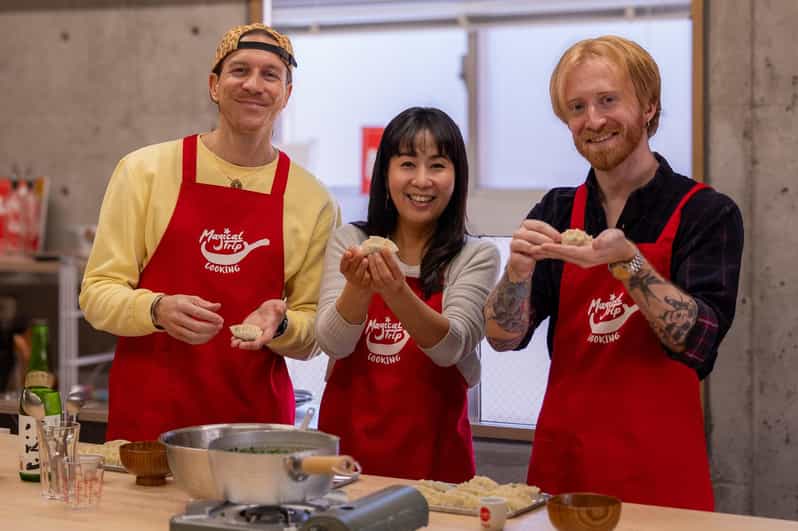
- Small group (up to 7) keeps the class from feeling rushed.
- Market visit first so you can connect ingredients to flavor, not just instructions.
- Three dishes, one core skillset: soup, savory pancake, and dumpling folding.
- Sake and beer options during the experience make it a social food moment, not a school day.
- Recipes sent afterward helps you recreate the same results at home.
- Guides like Chie, Eri, Emi, Akko, and Ayu bring personality and practical Japan tips.
Where You Start: FamilyMart Near Minami Morimachi Station
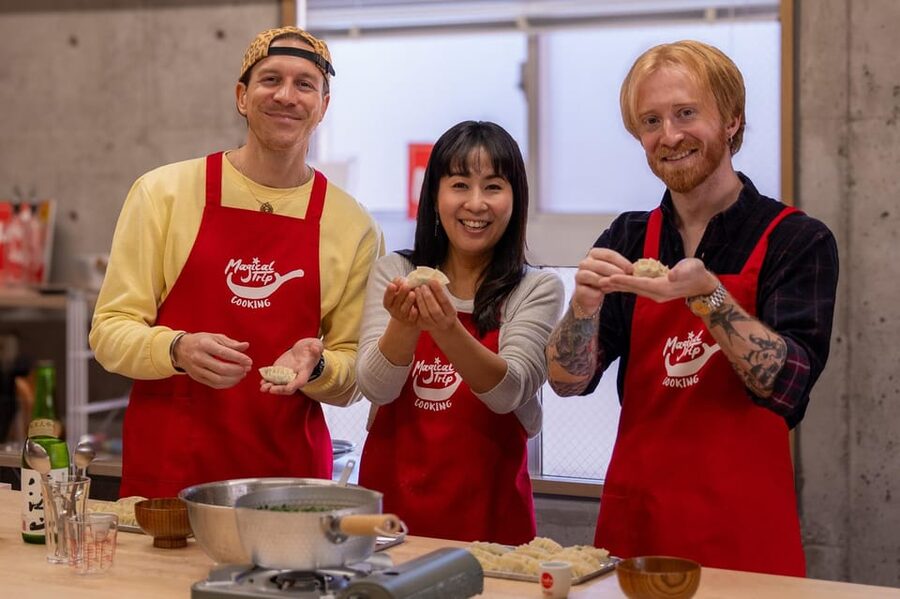
This experience begins in a spot that’s easy to find even if you’re still getting your bearings. You meet in front of FamilyMart, about a 1-minute walk from Exit 4B of Minami Morimachi Station. It’s a simple start point, which matters because the class is scheduled and runs on time.
I like meeting at a familiar chain store because it reduces the first-stress moment. You’re not guessing which back street the cooking studio is tucked into. You’re also close enough to public transit that you can plan your Osaka day without building in extra buffer time.
One practical note: the class involves cutting and heating, and anyone over 12 can join. If you’re bringing younger kids or someone who has trouble with kitchen basics, plan carefully.
You can also read our reviews of more tours and experiences in Osaka.
The Market Run: Buying Ingredients Like a Local
Before you turn on the burners, you’ll walk through a local supermarket to pick up what you need. This is one of the most valuable parts of the day because it changes your whole relationship with the recipes. You get to see what fresh looks like in Osaka, and you learn what ingredients matter for flavor and texture.
In a cooking class, ingredients are often just handed to you. Here, you’re involved at the source—so when you later try to cook at home, you’re more likely to remember what you bought and why. That’s how you get repeatable results, not just a one-time meal.
Guides are also using the market stop to share practical context. You’ll hear about Japanese food products and how people think about choosing ingredients. If you like learning how locals make decisions—rather than memorizing steps—this part works well.
The Studio Kitchen: A Relaxed Class in a Real Local Space
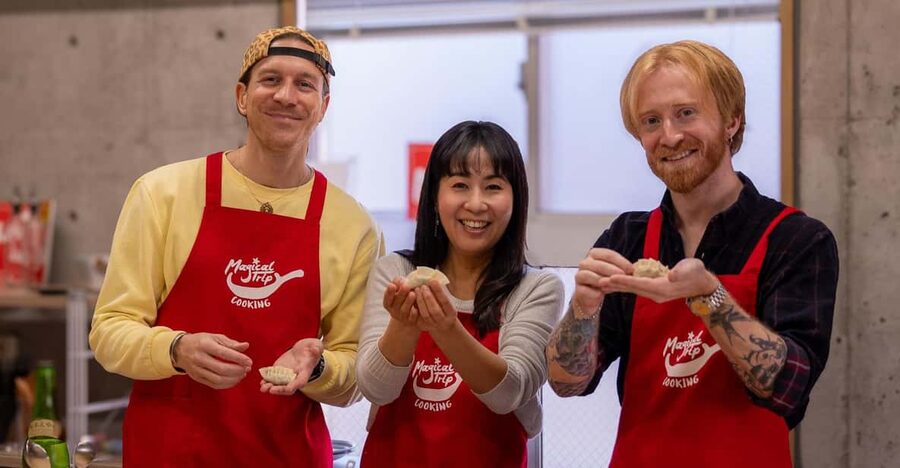
After the market, you head to the MagicalTrip Original Cooking Studio. The vibe is meant to be comfortable and friendly, not stiff or intimidating. You’ll cook in a welcoming setup with an English-speaking local guide, and the class is designed so you can follow along even if you’ve never cooked Japanese food before.
The structure is straightforward: your guide explains each recipe step-by-step, then you cook. That matters because Japanese dishes often depend on small technique differences. If you only watch, you might miss timing and texture cues. If you only cook without explanation, you might end up guessing.
The group is limited to 7, which is small enough for the guide to notice when someone is stuck. If you have questions, you’re more likely to get a direct answer rather than waiting your turn.
Also: you’ll get tea during the experience, and the day includes three canned drinks (alcoholic or non-alcoholic). That mix keeps things moving and makes it easier to talk.
Your Osaka Menu: Niku-sui, Okonomiyaki, and Gyoza
You’ll make three iconic Osaka favorites: niku-sui, okonomiyaki, and gyoza. Each one teaches a different kind of “at-home success,” so you don’t just leave with three dishes—you leave with three practical mini-skill sets.
Niku-sui (Beef Soup): Comfort Flavor You Can Recreate
Niku-sui is a flavorful beef soup loved locally, and it has that comforting, everyday-food feel. It’s also a great dish for learning the basics of Japanese seasoning and balance. You’ll be using simple ingredients, and the recipes are built to be authentic but achievable later at home.
Why this matters: soup is forgiving, and once you understand the approach, you can adjust for your own pantry. If you want one dish that reliably tastes like the restaurant version without requiring fancy tools, niku-sui is a strong choice.



Okonomiyaki: The Savory Pancake Where People Have Opinions
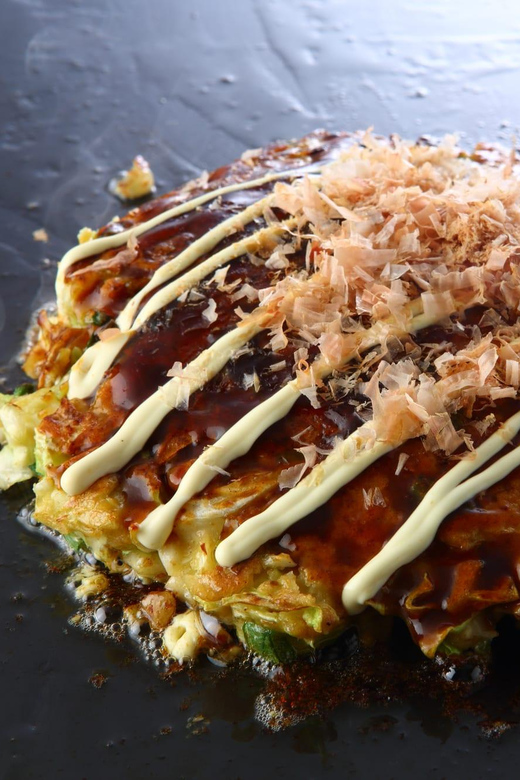
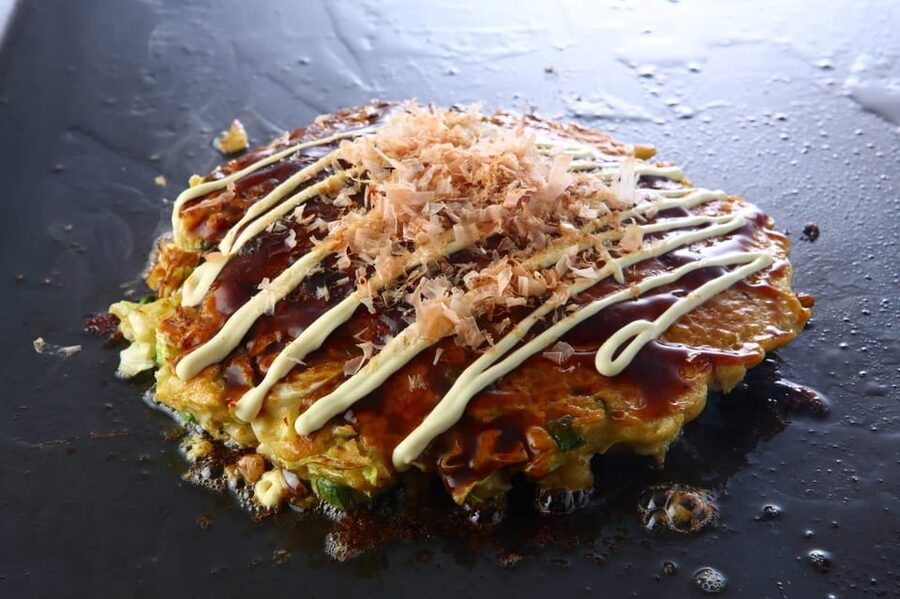
Next up is okonomiyaki, Osaka’s famous savory pancake. The key detail is that locals have endless personal variations. In class, you’re learning a method and a flavor direction, not just one strict rule. That’s exactly what makes okonomiyaki fun: you can make it yours later.
Technique matters here. The “pancake” isn’t just batter—it’s about layering, heat control, and knowing when it’s ready. Your guide walks you through it step-by-step, so you can focus on what the food should look and feel like, not just what to do.
Gyoza: Folding Dumplings (And Keeping It Fun)
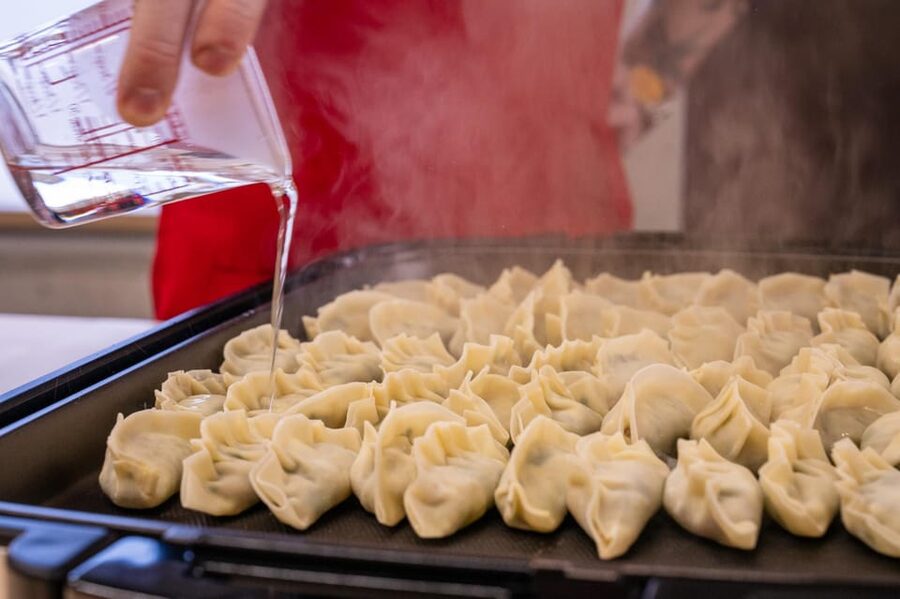
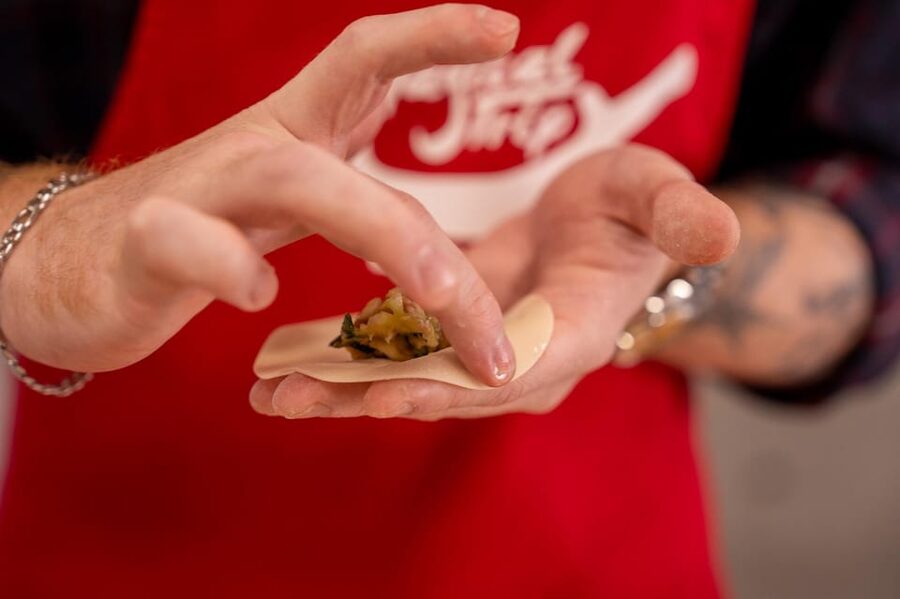
Finally, you’ll make gyoza—crispy and juicy dumplings—and yes, the class centers on the hands-on part: folding gyoza. This is where the day gets playful fast. Dumpling folding turns into a group activity, and it’s the kind of task where people laugh when the folds don’t look perfect at first.
It’s also a realistic lesson for home cooks. Even if your first batch isn’t restaurant-grade, you learn the workflow: portioning, shaping, and getting the pan technique right.
The best part is that this dish teaches patience. Once you understand the process, repeating it at home is less intimidating.
Sake Tasting and Drinks: The Social Side of Osaka Food
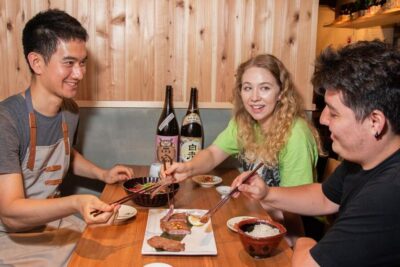
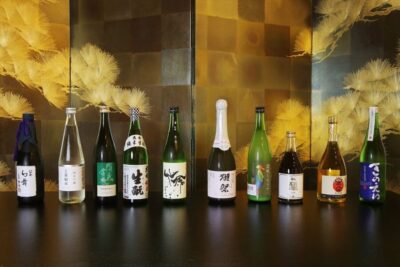
Cooking classes can sometimes feel like work. This one is designed to feel like hanging out while you learn. As you cook and eat, you can enjoy local sake, beer, or soft drinks, depending on what’s included in your package that day (the experience includes three canned drinks total).
Some guides also go the extra mile with the drinks side. One guest’s experience stood out for a guide helping them pick up sake as well. That kind of attention is a sign you’re not just getting a scripted meal—you’re getting someone who enjoys sharing.
Even if you don’t drink much, the drinks help break the “we’re all strangers” feeling. Small-group cooking plus shared lunch makes it easier to swap city tips right at the table.
Lunch and Photos: Eating the Results and Remembering the Day
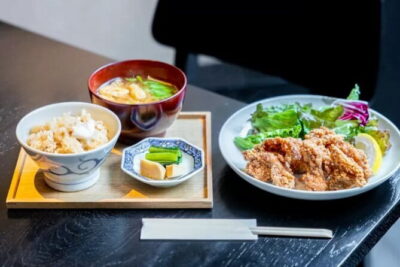
Lunch is included, and you’ll eat what you cook. That’s a big deal because you’re not rushing to finish and then leaving. You get to taste the final result together.
Another thoughtful touch: your guide takes tour photos during the experience and sends them afterward by email. If you’re traveling solo, that helps you document the moment without having to chase someone for a picture at each stop.
More importantly, you’ll walk away with the ability to cook again. The recipes are provided after the tour, so you’re not relying on memory.
Practical Tips for Getting the Most From the Class
A few things will make your 4-hour day smoother.
First, come hungry. The meal is part of the experience, and you’ll also be tasting as you go.
Second, wear comfortable clothes and expect some kitchen heat. Osaka weather can swing hard—summer can hit 40°C (110°F), and winter can drop to around -5°C (20°F). Dress for the season so you can focus on cooking, not sweating.
Third, plan around timing. The tour starts on schedule, and late arrivals can’t join. This is one of those small rules that matters a lot in practice.
Finally, if you have allergies or dietary needs, send them early. Vegan and vegetarian participants are welcome, but gluten-free options are unavailable. For allergies, you need to inform the provider at least one day in advance, and there’s no guarantee meals are fully allergy-free.
Value Check: Is $90 Worth It?
At $90 per person for 4 hours, this isn’t the cheapest thing you can do in Osaka—but it’s also not overpriced for what you’re getting.
Here’s why it feels like good value when it works for you:
- You’re paying for three full dishes, not one.
- The class includes ingredients, plus lunch.
- Drinks, tea, and recipe downloads are included.
- You get a local, English-speaking guide for the whole block of time.
- You also get photos afterward, which adds to the experience.
Where it may not be the best fit: if you’re strict about gluten-free needs, this one is a no-go based on the stated policy. If your goal is only to taste, without the hands-on part, you might prefer a tasting-focused option instead of cooking.
But if you want a repeatable home-cooking outcome with Osaka flavors, $90 for a small-group, guided, ingredient-included lesson can make sense.
Who This Is Perfect For (And Who Should Rethink It)
This tour is ideal if you want to experience Osaka through real food habits: shop for ingredients, cook classics, and eat together.
It’s especially good for:
- Food lovers who learn best by doing.
- First-timers to Japanese cooking who want clear step-by-step guidance.
- Small-group travelers who want conversation, not a big bus crowd.
- Anyone who wants recipes they can actually use later.
It might not be ideal if:
- You need gluten-free options (not available).
- You’re uncomfortable with cutting/heating.
- You have mobility issues and walking limits. The tour may involve locations not accessible by wheelchair or stroller, and the provider recommends a private tour if you have walking difficulties.
Should You Book This Osaka Cooking Class?
If you like hands-on cooking and you want to leave Osaka with more than photos, I’d book it. The combination of a supermarket ingredient stop, a small group, and three dishes—niku-sui, okonomiyaki, and gyoza—is a smart way to learn technique you’ll use again.
Book it with confidence if you eat standard Japanese ingredients and you’re excited to get your hands a little busy. Skip it if gluten-free is non-negotiable, or if you’d rather avoid kitchen tasks like cutting and heating.
If you do go: show up on time, come hungry, and don’t be shy about asking your guide (whether it’s Chie, Eri, Emi, Akko, or Ayu). That friendly back-and-forth is part of what makes the class feel like a real Osaka experience.
FAQ
What is the duration of the Osaka Cooking Class and Sake Tasting?
The experience lasts 4 hours.
Where do I meet the guide?
Meet in front of FamilyMart, about 1 minute walk from Exit 4B of Minami Morimachi Station.
What dishes will I cook?
You’ll cook niku-sui, okonomiyaki, and gyoza.
Is lunch included?
Yes. Cooking experience and lunch are included.
What drinks are included?
The tour includes tea plus 3 canned drinks, which can be alcoholic or non-alcoholic.
Do I get recipes to take home?
Yes. You can download recipes after the tour.
Is the tour suitable for vegetarians or vegans?
Vegan and vegetarians are welcome, but you need to inform the provider about dietary needs or allergies at least one day in advance.
Are gluten-free options available?
No. Gluten-free options are unavailable.
Is it only for people who can handle cooking tasks?
Anyone over 12 can join, but the tour involves cutting and heating, so you should be comfortable with hands-on cooking.
Is the guide English-speaking?
Yes. There is an English-speaking local guide for 4 hours.