REVIEW · KYOTO
Japanese Sake Breweries Tour in Kyoto Fushimi
Book on GetYourGuide →Operated by 888TOURS · Bookable on GetYourGuide
Fushimi sake smells like a history lesson. This Kyoto tour turns that aroma into a guided walk through one of Japan’s best-known sake-making areas, with museum time and multiple tastings in about 3 hours. You’ll follow the Edo-to-Meiji story of Fushimi’s breweries while sampling what different makers put into the glass.
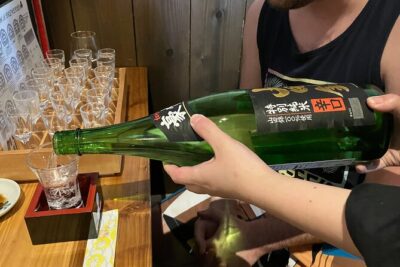
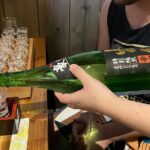
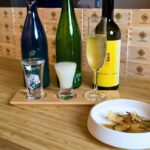
I especially like two things. First, you get a proper tasting setup, including a six-sake tasting total split between two tasting stops (three types at ABURACYO and three at Gekkeikan). Second, you’ll learn the roots at the Gekkeikan Ōkura Sake Museum, tied to the brewery’s long run in sake production since 1637.
One thing to consider: guide energy can swing. One booking reported a guide issue (including no show), and another felt the explanation didn’t go far enough into flavor differences or how the tastings worked. Also, if there’s a boat component you want, the Jukkokubune boarding fee (1500 yen) isn’t included.
In This Review
- Key points before you go
- Kyoto’s Fushimi sake district: what this walk is really about
- Meeting at 中書島駅 (Chusojima): find the right guide fast
- The 3-hour flow: how the timing keeps the tastings fun, not frantic
- Gekkeikan Ōkura Sake Museum: where the “how” starts
- Kizakura Kappa Country: a short stop with an interesting twist
- Fushimi Saka Gura Kouji: the sake district experience in walking form
- Fushimi Yume Hyakushu Cafe: sweets, tasting atmosphere, and the transport story
- Ginjo Shubo Aburacho: the tasting finish that sticks
- Price and value: is $80 for 3 hours a fair deal
- Guide quality can shape everything
- Who this tour fits best (and who should skip)
- Should you book the Japanese Sake Breweries Tour in Kyoto Fushimi?
- FAQ
- Where does the tour start?
- How long is the tour?
- How much does the tour cost?
- What is included in the tour price?
- How many sake breweries and tastings will I do?
- Is the Jukkokubune boat ride included?
- Can under-20 participants join if they can’t drink alcohol?
- What languages is the tour offered in?
- Is the tour suitable for older adults?
Key points before you go
- Start at Chusojima Station and look for the guide sign with 888 outside the north exit
- Six tastings included (three at ABURACYO and three at Gekkeikan) plus a sake-related souvenir cup
- Gekkeikan 1637 connection through the Ōkura Sake Museum guided visit
- Fushimi’s “sake alley” feel as you walk between breweries, museums, and tasting rooms
- Kizakura adds a beer moment in Kappa Country, linking local drink culture
- Jukkokubune boat costs extra (1500 yen on the dock), even though it’s part of the historic story
Kyoto’s Fushimi sake district: what this walk is really about
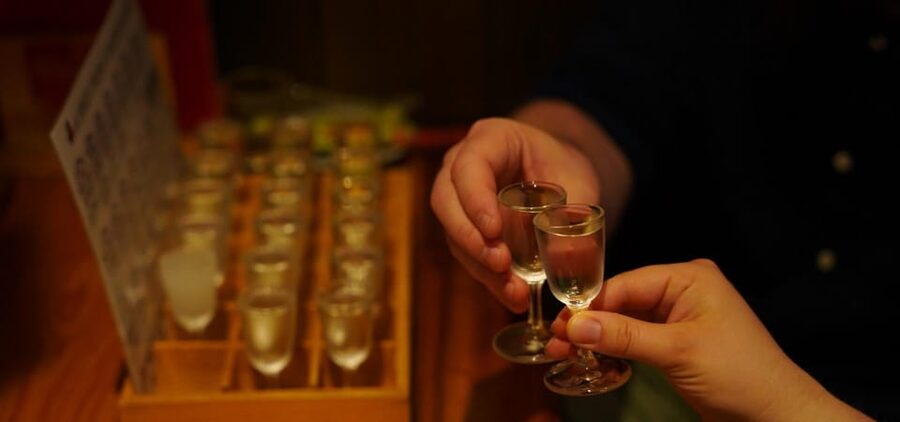
Fushimi has a reputation for a reason: it’s where sake culture became local identity, not just a beverage. On this tour, the big win isn’t only that you’ll drink. It’s that you’ll connect the taste to the place—walking between buildings and tasting rooms that sit inside an old logistics and production network.
You’ll also get the kind of context that helps the tasting make sense. The tour frames Fushimi through the end of the Edo period and into later eras, then ties it to how rice, sake, and people moved through the region. Even if you’re brand-new to sake, the approach is built around helping you notice differences with your tongue, not just collecting samples.
You can also read our reviews of more tours and experiences in Kyoto.
Meeting at 中書島駅 (Chusojima): find the right guide fast
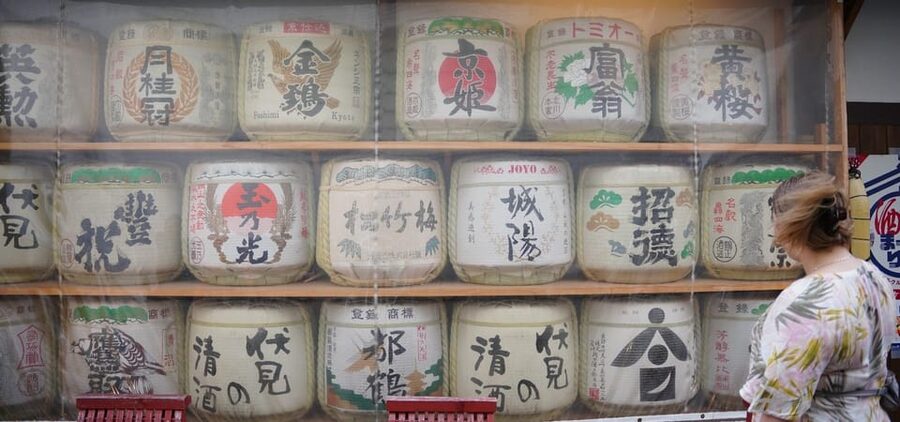
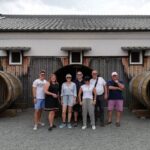
Logistics matter on walking tours in Kyoto. Your meeting point is just outside the north exit ticket gate at 中書島駅 (Chusojima Station). You’re looking for a sake barrel object, and the guide will be holding a sign showing 888.
The easy mistake here: there’s another station name that can confuse people. Your notes warn you not to mix it up with JR Sumiyoshi Station (same station name issue). My practical advice is simple: give yourself a few minutes buffer after you exit the station gates so you can spot the barrel and the 888 sign without rushing.
The 3-hour flow: how the timing keeps the tastings fun, not frantic
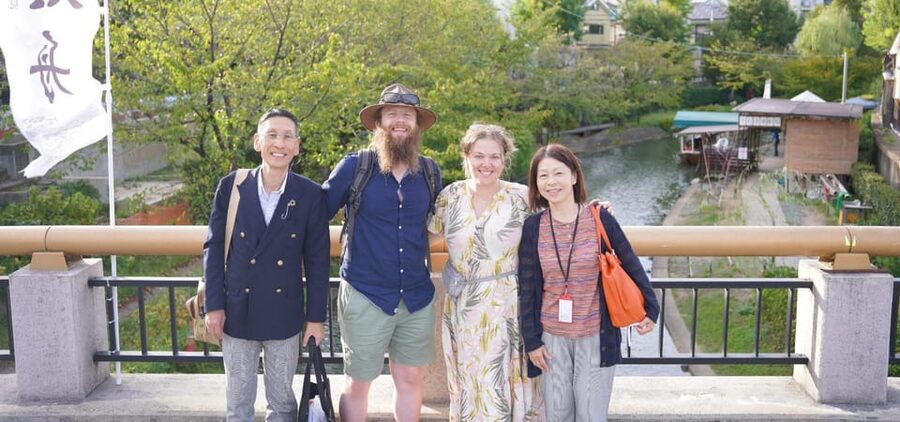
This experience is scheduled for about 3 hours, and it’s paced like a neighborhood walk: short stretches on foot with guided time inside each stop. Between visits, you’re looking at brief walking segments (around 5 minutes), which keeps the group moving without turning the whole day into a marathon.
The stops also change the pace. You start with a guided museum visit, then you hit shorter brewery-related experiences, then you end with longer tastings in shops. That matters because sake tasting benefits from a calm rhythm—you want time to sniff, sip, and ask what you’re tasting while it’s still fresh in your brain.
Gekkeikan Ōkura Sake Museum: where the “how” starts
The first major stop is the Gekkeikan Ōkura Sake Museum, with a guided tour time of about 35 minutes. This is where the tour does its groundwork: you get the sense of how a long-running brewery builds its knowledge over centuries, and why Fushimi mattered as a sake hub.
Gekkeikan is noted here as established in 1637, and that date isn’t just trivia. When a producer has survived so many shifts in Japan’s economy and tastes, you can usually feel the influence in their house style. Even if you don’t know the terms yet, the museum visit is designed to give you a mental map before you taste your first glass.
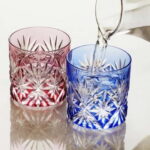
Also included at the start is a commemorative sake cup from the Gekkeikan Brewery. It’s one of those small items that makes the whole thing feel like more than a quick sampling. You’ll keep it as a reminder when you compare the flavors later.
Kizakura Kappa Country: a short stop with an interesting twist
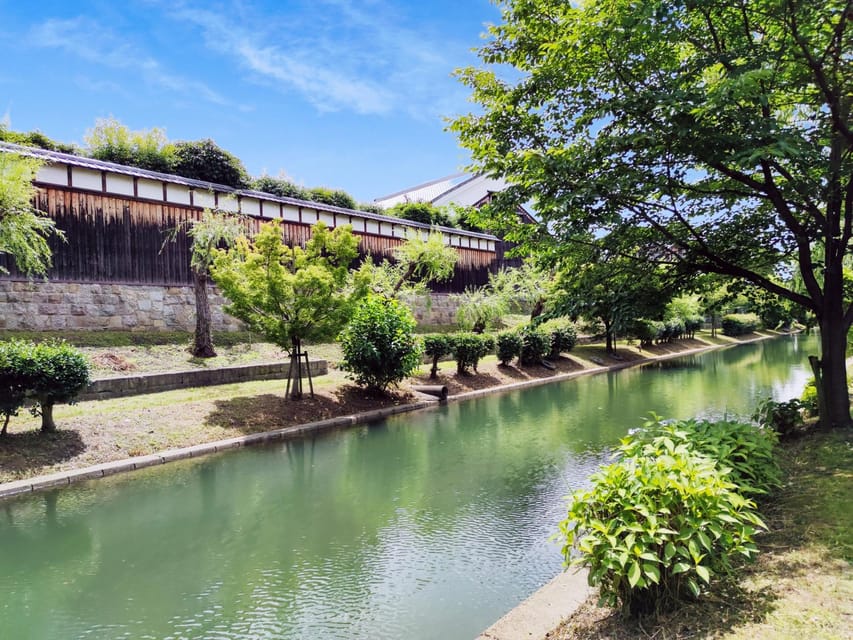
Next comes Kizakura Kappa Country, a much shorter guided visit (about 5 minutes). The quickness might sound slight, but it has a purpose in the flow: it nudges local drink culture beyond just sake.
Included here is one glass of Kyoto Beer. That beer isn’t the main event, but it helps you get in the mood for comparing fermentation cultures and regional tastes. It’s a clever break in the schedule too—when you go from museum learning straight into more tasting later, a change like this keeps you from feeling overloaded.

Fushimi Saka Gura Kouji: the sake district experience in walking form
After the Kizakura stop, you continue on foot to Fushimi Saka Gura Kouji for about 25 minutes of guided time. This is where the tour leans into the Fushimi “sake brewery alley” vibe—an area supported by many breweries under the Fushimi Sake Brewers Association banner.
This stop is important because it’s practical. It’s one thing to learn concepts in a museum; it’s another to see how production and sales culture coexist in the same zone. If you want to understand why tourists and locals keep choosing Fushimi for sake experiences, this is part of the answer.
Fushimi Yume Hyakushu Cafe: sweets, tasting atmosphere, and the transport story
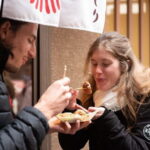
The next guided stop is the Fushimi Yume Hyakushu Cafe (about 35 minutes). You’ll get a snack of sake ice cream here, and this is one of those inclusions that makes the experience feel like a real afternoon rather than a strict tasting program.
More importantly, the tour connects this stop to a bigger historical idea: a logistics hub linking Fushimi and Osaka, transporting people, sake, rice, and more. The notes mention a historic ship context through the Edo period into the Meiji era, and there’s a specific boat ride component tied to the Jukkokubune. If you’re curious to experience that part of the story, plan for the extra cost on the dock (1500 yen), since it isn’t included.
You may also see why the cafe is popular for photos. The tour references an image famous on SNS tied to the location—so expect a setting that photographs well, even if you’re not chasing Insta shots.
Ginjo Shubo Aburacho: the tasting finish that sticks
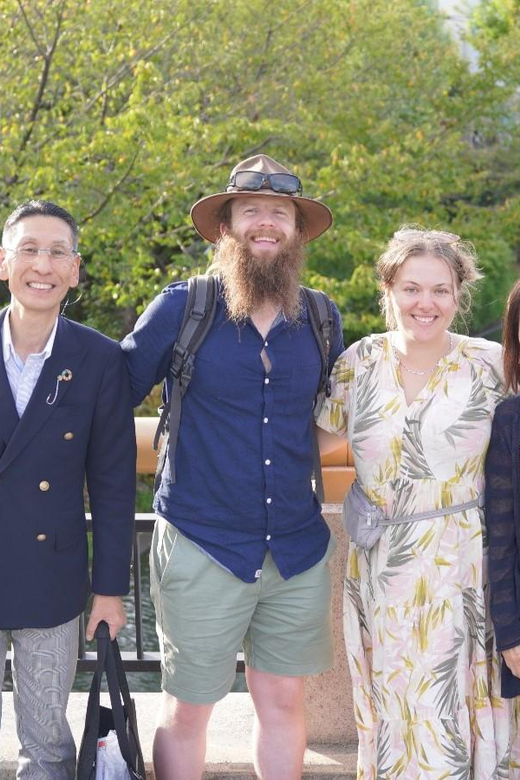
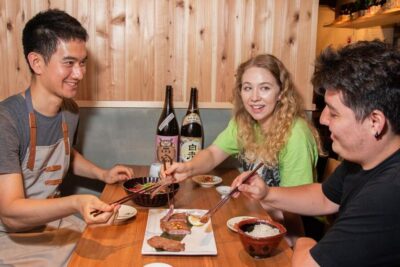
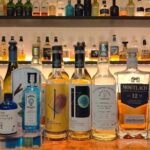
Your final guided stop is Ginjo Shubo Aburacho, with about 40 minutes of guided time, and this is where the tour’s tasting value really concentrates. Included is a tasting set of three types of Japanese sake at ABURACYO, plus another tasting set of three types of Japanese sake at the Gekkeikan Brewery side.
That’s a total of six sake tastings included in the tour price, not counting ice cream or Kyoto Beer. For me, that’s what makes the $80 price feel more reasonable: you’re paying for guided context plus multiple opportunities to compare aroma, body, and finish.
The “ginjo” angle also matters. Ginjo-style sake is often where many newcomers start building vocabulary because it can show clearer aromatics. Even if you can’t name everything right away, the guide-led tasting helps you map what you’re noticing to what the sake is supposed to communicate.
Price and value: is $80 for 3 hours a fair deal
At $80 per person for about 3 hours, you’re not buying a one-shot sampler. You’re paying for several bundled costs: museum admission to the Gekkeikan Ōkura Sake Museum, a commemorative cup, one Kyoto Beer glass, sake ice cream, and two tasting sets covering three types each.
What’s not included is also worth noting. Eating and drinking beyond what’s listed isn’t covered at each stop or restaurant. And the boat boarding fee (Jukkokubune) is separate at 1500 yen.
So the value depends on what you want out of sake. If you want a quick taste with minimal explanation, you might feel the price doesn’t match. But if you want the guided learning piece plus enough tasting variety to form opinions, $80 can be a solid bargain for Kyoto—especially in Fushimi, where self-guided sake errands can turn into more stops and higher costs fast.
Guide quality can shape everything
Here’s the honest travel truth: on a tasting tour, the guide is the difference between a fun afternoon and a useful one.
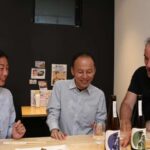
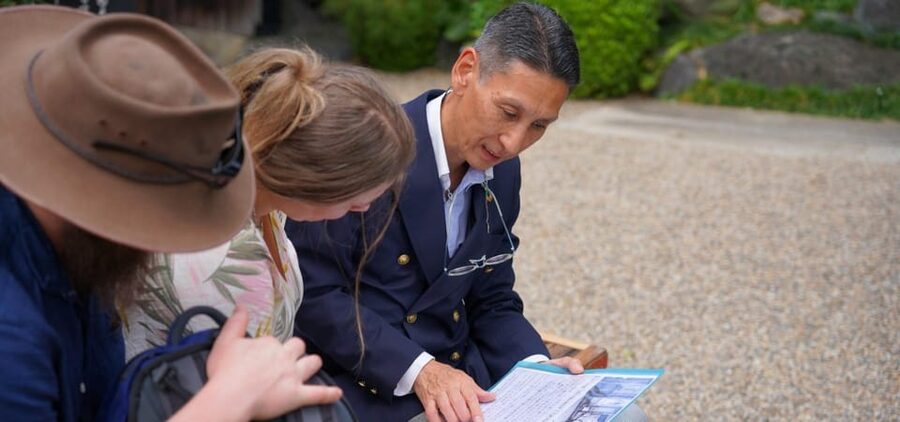
The good side is that the tour is designed to be explained. The materials describe a sake master approach, built around differences you can identify with your tongue and guidance through production secrets. In at least one booking, the guide Musaki (Bob) stood out as informative and knew the area well, including personal experience connected to sake brewing.
But the balance matters too. One low rating cited a guide who didn’t show up, and another complained the guide’s pace felt like simple walking with fewer explanations about how sake is made and how to understand flavor profiles. There’s also mention that a boat ride wasn’t even brought up in that experience.
What you can do: arrive early at the meeting point, keep an eye on the 888 sign, and be ready to ask questions immediately during tastings. If you want deeper flavor talk, say it up front—something like asking which flavor notes to focus on and how to compare the three sakes in each set.
Who this tour fits best (and who should skip)
This tour is a strong match if:
- You’re curious about sake and want guided tasting structure
- You like walking through neighborhoods with an actual production story behind them
- You want a mix of museum learning, brewery-linked visits, and real food (like sake ice cream)
It’s also more flexible than many alcohol-focused tours. Participants under 20 can join, but drinking alcohol is illegal under Japanese law—so the tour notes that non-alcoholic options and juices are available.
Two groups should reconsider:
- If you’re over 80, it’s noted as not suitable
- If you hate guided listening and prefer purely self-paced tasting, you might find the scheduled museum and shop times less appealing
Should you book the Japanese Sake Breweries Tour in Kyoto Fushimi?
Book it if you want a guided way to understand Fushimi sake without turning your afternoon into a spreadsheet of what to visit. The included museum stop, the included tastings (six sake varieties), and the extra food touches (sake ice cream and Kyoto Beer) are what make this feel like a complete outing rather than a quick detour.
Skip it or choose carefully if you’re mainly chasing the cheapest sake or if you know you need extremely detailed flavor coaching. With tours, guide style matters, and you’ll want someone willing to talk through aroma, body, and how each pour differs.
My best advice: go in wanting to learn, and come prepared to ask questions during the tasting sets. Do that, and Fushimi’s sake culture becomes more than a drink—you start tasting the place.
FAQ
Where does the tour start?
Meet outside the north exit ticket gate at 中書島駅 (Chusojima Station), at the sake barrel object just outside the gate. Your guide will be waiting with a sign that says 888.
How long is the tour?
The tour lasts 3 hours.
How much does the tour cost?
The price is $80 per person.
What is included in the tour price?
Included are the admission fee to the Gekkeikan Ōkura Sake Museum, a commemorative sake cup, one glass of Kyoto Beer, sake ice cream, and tasting sets of three types of Japanese sake (ABURACYO) plus three types at Gekkeikan.
How many sake breweries and tastings will I do?
The tour is described as visiting 2–3 diverse sake breweries for tastings, and the included tasting sets total six sake types (three at ABURACYO and three at Gekkeikan).
Is the Jukkokubune boat ride included?
No. The Jukkokubune boarding fee is not included, and you pay 1500 yen at the boat dock.
Can under-20 participants join if they can’t drink alcohol?
Yes. Under-20 participants can join, but drinking alcohol is illegal in Japan under that age. The tour notes that non-alcoholic options and juices are available.
What languages is the tour offered in?
The live tour guide is available in English, Chinese, and Japanese.
Is the tour suitable for older adults?
It is not suitable for people over 80 years old.