REVIEW · KYOTO
Kyoto Udon & Tempura Cooking Class with Professional Chefs
Book on GetYourGuide →Operated by MagicalTrip · Bookable on GetYourGuide
Kyoto has a way of making simple food feel like a craft. This class puts you in the middle of that: hands-on udon, inari sushi, and tempura with a professional chef and an English guide.
I especially like that you start from basics—flour and water—and work your dough by hand until it turns into something you’ll actually eat. I also like the pacing: you’re not just watching, you’re shaping, seasoning, frying, and then finishing with a mini sake moment.
One thing to consider: while the experience aims to cover everything, timing can shift depending on how the session runs. That means you might spend more time on dough and prep than on the final steps like cooking the noodles or making every component fully from scratch.
In This Review
- Key Points Worth Booking For
- Kyoto Udon, Inari Sushi, and Tempura: A Big Skill-Bundle for Food Lovers
- Finding the Class in Kyoto: 7-Eleven Near Kawaramachi
- Turning Flour and Water into Chewy Udon Noodles
- Inari Sushi and Onigiri Rice: Seasoning and Shaping With Confidence
- Tempura Classwork: From Prep Steps to Golden Crunch
- Mini Sake Tasting and Eating What You Made
- Timing Reality: About 2 Hours, But Build for Flex
- What You Take Home: English Recipes and Tour Photos
- Price and Value: Is $83 Reasonable for Kyoto Hands-On Cooking?
- Who Should Book This Udon, Tempura, and Inari Class
- Should You Book This Cooking Class in Kyoto?
- FAQ
- What dishes do you make in the class?
- Do I need prior cooking experience?
- How long is the experience?
- Is the class taught in English?
- Is this a small group?
- Where is the meeting point?
- How do I get to the meeting point from stations?
- Are ingredients provided?
- Are drinks included?
- Are recipes and photos included?
Key Points Worth Booking For
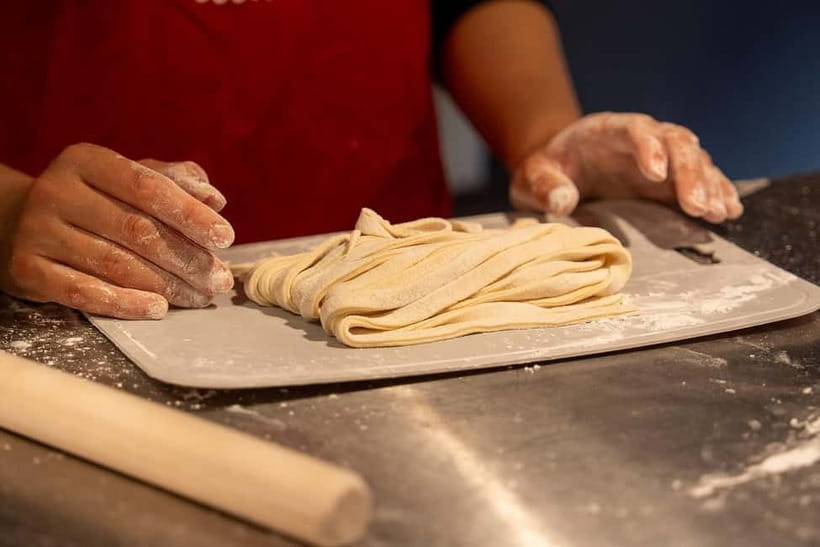
- Udon dough by hand: knead, roll, and feel the texture change as it comes together
- Inari sushi rice prep: freshly steamed rice, then seasoning and shaping into onigiri and inari sushi
- Tempura practice: fry your own golden bites with step-by-step guidance
- Mini sake tasting: a simple, included tasting to round out the meal
- Small group (up to 8): enough attention that you won’t feel lost with your hands full
- Take-home English recipe set and photos: useful back home, not just a fun memory
Kyoto Udon, Inari Sushi, and Tempura: A Big Skill-Bundle for Food Lovers
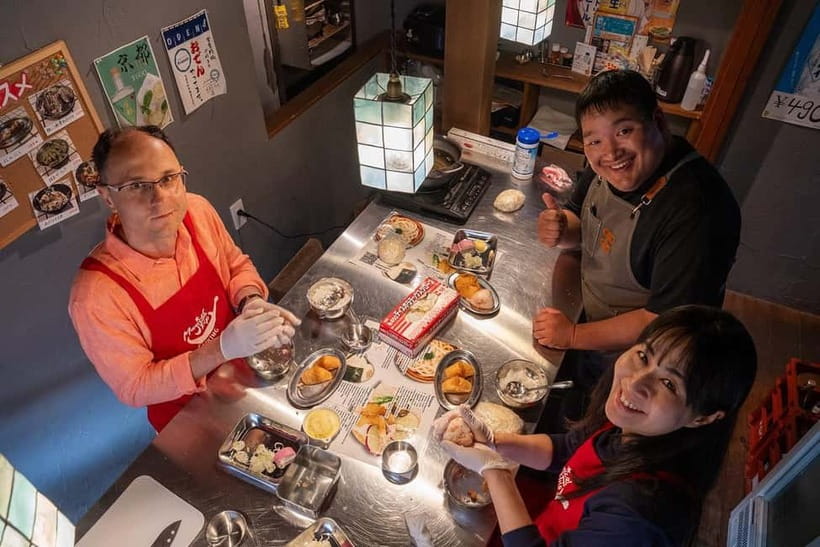
This is one of those Kyoto food experiences that makes sense. Instead of focusing on one dish, you learn three that all rely on similar ideas: texture, seasoning, and timing. Udon teaches you dough and chew. Inari sushi teaches rice seasoning and forming. Tempura teaches heat control and batter behavior.
And because it’s taught by a local udon master with an English guide, you get the best of both worlds: traditional technique and clear instructions you can follow even if you’re new to cooking. You’re also eating what you make, which turns kitchen practice into real payoff, fast.
At $83 per person for about 2 hours, this is not a cheap snack. The value is in the instruction, the included ingredients, the small group size, and the take-home English recipes—so you don’t just leave with a full stomach.
You can also read our reviews of more tours and experiences in Kyoto.

Finding the Class in Kyoto: 7-Eleven Near Kawaramachi
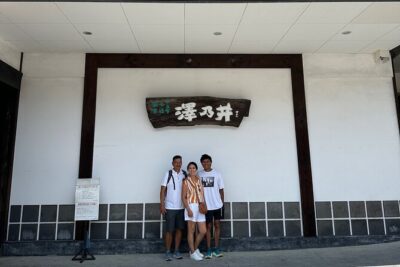
The meeting point is easy to spot: 7-Eleven – Kyoto Kawaramachi-Takoyakushi. It’s a short walk from Kyoto-Kawaramachi Station (Keihan Kyoto Line), Exit B3 (about 3 minutes), or from Gion-Shijo Station (Keihan Main Line), Exit 3 (about 9 minutes).
This area is practical for your day. You can pair the class with a market stroll or a temple visit without building your schedule around long transfers. Plan to arrive a few minutes early so you can check in and get settled before you start working with flour and dough.
Turning Flour and Water into Chewy Udon Noodles
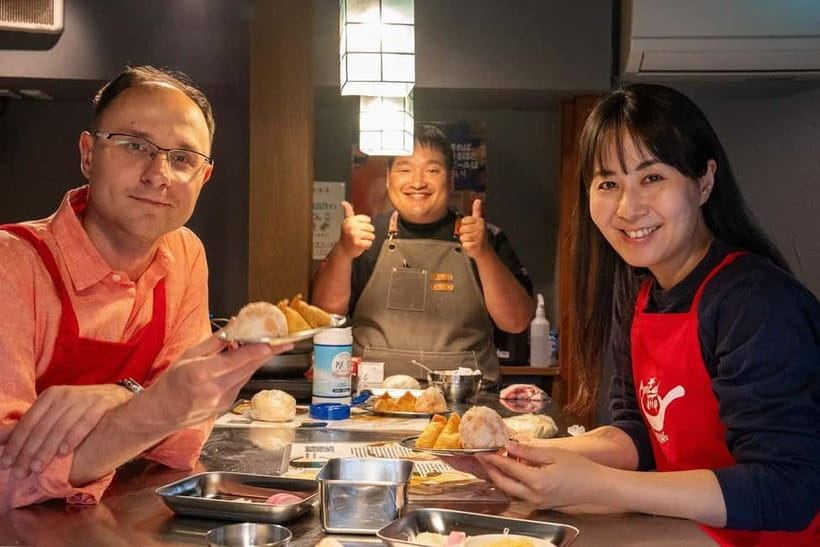
The most satisfying part is the udon foundation. You begin with what looks like nothing—flour and water—and then you build it into dough. You’ll mix, knead, and roll by hand with guidance from the udon master and your English-speaking guide.
If you’ve ever watched udon get made on video, you know there’s a special moment when the dough stops feeling rough and starts feeling elastic. In this class, you get to find that moment yourself. Don’t worry if you’re not a “cook.” This step is designed to be learn-by-doing, and the main goal is to experience how touch and pressure change texture.
A practical tip: when dough feels like it’s fighting you, it usually needs either more kneading time or small adjustments in how you handle it. The instructor’s job is to help you correct that quickly, so you don’t waste your whole session struggling.
Inari Sushi and Onigiri Rice: Seasoning and Shaping With Confidence
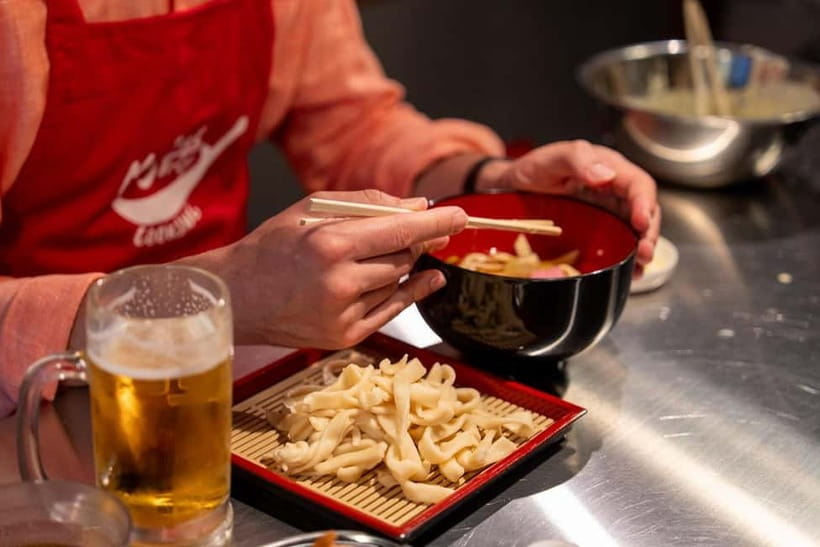
Next comes rice, and it matters. Freshly steamed rice gives you a base you can actually shape. Then you’re taught how to season it for Inari sushi, and how to form it into onigiri and inari sushi.
Even if you’ve eaten Inari sushi before, shaping it is different when you do it at the right temperature with seasoned rice. The texture should be cohesive enough to hold its form without becoming dry or sticky in a way that makes shaping miserable.
This part of the class is valuable because it teaches a repeatable technique. If you can season rice properly and shape consistently once, you can recreate the method at home—especially since you’ll receive an English recipe set designed for ingredients you can find outside Japan.
Tempura Classwork: From Prep Steps to Golden Crunch
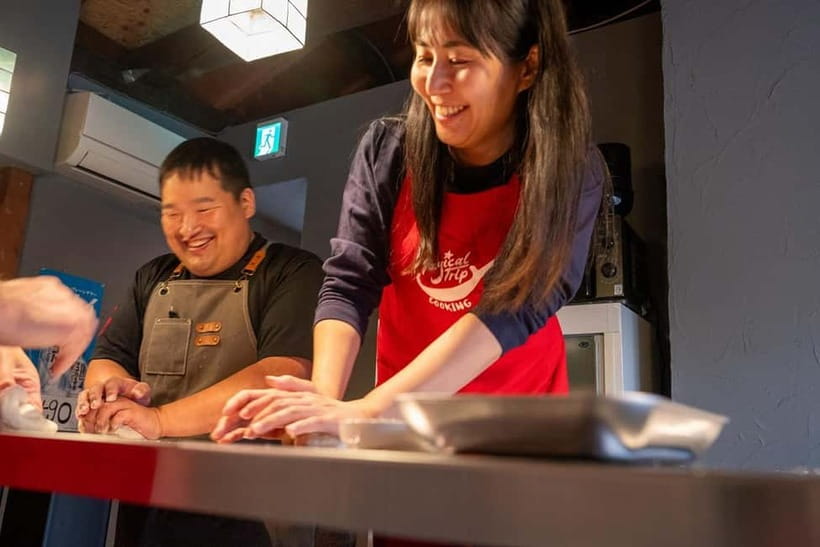
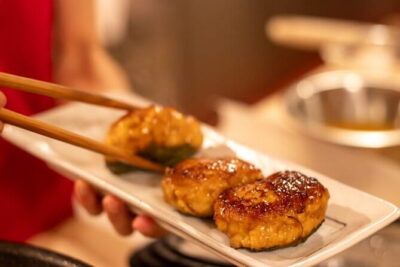
Then you move into tempura, the fried-food comfort zone of Japan. Your guide and the chef walk you through the steps so you can fry your own crispy bites.
Tempura is a great learning target because it’s forgiving in an educational way. You’ll see how preparation and handling affect the final crunch. And because you’re frying what you prepare, you immediately learn whether your batter thickness and cooking rhythm are working.
One caution to keep your expectations realistic: some sessions may focus more on dipping and frying while spending less time on fully making batter from scratch or on every possible prep step. The overall goal is that you leave with fried tempura that you can feel proud of—just don’t assume every component is built from zero to finished in the exact way you might imagine.
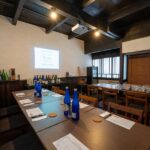
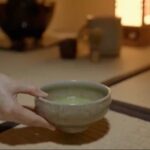
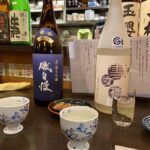


Mini Sake Tasting and Eating What You Made
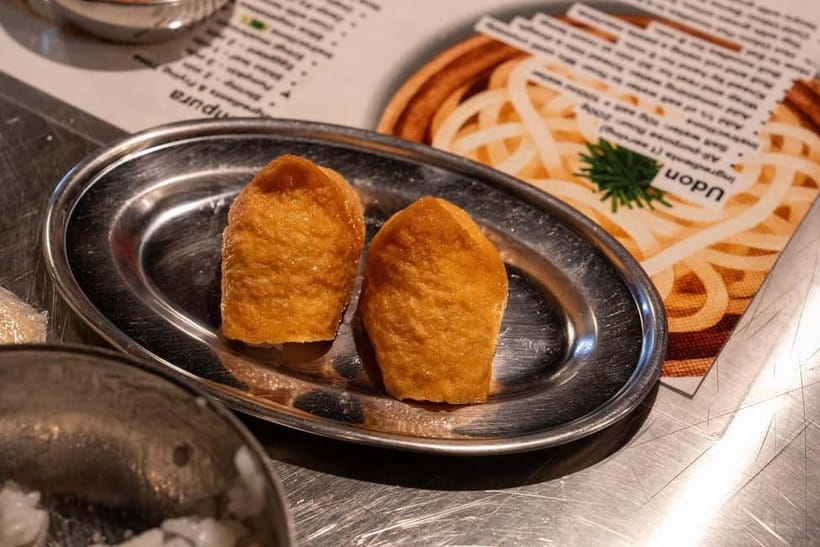
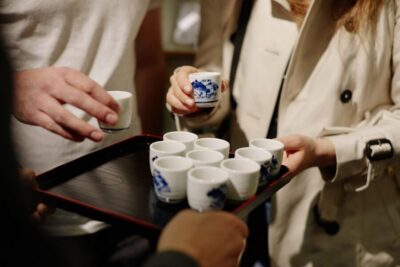
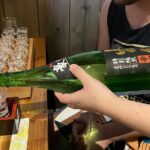
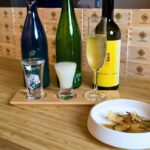
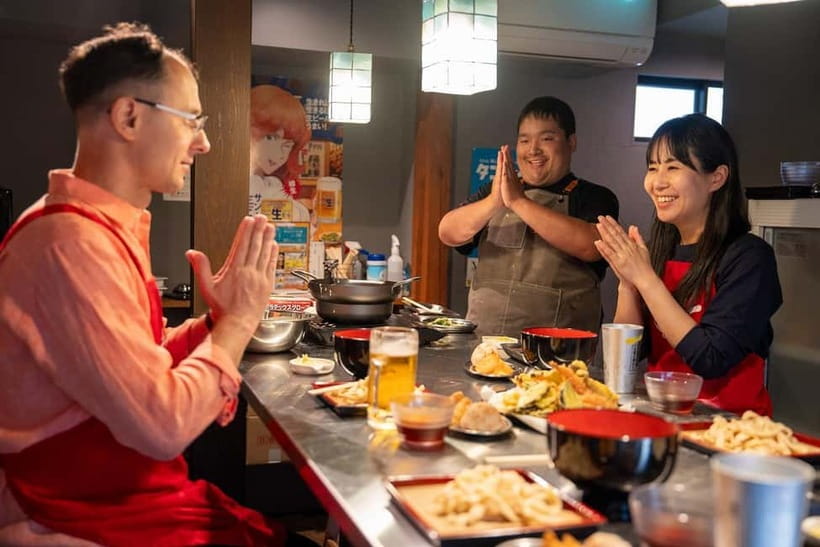
After cooking, you eat. This is where the class becomes more than a lesson. You’ll savor the udon, inari sushi, and tempura you made, and it’s paired with a mini sake tasting experience.
You also get two drinks included. That’s part of why the experience works as a meal, not just a workshop. You’re not finishing hungry and you’re not forced to hunt for dinner immediately after.
Food classes can sometimes feel rushed. Here, the idea is to keep the atmosphere friendly and relaxed so you can enjoy the results without feeling like you’re constantly sprinting between stations.
Timing Reality: About 2 Hours, But Build for Flex
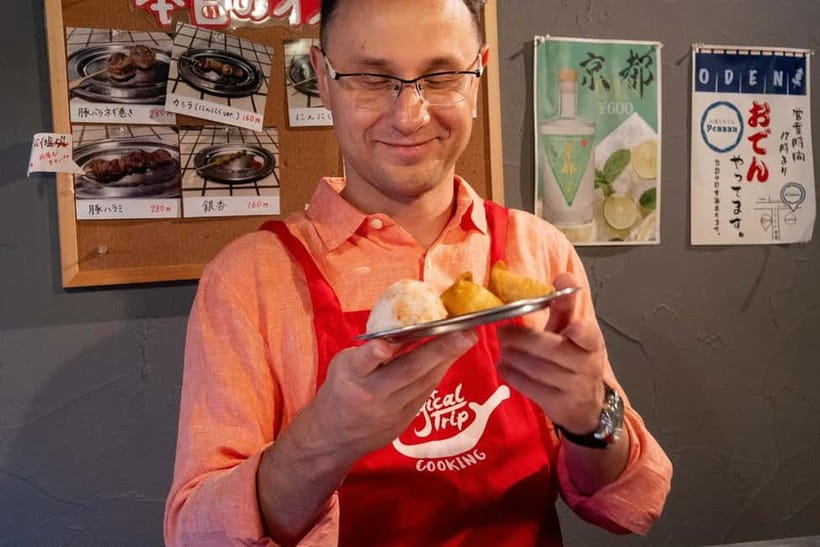
The experience is scheduled at 2 hours, small group size is capped at 8 participants, and it’s meant to cover multiple dishes. In practice, kitchen time can run tight, especially once hands are floury and frying starts.
One practical approach: go in with the mindset that you’re learning technique, not chasing a checklist. Depending on how your session flows, you might spend more time on dough prep than on the very last steps like cooking noodles or making every broth component. You may also see tempura handled in a way that emphasizes frying and finishing over extended batter making.
That doesn’t make it worse—it just changes what you walk away practicing most. If you care deeply about finishing every element, ask your guide early in the session how the timing is expected to work.
What You Take Home: English Recipes and Tour Photos
This class earns points for what happens after the meal. You get an English recipe set made to help you recreate the dishes at home with ingredients you can find easily. That’s the real long-term value.
You also get tour photos, which is great for remembering the hands-on parts you might not think to photograph while you’re focused on shaping food. If you’re the type who likes to cook later, recipes plus photos are a strong combo because you can match the steps to what you did in class.
Price and Value: Is $83 Reasonable for Kyoto Hands-On Cooking?
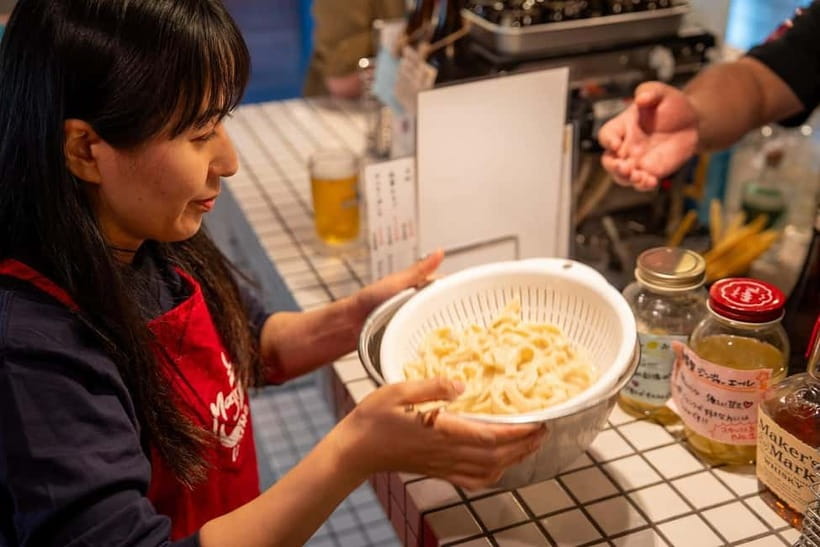
$83 can feel like a lot until you break down what’s included and what you’re paying for. Here you’re getting:
- A hands-on cooking class taught by a local master and an English guide
- Ingredients provided for the cooking
- Enough food built from the class session to make it feel like a real meal
- Two drinks, including a mini sake tasting
- An English recipe set
- Tour photos
- A small group format (up to 8), which usually means more direct help
If you were paying for the same ingredients and paying for private instruction separately, it would likely cost more. Even if you mainly want one dish, the value is that you learn multiple techniques in one session—udon dough handling, rice seasoning and shaping, and tempura frying practice.
In plain terms: you’re not buying a show. You’re buying time with skilled people and a finished skill you can try again later.
Who Should Book This Udon, Tempura, and Inari Class
This is a strong fit if you want Kyoto food culture without needing advanced culinary skills. The class explicitly has no prior cooking experience required, and it’s suitable for all ages.
You’ll especially like it if:
- you want hands-on cooking in a small group, not a crowded demo
- you’re curious about udon texture and rice shaping, not just eating
- you’d like practical take-home recipes you can follow in your own kitchen
- you’re traveling with someone who enjoys food experiences more than museum time
If you hate kitchens, mess, or fast cleanups, consider whether you want to spend time kneading dough and handling frying prep. But if you’re even mildly curious, this is one of the easier “try it” classes to enjoy.
Should You Book This Cooking Class in Kyoto?
Book it if your priority is learning by doing and leaving with English recipes you can use at home. The small group size, professional instruction, and included meal make it a good use of an evening—especially if you’re already in the Kawaramachi/Gion-Shijo area.
I’d be slightly cautious only if your main goal is to guarantee that every dish element is finished exactly the way you expect in a single session. Kitchen classes can flex, and timing can shift. If that’s your biggest concern, ask your guide at the start what will be emphasized today.
If you want a friendly, practical Kyoto food experience where your hands actually make dinner, this is a solid choice.
FAQ
What dishes do you make in the class?
You’ll learn how to make udon noodles, inari sushi, and tempura, and then you’ll eat what you prepare.
Do I need prior cooking experience?
No. The class says no prior cooking experience is required.
How long is the experience?
The duration is 2 hours.
Is the class taught in English?
Yes. The instruction language is English.
Is this a small group?
Yes. It’s limited to a small group of up to 8 participants.
Where is the meeting point?
Meet at 7-Eleven – Kyoto Kawaramachi-Takoyakushi.
How do I get to the meeting point from stations?
It’s about a 3-minute walk from Kyoto-Kawaramachi Station (Exit B3) on the Keihan Kyoto Line, or about a 9-minute walk from Gion-Shijo Station (Exit 3) on the Keihan Main Line.
Are ingredients provided?
Yes. Ingredients are provided for the cooking class.
Are drinks included?
Yes. You get two drinks, including a mini sake tasting experience.
Are recipes and photos included?
Yes. You receive an English recipe set to take home, and you also get tour photos.