REVIEW · KYOTO
Nishiki Market, Private Sushi class & Sake Tasting in Townhouse
Book on Viator →Operated by ホプテラス · Bookable on Viator
Sushi class begins at Nishiki Market. This private outing mixes a walk through Nishiki Market with a hands-on sushi rolling workshop in a traditional Kyomachiya townhouse. You’ll taste your way around Kyoto’s food world, then cook a meal you can actually repeat at home.
I especially like the step-by-step cooking format, where the class stays practical instead of just showing off. I also like that you get a focused mini sake tasting paired with real food techniques, not a separate, awkward add-on. In one review, the staff member Sunny was singled out for making the experience feel smooth and welcoming.
One thing to plan for: you’ll do about an hour of market walking before you move indoors. So if you want zero strolling time, wear comfortable shoes and keep your pace steady.
In This Review
- Key highlights worth clocking
- Kyoto’s Kitchen Walk: Nishiki Market with purpose
- The Nishiki Shrine stop: a small pause from shopping energy
- Step out of the street and into a Kyomachiya
- Mini sake tasting: where the meal starts getting real
- Rolled sushi workshop: learning by doing, not watching
- Miso soup from scratch: dashi and timing you can feel
- Seasonal side dishes and the full meal effect
- Dessert to close: simple and Japanese style
- English-led, private, and recipe-in-hand for home cooking
- Price and value: why $121.84 can make sense
- Getting there: meeting point and where you end up
- Who this private Nishiki Market and sushi class fits best
- Should you book this Nishiki Market Private Sushi Class?
- FAQ
- How long does the experience last?
- Is this a private tour?
- What language is the class taught in?
- What dietary options are available?
- What’s included in the price?
- Do I get anything to take home?
- Where does it start and end?
- Can I cancel and get a full refund?
Key highlights worth clocking
- Nishiki Market ingredient tasting on a 5-block shopping street with 100+ shops
- Nishiki Shrine visit tucked behind the lantern-lined market alleys
- Kyomachiya townhouse reserved for your group so it feels calm and personal
- Hands-on rolled sushi plus miso soup with dashi from scratch
- Alcohol included via a mini sake tasting
- English instruction + recipe booklet so you can recreate the meal later
Kyoto’s Kitchen Walk: Nishiki Market with purpose
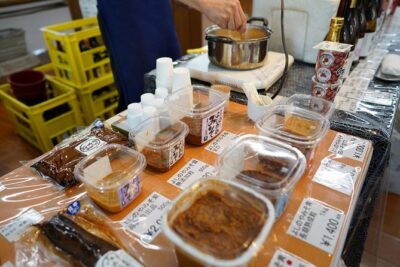
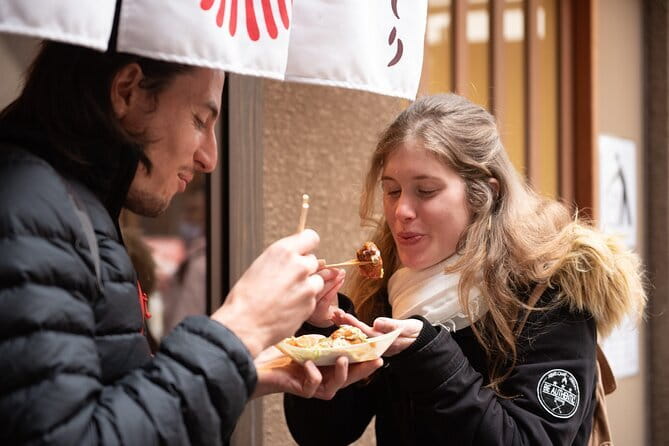
Nishiki Market is often described like a place to snack. This experience uses it more like a classroom you can eat. You’ll spend around an hour strolling a roughly 5-block shopping street that’s been part of Kyoto’s food culture for over 400 years, with more than 100 shops and restaurants along the way.
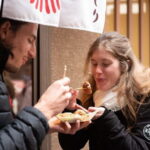
The guide doesn’t treat it like random wandering. Instead, the walk is built around how ingredients show up in Kyoto cooking: seafood, seasonal vegetables, pickles, dried goods, and the types of flavors that make Kyoto food feel distinct. You’ll get chances to taste traditional items as you go, which helps you understand why the recipes later don’t rely on shortcuts.
I like the pacing here. You get movement, you get sampling, and you’re not stuck reading a lecture. And since the tour is private, you can usually ask questions without waiting for a large group to catch up.
You can also read our reviews of more tours and experiences in Kyoto.

The Nishiki Shrine stop: a small pause from shopping energy
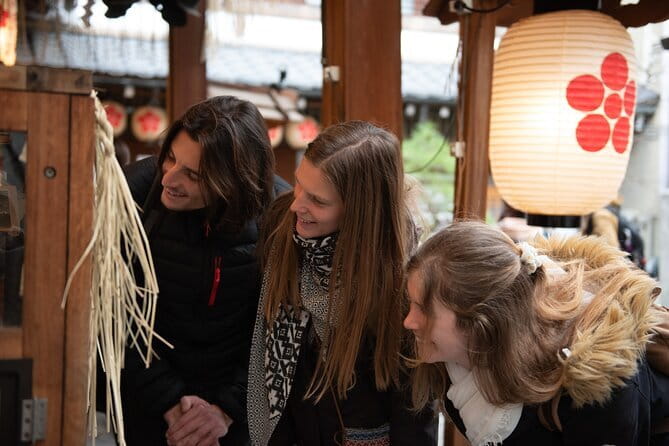
Right after the market stretch, you’ll head toward Nishiki Shrine, tucked away behind the market’s lantern-lit alleyways. This is the kind of quick detour that makes the whole afternoon feel more Kyoto and less like an assembly line.
The shrine visit also gives your senses a reset. After seafood smells, pickled tang, and warm street foods, the calmer alley space helps you register what you just learned about ingredients. It’s a short stop, but it breaks up the sensory overload that can happen on food tours.
Step out of the street and into a Kyomachiya
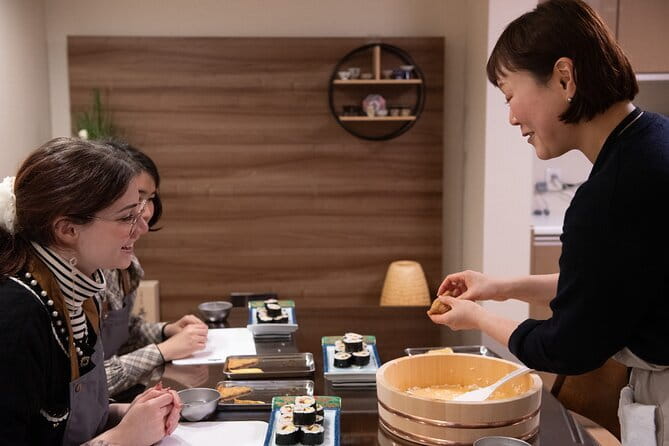
Then comes the tone shift: you’ll move into a preserved Kyomachiya (traditional townhouse) for the group. It’s reserved exclusively for your group, so you’re not squeezing into a shared cooking classroom with strangers drifting in and out.
This matters more than you might think. A townhouse layout tends to keep the experience focused: you can hear the host, you can see the work surfaces, and the atmosphere feels quieter than a street-level workshop. In practical terms, it also makes the teaching easier if you’re learning something hands-on like sushi rolling.
The setting helps you notice details too—like the tools you use and how you arrange ingredients—because you’re not racing around. If you’ve ever tried to cook while your kitchen is chaos, you’ll appreciate this calm structure.
Mini sake tasting: where the meal starts getting real

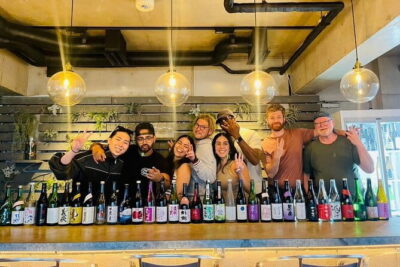
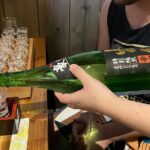
Before you start rolling sushi, you’ll enjoy a mini sake tasting and get an introduction to Japan’s sake culture. Since the tour includes alcoholic beverages, plan for that part of the evening’s chemistry: you’ll likely want to slow down afterward and be thoughtful about how you eat the rest of your meal.
What I like about including sake here is that it supports the food lesson. Instead of just being a drink stop, it’s part of understanding how Japanese meals balance flavors. Even if you’re not a huge alcohol person, the tasting can still be useful for learning how the host frames taste and pairing.
Rolled sushi workshop: learning by doing, not watching
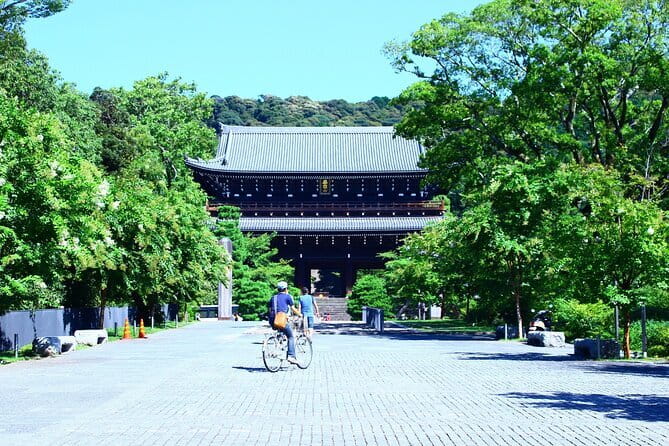
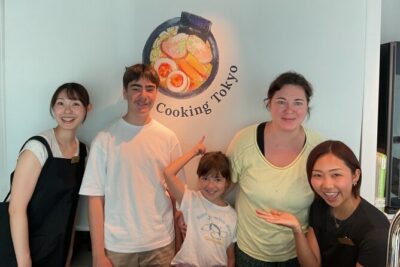
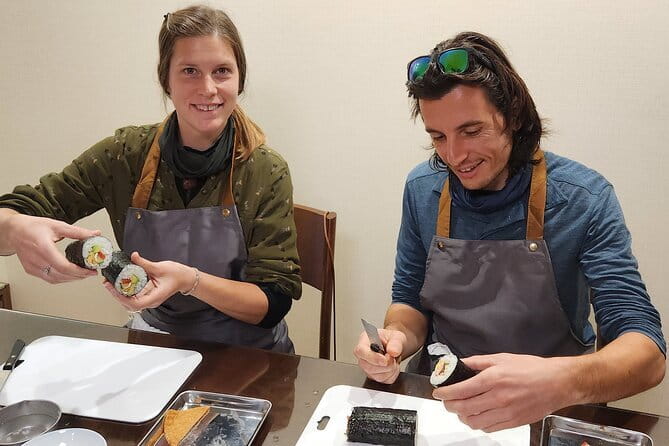
The highlight is the hands-on rolled sushi workshop. You’ll be taught by a local instructor using fresh ingredients, and you’ll do the rolling yourself. The class is structured to be step-by-step, which is a big deal if you’re a first-timer.
One review specifically mentioned a participant who was making sushi rolls for the first time and was challenged to try without help right away. That’s usually a good sign in a good class: the instructor is paying attention, but you still get to figure things out with guidance when you need it.
If you want practical tips for your own learning style, here’s what tends to work:
- Focus on the technique in each step, not the final look.
- Expect some mess. Sushi rice and nori don’t forgive impatience.
- Ask questions early if you’re unsure about grip, pressure, or how the roll should hold.
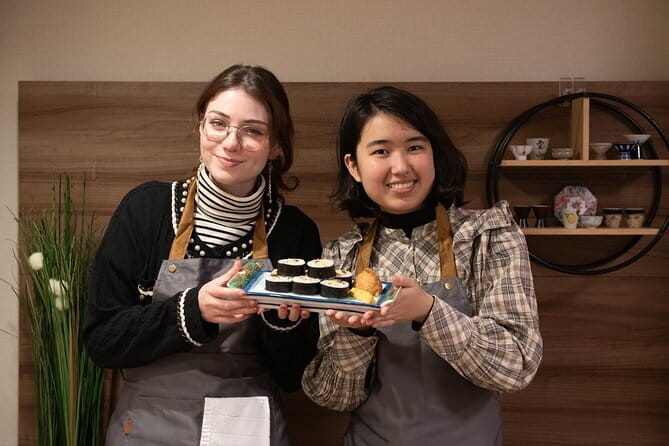
Even better, you’re not just making sushi in theory. You’re creating a full meal with soup and side dishes, so the workshop stays connected to what you’ll actually eat.

Miso soup from scratch: dashi and timing you can feel
Next up: homemade miso soup from scratch, including dashi. This is one of those cooking skills that makes you feel confident fast, because once you understand dashi and soup balance, you can build other soups later.
What makes this practical is that miso soup isn’t just a side dish in Japan. It’s the supporting actor that makes rice and sauces taste more complete. Learning to cook it from scratch means you understand why the sushi set works as a set.
And if you’re not much of a cook, don’t worry. A review mentioned that participants could really cook step by step, and that it felt rare (in a good way) to do that much actual cooking. That matches the overall format: teaching + doing, not watching + leaving.
Seasonal side dishes and the full meal effect
Your cooking session includes seasonal Japanese side dishes alongside the sushi and miso soup. That’s a smart way to teach Japanese cooking because it shows you how flavors fit together—rice, savory soup, a couple of different textures, and not just one star item.
One review specifically referenced dishes like egg and spinach omelets with sesame sauce as part of the meal set. Even if every session has its own seasonal adjustments, the key point is consistent: you’re not just rolling sushi and calling it lunch.
The experience also includes lunch as part of the package. So you’re paying for a meal that you help create, not for a class that ends before you eat.
Dessert to close: simple and Japanese style
To finish, you’ll have a simple Japanese-style dessert included. It’s not designed to turn into a sugar contest. Instead, it gives you a clean ending after savory cooking, and it makes the meal feel complete.
If you’re the type who likes a clear beginning and end to an experience, this matters. You don’t get that half-finished feeling some workshops leave you with.
English-led, private, and recipe-in-hand for home cooking
This is offered in English, which is a big advantage for learning technique without second-guessing. You’ll also receive a recipe booklet, which is one of those small inclusions that can make or break your satisfaction.
Here’s why: sushi and soup technique details are hard to remember after your trip ends. Having a booklet helps you recreate flavors later instead of just remembering the fun day and moving on.
If you’ve ever come home from a cooking class and thought, I know I liked it, but I don’t remember how—this is the antidote. You’ll have something to refer back to.
Price and value: why $121.84 can make sense
The price is $121.84 per person, and the tour runs about 2 to 3 hours. That’s not the cheapest activity in Kyoto, but it can be good value because you’re getting a lot included.
Based on what’s included, your money isn’t only buying a cooking demo:
- Lunch is included
- Alcoholic beverages (via sake tasting) are included
- A guide is included
- A restroom on board is listed as available
Also, it’s a private experience for your group. Private instruction and step-by-step teaching costs more than joining a standard group class, but it’s also where the learning quality improves—especially for sushi rolling, which benefits from real-time feedback.
Finally, this experience is booked on average 98 days in advance, which is a clue that planning ahead pays off. If you’re set on a specific time window, don’t wait until the last minute.
Getting there: meeting point and where you end up
You start at 79 Nishiuoyachō, 下京区, Kyoto. The experience ends at 96-13 Asazumachō, Shimogyo Ward, which is about a 5-minute walk from Gojo Subway Station.
That ending location is useful because it gives you an easy metro option for the rest of your day. If you prefer a taxi, the provider says they can help arrange transport if needed. It’s a small detail, but it reduces stress after your hands-on cooking.
Who this private Nishiki Market and sushi class fits best
This is a great match if you:
- Want a Kyoto food experience that teaches technique, not just sightseeing
- Like eating while you learn—market sampling to cooking to lunch
- Want a private, English-led format for easier questions
- Plan to cook at home again and use a recipe booklet
It may be less ideal if you:
- Don’t want any walking time before cooking
- Are strongly alcohol-free (because alcoholic beverages are included as part of the tasting)
Should you book this Nishiki Market Private Sushi Class?
Book it if you want an afternoon with clear structure: taste Kyoto at Nishiki Market, get a cultural break at Nishiki Shrine, then cook a real sushi-and-soup meal in a traditional Kyomachiya. The combination of step-by-step sushi rolling, miso soup from scratch, and included lunch makes it feel worth the money.
Pass or consider an alternative if you dislike cooking activities or if the market walk sounds like too much standing around for you. But if you like practical learning and a meal you made yourself, this one hits the sweet spot.
FAQ
How long does the experience last?
It runs about 2 to 3 hours.
Is this a private tour?
Yes. It’s a private tour/activity, and only your group participates.
What language is the class taught in?
The experience is offered in English.
What dietary options are available?
Vegetarian and vegan options are available if you request them in advance.
What’s included in the price?
Lunch, a guide, restroom on board, and alcoholic beverages are included. Snacks are not included.
Do I get anything to take home?
Yes. You’ll receive a recipe booklet so you can recreate the flavors at home.
Where does it start and end?
It starts at 79 Nishiuoyachō, 下京区 Kyoto 604-8142 and ends at 96-13 Asazumachō, Shimogyo Ward, Kyoto 600-8407. The endpoint is about a 5-minute walk from Gojo Subway Station.
Can I cancel and get a full refund?
You can cancel for a full refund up to 24 hours before the experience’s start time. Canceling less than 24 hours before does not receive a refund.