REVIEW · KYOTO
Advanced Kyoto Insider Sake Tasting Experience
Book on Viator →Operated by Add Stories Co.,Ltd. · Bookable on Viator
Sake changes fast when you compare it. This Advanced Kyoto Insider Sake Tasting Experience is built around 10 side-by-side bottles and a certified sake expert, so you learn to taste with your brain, not just your palate. I like that it goes beyond basics and pushes into brewing choices like fermentation technique, microorganism-focused thinking, and even wood materials.
One heads-up: this is a focused 2-hour session and snacks or food pairing are not included, so you’ll be happier if you eat lunch or brunch first and arrive ready to concentrate.
In This Review
- Key highlights you’ll actually use
- Entering the tasting room: where “advanced” becomes practical
- The 10-sake comparison: how this tasting trains your palate
- What the expert covers: fundamentals plus the “why” behind flavor
- The hands-on label practice: your souvenir isn’t a bottle, it’s the skill
- Brewing philosophies you’ll taste: ancient methods, new fermentation, local wood
- How “advanced” still works for beginners
- The value of $74.64: what you’re really paying for
- Logistics that matter: timing, transit, and small-group flow
- Alcohol rules and practical considerations
- What to do before you go: arrive fueled, curious, and note-ready
- Who should book this in Kyoto, and who might skip it
- Should you book the Advanced Kyoto Insider Sake Tasting Experience?
- FAQ
- How long is the Advanced Kyoto Insider Sake Tasting Experience?
- How many sake do I taste during the tour?
- Is food or a snack pairing included?
- What’s the minimum age to join?
- Do I have to be a sake expert?
- Where does the tour start?
- Will I receive a mobile ticket?
- Will alcohol be served to everyone?
Key highlights you’ll actually use
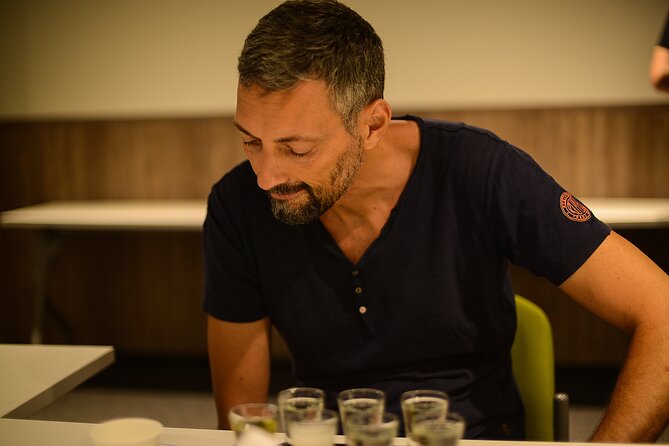
- 10 sake comparisons chosen for clear contrasts in brewing approach and flavor profile
- Certified expert guidance that helps you connect categories to what you taste
- Hands-on label reading with real bottles the way restaurants use them
- Microbes, method, and materials so fermentation philosophy becomes understandable
- Dedicated tasting-room setting designed for structured comparison, not casual sampling
Entering the tasting room: where “advanced” becomes practical
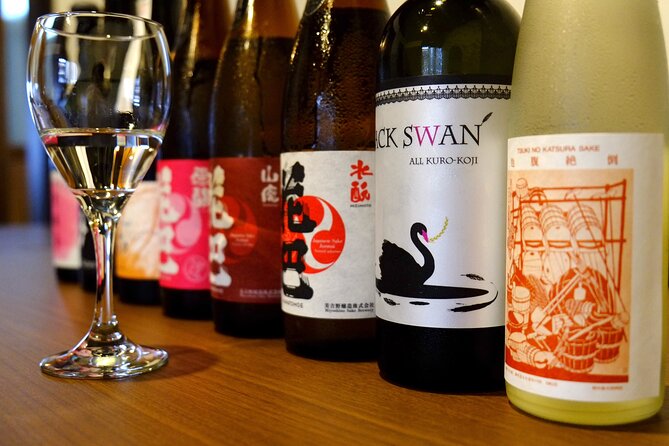
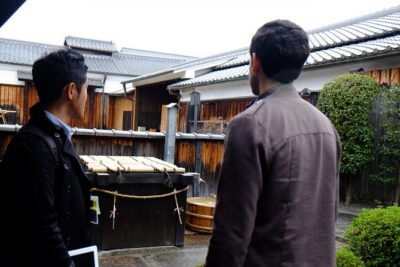
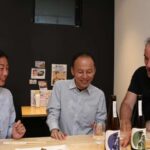
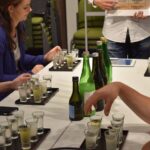
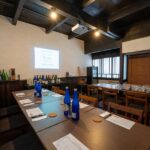
This experience takes place in a dedicated tasting room in Fushimi, and that matters more than you might think. You’re not bouncing around Kyoto hunting for your next pour. Instead, you’re in one place long enough to build a mental map of flavor, then test it bottle by bottle.
The tone is “serious but friendly.” You’ll cover the fundamentals of sake production and categories, but the core idea is comparison: you taste, you discuss, you learn how to describe what you’re tasting in a way that actually helps you choose sake later. You also get sake tasting notes and reference materials, which is great for turning the session into something you can use after you leave.
And yes, the group is capped at 12. That small size helps the expert keep things moving and still give you attention when you ask why a style tastes the way it does.
You can also read our reviews of more tours and experiences in Kyoto.

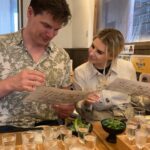
The 10-sake comparison: how this tasting trains your palate
Most sake tastings feel like a parade: drink, smile, move on. This one is designed more like a course. You taste and compare 10 carefully selected sakes, and the explanations are paired to what you’re drinking, not floating above it.
Here’s the practical payoff: you start learning to evaluate sake structure. Not just “this is good” but “this has the character that comes from X.” When you can separate factors like aroma, sweetness impression, acidity balance, and finishing feel, you stop relying on luck when you’re shopping in a store or ordering at a restaurant.
Also, the tasting is approachable. If you’re new, the fundamentals and style categories help you not get lost. If you already drink sake, you’ll likely enjoy the way the expert pushes beyond flavor talk into method and material choices. Either way, the comparison format gives you quick learning feedback. After a few pours, you’ll start spotting patterns.
What the expert covers: fundamentals plus the “why” behind flavor
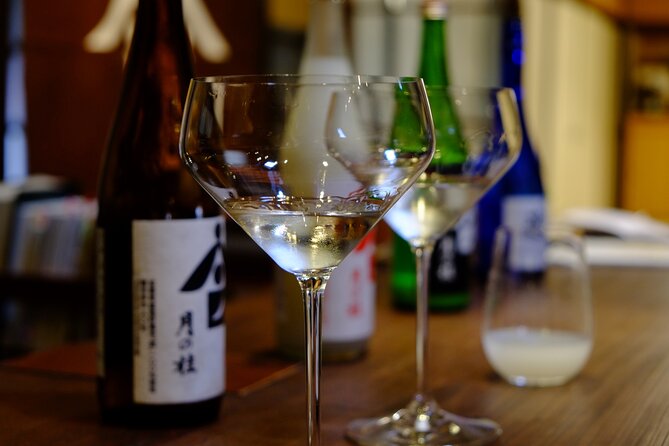
You’ll still get the basics of how sake is made and the common sake categories, but the emphasis is on “why the flavor shifts.” The experience is built to challenge conventional ideas about how sake is made, so it doesn’t just treat sake as a single product type.
Instead, it frames sake as a system of decisions. You’ll learn how brewing philosophy shapes outcomes, how ingredients and techniques can shift what you detect, and how microbial activity can be part of the story rather than a footnote. That approach makes the tasting feel like detective work—except the clues are in the glass.
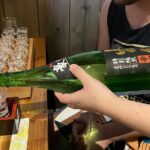
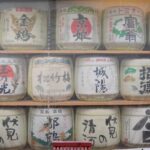
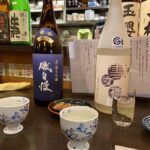
You’ll also do hands-on bottle label reading. This is a real-world skill. In restaurants, labels can look intimidating, and you might assume you just need to memorize terms. In this session, you practice reading bottles the way they’re used in practice, not the way they’re explained in a brochure.
The hands-on label practice: your souvenir isn’t a bottle, it’s the skill
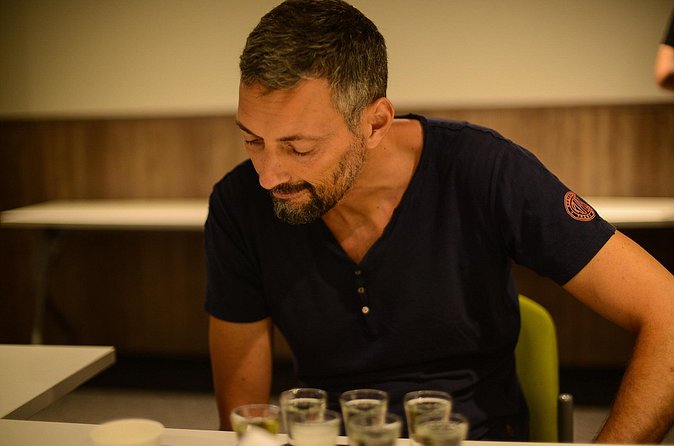
One of the most useful parts here is the practice reading real sake bottles and labels used in restaurants. That’s not a gimmick. It changes what you can do after the tour ends.
During the tasting, you’ll be guided through how to interpret bottle information and connect it to style and flavor expectations. Then, when you’re back in Kyoto—or anywhere in Japan—you’re not guessing. You can look at a label, predict the direction of flavor, and order with more confidence.
Even better, it helps you avoid the common travel mistake: buying a bottle because the name sounds cool. This experience trains you to read the label cues so you can match a bottle to what you actually want to drink next.
Brewing philosophies you’ll taste: ancient methods, new fermentation, local wood
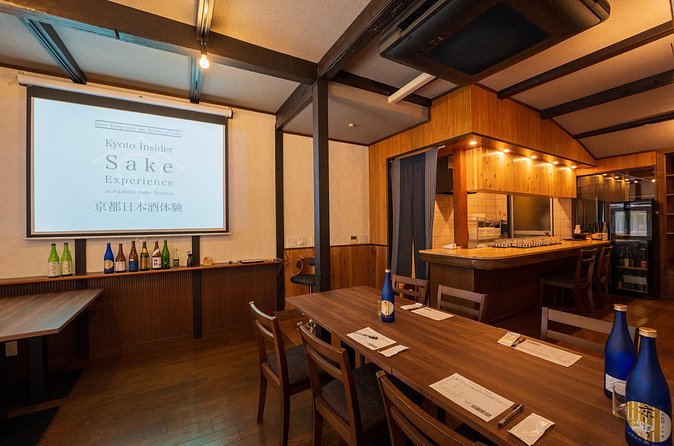
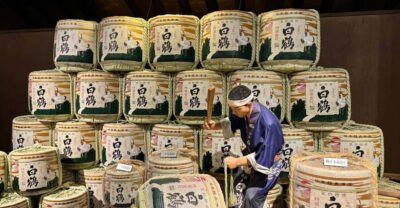
The advanced angle comes from where these sakes come from and what they represent. You’ll explore rare and exceptional sakes that follow ancient methods, plus innovative fermentation techniques that emphasize the power of microorganisms. You’ll also taste sake made with local wood, which gives each brew a distinct regional character.
That last point—local wood—is where your senses get a workout. Wood isn’t just a flavor “ingredient” in the usual sense. It influences how the process develops, and that can translate into a different feel in aroma and finish. This is the kind of detail that makes a tasting stick in your memory, because you can’t reduce it to one word like fruity or dry.
Meanwhile, the ancient-method sakes and the newer fermentation approach give you contrast. You’ll start to notice how the same basic base becomes different through philosophy and materials. That’s the key lesson: sake isn’t just one tradition with variations. It’s a creative field where small choices lead to noticeable outcomes.

How “advanced” still works for beginners
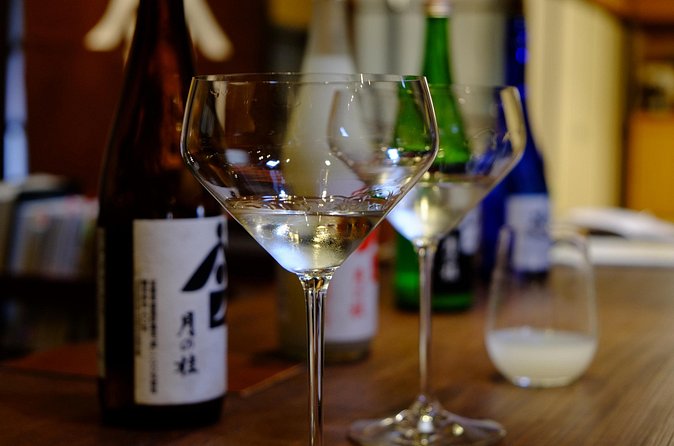
If you’re thinking this might be too technical, you should know the experience is designed so beginners can enjoy it. The tour covers basics and categories, and the tasting notes and reference materials help you follow along without feeling left behind.
The reason this works is the format. Instead of dumping terms first and tasting later, you learn through taste comparison. You’ll hear explanations and then immediately test them with your palate. That rhythm prevents the classic “I understand the words, but not what they mean” problem.
If you already know sake, you’ll probably like the refinement. You’re not only getting more information; you’re getting more structured ways to evaluate it. The expert’s guidance helps you connect what’s happening in fermentation and brewing choices to the flavor profile you’re drinking.
The value of $74.64: what you’re really paying for
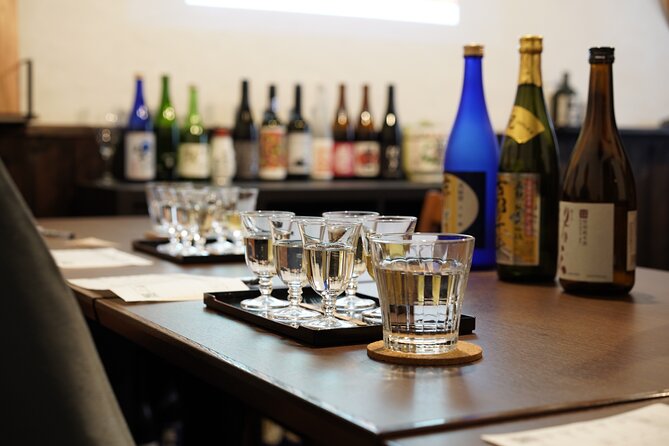
At $74.64 per person for about 2 hours, the price seems like a lot until you break down what’s included. You’re not just paying for 10 pours. You’re paying for expert-led comparisons, structured explanations, and hands-on label practice in a dedicated room.
You also get reference materials and tasting notes, which effectively extends the experience beyond the 2-hour window. That’s one reason the value feels strong if you plan to buy or order sake after your trip.
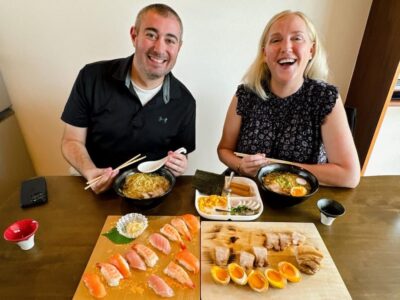
The only trade-off is that snacks or food pairing are not included. In other words, you might feel the time more if you arrive hungry. Eat first, then come ready to focus. If you do that, the session feels like a high-quality class with tasting built in.
Logistics that matter: timing, transit, and small-group flow
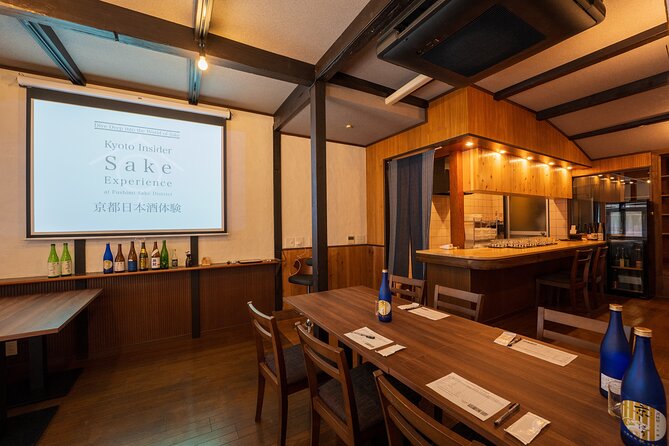
The session runs about 2 hours, which is long enough to do real comparisons but not so long that you lose your senses. Plan to arrive with a bit of breathing room. The meeting point is Kyoto Insider Sake Experience, 271-1 Kurumamachi, Fushimi Ward, Kyoto, 612-8365, Japan, and it’s near public transportation.
You’ll also use a mobile ticket. That’s convenient, especially if you’re juggling transit and Kyoto walking days. Just make sure your ticket is accessible on your phone when you arrive.
Group size matters here because it affects the teaching style. With a maximum of 12 travelers, the experience has room for questions and clarification. That helps you learn faster and avoid feeling like you’re stuck watching from the back of the group.
Alcohol rules and practical considerations
Japan’s legal drinking age is 20, and this tour follows that. Guests must be at least 20 years old. If you’re under 20, you’ll be served non-alcoholic drinks only.
There’s also an extra policy detail: for safety and legal reasons, alcohol will not be served to guests who arrive by car or bicycle. Non-alcoholic drinks are available. So if you’re planning how to get there, don’t treat it as a purely “what do I want to drink” issue. It’s tied to how you arrive.
No refunds if you’re unable to participate in the sake tasting, so read the rules before you commit.
What to do before you go: arrive fueled, curious, and note-ready
The tour recommends having lunch or brunch before the experience, and I agree with that advice. Since food pairing isn’t included, being hungry can turn a learning-focused tasting into a distraction. Eat first, hydrate, and then let your taste buds do their job.
Come with a light mindset. You don’t have to be a sake encyclopedia. But you should be open to comparing styles and questioning your assumptions. The whole point is that flavor changes dramatically depending on brewing choices and materials.
If you like souvenirs that actually change how you travel, bring a pen. You’ll get tasting notes and reference materials, but you’ll remember more if you jot a quick “what I liked and why” after each pour.
Who should book this in Kyoto, and who might skip it
Book this if you want to understand sake as craft. This is for people who like learning how food and drink are made, but also want the payoff in the glass. It’s especially rewarding if you’ve had sake before and want to refine how you evaluate and choose it.
It’s also a smart pick for curious beginners who want structure. You’ll get fundamentals plus comparisons, so you won’t feel lost.
You might skip it if you mainly want a relaxed, casual night out with food pairing and wandering stops. This experience is a dedicated tasting session. It’s focused, guided, and timed. If you want a social meal, you’ll probably enjoy doing this either before or after dinner on another evening.
Should you book the Advanced Kyoto Insider Sake Tasting Experience?
If you’re in Kyoto and you like sake, I’d book this. The biggest reason is the format: 10 sake comparisons led by a certified expert, plus hands-on label reading that helps you keep learning after the tour ends. The pricing feels fair for what you get—especially if you plan to shop or order sake thoughtfully afterward.
Just go prepared: eat lunch or brunch, confirm you meet the age and participation rules, and come ready to taste and think. If you do that, you’ll leave with more than a good buzz. You’ll leave with a way to understand sake.
FAQ
How long is the Advanced Kyoto Insider Sake Tasting Experience?
The experience lasts about 2 hours.
How many sake do I taste during the tour?
You’ll taste and compare 10 carefully selected sake.
Is food or a snack pairing included?
No. Snacks or food pairing are not included.
What’s the minimum age to join?
Guests must be at least 20 years old.
Do I have to be a sake expert?
No. The experience covers fundamentals and categories, though it’s especially rewarding for people who want to go beyond basic tastings.
Where does the tour start?
The tour starts at Kyoto Insider Sake Experience, 271-1 Kurumamachi, Fushimi Ward, Kyoto, 612-8365, Japan.
Will I receive a mobile ticket?
Yes, the tour uses a mobile ticket.
Will alcohol be served to everyone?
Alcohol is tied to legal age and also depends on how you arrive. For safety and legal reasons, alcohol is not served to guests who arrive by car or bicycle. Non-alcoholic drinks are available.