REVIEW · KYOTO
Japanese Sake Breweries Tour in Fushimi Kyoto
Book on Viator →Operated by 888tour · Bookable on Viator
Sake tasting on foot sounds dangerous. This Fushimi Kyoto tour turns a short walk into a real sampling route through one of Japan’s top sake regions, led by a local guide and built around multiple brewery-area stops and tastings. You also get the chance to compare sips on purpose, not just wander and hope.
What I like most is the setup for learning by doing: the Gekkeikan Okura Sake Museum keeps an old wooden brewery structure and even features a well where you can drink the Fushimizu water used in brewing. Then the tasting plan matters, because you’ll do structured comparisons at places like ABURACYO, with a tasting set geared toward ginjo and daiginjo styles.
One thing to plan around: it’s a walking tour, so heat can be a big deal, especially in summer. In August, temperatures can go past 35°C, so bring shade and stay hydrated or you’ll feel it fast.
In This Review
- Key highlights at a glance
- Fushimi Kyoto Sake Breweries Tour: How a 3-Hour Walk Teaches You to Taste
- Price and logistics (and why $109.46 can be fair value)
- Stop 1: Gekkeikan Okura Sake Museum and the Fushimizu water well
- Stop 2: The Jikokubune boat stop and Edo-to-Meiji logistics
- Stop 3: Fushimi Yume Hyakushu Café and a building with old Gekkeikan roots
- Stop 4: Kappa Gallery and Kizakura’s beer connection
- Stop 5: Fushimi Sake Village (Fushimizu SakeKura koji) for koji-focused culture
- Stop 6: Fushimi Otesuji Shotengai and ABURACYO’s ginjo/daiginjo tastings
- Drinks included: what you’ll actually taste on the route
- How the guide turns tastings into real learning (Bob, Marin, Nakai examples)
- Walking pace, weather, and when you should rethink your plan
- Who this Fushimi sake walk is for
- Should you book this Japanese sake breweries tour in Fushimi?
- FAQ
- How long is the Japanese Sake Breweries Tour in Fushimi Kyoto?
- What is the price per person?
- What tastings and food are included?
- Is the Jukkokubune boat ride included?
- Where do you meet and where does the tour end?
- What time does the tour start?
- How big is the group?
- What should I do in hot weather?
- Is free cancellation available?
Key highlights at a glance
- Three brewery-area tasting stops in about three hours with guided context so sips actually mean something
- Gekkeikan Okura Sake Museum with an old wooden brewery building and a Fushimizu well in the courtyard
- Jikokubune history at the boarding point, with the boat ride fee not included
- Kappa Gallery and Kizakura beer pairing sake culture with Kyoto craft beer
- Fushimi Sake Village (theme park) with free admission and an ingredient-focused vibe (koji)
- ABURACYO in Otesuji Shotengai where you’ll do a three-sake tasting focused on ginjo/daiginjo
Fushimi Kyoto Sake Breweries Tour: How a 3-Hour Walk Teaches You to Taste
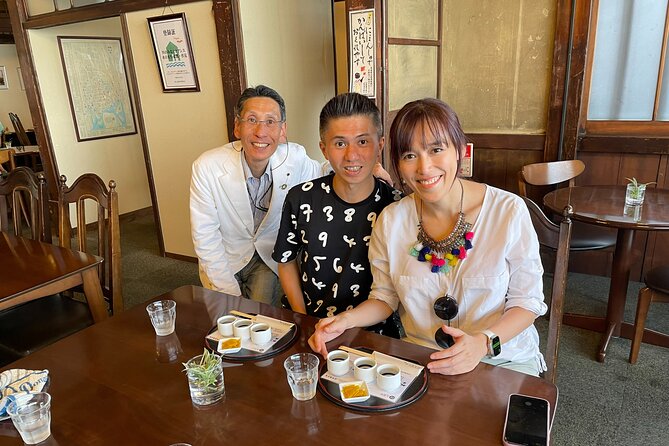
Fushimi is one of those Kyoto areas where the streets, the warehouses, and the water all point to the same thing: sake. This tour uses that geography well. In roughly three hours, you move through a string of locations tied to famous producers and the wider Fushimi sake district, without needing to squeeze your day around long transit waits.
The tour also keeps the group size small, with a maximum of 15 travelers. That matters because tasting tours can turn into a blur if the guide has to shout over everyone. Here, you’re in a setting where you can ask questions and actually catch the differences the guide is pointing out.
You’ll start at Chushojima Station and end at Fushimi Otesuji Shopping Street. That end location is smart because it gives you a natural place to browse for bottles and souvenirs after you’ve learned what to look for.
You can also read our reviews of more tours and experiences in Kyoto.
Price and logistics (and why $109.46 can be fair value)
At $109.46 per person for about three hours, this isn’t a cheap snack-and-stroll. But it’s also not just paying for a guide. Your ticket includes several built-in costs that add up quickly in Japan: admission to the Gekkeikan Sake Brewery Museum, a commemorative sake cup, a tasting set of three at Gekkeikan, a tasting set of three at ABURACYO, plus a Kyoto beer glass, and a sake ice cream snack.
In other words, you’re paying for structure and tastings, not just the walk. You’re also paying for a guide who can explain what you’re tasting so you don’t leave with an empty memory bank. That’s the part that usually costs you money later, when you keep buying bottles without knowing what style you actually prefer.
What costs extra is also clear. The boat ride is optional and the boarding fee is not included (listed as ¥1,500 per person). Eating and drinking expenses at each stop are also not included, so if you want a full meal, plan that separately.
Stop 1: Gekkeikan Okura Sake Museum and the Fushimizu water well
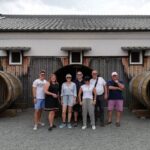
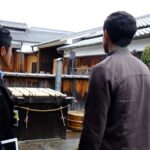
This is the tour’s best “set your brain to sake mode” start. You spend about 45 minutes at the Gekkeikan Okura Sake Museum, and the building is described as a wooden brewery structure that dates back about 200 years. You’re not just looking at displays behind glass; you’re in the kind of courtyard space that makes the process feel tangible.
The standout detail here is the well in the courtyard where you can drink Fushimizu, the water used for sake brewing. Water sounds boring until you taste it and realize sake is built on subtle differences. Even if you don’t become a water nerd by the end, you’ll understand why Fushimi is famous.
This stop also includes the museum admission, so you’re not worrying about finding ticket counters or paying entry fees on the fly. It’s also a good place to pace yourself early, before the tour starts stacking tastings.
Practical tip: take a quick moment here to decide what you want to notice during tastings later: sweetness level, aroma, body, and how the finish changes.
Stop 2: The Jikokubune boat stop and Edo-to-Meiji logistics
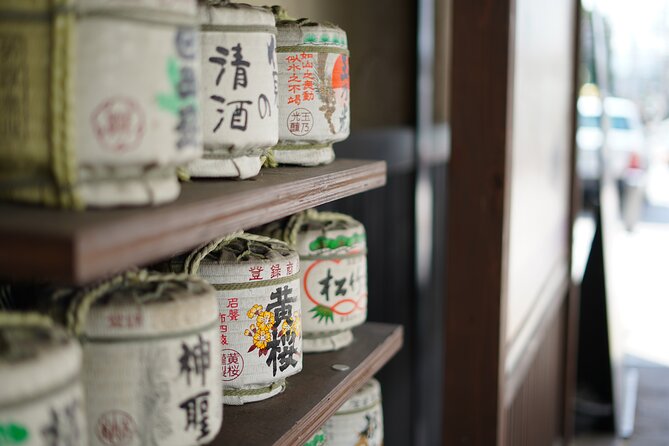
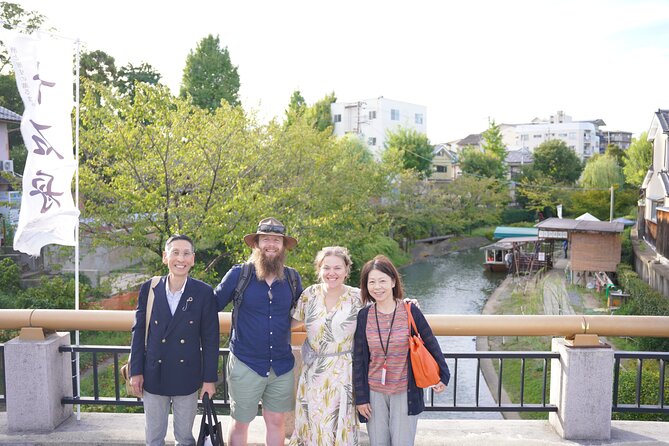
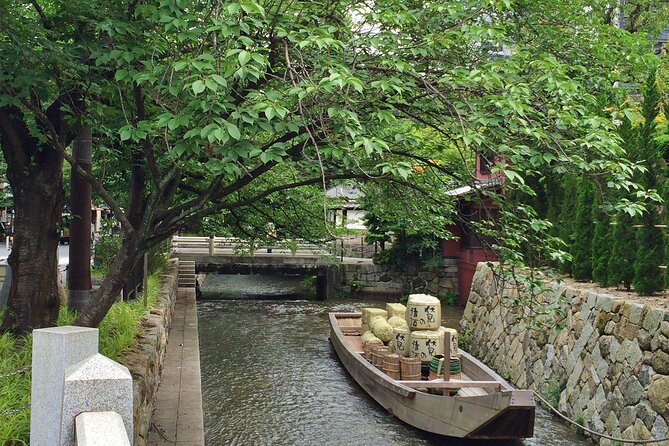
You get a 15-minute stop at the Fushimi Jikkoku-bune boats boarding point. The key idea is how the shipping route worked. From the Edo period to the end of the Meiji period, this boat system helped connect Fushimi and Osaka and acted as a logistics hub.
This is short, so you’re not buying a full river experience. Instead, you get a historical snapshot that connects the sake world to movement and trade. For many people, sake tourism feels like tasting only. This stop nudges you toward the practical side of why Fushimi became important.
The boarding fee for the actual boat ride is not included. If you care about the full experience of being on the water, budget that extra ¥1,500 per person. If you don’t want the extra time or cost, you can still appreciate the historical context from the boarding point.
Consideration: because the tour is weather-dependent and you’ll be outside walking, that 15-minute window can feel longer on a hot day.
Stop 3: Fushimi Yume Hyakushu Café and a building with old Gekkeikan roots
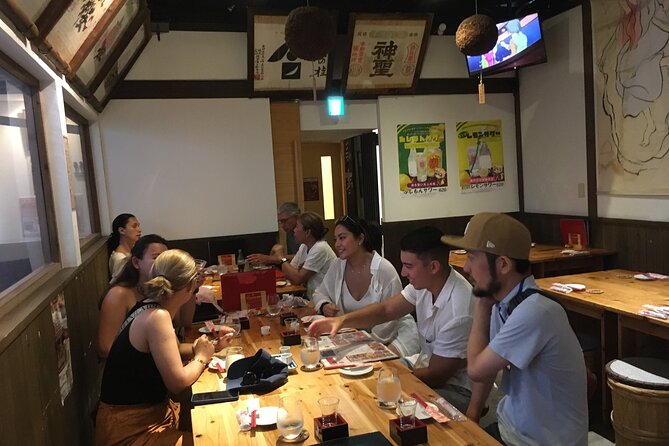
After the museum, you shift into a more relaxed stop with about 20 minutes at Fushimi Yume Hyakushu Café. The tour description notes that the building was repurposed from the former main store of Gekkeikan, built over 100 years ago.
This kind of reuse is common in Fushimi, and that’s the point. It’s not just history preserved as a postcard. It’s history repurposed for shopping, snacks, and everyday visitors. Inside, you can find Kyoto liquors and souvenirs, which is handy once you start learning what styles you like.
You also get a snack included: sake ice cream. It’s not going to replace dinner, but it’s a useful palate-reset in the middle of the tasting arc. Plus, it’s a fun, low-pressure way to take a break without leaving the tour flow.
Practical tip: if you buy anything here, take note of the style name. Later at ABURACYO, you can connect the labels to what you learned from the tastings.
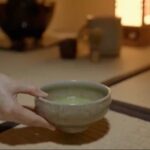
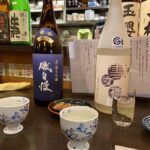
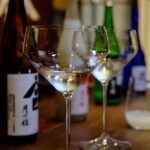
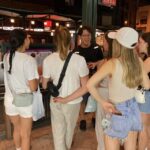
Stop 4: Kappa Gallery and Kizakura’s beer connection
Next is Kappa Gallery, about 30 minutes, tied to Kizakura. Yes, there are kappa characters involved. But the more interesting angle is that Kizakura is noted as the first company in Kyoto to produce local beer, while still being famous in the sake world for its commercials.
So this stop is a shift from “only sake” thinking to “Kyoto drinks culture.” You spend time around the production process area (the tour description mentions Fushimizugura as part of the setting), and you get a tasting element included: one glass of Kyoto beer.
This matters even if you consider yourself a sake person. A beer tasting in the middle of the route gives your brain a reference point. You start noticing how alcohol aromas and flavors move across different fermentation cultures, not just different sake labels.
Practical tip: Sip slowly here. Don’t treat it as a victory lap. Your later tastings at ABURACYO are where you’ll want your senses sharp.
Stop 5: Fushimi Sake Village (Fushimizu SakeKura koji) for koji-focused culture
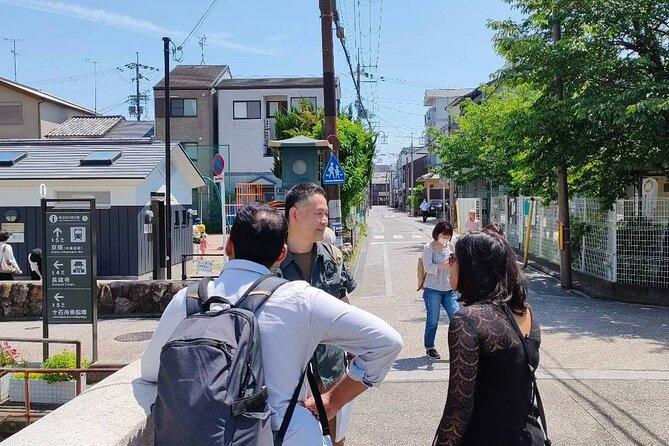
Fushimi Sake Village is a quick 15-minute stop, and admission is free. The theme park portion is called Fushimizu SakeKura koji, and it opened in March 2016.
Koji is a cornerstone of sake making, so this stop is useful if you’ve been tasting but not fully tracking the ingredient story. The tour notes that you can enjoy local Fushimi sake and dishes, with support from 17 breweries belonging to the Fushimi Sake Bre. That gives the stop a wider “ecosystem” feel rather than a single-company story.
Because it’s free, it’s also a nice value move. Even if you’re not doing anything museum-like here, you’re getting an extra layer of understanding and another chance to see how Fushimi brands itself around sake culture.
Consideration: it’s short, so don’t go in expecting a long self-guided experience.
Stop 6: Fushimi Otesuji Shotengai and ABURACYO’s ginjo/daiginjo tastings
The tour finishes with about 30 minutes in Fushimi Otesuji Shotengai, specifically around ABURACYO. This is where the tasting payoff really lands.
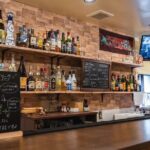
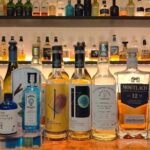
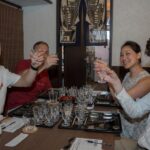
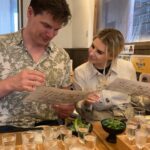
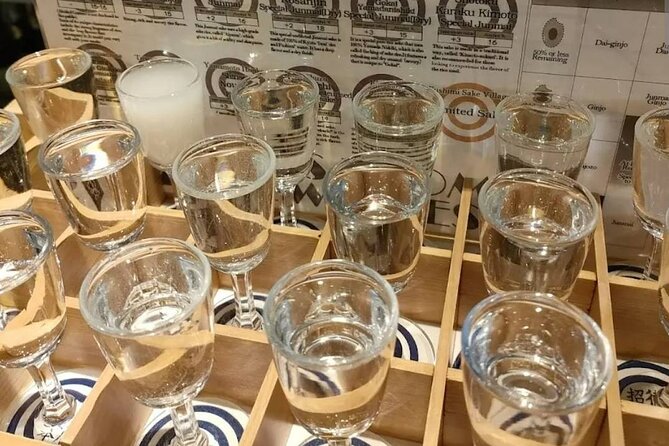
The setting is a shop and bar vibe with access to a wide lineup. The tour notes that you can explore over 100 types of sake, with a focus on ginjo and daiginjo styles from all 18 sake breweries in Fus. You also get a tasting set of three types of Japanese sake included here, which is the most “compare it in your mouth” moment of the route.
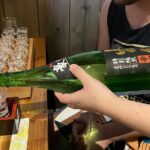
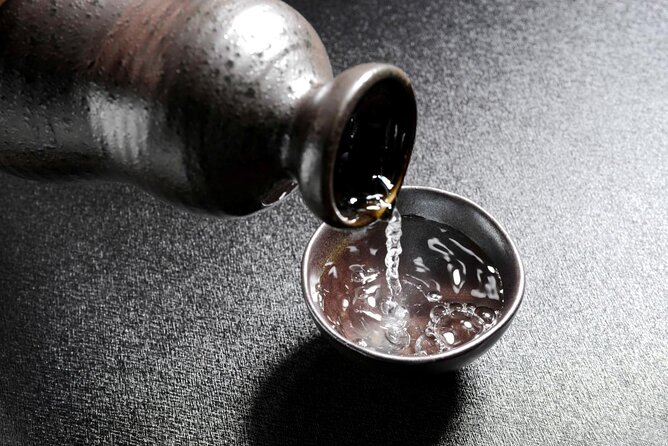
This is also where the guide’s instruction becomes practical. The tour emphasizes that you’ll learn the difference with your tongue, and the tasting set is designed for that. Taste order matters too. If you rush, you lose the nuance.
After the tasting, your tour ends at Fushimi Otesuji Shopping Street. That’s a good landing spot because you can shop while the labels and styles are still fresh in your head.
Practical tip: if you find one style you love, ask the guide what to look for when buying later. Even a small tip can save you from accidentally buying a bottle that tastes totally different than you wanted.
Drinks included: what you’ll actually taste on the route
The included items are more varied than a typical tasting-only tour, and that’s one reason the price can feel fair once you add up value.
From the ticket, you can expect:
- Admission to the Gekkeikan Sake Brewery Museum
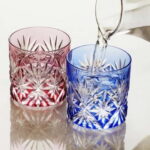
- A commemorative sake cup linked to the Gekkeikan stop
- A Kyoto beer glass from Kizakura
- Sake ice cream as a snack from Café Yume Hyakushu
- Two tasting sets of three types of Japanese sake: one at ABURACYO and one at Gekkeikan
- A tasting plan aimed at helping you compare styles
On top of that, the tour description mentions a set of 17 kinds of drinks as part of the overall experience. The exact math may vary by what you’re poured and how tasting sets are served, but the intent is clear: you’re not just sampling one single “safe” option and calling it a day.
You’ll do best if you drink water between sips. The tour is outdoors in a district you’ll want to walk through, so dehydration will wreck taste recognition faster than alcohol will.
How the guide turns tastings into real learning (Bob, Marin, Nakai examples)
A tasting tour lives or dies on the guide. The strongest feedback pattern from the experiences is that guides connect the fermentation and brewing process to what you taste.
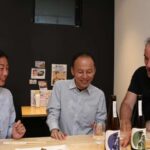
You might get a guide like Bob, described as having expert English, being friendly and helpful with questions, and even having worked in a sake brewery before. That kind of background helps because it reduces the distance between technical terms and what your tongue actually senses.
Other guides mentioned include Marin and Nakai (and Nakai’s wife), with feedback centered on being informative and willing to go out of the way to make the experience work. The common theme is simple: you’ll be able to ask questions and get answers you can use right away.
Practical tip for you: come with one or two questions. For example: Which style is drier and which feels more rounded? How can I tell ginjo from daiginjo without overthinking the label? A quick question early gives you a better tasting experience later.
Walking pace, weather, and when you should rethink your plan
This tour is listed as having good weather requirements. It’s also outdoors for a walking route through Fushimi, with summer heat noted as a serious factor.
If you’re traveling in August, treat this like a hydration-focused activity. The tour’s guidance is direct: stay hydrated, consider shade items like parasols, and take care to prevent heatstroke.
Also note that the tour works as a short, focused block of time. It’s about 3 hours, so it’s not the best fit if you want to linger deeply inside one single brewery area for a long afternoon.
If you hate walking, or you’re trying to schedule around mobility limits, you might prefer an easier add-on or a different format. The tour does say most travelers can participate, and it’s near public transportation, but walking is still the core mechanism.
Who this Fushimi sake walk is for
This is a great fit if you:
- Want a guided route through the Fushimi sake district rather than random browsing
- Like learning by tasting and want to compare styles with structure
- Prefer not to drive after drinking, since you’ll be on foot in a concentrated area
- Want a mix of history and food-and-drink stops (museum, café snack, beer, tastings)
It may not be ideal if you:
- Want a full-day deep dive with long free time in every stop
- Are planning a heavy lunch elsewhere and need long breaks
- Would rather skip the outdoor part and avoid summer heat as much as possible
Should you book this Japanese sake breweries tour in Fushimi?
If your goal is to understand sake in a practical way within a few hours, I’d say this is a strong booking choice. You get multiple included experiences: a historic brewery museum with Fushimizu, structured tasting sets (six pours total across two locations), plus beer and sake ice cream to keep things fun and break up the alcohol.
Book it if you want your trip to feel purposeful. The walking route ends in Otesuji Shotengai, so you’re positioned to shop with confidence instead of guessing.
Skip or reconsider if you’re traveling in intense heat and don’t plan to protect yourself, or if you hate walking and don’t want to spend time outside. And if you’re tempted by the boat ride, remember the boarding fee is extra.
FAQ
How long is the Japanese Sake Breweries Tour in Fushimi Kyoto?
It runs for approximately 3 hours.
What is the price per person?
The listed price is $109.46 per person.
What tastings and food are included?
You get admission to the Gekkeikan Sake Brewery Museum, one glass of Kyoto beer (Kizakura Brewery), a commemorative sake cup (Gekkeikan), snacks sake ice cream (at Café Yume Hyakushu), and tasting sets of three types of Japanese sake at both ABURACYO and the Gekkeikan Sake Brewery Museum.
Is the Jukkokubune boat ride included?
No. The boarding fee for Fushimi Jukkokubune is not included, and it is listed as ¥1,500 per person.
Where do you meet and where does the tour end?
Start: Chushojima Station (Yoshijima Yaguracho, Fushimi Ward, Kyoto). End: Fushimi Otesuji Shopping Street 5 Chome-10 Hokicho, Fushimi Ward, Kyoto.
What time does the tour start?
The start time is 1:00 pm.
How big is the group?
The tour has a maximum of 15 travelers.
What should I do in hot weather?
Japan’s summer can be very hot, especially in August, and the tour involves outdoor walking. The guidance is to prevent heatstroke by staying hydrated and using shade items like parasols.
Is free cancellation available?
Yes. You can cancel up to 24 hours in advance for a full refund. If you cancel less than 24 hours before the start time, it won’t be refunded.
If you tell me what month you’re going and whether you’re interested in the boat ride, I can help you plan the best way to pace your day around this.