REVIEW · OSAKA
Osaka Cooking Class and Sake Tasting with Local Supermarket Visit
Book on Viator →Operated by MagicalTrip Inc. · Bookable on Viator
Sake and cooking lessons, packed into one run. This small-group Osaka class pairs a local supermarket stop with a hands-on studio session, then tops it off with a drink while you eat what you made.
I especially like the idea of learning by shopping first, because you see what goes into Osaka cooking before you touch a knife. The other big win for me is the guided practice: you’ll fold gyoza and build okonomiyaki with step-by-step support, not vague instructions.
One thing to consider: it’s about 4 hours total, so it moves at a steady pace. If you want extra free time to linger at the market or cook slowly, this format may feel a bit tight.
In This Review
- Quick Highlights You’ll Feel Immediately
- The Smart Mix: Supermarket Shopping + Cooking + Sake
- Where You Meet and Why Timing Matters
- Stop 1: The Supermarket Visit That Teaches You How Osaka Shops
- The Cooking Studio Session: Osaka Classics, Step by Step
- Niku-sui: Beef Soup That’s Comfort Food Logic
- Okonomiyaki: A Savory Pancake Built by Technique
- Gyoza: Folding Dumplings Without Fear
- How the Sake Tasting Works With Your Meal
- What You’ll Be Able to Reuse at Home
- Price and Value: Is $92.50 a Fair Deal?
- Who Should Book This Osaka Class
- Practical Tips Before You Go
- Should You Book It?
- FAQ
- What’s included in the Osaka Cooking Class and Sake Tasting?
- How long does the experience last?
- Where does the tour start?
- Does it end at the same place?
- Is this class for beginners?
- How big is the group?
- What dishes will we make?
- Do we get to drink alcohol?
- What’s the price per person?
- Can I cancel for free?
Quick Highlights You’ll Feel Immediately
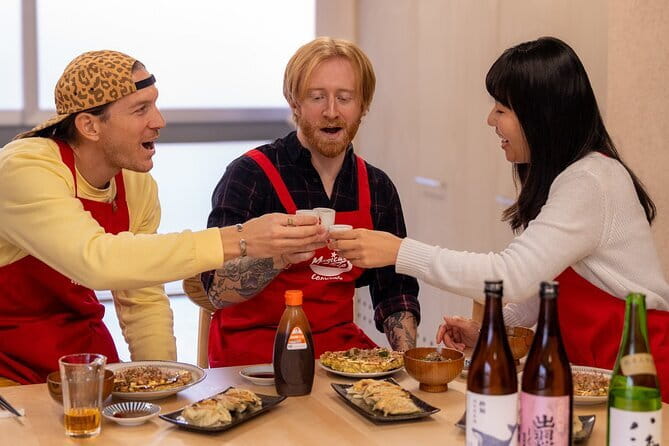
- Market shopping for the exact recipes you’ll cook at the studio
- Small group size (up to 7) for more real-time help while you cook
- Hands-on Osaka classics like niku-sui, okonomiyaki, and gyoza
- Sake tasting with your meal (plus beer or soft drinks)
- Beginner-friendly instruction for all skill levels
The Smart Mix: Supermarket Shopping + Cooking + Sake
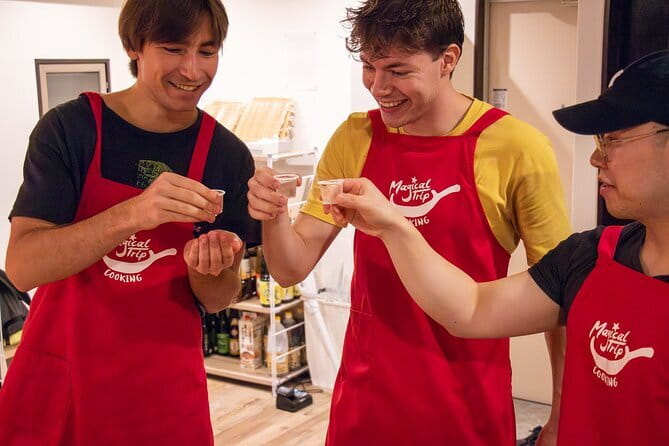
Osaka is a food-first city, and this experience leans into that. You start with a trip to a local supermarket, where your guide helps you choose the ingredients you’ll use right after. Then you shift to the studio for a hands-on cooking session focused on iconic dishes.
The best part is how the pieces fit together. Shopping is not treated like a sightseeing detour; it’s part of the lesson. Cooking is not treated like a performance; you’re actively making food, with live guidance so you can correct mistakes on the spot.
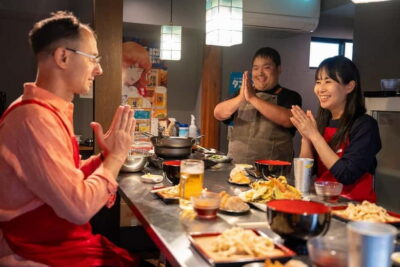
Finally, the sake tasting turns the meal into a finish line. You eat what you cooked, then pair it with local sake (or beer or soft drinks). It’s a practical way to connect flavor, ingredients, and local drinking culture without making it feel formal.
You can also read our reviews of more tours and experiences in Osaka.
Where You Meet and Why Timing Matters
You meet at FamilyMart Minamimorimachi Station, south side, in Osaka (Kita Ward, Tenjinbashi area). The start time is 10:00 am, and the activity ends back at the same meeting point.
This kind of start matters more than people think. If you show up late, you’ll miss the supermarket portion, which is a core part of the value here. Osaka has lots of train exits and side streets, so give yourself a few extra minutes to confirm you’re at the right FamilyMart entrance.
Also note the format: it’s a small group, capped at 7 people. That limit is good news, because it usually means you’re not stuck waiting while your cooking station gets one-on-one attention.
Stop 1: The Supermarket Visit That Teaches You How Osaka Shops
The supermarket stop is where the experience becomes more than just a cooking class. You get to learn what to look for and why certain ingredients matter for the dishes you’ll make.
You’ll be selecting items that match the recipes on your menu, including niku-sui (beef soup), okonomiyaki (savory pancake), and gyoza (dumplings). That means the shopping is focused and useful, not random wandering.
I like that your guide explains what to buy for each recipe. In practical terms, that turns into better results later. If you’ve ever made Japanese dishes from a recipe with no idea what the ingredient should look like, you’ll know the frustration. This stop helps you build those instincts early.
A bonus from guides named in past sessions, like Yuka and Mari, is the way they break down choices clearly. They’re not just pointing at items; they’re showing how to match ingredients to the dish you’re aiming for.
The Cooking Studio Session: Osaka Classics, Step by Step
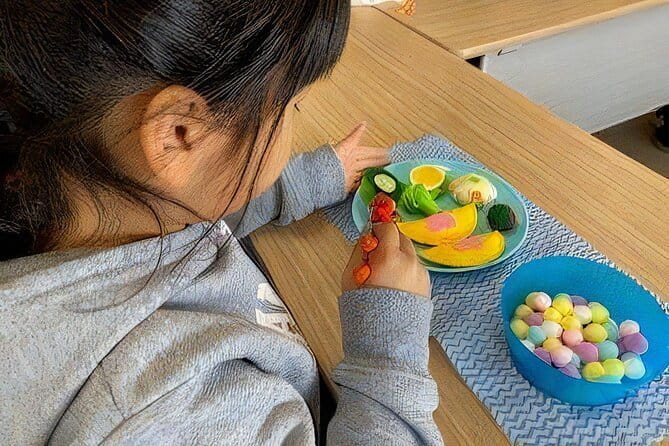
Back at the studio, you switch from buying to doing. This is where the class pays off most for beginners, because the instructions are broken down so you can actually produce the dishes instead of guessing.
The menu is straightforward, but each dish teaches a different technique:
Niku-sui: Beef Soup That’s Comfort Food Logic
Niku-sui is a beef soup concept that’s meant to feel easy and satisfying. Cooking soup-style dishes also builds confidence, because you can adjust as you go. You’ll learn the basic workflow for getting a flavorful soup without it turning into complicated, multi-step chaos.

Okonomiyaki: A Savory Pancake Built by Technique
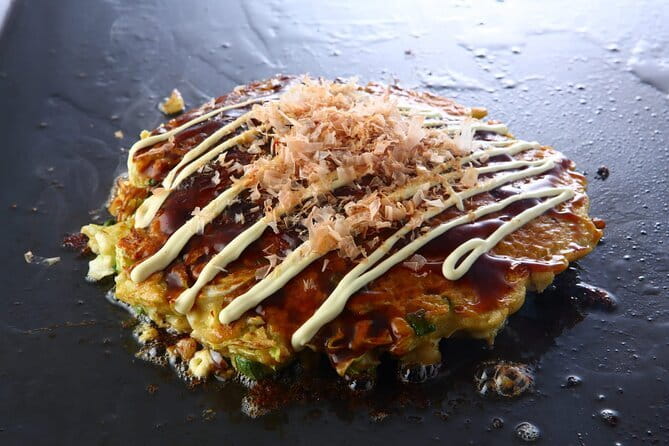
Okonomiyaki is the “feel it in your hands” dish. You’ll be working with a batter-and-cook process that teaches you timing and control. It’s also a great dish for group classes because everyone can participate, and you get instant feedback from the pan work.
The real value here is the coaching style. When your guide watches your process, small fixes can happen quickly. You’re not left alone hoping it turns out.
Gyoza: Folding Dumplings Without Fear
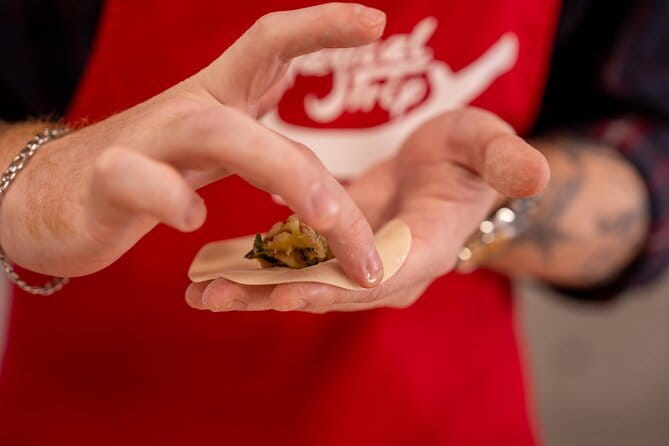
Gyoza folding is the skill most people worry about. The good news is that you’ll practice it with guidance, so you’re not stuck trying to replicate a shape from a photo.
This part is hands-on in the best way. You learn the motion and the logic, then you see how it affects the final dumpling. If you leave thinking you can make gyoza again later, that’s because this is exactly the skill you practice here.
In short: the studio portion is designed to get you to a finished plate, not just through cooking motions. You’re learning technique with a visible outcome.
How the Sake Tasting Works With Your Meal
After you cook, you eat. And unlike a lot of classes where food is an afterthought, here your meal is part of the experience finish.
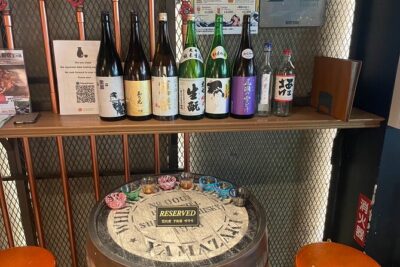
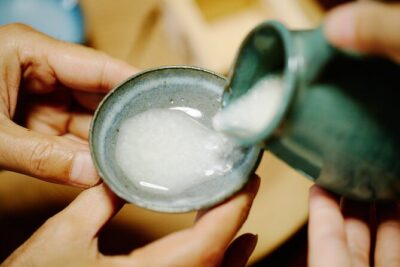
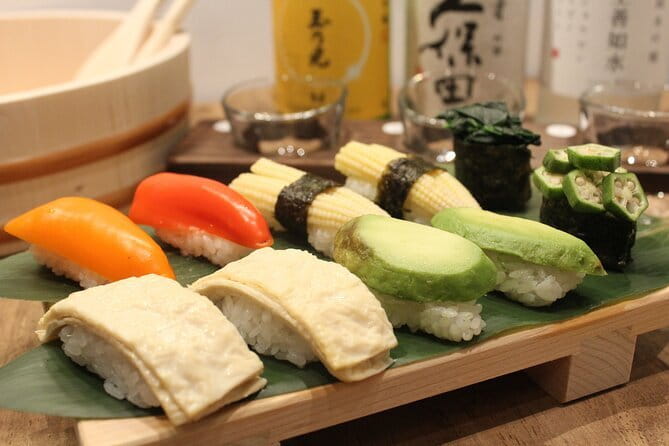
You’ll enjoy your dishes with local sake, or you can have beer or soft drinks. That choice is important if you’re not sure about sake. It also makes the experience easier for mixed groups in terms of comfort and preferences.
Even if you don’t become a sake expert, you still get value. Sake tasting in this context is about matching flavors and learning what local pairing can feel like. You’re eating the food right after you cook it, so the connection between ingredients and drink is immediate.
What You’ll Be Able to Reuse at Home
What I’d want you to take home is not just the memory of eating okonomiyaki in Osaka. It’s the repeatable skills.
Here’s what tends to stick from this kind of format:
- Ingredient decisions: you learn what to look for when picking supplies for these dishes.
- Technique confidence: you fold gyoza instead of treating it as mystery food.
- Process control: you understand how a cooking step changes the outcome.
Most importantly, you leave with recipes you can follow again, even if you’re starting from scratch. The class is designed for all skill levels, which means you don’t need to be a kitchen hero to get results.
If you’ve tried to recreate Japanese dishes at home but felt the steps were too abstract, this class helps translate technique into plain actions.
Price and Value: Is $92.50 a Fair Deal?
$92.50 per person for about 4 hours in a small group can sound steep until you look at what’s included in the format.
You’re getting:
- a local supermarket ingredient selection portion (not just a studio class)
- hands-on instruction for multiple dishes (not a single recipe demo)
- cooking time plus the meal you make
- drinks at the end, including local sake (and beer or soft drinks as options)
That combination is the key to the value. A lot of cooking experiences are either market-only shopping with light instruction, or they’re cooking-only with limited feedback. This one connects both sides, so you pay for a full loop: choose ingredients, cook them correctly, then eat them with local drinks.
Also, the group limit of up to 7 matters for value. If you’ve ever taken a class where you wait for help, you know why that’s expensive in a different way. Here, smaller group size increases the chances you’ll get the adjustments you need.
Who Should Book This Osaka Class
This is a great fit if:
- you want Osaka food culture through action, not just tasting
- you like learning by doing (and want live feedback)
- you’re traveling with someone who enjoys food but doesn’t want a complicated, full-day schedule
- you’re a beginner who wants structure and reassurance
It may be less ideal if you:
- want a long, slow market wander with lots of free time
- don’t want any drinking element at all (even though soft drinks are an option)
- prefer deeper cooking theory over finishing multiple dishes
Practical Tips Before You Go
A few things will help you get the most out of the day:
- Arrive a little early so you don’t stress about finding the meeting point near the FamilyMart entrance.
- Wear shoes you can stand in during the cooking and shopping portions.
- If you’re nervous about cooking, good. This class is built for beginners. Your goal is to follow the steps and learn the motions.
- Decide in advance what you’d like to drink at the end. Since sake is part of it and there are alternatives, you can make it comfortable for you.
Finally, bring your appetite. This class ends with you eating what you made, so you’ll want to be ready for that last step.
Should You Book It?
I’d book this if you want a practical Osaka food experience that teaches you more than one dish, with ingredient guidance and a meal finish. The market stop is the difference-maker, because it turns shopping knowledge into cooking results.
Skip it if you hate a timed schedule. The class is about 4 hours, and the format is designed to keep things moving so everyone cooks, eats, and tastes together.
If your priority is learning real hands-on technique for dishes like niku-sui, okonomiyaki, and gyoza, plus trying local sake with your meal, this is a strong choice.
FAQ
What’s included in the Osaka Cooking Class and Sake Tasting?
You get a hands-on cooking class, a supermarket visit to choose ingredients, and a sake tasting at the end. You’ll cook dishes like niku-sui, okonomiyaki, and gyoza, then enjoy your food with local sake, beer, or soft drinks.
How long does the experience last?
It’s about 4 hours.
Where does the tour start?
It starts at FamilyMart Minamimorimachi station south side in Osaka (530-0041, Kita Ward, Tenjinbashi 2-chōme 310 1F).
Does it end at the same place?
Yes, it ends back at the meeting point.
Is this class for beginners?
Yes. No cooking experience is needed, and it’s suitable for all skill levels.
How big is the group?
The group size is capped at 7 people.
What dishes will we make?
You’ll make niku-sui (beef soup), okonomiyaki (savory pancake), and gyoza (dumplings).
Do we get to drink alcohol?
You can enjoy local sake, but there are also options like beer or soft drinks.
What’s the price per person?
The price is $92.50 per person.
Can I cancel for free?
Yes, you can cancel for a full refund up to 24 hours before the experience start time. If you cancel less than 24 hours in advance, the amount paid is not refunded.