REVIEW · OSAKA
Osaka Home Feast Cooking and Sake Experience
Book on Viator →Operated by MagicalTrip Inc. · Bookable on Viator
Three hours, a supermarket, and real Osaka comfort food. What makes Osaka Home Feast Cooking and Sake Experience different is the setup: you start with a local grocery run and then cook a mini izakaya feast with sake pairings. The small-group format also keeps it personal, and an English-speaking local guide helps you make sense of ingredients as you go.
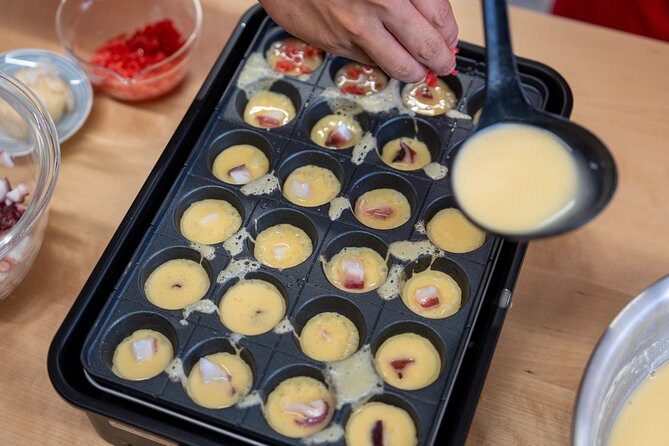
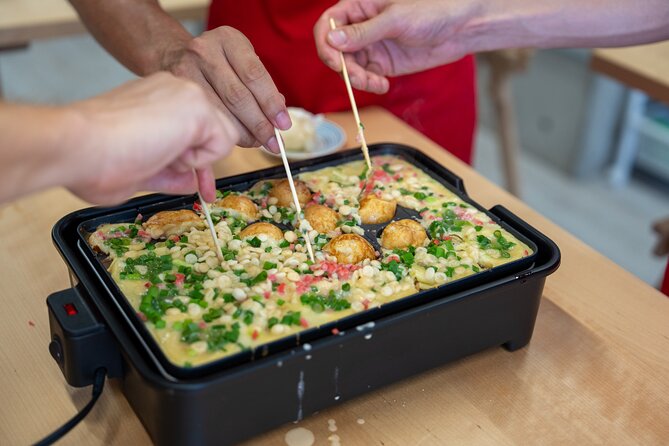
I love the way this experience teaches by doing. You don’t just watch takoyaki being made; you’re in the kitchen, shaping crispy takoyaki and learning the basics behind Osaka-style fillings and flavors. Another big win is the friend-like food-and-drink rhythm, where you taste as you cook, including bites like Wasabi tuna salad and Mugen cabbage.
One consideration: with an approximate 3-hour time window, it’s focused. You’ll leave with the feeling you nailed the highlights, but there isn’t time for a giant multi-course education.
In This Review
- Key things to know before you go
- From FamilyMart meeting point to a real Osaka grocery run
- Grocery browsing that actually changes what you cook
- Cooking izakaya-style with MagicalTrip apron energy
- The dishes: what you’ll make and why they work together
- Taku-nomi dining: eating what you cooked, with sake pairing
- Timing, group size, and what the 3 hours feels like
- Taking the feast home: downloadable recipes you can use
- Price and value: is $91.04 a good deal?
- Should you book this Osaka home cooking and sake experience?
- FAQ
- What time does the experience start?
- How long is the cooking and sake experience?
- Where do I meet the guide?
- What will I cook during the class?
- Do we try sake, or are there other drink options?
- Is the group size limited?
- Is there anything to take home?
Key things to know before you go
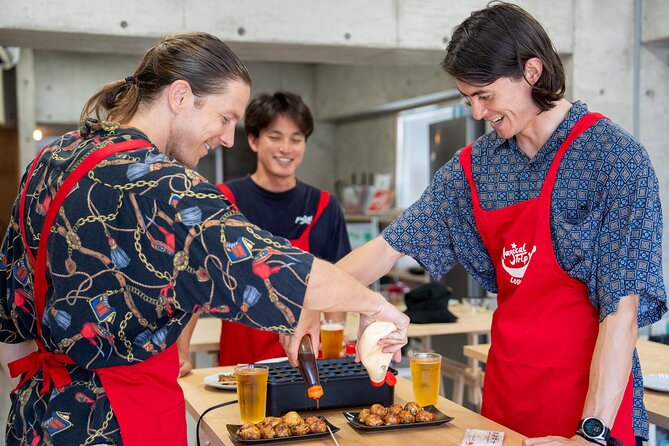
- Supermarket start in Osaka: you shop for ingredients and brainstorm takoyaki filling ideas before cooking.
- Small group feel (max 7): better questions, easier back-and-forth with your English-speaking guide.
- Sake-focused home-feast vibe: you’ll sip handpicked sake (plus beer or soft drinks) while you cook.
- Hands-on takoyaki practice: crispy outside, juicy inside is the goal, with Osaka-style filling choices.
- A take-home recipe pack: you can recreate the flavors later with a downloadable set of recipes.
- Past guides have brought context: guides like Chie and Nina have shared extra Japan background and kept the mood light.
From FamilyMart meeting point to a real Osaka grocery run
Your evening begins at FamilyMart Minamimorimachi station South side (Kita Ward, Tenjinbashi), with a 4:30 pm start. This is a good way to begin if you like travel that starts on the street, not behind a classroom door.
The first big moment is the stroll to a nearby Japanese supermarket. This is where you get an Osaka home-cooking mindset: you’re not selecting ingredients from a wish list, you’re seeing what’s available, spotting odd-looking items, and figuring out what they could become. It also helps you understand why local cooking feels so flexible. Your choices for takoyaki fillings get built from what you actually see in the aisles.
In at least some sessions, guides have also made the shopping side feel distinctly Japanese in the everyday way. One guest noted how you carry your own purchases, which is a small thing, but it can change your comfort level fast. If you show up with the ability to carry what you buy, you’ll glide through this part.
You can also read our reviews of more tours and experiences in Osaka.
Grocery browsing that actually changes what you cook
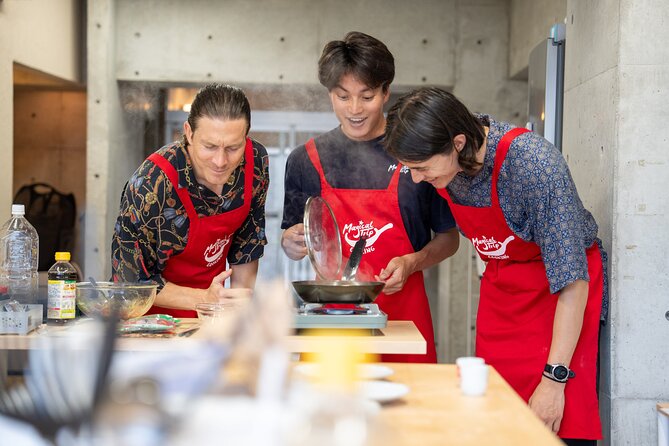
The grocery step isn’t filler. It’s the planning stage for your actual meal.
You’ll discover ingredients and brainstorm fun takoyaki fillings that fit Osaka-style tastes. That matters because takoyaki isn’t just a snack you assemble at the end. It’s a system: you pick a filling, you cook the batter so it crisps properly, and you balance salty, savory, and umami so each bite feels complete.
This is also a practical travel skill you’ll take home. After you’ve selected ingredients once with your guide, you’ll better recognize them later in a market. Even if you don’t cook takoyaki often, you’ll learn what to look for when a recipe calls for something that sounds mysterious.
And because this is a home-feast format, your guide isn’t just translating. They’re helping you connect ingredients to taste, including what will work well in pan-cooked, bite-sized food.
Cooking izakaya-style with MagicalTrip apron energy
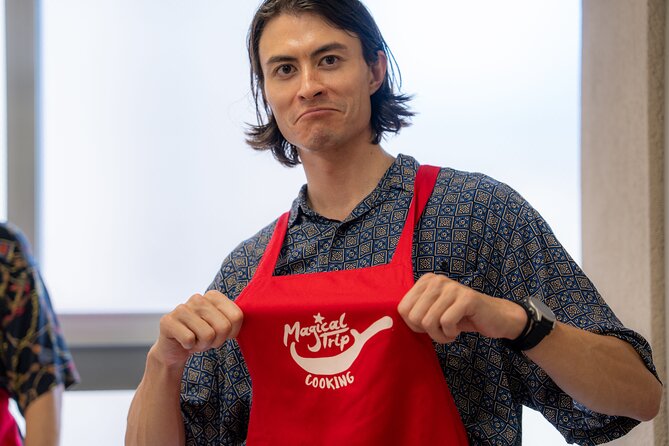
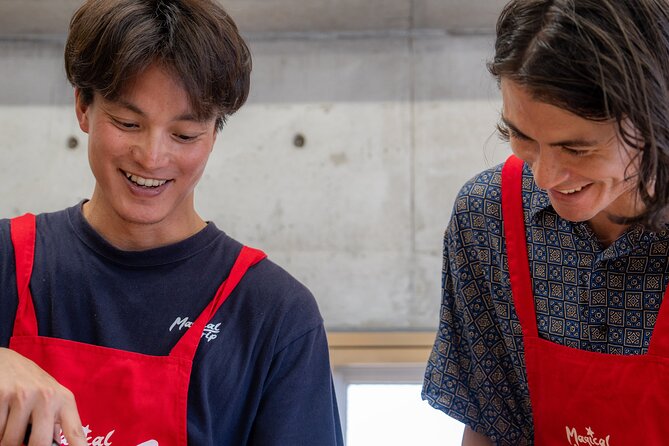
After the supermarket, you head to a cozy cooking studio and slip into a MagicalTrip apron. This transition is part of the charm: you go from everyday store aisles to a small kitchen where the evening’s plan feels simple and doable.
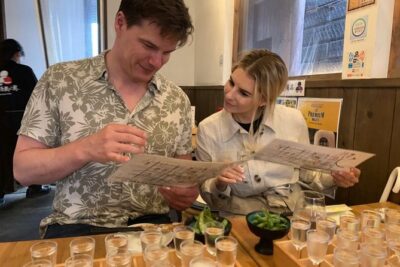
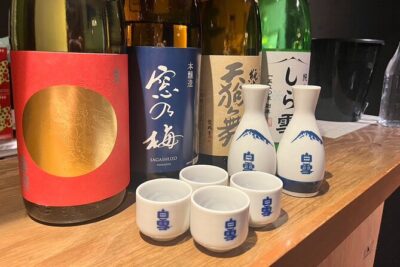
You’ll learn to cook izakaya-style dishes while sipping handpicked sake. Your drink options also include beer or soft drinks, which is useful if you want to keep the pacing relaxed. The key is that your drinks are paired to the meal you’re making, not just handed to you as a separate activity.
In some past sessions, the guide made the experience more than just cooking by adding Japan context and answering questions. Chie, for example, has been praised for both delicious cooking and a Japan history lesson with lots of questions answered. Nina has also been noted for turning even a solo-guest scenario into a fun, personal class. You can’t count on one specific guide on any given date, but it’s a strong sign that the guides treat the class like a conversation, not a script.
The dishes: what you’ll make and why they work together
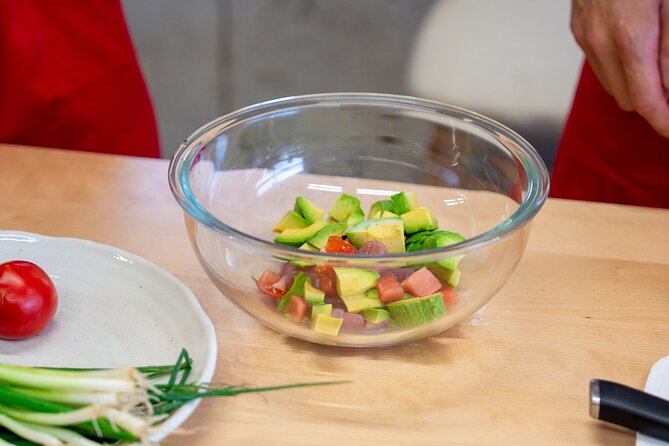
You’ll cook a set of dishes that balance freshness, heat, and that Osaka comfort-food crunch. The menu described for this experience includes:
- Mugen cabbage (tasted as an early bite while you cook)
- Wasabi tuna salad
- Crispy takoyaki (Osaka-style)
- Chicken with green onion, mayo, and ponzu
Each item supports the others. The salad and cabbage give you lighter, tangy contrast. The takoyaki brings the snack-satisfying texture and a chance to practice the technique that makes it memorable. The chicken with mayo and ponzu adds a sharp, savory-sweet edge that pairs naturally with drinks, especially sake.
What I like about this lineup is that it doesn’t feel random. It reads like a real izakaya order: a couple of shareable, quick bites; then the main fun project; then something comforting and sauce-driven. You’ll finish the meal with flavors that feel cohesive rather than scattered across different cooking styles.
Taku-nomi dining: eating what you cooked, with sake pairing
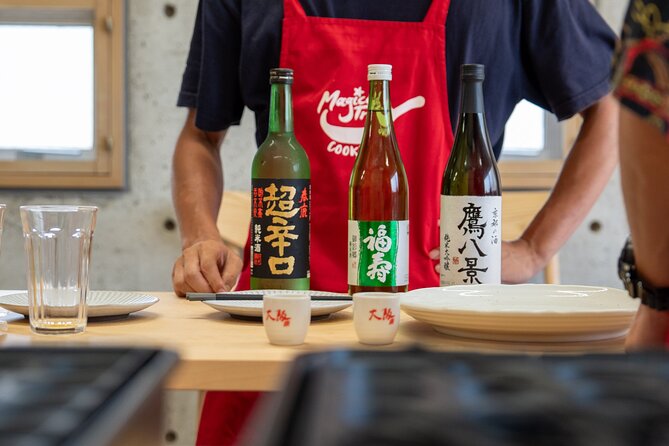
Once your hands are doughy and your kitchen skills are warmed up, you get to eat the full spread. The vibe is relaxed and social, described as a friend-like atmosphere with a taku-nomi feel, which is basically home-style drinking energy.
This matters because pairing only works when you’re still engaged with the food. If your class is too formal, pairing turns into a lecture. Here, the drinks and tastes are part of the cooking rhythm, so each sip makes sense with what’s on your plate.
Your guide will pair your food with handpicked sake (and you may have beer or soft drinks too). Practically, this is a nice way to try sake without needing to be an expert. Even if you only know a few things about sake going in, you’ll leave with a clearer sense of how taste changes across a meal: how something bright can cut through mayo, or how savory notes can match sauce.
One more reason this works for most people: it’s not an intense drinking event. You’re cooking and tasting throughout, so the pace stays food-centered.



Timing, group size, and what the 3 hours feels like
The class runs for about 3 hours, starting at 4:30 pm and ending back at the meeting point. That schedule is ideal if you want an evening activity that feels like dinner, not dinner plus a long detour.
With a maximum of 7 travelers, you’re unlikely to get lost in the crowd. Smaller groups help when you want to ask a quick question about ingredient swaps, technique, or why something tastes a certain way. It also makes the kitchen experience smoother, especially for hands-on steps like takoyaki shaping and crisping.
In a best-case scenario, the class feels efficient and lively. In a small-group scenario, you may even get that extra attention that solo guests have reported with guides like Nina. If you value personal interaction and don’t want a huge group lecture, this format is a strong match.
Taking the feast home: downloadable recipes you can use
The best practical souvenir here is the downloadable recipe pack. That’s the difference between a cool night out and a skill you can repeat.
Because the class includes both supermarket ingredient thinking and hands-on cooking, the recipes you take home are more likely to make sense in your own kitchen. You’ll be working backward from something you actually made, which makes the steps easier to follow later.
If you like hosting, this is a very workable plan. You’ll have a mini menu concept: a couple of lighter bites, a centerpiece dish like takoyaki, and a sauce-forward chicken option that fits the same flavor family.
Price and value: is $91.04 a good deal?
At $91.04 per person for an approximate 3-hour experience, you’re paying for three things: instruction, ingredients/meal, and a guided sake pairing component.
For value, the big question is whether you’ll use what you learn. If you like cooking, especially hands-on Japanese comfort food, this is the type of class where you can recreate the meal later thanks to the recipe pack. If you’re only hoping for a passive dinner, you may find the hands-on structure takes more energy than you expected.
The small group cap (max 7) is also part of why the price can feel reasonable. More personal attention typically means better learning, especially when technique matters.
If you want a structured, practical way to experience Osaka beyond sightseeing, this class is a strong fit. It’s not just about food tasting; it’s about learning a local-style meal plan and taking it home.
Should you book this Osaka home cooking and sake experience?
Book it if you want an Osaka evening that mixes market-to-kitchen realism with real technique practice. You’ll enjoy it most if you like eating what you cook, trying sake with food, and taking home recipes you can actually repeat.
Skip it only if you’re looking for a long, slow deep-dive meal or a big multi-course experience with lots of downtime. This is focused and hands-on, and that’s exactly why it works for the right type of traveler.
FAQ
What time does the experience start?
It starts at 4:30 pm.
How long is the cooking and sake experience?
It’s about 3 hours.
Where do I meet the guide?
You meet at FamilyMart Minamimorimachi station South side, Osaka (Kita Ward, Tenjinbashi).
What will I cook during the class?
The experience includes dishes such as Mugen cabbage, Wasabi tuna salad, crispy takoyaki, and chicken with green onion, mayo, and ponzu.
Do we try sake, or are there other drink options?
You’ll sip handpicked sake, and beer or soft drinks are also available.
Is the group size limited?
Yes. The experience has a maximum of 7 travelers.
Is there anything to take home?
Yes. You’ll receive a downloadable recipe pack so you can recreate the dishes later.