REVIEW · NARA
Nara: Sake Tasting Tour at the Birthplace of Japanese Sake
Book on GetYourGuide →Operated by DeepExperience, Inc. · Bookable on GetYourGuide
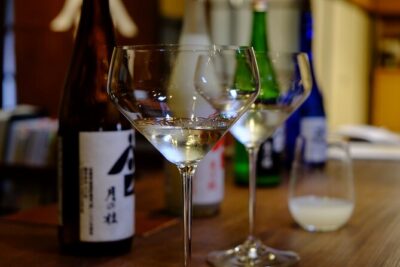
Nara can feel quiet, then suddenly full of flavor. This sake tasting tour takes you through Nara’s sake districts and into working breweries where you sample directly from the brewers themselves. You’ll also get to hear Nara’s sake story in plain language from real guide characters like Hiro Takeuchi, Takashi, and Yayoi—people who know how to make the topic easy to follow, even if you’re a first-timer.
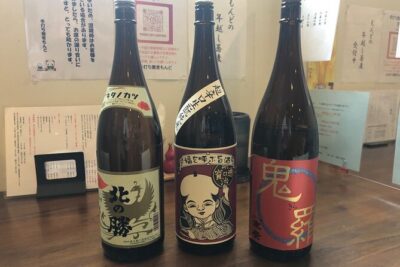
I especially like the way the tastings cover a real range, from crisp and dry to richer and more mellow. I also like the focus on the tōji (master brewer)—their approaches, what they value in ingredients, and the brewing ideas handed down over generations.
One thing to plan for: the tour is a guided walk through sake neighborhoods. If you’re sensitive to steps or long stretches on foot, wear comfortable shoes and pace yourself, because the walking is part of the experience.
In This Review
- Key things you’ll notice on this Nara sake tour
- Why Nara is such a smart place for sake tastings
- The 3-hour format and what it means for your schedule
- Meeting at Ukimi-do Pavilion and finishing at Kintetsu Nara Station
- Your walking route through sake districts (and why it matters)
- Stop by stop: what each tasting moment is really teaching you
- 1) The opening lesson before the first pours
- 2) First tasting: the contrast start (crisp to dry)
- 3) Second tasting: learning the tōji approach in real time
- 4) Third tasting: moving toward rich and mellow
- 5) Final stop: a sake shop for wrap-up and browsing
- The biggest value: learning sake like a local, not like a tourist
- Price and value: is $119 fair for 3 hours?
- Who should book this tour (and who might want a different style)
- Quick practical tips before you go
- Should you book this Nara sake tasting tour?
- FAQ
- Where is the meeting point for the tour?
- How long is the Nara sake tasting tour?
- How many tasting stops are included?
- What languages are the live guides?
- Is this tour a private group?
- What are the key sake styles you’ll taste?
Key things you’ll notice on this Nara sake tour
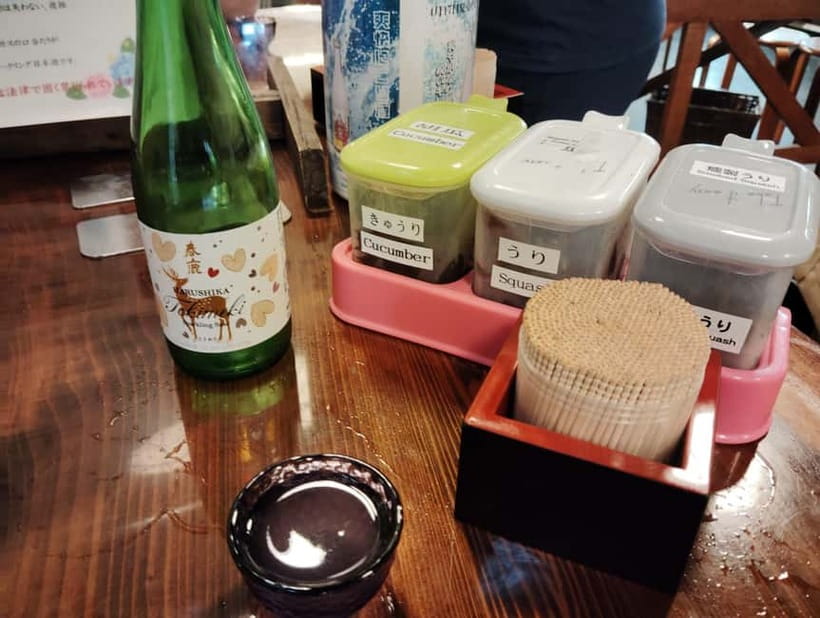
- Three working breweries + one sake shop: You’ll taste from the source and then round it out with a curated stop.
- Tōji philosophy gets explained: You’re not just handed glasses—you’re learning how and why each brewer makes different styles.
- A practical walking route through sake districts: You’ll see the neighborhoods as they feel day to day, not just from a bus window.
- A tasting lineup with clear contrasts: Expect styles that move from crisp and dry to rich and mellow.
- Guides who tailor the vibe: In private groups, the attention often feels more personal and flexible.
- Sake’s deep ties to Nara: You’ll connect the drink to climate, cuisine, and Japanese spirituality, not just technique.
Why Nara is such a smart place for sake tastings
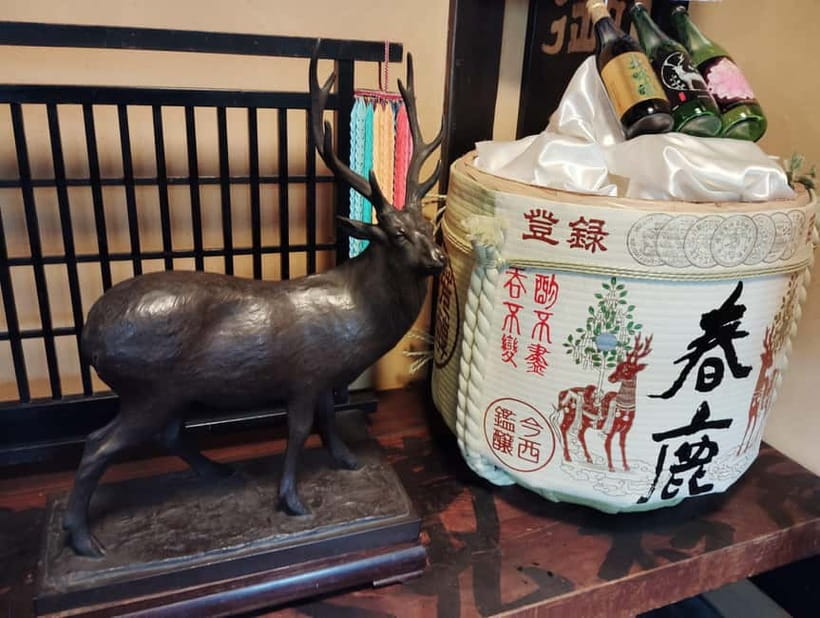
If you’re chasing the idea of Japanese sake at its roots, Nara makes a lot of sense. This tour is built around Nara’s identity as an ancient capital and a spiritual center, and it frames sake as something that didn’t start as a commercial product. Instead, it grew in Buddhist temple life more than a thousand years ago, with brewing linked to ritual and community.
What you get from that context is more than trivia. When you understand how sake grew up around temples and local seasons, it changes how you taste. You’re more likely to notice how texture, dryness, and aroma connect to food and weather rather than treating sake like just another drink flight.
You can also read our reviews of more tours and experiences in Nara.

The 3-hour format and what it means for your schedule
You’re spending about 3 hours total. That’s long enough to actually walk between multiple tasting stops, but not so long that you feel trapped in a full-day commitment.
Because it’s a private group, the pace can feel more controlled than big-group tours. That matters in tasting experiences. You want time to taste, ask questions, and reset between stops—especially when the guide is explaining how each tōji thinks about brewing. If you’re traveling with family or a small group, this format is often the sweet spot.
Meeting at Ukimi-do Pavilion and finishing at Kintetsu Nara Station
The tour starts at Ukimi-do Pavilion (浮見堂), where your guide will be waiting with a yellow sign panel. The final stop is Kintetsu Nara Station (近鉄奈良駅), so you’ll end the experience in a transit-friendly area.
That end point is practical. Nara is compact, but it’s still easier to plan your next move when you finish near a major station. You won’t have to reverse your route just to catch trains.
Your walking route through sake districts (and why it matters)
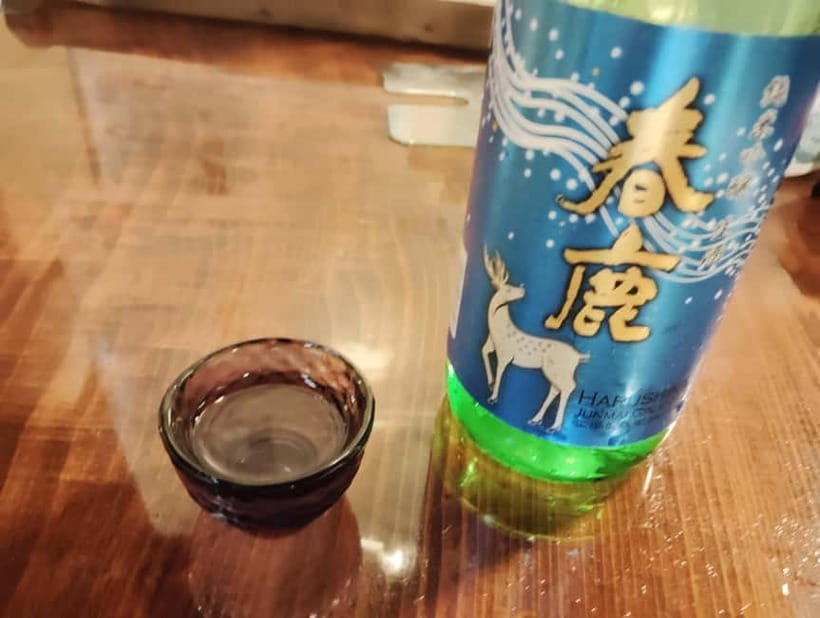
Walking is not filler here. The tour uses Nara’s sake districts as part of the lesson. As you move through quieter neighborhood streets, you get a sense of where brewing fits into everyday life—shopfronts, signage, and the calm rhythm of local areas.
Expect stretches where you’re walking while the guide narrates history, ingredients, and brewing approaches. The itinerary pacing suggests a pattern of guided visits and tasting moments broken up by walking segments of roughly 40 minutes at a time. That’s a lot of time to stay engaged without feeling rushed, but it also means comfortable shoes are not optional.
If you have mobility concerns, still go—but plan smart. One guide (Hiro Takeuchi) is reported as being accommodating for a father in a wheelchair, which is a good sign that at least some personal needs can be handled thoughtfully. The tour is still a walk, so confirm what route pacing will look like for your group if you need it.
Stop by stop: what each tasting moment is really teaching you
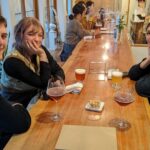
1) The opening lesson before the first pours
You begin at Ukimi-do Pavilion with the tour guide setting the tone. The big idea is that you’re not just tasting sake—you’re learning how sake connects to Nara’s past and present.
Early on, you’ll hear the story of sake’s relationship to temples and how that origin helped shape Japanese attitudes toward brewing. This matters because it primes your brain to taste with questions like:
- Does this seem designed for crisp refreshment or deeper warmth?
- How does dryness change how food pairing might work?
- Does the aroma feel bright or more rounded?
2) First tasting: the contrast start (crisp to dry)
The first brewery-style stop is usually where you notice the range quickly. The tour’s tasting plan is described as moving from crisp and dry to rich and mellow, so you’re likely to start on the lighter side.
This first tasting is a great place to get your bearings. Take a slow sip, then a second sip after the guide points out what to look for: dryness level, how the flavor lands, and what kind of finish you get.
If you’re new to sake, I’d focus on one simple thing: do you like how it feels after swallowing? Many people find that the finish tells them more than the first hit of flavor.
3) Second tasting: learning the tōji approach in real time
At the next brewery visit, the tour’s focus on tōji philosophy becomes the center of gravity. A master brewer isn’t just following a recipe; they’re making choices—about ingredients they cherish and techniques passed down through generations.
This stop is where you start to connect “taste” with “process.” Even if you don’t become a brewing expert by the end (no shame), you’ll usually walk away with a clearer mental model:
- Some sake styles emphasize clean dryness and precision.
- Others chase texture and depth, with a more mellow character.
- The tōji’s philosophy shapes which direction a brewer pursues.
You’ll also likely get practical guidance on what to ask and how to compare. That’s the difference between a random tasting and a guided one.
4) Third tasting: moving toward rich and mellow
By the third tasting, your palate should be ready for the darker, softer side of sake. The tour description calls out the range from dry to rich and mellow, and the tasting lineup is designed so you can actually feel the shift.
This is where many first-timers relax. Lighter sake can feel sharp if you don’t know what to expect. Richer styles tend to feel more forgiving—rounder flavors, smoother finishes, and a sense of comfort.
I’d treat this stop as your “what do I actually like?” moment. If you’re shopping for bottles afterward, this is often the style you remember later on.
5) Final stop: a sake shop for wrap-up and browsing
You’ll also visit an extra sake shop to round out the experience. This isn’t just a place to spend money. It’s a chance to bring the lesson home—so you can connect what you tasted with what you might look for later.
Even if you don’t buy anything, the shop stop helps you translate the tasting notes into real selection. A good guide can also suggest what styles might work for your preferences, and a few guides are noted as helping people shop for items they struggled to find on their own.
The biggest value: learning sake like a local, not like a tourist
The tour’s quality isn’t just the number of pours. It’s that the guide keeps tying sake to the bigger picture: Japanese climate, cuisine, and spirituality.
That approach is practical. Sake is regional in how it matches food and seasonal mood. When you hear how Nara connects to those ideas, your tasting becomes less random. You start thinking:
- Which style would I pair with what kind of meal?
- How might seasonal weather nudge what tastes best?
- Why did temple communities keep brewing and serving?
If you love food travel, you’ll probably enjoy this tour even more than you expect. If you’re strictly chasing alcohol variety, you’ll still have fun—but the learning lens is what makes the time feel worth the money.
Price and value: is $119 fair for 3 hours?
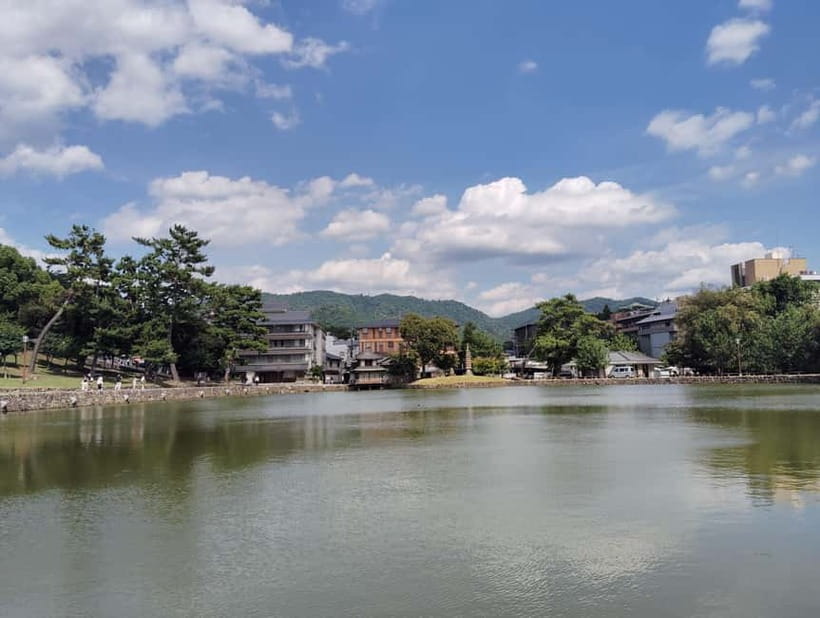
At $119 per person for 3 hours, you’re paying for a guided walk, multiple stops, and tastings at three working breweries plus a shop. In a city like Nara, brewery visits aren’t just entertainment; they’re access.
Where the value gets real is in the guide component. Reviews highlight guides like Hiro Takeuchi and Takashi for being friendly, personable, and genuinely helpful—plus the extra attention you tend to get in a private group. When the guide is strong, the tasting stops feel purposeful rather than like checkboxes.
If you’re looking for the cheapest way to drink in Nara, this isn’t it. If you want a focused, educational tasting in the heart of sake neighborhoods, it’s priced in a sensible middle tier.
Who should book this tour (and who might want a different style)
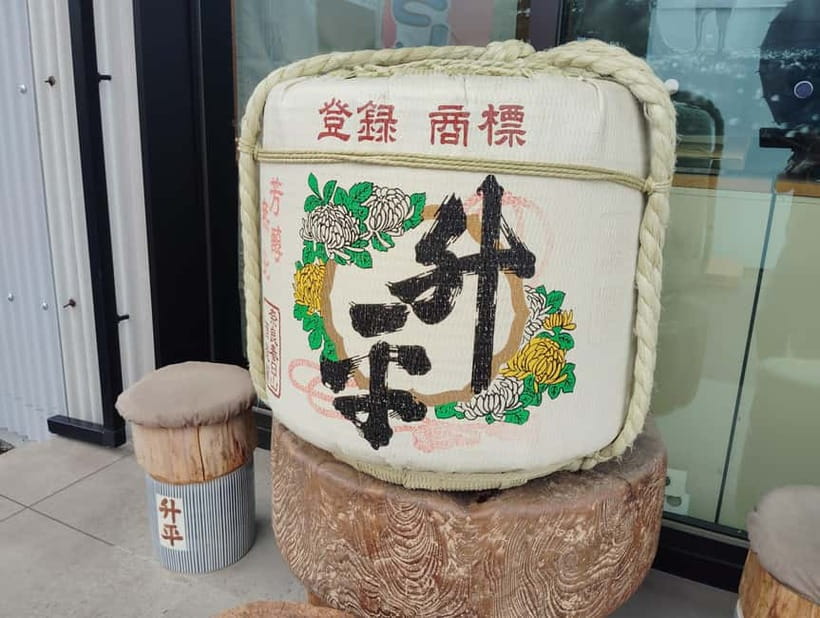
This tour fits best if you:
- Want to learn what makes sake different without getting lost in technical jargon
- Like guided walking tours where neighborhoods matter
- Enjoy food-culture connections tied to history and daily life
- Prefer a private group vibe over crowd energy
It may be less ideal if you:
- Want a fully seated, no-walking experience
- Have strict mobility limits and aren’t comfortable confirming route pacing in advance
That walking factor is the main trade-off. Everything else is set up to keep you moving, learning, and tasting.
Quick practical tips before you go
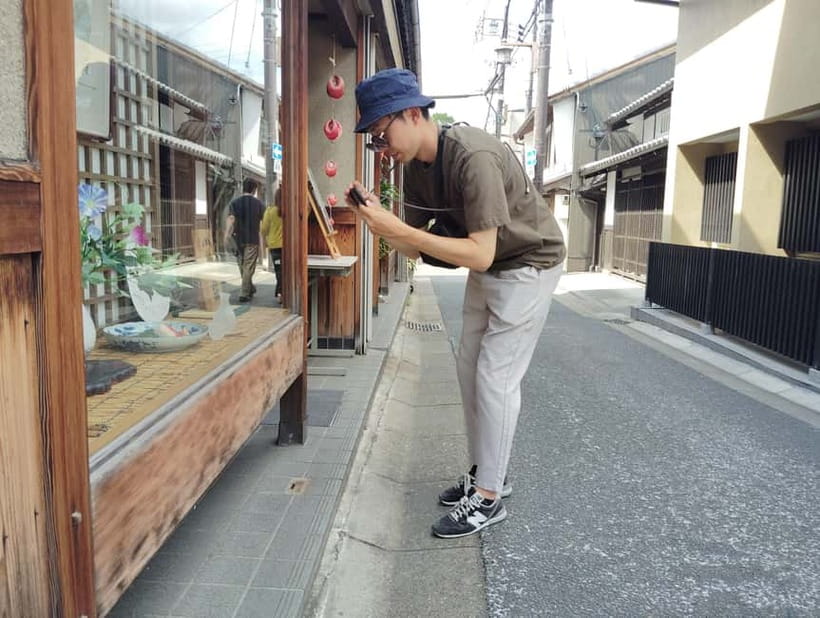
- Wear comfortable shoes. You’ll be walking through the sake districts.
- Pace your tastings. If you’re trying multiple styles, spacing sips helps you actually taste the differences.
- Ask about your favorite style. The tōji-focused explanations work best when you give the guide a starting point like crisp vs mellow.
- Bring curiosity, not expectations. The range described in the plan is intentional, and sometimes your favorite surprises you.
Should you book this Nara sake tasting tour?
I’d book it if you want sake with context and you like the idea of tasting in working places, not just in a generic tasting room. The tour’s strongest points are the brewery access, the tōji-centered explanations, and the feeling that the route through Nara’s sake districts is part of the story—not just a way to get from glass to glass.
I would hesitate only if you know you can’t handle a walking-focused experience. If you can manage that, this is a smart way to spend an afternoon in Nara—especially if you care about how Japanese drinks, food, and spirituality connect in real life.
FAQ
Where is the meeting point for the tour?
The meeting point is Ukimi-do Pavilion (浮見堂). Your guide will be waiting with a yellow sign panel.
How long is the Nara sake tasting tour?
The tour lasts about 3 hours.
How many tasting stops are included?
There are four tasting locations total: three working breweries and one sake shop.
What languages are the live guides?
The live tour guide offers Japanese and English.
Is this tour a private group?
Yes, the tour is listed as a private group.
What are the key sake styles you’ll taste?
The tastings include styles that range from crisp and dry to rich and mellow.