REVIEW · TOKYO
Tokyo: Night Cooking Class: 5 Home-Cooked Japanese Dishes
Book on GetYourGuide →Operated by MagicalTrip · Bookable on GetYourGuide
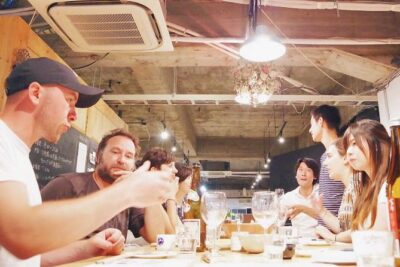
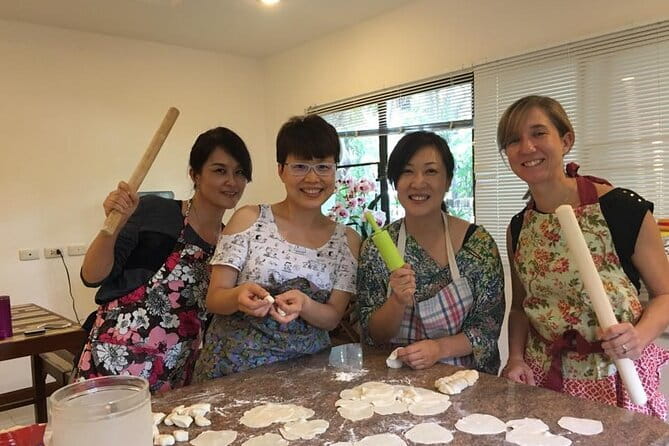
Tokyo at night has a special rhythm. This hands-on izakaya-style cooking class is one of the easiest ways to taste that rhythm. You’ll learn Japanese home-drinking snacks and cook alongside your guide in a small group, with drinks built right into the meal.
I like that you’re not just watching. You get practical instruction for dishes you can actually recreate later, including a Japanese rolled omelette and grilled eggplant with miso sauce. I also like the pairing focus, where the class connects food to what people pour at home—sake, beer, and other favorites.
One thing to factor in: alcohol is only available for guests aged 20+, and knife/heat tasks are only for kids 12+ (with adult supervision). If you’re looking for fully vegan or gluten-free options, this one isn’t set up for that.
In This Review
- Key things that make this class worth your night
- Why an izakaya cooking class feels so natural in Tokyo
- Price and what $103 buys you (and what it doesn’t)
- Getting there at Iriya Station: the FamilyMart trick
- The class flow: cooking while learning nomikai habits
- What you cook: the 5 home dishes and the “snack spread” approach
- Pairing lessons: why drinks suddenly make sense
- The guides: what you can learn from an Alice, Fuji, or Masae style
- Skills you’ll actually bring home (not just recipes)
- Dietary rules and real-life limitations you should know early
- Who should book this Tokyo night cooking class
- Should you book this night class?
- FAQ
- FAQ
- How long is the cooking class?
- What dishes are included in the class?
- Are drinks included?
- Can kids join and will they cook?
- Is there sake tasting or alcohol for everyone?
- Is the class vegetarian-friendly?
- Is it available for vegan or gluten-free diets?
- Where do I meet for the tour?
- Do I get hotel pickup and drop-off?
Key things that make this class worth your night
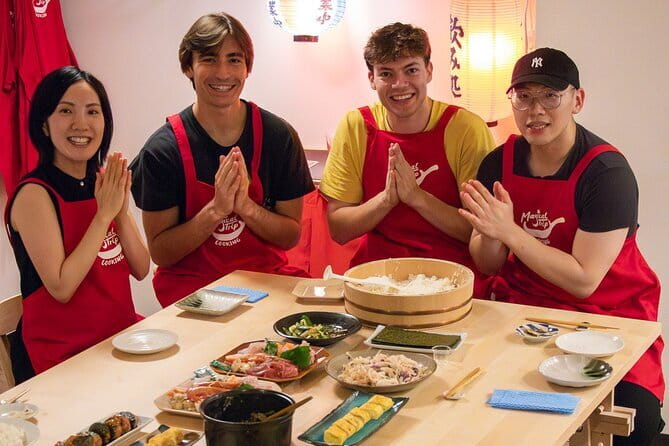
- Izakaya-style small plates cooked for snacking, not for formal dinner pressure
- Sake/beer pairing guidance tied directly to what you’re making and tasting
- English live guide with instruction that makes Japanese techniques feel doable
- 5 home-cooked dishes built around everyday ingredients you can find back home
- Recipes + tour photos included, so you don’t leave with only memories
- Small group limit (6 people) that keeps the pace friendly and questions easy
Why an izakaya cooking class feels so natural in Tokyo
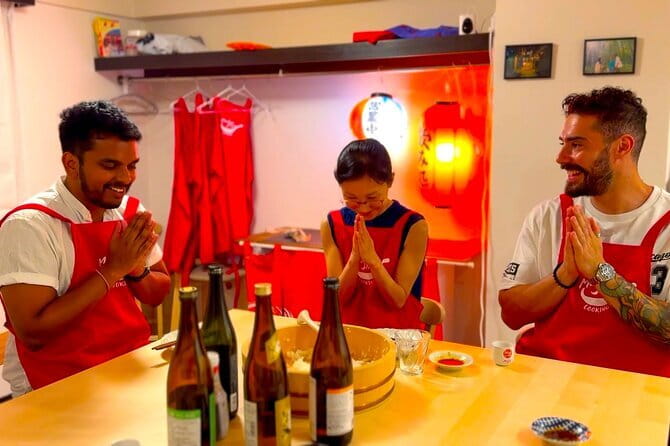
An izakaya night is basically the Japanese version of snack-hopping, just with better timing. Instead of one big plate, you get a spread of small dishes meant to show up over and over while drinks keep flowing. That format fits a cooking class perfectly because you can taste as you go and learn what works together.
What makes this experience especially practical is that it’s built around home-style cooking, not restaurant theatrics. You’re taught techniques and flavor logic you can repeat. And because the class is nighttime, the whole vibe matches the subject: casual, social, and focused on enjoying the evening.
If you end up with an instructor like Alice, Fuji, or Masae (names that came up often), you’ll likely feel the same pattern from their teaching: clear steps, lots of encouragement, and real talk about the culture behind the food.
You can also read our reviews of more tours and experiences in Tokyo.
Price and what $103 buys you (and what it doesn’t)
At $103 per person for about 3 hours, you’re paying for more than a meal. You’re paying for hands-on coaching, all ingredients and equipment, plus 3 cans of alcoholic or soft drinks. That drink component matters here because the pairing lessons aren’t just theoretical—they’re tied to what you’re cooking.
Small group size (up to 6) is another value piece. In a bigger class, you’d spend time waiting. Here, it’s easier to get help when your omelette technique goes sideways or when you’re unsure about sauce thickness.
What’s not included is just as important: there’s no hotel pickup/drop-off. You’ll want to plan your own train time and arrive ready to cook.
Getting there at Iriya Station: the FamilyMart trick
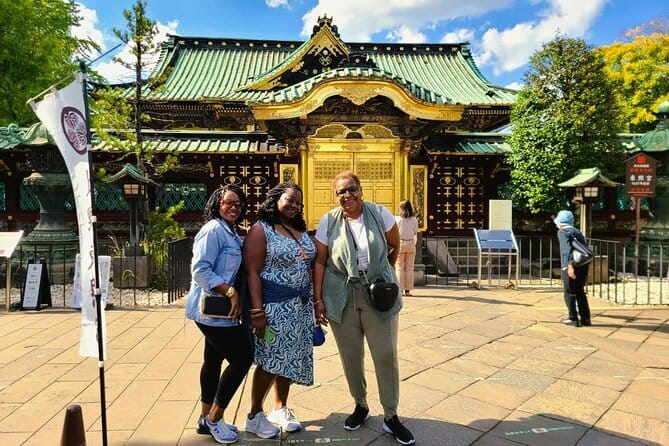
Your meeting point is in front of a FamilyMart next to Gindako at Iriya Station Exit 2. The catch is there are two FamilyMarts in the station area, so you need the one located beside Gindako takoyaki and near Doutor Coffee.
This is the kind of small detail that saves your evening. Arrive a bit early, do a quick street-level check, and confirm the storefront next to the right Gindako. Once you’re at the correct spot, the rest of the night tends to run smoothly.
Also note: smoking isn’t allowed, so if you’re a last-minute smoker, do that before you meet up.
The class flow: cooking while learning nomikai habits
This is set up like a lively nomikai-style drinking party, but with the cooking center stage. You’ll start with food instruction and hands-on prep, and you’ll keep tasting as dishes come together. You’re also learning how Japanese home drinking works—why people pair certain bites with certain drinks, and how the pacing keeps things fun instead of heavy.
A nice bonus is that the class includes tour photos. If you’re the type who always forgets to take pictures mid-trip, you’ll appreciate having that covered.
In some cases, your guide may also bring you past a local shop area before you begin cooking (one instructor-led experience included a supermarket stop). But don’t count on it as guaranteed every time—treat it as a possible extra step depending on your session.
What you cook: the 5 home dishes and the “snack spread” approach
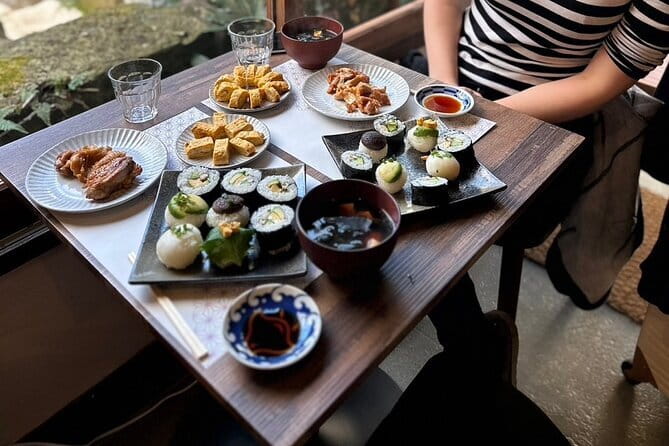
You’ll cook a five-dish set of Japanese home favorites designed to go with drinks. The hands-on menu includes:
- Sushi hand roll
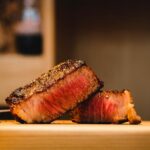
- Wagyu or tofu steak (you’ll be guided based on what’s available for your session)
- Japanese-style rolled egg
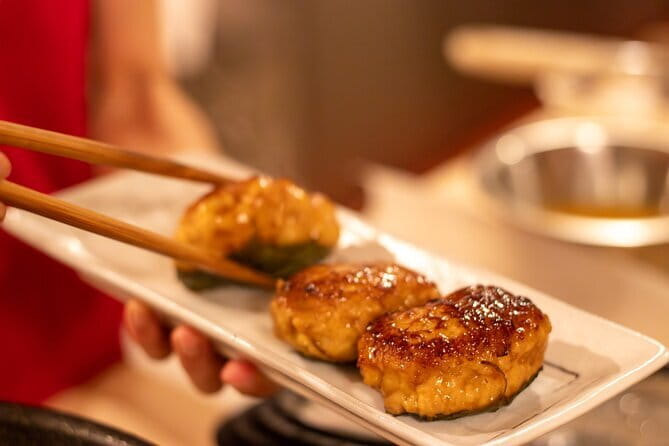
- Grilled eggplant with miso sauce
- Plus one more dish from the small-plate theme (the class focuses on items like savory skewers, crispy tempura, tangy pickles, and more)
Even if you only plan to eat a little, this setup is smart. You’ll learn techniques across categories: rolling, searing/grilling, egg handling, and sauce-based comfort. That variety is why this class sticks with people.
Here’s how each dish builds skills you can reuse:
Sushi hand roll
This teaches you assembly and texture balance—how to handle filling amounts so your roll doesn’t collapse. It’s also a great gateway dish if you’re new to Japanese home cooking because you get fast feedback while assembling.
Wagyu or tofu steak
The class includes either wagyu or tofu, which is useful if you’re vegetarian (tofu is an option). You’ll learn how to treat the protein so it works as a bite for drinking: flavorful, not bland, and not dry.
Japanese rolled egg
This is the technique dish. Rolled omelette sounds simple until you’re cooking with timing and heat control. The payoff is huge because once you understand the method, you’ll see why it’s popular in everyday Japanese bento and snack spreads.
Grilled eggplant with miso
This gives you the sauce logic. Eggplant is forgiving, miso is aromatic, and the flavors are made to match beer and sake. It’s the kind of dish that feels “small,” but tastes deep.
One more small plate
The class highlights other izakaya-style favorites such as skewers, tempura, and pickles. Even if the exact dish varies by session, the goal stays the same: teach you flavors and methods that show up at home and work for drink pairings.
Pairing lessons: why drinks suddenly make sense
A lot of cooking classes tell you ingredients. This one also tells you how to match them. That changes how you taste.
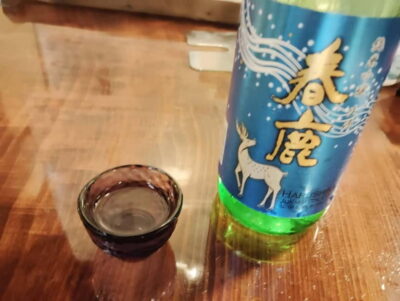
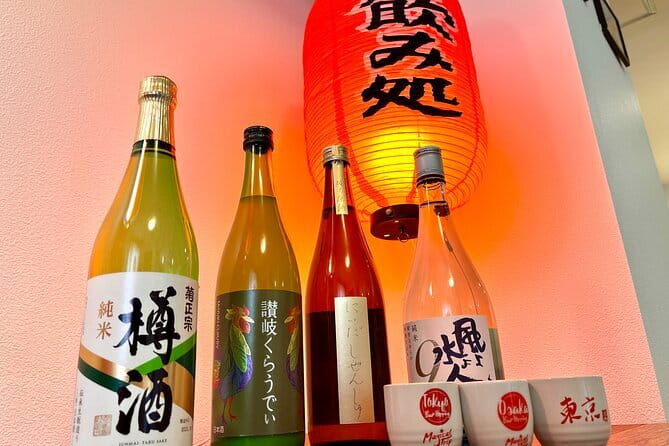
You’ll learn which beverages work best with different dishes—especially around sake and Japanese beer, which are the stars of the experience. The point isn’t fancy wine-pairing talk. It’s practical: what cuts through fattiness, what lifts saltiness, and what keeps flavors from clashing.
Think about it like this: when you’re snacking over an hour, your palate needs rest. Drinks help reset it. So the class isn’t just about cooking food—it’s about building a repeatable rhythm for a home party.
And if you’re planning to host later, this part is where the value really lands. You’ll have a simple mental map for pairing bites to drinks, not just recipes.
The guides: what you can learn from an Alice, Fuji, or Masae style
The class lives or dies by the instructor, and the feedback pattern has been strong. Guides like Alice and Fuji came up for being warm, fun, and effective at explaining techniques. Masae stood out in one experience for combining food lessons with culture and making the night feel personal.
What matters for you: you’re likely to get more than steps. You’ll get context—why Japanese cooking methods exist and how home cooks think about flavor. That’s what turns a dish from something you copy into something you understand.
Because the group is limited to 6, your guide can adjust pacing. If your rolled egg looks less like a neat log and more like modern art, you’ll still get help.
Skills you’ll actually bring home (not just recipes)
The class includes recipes you can take home, but the bigger gift is learning how to approach Japanese home cooking. You’ll practice techniques that show up everywhere in Japan: rolling, shaping, grilling, and sauce balance.
A useful mindset to take away is that Japanese “small plates” are designed for progression. They’re meant to be eaten in rounds, not all at once. That’s why these dishes pair well with drinks and why the spread feels satisfying without being heavy.
Also, the class uses ingredients that are described as readily available back home. That means you can recreate most of the menu without playing import roulette for weeks. You’ll still want to check ingredient availability depending on where you live, but you’re not starting from zero.
Dietary rules and real-life limitations you should know early
This class can work well for many food preferences, but it has clear boundaries.
- Vegetarians are welcome. The class arranges ingredients and the cooking process accordingly.
- Vegan and gluten-free aren’t available. If either applies to you, you’ll need a different option.
- Allergy-free cannot be guaranteed. The food is prepared in kitchens that don’t belong to the operator, and substitutions may not always be possible.
- There are age rules: knife and heat tasks are only for those 12 and older under a parent/guardian, and alcohol is only for 20+.
If you have allergies, you should be ready for a careful conversation before the class. The best approach is to identify exactly what you can’t have and ask what substitutions might be possible.
Also, the tour notes that some locations aren’t accessible by wheelchair or stroller. If mobility is a concern, plan around that.
Who should book this Tokyo night cooking class
This is a strong fit if you want food plus culture in one night. It’s also ideal if you like learning in a social setting where you’re cooking while people chat and taste.
It’s especially good for:
- Couples looking for a date-night activity that isn’t just dinner
- Friends who want a shared experience with real skills
- Solo travelers who want conversation without the awkwardness of a group tour
- Beginners who want a guided path and quick wins
Seasoned cooks can enjoy it too, since you’re learning Japanese techniques and how they apply to home snack cooking. If your goal is to understand nomikai logic—why dishes get made the way they do—this format helps.
Should you book this night class?
Book it if you want a hands-on Tokyo experience with pairing lessons, a small group, and dishes you can recreate later. It’s also a smart “value” choice because drinks, recipes, ingredients, equipment, and photos are part of the deal.
Skip it if you need vegan or gluten-free meals, or if alcohol access rules don’t fit your group. Also, if you’re traveling with very small kids, keep in mind the class notes that it isn’t suitable for children under 12, even though the broader age range is listed as 6+.
One last practical tip: plan your evening so you’re not rushing to get there. This class works best when you arrive calm, hungry, and ready to cook. If you do that, you’ll leave with more than recipes—you’ll leave with a simple plan for hosting an izakaya-style snack night at home.
FAQ
FAQ
How long is the cooking class?
It runs for about 3 hours.
What dishes are included in the class?
The hands-on dishes listed include a sushi hand roll, wagyu or tofu steak, Japanese rolled egg, and grilled eggplant with miso sauce. The experience is described as covering 5 home-cooked dishes in total.
Are drinks included?
Yes. You get 3 cans of alcoholic or soft drinks included.
Can kids join and will they cook?
The activity is open to ages 6 and above, but it states it is not suitable for children under 12. Knife and heat tasks are only permitted for those aged 12 and over, under supervision.
Is there sake tasting or alcohol for everyone?
No. Alcohol and sake tasting are only available for guests aged 20 and over, per Japanese law.
Is the class vegetarian-friendly?
Yes. Vegetarian guests are welcome, and ingredients and the cooking process are arranged accordingly.
Is it available for vegan or gluten-free diets?
No. It is not available for people who are vegan and gluten-free.
Where do I meet for the tour?
Meet in front of the FamilyMart next to the Gindako shop in Iriya Station Exit 2. There are two FamilyMarts nearby, so look for the one next to Gindako takoyaki and Doutor Coffee.
Do I get hotel pickup and drop-off?
No. Hotel pickup and drop-off are not included.