REVIEW · TOKYO
Beauty Vegan Dessert Cooking Class + Sake Kasu Hand Mask Trial!
Book on Viator →Operated by Coji Life Cooking · Bookable on Viator
Fermented dessert, plus a beauty mask. This Tokyo class pairs amazake and sake kasu with hands-on vegan dessert making, then tops it off with a sake kasu hand mask trial and Japanese tea. I especially like that the food lesson includes both culture and practical health/beauty angles, not just recipes. The other big win for me is the small-group feel, which makes it easier to ask questions and actually learn the technique.
One thing to consider: sake kasu contains about 8% alcohol, and the hand mask uses sake kasu too—so sensitive skin (or cuts on your hands) may not be a fit.
Because the venue is near Akasaka-Mitsuke Station and the class runs about 2 hours, it’s also a straightforward afternoon plan even if your day is already packed.
In This Review
- Key highlights at a glance
- Why this vegan fermented-dessert class is a smart Tokyo afternoon
- The 2-hour plan: what happens once you arrive near Akasaka-Mitsuke
- Fermented desserts with amazake: sweet flavor that’s built differently
- Sake kasu in the bowl—and on your hands
- The beauty tea experience: sakura tea isn’t just a prop
- What you get with the price (and why it feels fair in Tokyo)
- Small group size and a mobile ticket: the logistics that actually help
- If you want one extra reason to book: the same-day promotion
- Who this class fits best (and who should think twice)
- Practical tips before you go
- Should you book Beauty Vegan Dessert Cooking Class + Sake Kasu Hand Mask Trial?
- FAQ
- Where is the meeting point for the class?
- How long is the experience?
- Is the cooking class vegan?
- What’s included besides cooking?
- Does the menu stay the same all year?
- Does the class include alcohol?
- Is there an option if I don’t want alcohol or I’m under 20?
- Can I join the hand mask trial if I have cuts or sensitive skin?
- How many people are in the group?
Key highlights at a glance
- Fermented-food focus with real Japanese ingredients: amazake and sake kasu show up in the dessert process, not just in the lecture.
- Sake kasu hand mask trial included: a beauty element you can try right there, with clear safety notes.
- Vegan menu, seasonal by design: everything you make is vegan, and the menu changes depending on the season.
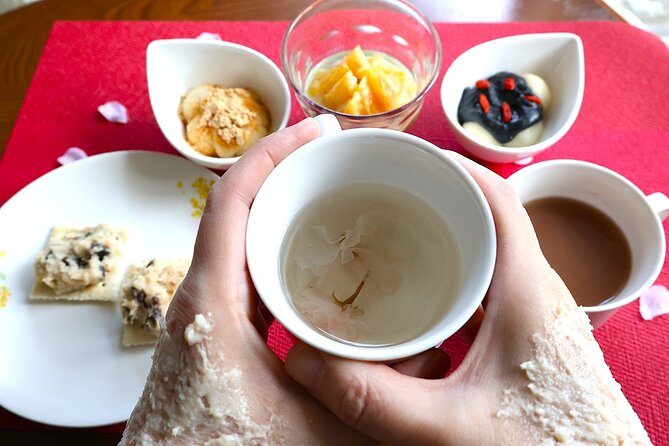
- Japanese tea moment: sakura tea is part of the experience, alongside coffee and/or tea.
- Small group size (max 6): you get more attention when you’re mixing, tasting, and learning.
Why this vegan fermented-dessert class is a smart Tokyo afternoon
If you like Tokyo that feels practical and personal, this class hits that sweet spot. You get hands-on cooking, but you also get the “why” behind Japanese fermentation—how it fits into food culture and how it’s talked about for gut and skin support.
I like that it’s vegan without feeling like a compromise. You’re still working with signature Japanese fermentation ingredients, so the flavors feel distinctly Japanese rather than generic “plant-based.”
And I really like the structure: a short, focused 2-hour format, plus a built-in beauty trial and tea. It’s not a long evening commitment, so you can slot it between sightseeing without wrecking your schedule.
The main caution is simple. Sake kasu includes alcohol, and the hand mask uses sake kasu as well—so think about driving after the class and whether your skin is sensitive.
You can also read our reviews of more tours and experiences in Tokyo.
The 2-hour plan: what happens once you arrive near Akasaka-Mitsuke
You meet at Akasaka-Mitsuke Station (3-chōme-1-6 Akasaka, Minato City, Tokyo). The class starts at 2:00 pm and ends back at the meeting point, so you don’t have to guess how to get home afterward.
Because it’s close to public transportation and positioned in central Tokyo, you avoid the classic travel trap of “hours lost to transit and weather.” Even if you’re bouncing between neighborhoods, this location is designed to be easy to reach.
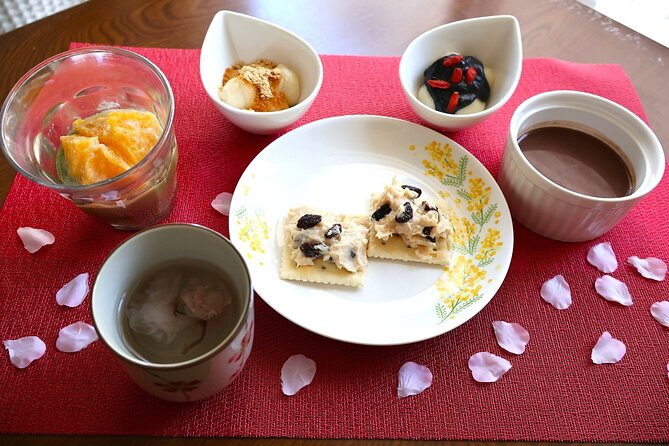
Once you’re in, the flow is straightforward. You’ll get an apron and jump into the dessert-making with the teacher’s guidance. While you cook, you’ll also get a lecture and a lecture handout with recipe and presentation material.
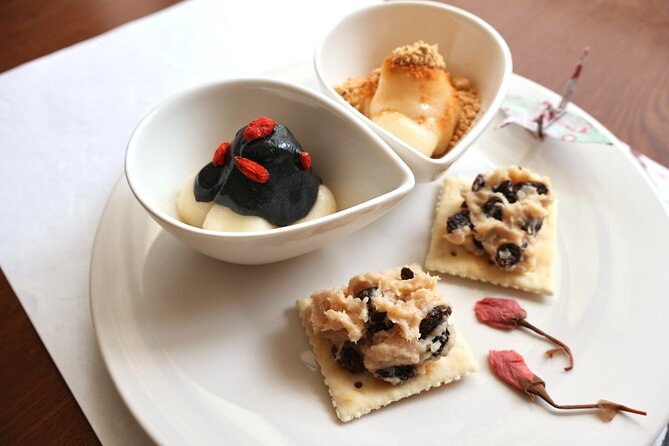
You can expect a tasting-focused rhythm: make together, snack along the way, and try what you create. The “snacks and desserts we make together” are included, so you’re not just watching or tasting a token bite.
And yes, tea is part of it. You’ll enjoy sakura tea, plus coffee and/or tea. It turns the class into more of an afternoon experience than a rushed workshop.
Fermented desserts with amazake: sweet flavor that’s built differently
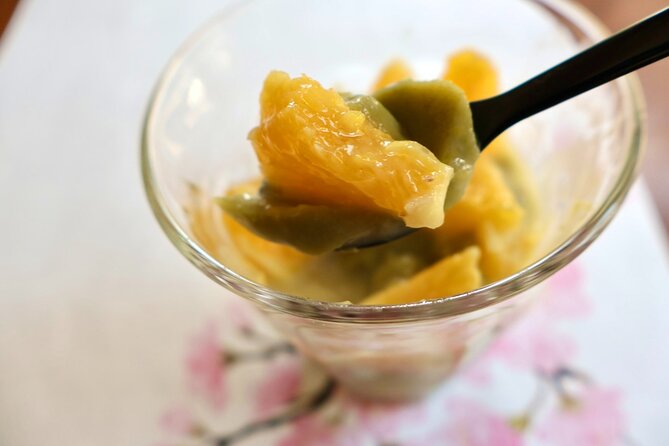
Amazake is one of the star ingredients here, and the class uses it in a way that actually helps you understand fermentation. It’s described as a traditional fermented rice paste that’s very sweet without sugar.
That detail matters because it changes how you think about sweetness. Instead of adding sugar for flavor, you’re working with fermented ingredients that bring their own depth. In practical cooking terms, this is the kind of technique you can potentially reuse after your trip.
You’ll also learn how fermentation shows up in the Japanese “logic” of food. The class frames fermentation as part of daily cuisine and health conversations—especially for gut support and skin glow, which they connect to the ingredients you’re using.
Menu changes by season, so you shouldn’t expect the exact same dishes year-round. But if you come with curiosity, the seasonal variety is actually a plus. You’ll learn the approach, then you can adapt it when you find similar fermented ingredients at home.
Sake kasu in the bowl—and on your hands
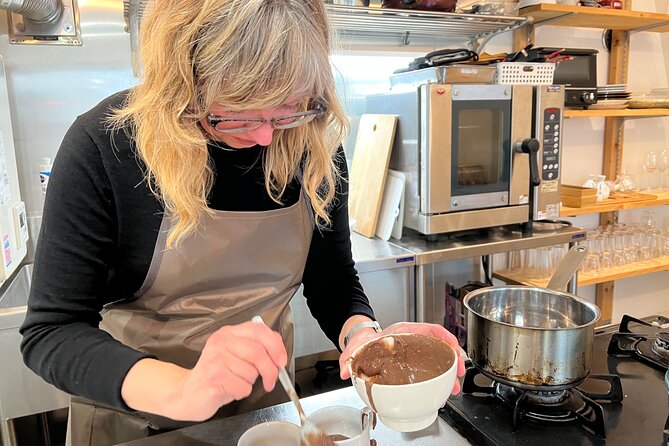
Sake kasu means sake lees, the byproduct from pressing sake. In this class, it’s used in the dessert process and also for the beauty trial afterward.
Here’s the key consideration: sake kasu contains around 8% alcohol. The class notes that you shouldn’t drive after the class, and they also offer an alternative for certain participants.
If a participant is under 20, or if you don’t drink alcohol, the class uses banana instead. The lesson still works the same way—this is about keeping the experience comfortable for you while respecting ingredient sensitivity.
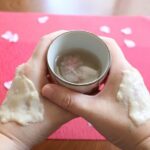
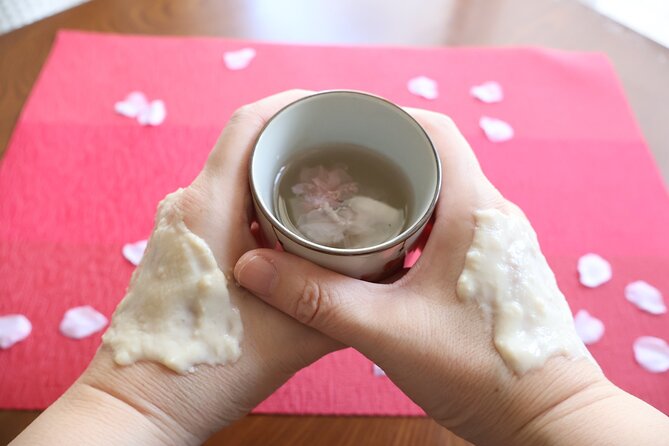
After the cooking, you get the included sake kasu hand mask trial. This is where the “beauty afternoon tea” theme becomes real: you’re not just learning about skincare ingredients; you’re trying a mask right in the class.
Safety notes are clear, and you should take them seriously. The class isn’t available if you have cuts or wounds on your hands, and sake kasu may not suit everyone’s skin. If you know your skin reacts to fermented or cosmetic ingredients, consider skipping the mask and enjoying the rest of the experience.
The beauty tea experience: sakura tea isn’t just a prop
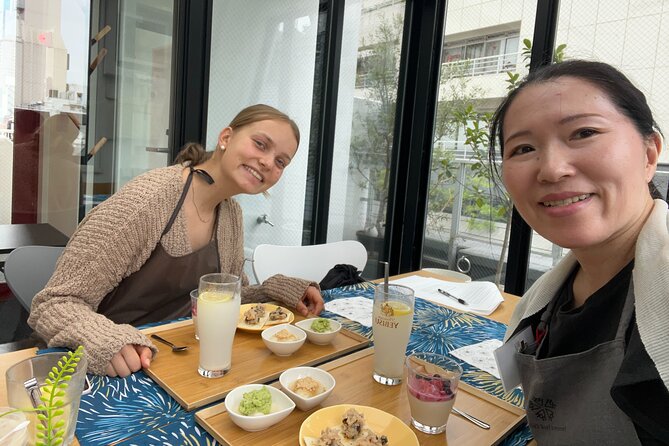
Tea sounds small until you’re in the moment. In this class, tea helps slow everything down. It gives you a pause between mixing steps and gives you time to talk, taste, and ask questions.
You’ll have sakura tea as part of the experience, plus coffee and/or tea. That combination makes the afternoon feel like a genuine cultural break, not a checklist stop.
It’s also a good reminder that Japanese food culture often mixes “learning” with “comfort.” You can leave with a new cooking skill, but you also leave with the feeling that you spent time in a normal Japanese-style food setting.
What you get with the price (and why it feels fair in Tokyo)
The price is $64.09 per person, for a roughly 2-hour class in central Tokyo. For Tokyo, that’s a value-driven sweet spot because you’re getting both cooking instruction and included tasting components.
Included in the cost:
- Apron
- Snacks and desserts you make together
- Coffee and/or tea
- Sakura tea
- Lecture handout with recipe and presentation material
- Sake kasu hand mask trial
Not included:
- Private transportation
I like that the handout is included. When you’re doing fermented cooking, small ratios and steps matter. Having recipe material to take home helps you recreate something later instead of only remembering the taste.
Also, the small group size (max 6) can quietly raise the value. When you’re in a large group class, you often wait your turn. Here, it’s easier to get support while you’re actually working.
Small group size and a mobile ticket: the logistics that actually help
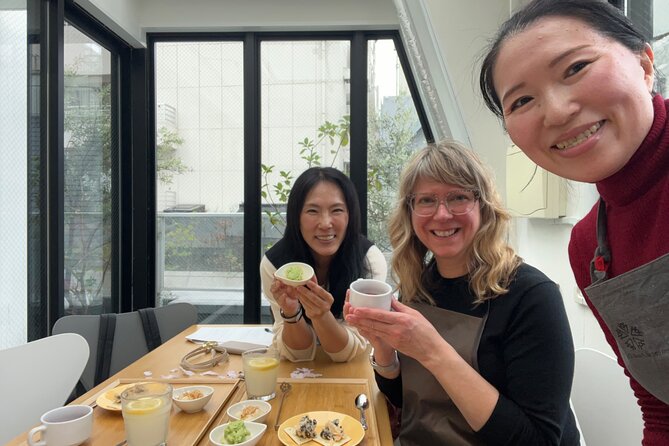
A maximum of 6 travelers keeps the class from feeling like a factory. That matters because fermentation cooking often involves gentle timing and careful tasting. When you can ask questions and get feedback quickly, you learn faster.
You also get a mobile ticket, which makes entry simpler on arrival. Combine that with a central meeting point near Akasaka-Mitsuke Station and you get a smooth start.
The class ends back at the meeting point, so you’re not stuck figuring out transit right after cooking and tasting. It’s a small thing, but it saves mental energy.
If you want one extra reason to book: the same-day promotion
There’s a helpful promotion if you plan your afternoon tightly. The provider also runs a Fermented Food Lunch Class starting at 11am.
If you join both classes on the same day, you receive a special gift: rice koji amazake, the one used in the dessert class. If you’re the type who loves to bring home practical fermentation ingredients, this is a good upgrade.
Even if you only book this 2pm session, it still makes sense as a standalone experience. You’ll come away with a clear sense of how amazake and sake kasu work in desserts.
Who this class fits best (and who should think twice)
This is a great fit if you:
- Want vegan food experiences that still feel distinctly Japanese
- Like hands-on cooking with ingredients tied to culture
- Are curious about fermentation and want the technique explained, not just the result
- Enjoy beauty add-ons and want to try a skincare product trial in a guided setting
You should think twice if:
- You have very sensitive skin or you’ve had irritation from cosmetic ingredients in the past
- You currently have cuts or wounds on your hands
- You’re planning to drive right after the class, since sake kasu includes alcohol
- You’re traveling with kids under 6 (the experience may not be suitable for children age 6 and under due to lecture difficulty)
Practical tips before you go
- Tell the provider about allergen restrictions ahead of time.
- If you don’t drink alcohol or you’re under 20, write that you prefer the banana option.
- If you’re worried about mask irritation, be honest with yourself about your skin history and consider skipping the mask portion if offered alternatives are appropriate.
- Wear comfy clothes and expect to get a little hands-on while cooking. The class requires your hands to be in good condition for the mask trial.
This is also the kind of experience where it helps to come hungry for learning. Taste, ask questions, and don’t rush the tea moment at the end.
Should you book Beauty Vegan Dessert Cooking Class + Sake Kasu Hand Mask Trial?
I’d book it if you want a short, high-signal Tokyo experience that mixes cooking, culture, and a beauty trial around Japanese fermentation. The fact that it’s vegan, uses amazake and sake kasu, and includes both tasting and take-home recipe material makes it feel like more than a quick novelty class.
The “should I worry” part is mostly about suitability: alcohol content in sake kasu and skin sensitivity with the hand mask trial. If you plan around those realities, you’re in for a fun, educational afternoon with food you can actually recreate.
If you’re the kind of traveler who loves discovering how Japanese ingredients are used beyond the obvious ramen/sushi route, this is exactly your lane.
FAQ
Where is the meeting point for the class?
You meet at Akasaka-Mitsuke Station, address listed as 3-chōme-1-6 Akasaka, Minato City, Tokyo 107-0052, Japan.
How long is the experience?
The class runs for about 2 hours.
Is the cooking class vegan?
Yes. All dishes are vegan.
What’s included besides cooking?
You get an apron, the snacks and desserts you make together, coffee and/or tea, sakura tea, a lecture handout with recipe material, and a sake kasu hand mask trial.
Does the menu stay the same all year?
No. The menu changes depending on the season.
Does the class include alcohol?
Sake kasu contains around 8% alcohol, and the experience notes that you should not drive after the class.
Is there an option if I don’t want alcohol or I’m under 20?
Yes. For age less than 20 and for people who do not drink alcohol, the class uses banana instead. You should indicate this when booking.
Can I join the hand mask trial if I have cuts or sensitive skin?
The mask trial is not available if you have cuts or wounds on your hands. The experience also notes that sake kasu may not suit everyone’s skin and could cause irritation for those with sensitive skin.
How many people are in the group?
The experience has a maximum of 6 travelers.