REVIEW · TOKYO
Japanese Sake Tasting & Wagyu Sukiyaki Cooking Class in Tokyo
Book on Viator →Operated by 割烹道 · Bookable on Viator
Sake tastes different when it’s warm. In this 2-hour Tokyo class, you start with sake tasting at three temperatures (plus how the serving vessel changes flavor), then move into hands-on Wagyu sukiyaki cooking. It’s a smart mix of drink education and real food work, led in a modern kitchen studio in Nishiazabu.
I especially like the way you get to compare the same style of sake chilled, at room temperature, and warmed, so the difference isn’t just theory. I also really enjoy the Wagyu sukiyaki part—your pot is cooking while you watch a chef’s vegetable carving demo, and you end by eating your own hot pot with sake. One consideration: this experience is built around alcohol tasting, so you’ll want to be comfortable with that pacing.
In This Review
- Key Highlights Worth Your Time
- Tokyo’s DK Kitchen Studio: a small-group setup that makes it easy
- The Sake Tasting lesson: temperature, vessels, and smart pairings
- Wagyu Sukiyaki cooking: from your pot to your plate
- The vegetable carving demo: why the presentation angle is worth it
- What’s included (and what that means for your value)
- Who will enjoy this class most
- Timing and practical tips for a smooth 11:00 a.m. start
- Staff and teaching style: what makes the experience feel personal
- Should you book this Japanese Sake Tasting & Wagyu Sukiyaki class?
- FAQ
- How long is the sake tasting and Wagyu sukiyaki class?
- What time does the class start?
- Where does the class meet in Tokyo?
- How many people are in the group?
- Is lunch included?
- Is sake included in the ticket price?
- Do you provide equipment for the lessons?
- Is there a discount at a shop after the class?
- Is transportation included?
- What cancellation options are available?
Key Highlights Worth Your Time
- Sake at three temperatures, with vessel-related flavor notes
- Hands-on Wagyu sukiyaki cooking, then you eat what you make
- Chef vegetable carving demo happening while your sukiyaki simmers
- Small group size (max 8) for a calmer, easier pace
- Included lunch and tasting snacks, not just a show-and-learn
- 10% off at the 1F shop the same day, plus a participation certificate
Tokyo’s DK Kitchen Studio: a small-group setup that makes it easy
This runs in a modern cooking-studio kitchen in Minato City, Nishiazabu—at the Kappodo H.Q / Tokyo D kitchen studio in the DK building. You start at 11:00 a.m. and it ends back at the meeting point, so you’re not scrambling across town after you’re hungry (or fully warmed up from sake).
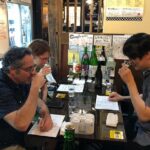
The group is capped at 8 travelers, which matters more than it sounds. In a class setting, small numbers usually mean you can actually ask questions and get quick help while you’re cooking your sukiyaki. I like that the vibe is relaxed enough for families and mixed groups, and still structured enough that nothing feels chaotic.
You’ll also get a mobile ticket and confirmation at booking, and the location is described as near public transportation. That’s a practical win in Tokyo, where timing and walking distance can make or break your day.
You can also read our reviews of more tours and experiences in Tokyo.

The Sake Tasting lesson: temperature, vessels, and smart pairings
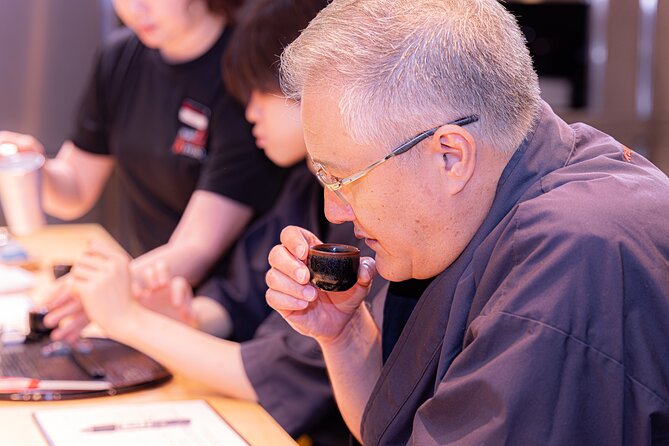
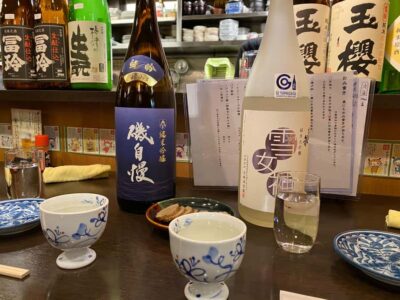
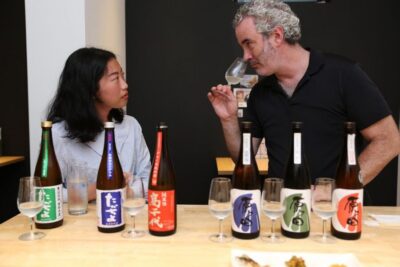
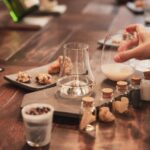
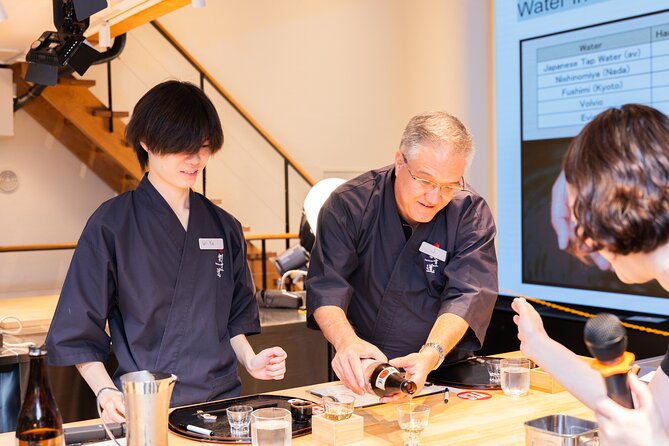
The class begins with a sake tasting led by an expert. The core idea is simple: sake doesn’t taste the same at different temperatures, even when it’s the same bottle. You’ll sample in three temperature ranges—chilled, at room temperature, and warmed—and you’ll compare what changes in aroma and flavor as the drink gets warmer.
This matters because most first-timers assume sake is just sake. Temperature turns it into something more nuanced: a warmer pour can feel rounder on the palate, while cooler sake often feels cleaner and more crisp. You don’t need to be a drink nerd to get it—you just taste, compare, and notice.
You’ll also hear about how the serving vessel affects the experience. That’s a detail I appreciate, because it explains why a tasting in Japan can feel oddly specific. Even if you don’t remember every technical term, you’ll likely remember the practical takeaway: how it’s served changes what you perceive.
Another included part of the tasting is pairing each pour with selected Japanese snacks. This is where the learning sticks, because you’re tasting with food in your mouth. When the snack is salty, sweet, or umami-forward, it can either sharpen flavors or soften edges. In other words: you’re learning how Japanese food and sake behave together in real settings, not in isolation.
If you enjoy food education that’s interactive (not a lecture with little samples), this section does the job.
Wagyu Sukiyaki cooking: from your pot to your plate
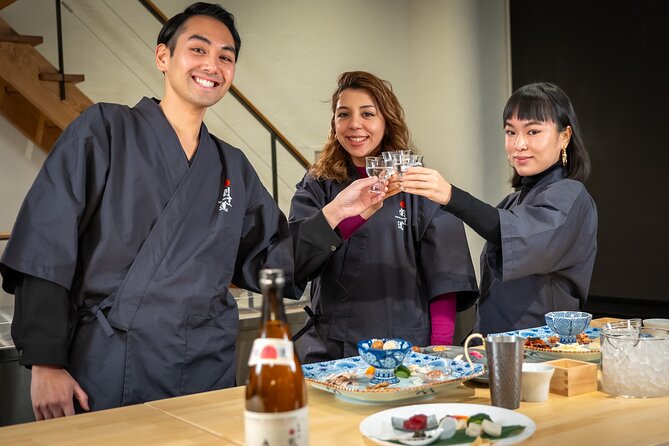
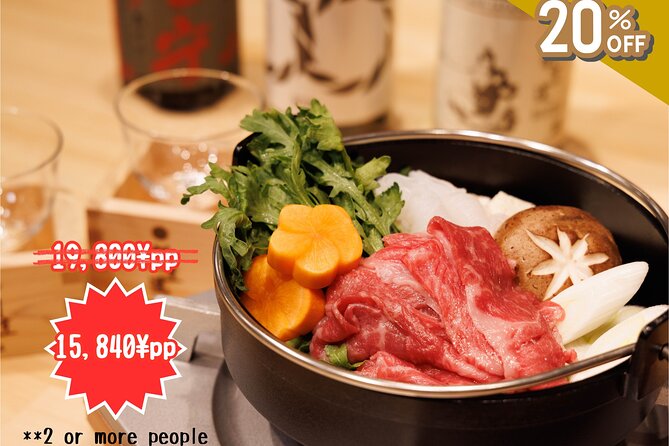
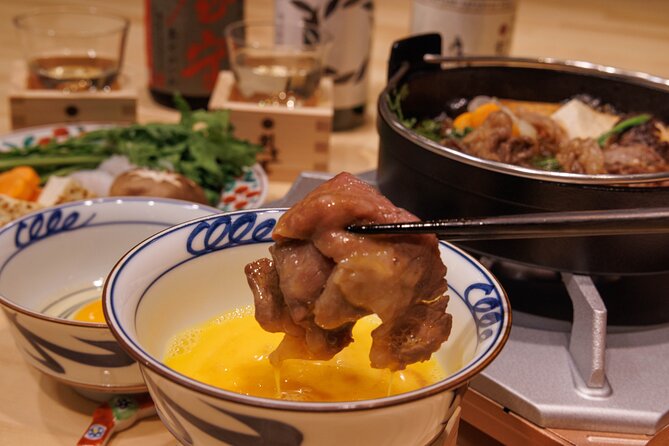
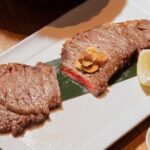
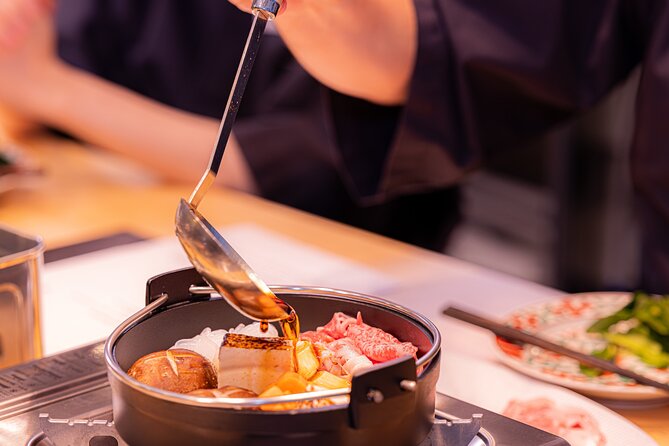
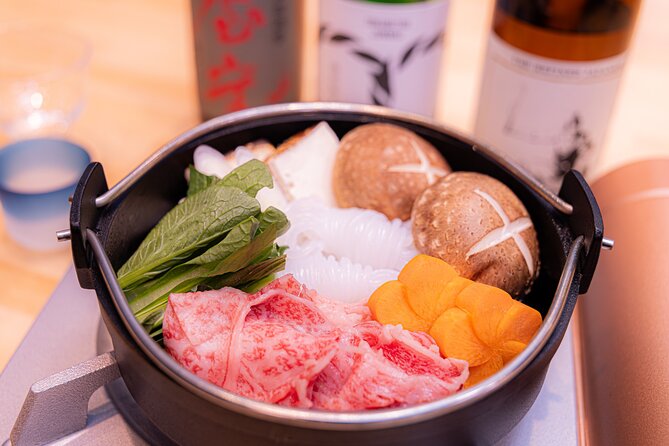
After the tasting, it’s time for the main event: a hands-on Wagyu sukiyaki cooking workshop. You cook your own hot pot, using premium Wagyu beef, and you’ll eat it as part of the included lunch.
Sukiyaki is more than “meat in a pot.” The method matters—how things simmer, when ingredients go in, and how the sauce coats what’s inside. Watching it cook on a stove is one thing. Doing it yourself is another, and that’s why this class feels better than many food demos.
A big advantage here is that you’re not just cooking and then waiting. While your sukiyaki simmers, you get a live vegetable carving demonstration by a professional chef. That keeps the energy moving and turns the session into a mini show—except you’re still the one cooking. It’s food class with a built-in break, which helps if you’re traveling with kids or you get hungry fast.
At the end, you sit down with what you made. And yes, you’ll pair your sukiyaki with sake. That pairing finishes the loop: you tasted first, you cooked second, and then you eat with purpose.
The vegetable carving demo: why the presentation angle is worth it
The chef’s vegetable cutting isn’t just decoration. It’s an example of how Japanese kitchens treat visual detail as part of flavor planning and dining pleasure. When you see vegetables carved live, you notice differences in shape and thickness—and that affects texture as they cook in a hot pot.
It also gives you something to watch while the sukiyaki is simmering, so you’re not stuck waiting for “the right moment” to do your next step. In practical terms, it keeps the workflow smoother for the whole group.
In the class vibe, it also adds personality. You’re learning cooking technique plus Japanese culinary aesthetics in a short time span, without feeling like you’re in a formal cooking school.
What’s included (and what that means for your value)
The price is $129.00 per person for about 2 hours. For Tokyo, that’s not “cheap,” but it’s not just paying for a seat either.
Here’s what you get included:
- Sake tastings available in three temperature ranges, plus other sake types
- Lunch: Wagyu beef sukiyaki
- All equipment used during the sake pairing lesson
- A participation certificate
- A 10% discount at the 1F shop on the same day as your visit
That discount detail is a nice practical touch. If you end up liking a sake you tried, you have a same-day option to purchase without turning it into a separate errand later.
Also, the small group size helps justify the price. You’re not crammed with dozens of people, and you’re not standing around while someone else does the work. You get to taste, cook, and eat—plus the extras like vessel notes and the chef demo.
Transportation isn’t included, so you’ll want to factor in your own time getting to Nishiazabu. Still, the meeting point is described as near public transportation, which usually keeps the logistics realistic.
Who will enjoy this class most
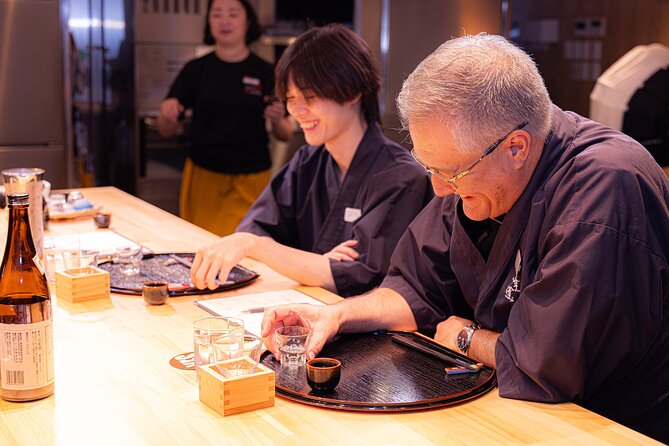
This is a great fit if you want a Tokyo experience that’s not just walking and looking. It’s food you make and drink you taste, with just enough structure to feel confident.
You’ll likely enjoy it most if:
- You’re curious about your first sake tasting and want clear, hands-on comparisons
- You like cooking classes where you actually eat what you cook
- You’re traveling with family or a small group and want something that feels social but not messy
- You want a cultural food lesson that includes both technique and presentation
Based on the style of instruction described in the experience, it also works well for people who want English-led learning. If that’s important to you, this type of class is often one of the easier ways to connect without needing advanced Japanese.
If you’re strictly avoiding alcohol, or you hate the idea of tasting drinks as part of the main activity, this may not feel like the right match. The tasting is central, and the sukiyaki meal is also paired with sake.
Timing and practical tips for a smooth 11:00 a.m. start
The class starts at 11:00 a.m. and runs around 2 hours. That’s a useful slot because it’s late enough to avoid the earliest morning chaos, but early enough to still have a full afternoon after lunch.
Because it’s a mobile-ticket activity with a fixed meeting point, do yourself a favor and arrive a bit early so you’re not rushing while hungry. Nishiazabu is a business-and-residential mix, and the studio is in a DK building—so a quick buffer time helps you find the right entrance and settle before tasting begins.
One more practical point: pace your sake tasting. Even though the pours are part of the lesson, you’re also cooking and then eating hot pot. Plan to take small sips between snack bites so your palate stays sharp and your stomach is happy.
Finally, since there’s a 10% shop discount the same day, it can be smart to keep that in mind when you buy anything at the 1F shop. If you already know what you liked, you’ll save time.
Staff and teaching style: what makes the experience feel personal
A standout theme in the class is how friendly and engaged the instructors and staff are. Names mentioned include Hiromi, plus cooking guidance from staff who lead the sukiyaki workshop. That kind of hands-on attention matters because you’re doing real cooking steps, not just watching someone else plate food for you.
I also like the balance between instruction and “doing.” You’re taught enough to understand what you’re tasting and cooking, but you’re not overwhelmed with details. It’s the kind of teaching style that keeps the group moving, and it helps first-timers feel comfortable asking questions.
Should you book this Japanese Sake Tasting & Wagyu Sukiyaki class?
If you want an authentic Tokyo food-and-culture experience that ends with a full meal you made yourself, I’d say book it. The combination of sake tasting at different temperatures, snack pairings, and hands-on Wagyu sukiyaki gives you three ways to learn, not just one. The small group size and the chef vegetable demo make the time feel well used, and the included lunch is a real value-maker.
I’d skip it only if alcohol tasting is a hard no for you, or if you’d rather spend your limited Tokyo time purely outdoors and sightseeing. Otherwise, this is one of those experiences that feels structured, friendly, and genuinely useful—especially if it’s your first time learning how sake temperature and food pairing change the whole experience.
FAQ
How long is the sake tasting and Wagyu sukiyaki class?
It runs for about 2 hours.
What time does the class start?
The start time is 11:00 a.m.
Where does the class meet in Tokyo?
The meeting point is Kappodo H.Q / Tokyo D kitchen Studio /Cooking Workshop in Nishiazabu, Minato City, Tokyo: 106-0031, 2-chōme-21-12 DKビル.
How many people are in the group?
The experience has a maximum of 8 travelers.
Is lunch included?
Yes. Lunch is Wagyu beef sukiyaki.
Is sake included in the ticket price?
Yes. Sake is available in three different temperature ranges, and other types of sake are also included.
Do you provide equipment for the lessons?
Yes. All equipment used in the sake pairing lesson is included.
Is there a discount at a shop after the class?
Yes. Participants can enjoy 10% off all items at the 1F shop on the same day of the workshop visit.
Is transportation included?
No, private transportation is not included.
What cancellation options are available?
Free cancellation is offered. You can cancel up to 24 hours in advance for a full refund, and changes within 24 hours are not accepted. If the minimum traveler requirement isn’t met, you’ll be offered another date/experience or a full refund.