REVIEW · TOKYO
Sake & Food Pairing with Sake Professional
Book on GetYourGuide →Operated by Ninja Food Tours · Bookable on GetYourGuide
Sake tasting sounds simple until you taste five styles back-to-back. Then you see why Japan treats sake like something you can learn, not just something you sip. In this small-group session in Shinjuku, you try five kinds of sake from across Japan, paired with Japanese snacks, while a sake professional guides you through what you’re tasting and why.
I especially love that you leave with your own tasting chart, so you can remember differences instead of just rating them later. I also like the local vibe from meeting Tokyo sake lovers and getting practical tips you can actually use after the tour. One drawback to plan for: it’s not a full meal, so come ready to snack and drink.
In This Review
- Key things that make this sake class worth your time
- Where To Find Ushinobi Sake Bar in Shinjuku (and why it matters)
- The 150-Minute Flow: What you actually do during the class
- Why the small group (up to 10) makes a difference
- The Five Sake Tastings: How to read style differences
- Pairing with Japanese snacks: why it’s more than a side dish
- Your own tasting chart: the best souvenir you can make
- Meeting Tokyo sake lovers: tips you can use in real bars
- Who this experience suits best (and who should skip it)
- Price and timing: is $69 good value?
- Quick planning tips for a smoother tasting day
- Should You Book This Sake & Food Pairing Session?
- FAQ
- How long is the sake tasting and pairing experience?
- What does the ticket price include?
- How many different types of sake will I try?
- Where is the meeting point in Shinjuku?
- Is transportation included?
- Is the tour guide available in English?
- What’s the group size?
- Is this experience suitable during pregnancy?
Key things that make this sake class worth your time
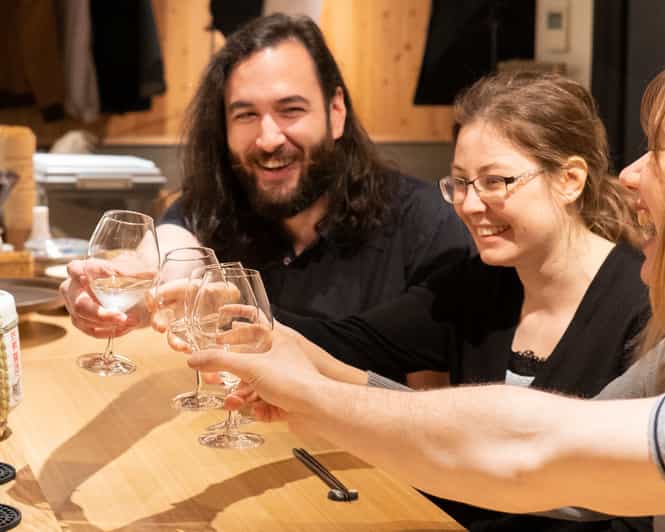
- Five sake styles tasted side by side, not random pours
- You build your own tasting chart as you go
- Japanese snacks are used for pairing practice, not as filler
- English live guide in a limited group of up to 10 people
- You get Tokyo recommendations to help you choose sake later
Where To Find Ushinobi Sake Bar in Shinjuku (and why it matters)
This experience happens at Ushinobi Sake Bar in Shinjuku, on the second floor. The closest station is Okubo (JB09), South Exit. When a venue entrance is a little hidden, it changes the whole start of the night—arriving early saves you from that mild stress of circling a building with a drink waiting inside.
The bar is not one of those obvious street-level spots. You’ll want to follow the directions you’re given, and use the venue finding tips before you walk over. If you’re doing this as part of a bigger Shinjuku day, give yourself a little extra buffer time so you can settle in.
Also note this is a tasting-focused plan, so you should think about how you’ll get back afterward. Transport isn’t included, and you’ll be drinking, so keep your route simple.
You can also read our reviews of more tours and experiences in Tokyo.



The 150-Minute Flow: What you actually do during the class
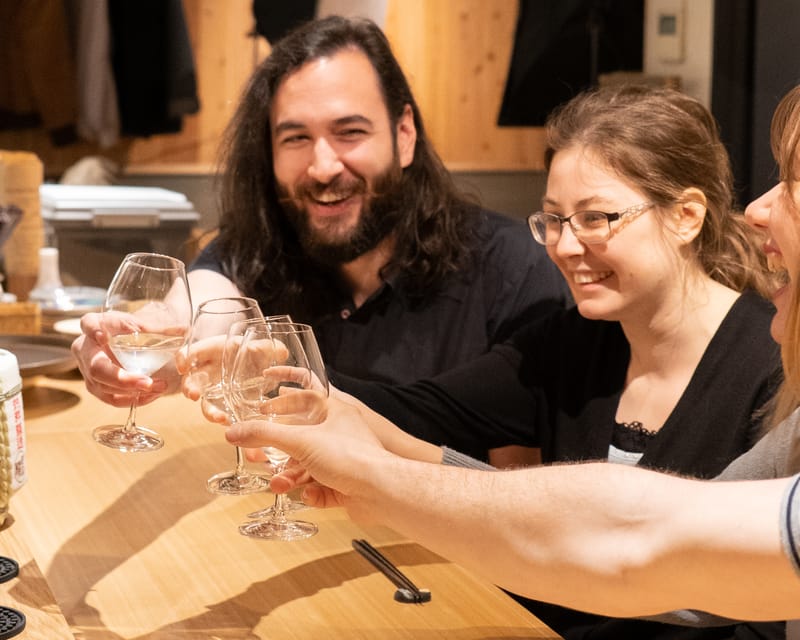
This session runs for 150 minutes, and it feels like a proper lesson with breathing room between pours. The pacing matters. You’re not just swallowing quickly to get through the flight. Instead, you taste, pause, talk about what’s happening, and then taste again with a clearer idea of what to look for.
In the first phase, you get introduced to sake in a way that makes it easier for beginners. If you’ve only had sake that tasted harsh or strongly alcoholic, you’ll be surprised how quickly that impression can change. The guide brings the idea that modern sake can look different even when the product comes from the same tradition.
Then comes the tasting portion. You’ll sample five different types of sake, and you’ll pair each one with Japanese snacks. As the lineup progresses, you’re building your own tasting chart—basically a memory tool that helps you compare styles when the flavors start to blur.
By the end, you should also feel more confident talking about sake. The tour wraps with local insights—stuff like what to try next and how Tokyo sake fans think about choosing a bottle. Even if you’re not a super drinker, you’ll leave knowing how to shop smarter.
Why the small group (up to 10) makes a difference

With a group of 10 participants maximum, you actually get to ask questions and hear the answers. I like this size because it stays social without turning into a lecture where only one person gets heard. It also means your guide can react to what you’re noticing, not just follow a script.
The English guide aspect matters too. If you’ve struggled before with restaurant “sake talk” that moves too fast, this setting gives you the time to catch up. People who are new often need a framework, and that’s what you get here: a way to categorize tastes so you can stop feeling lost.
The Five Sake Tastings: How to read style differences
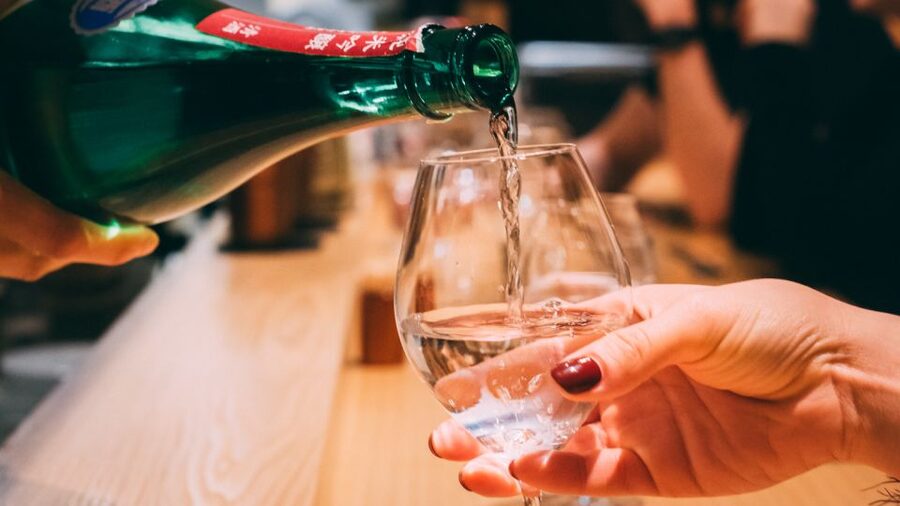
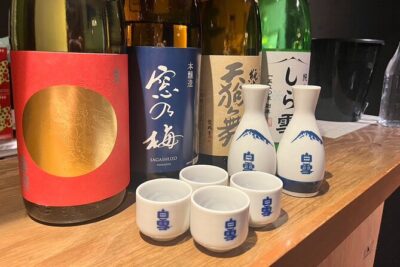
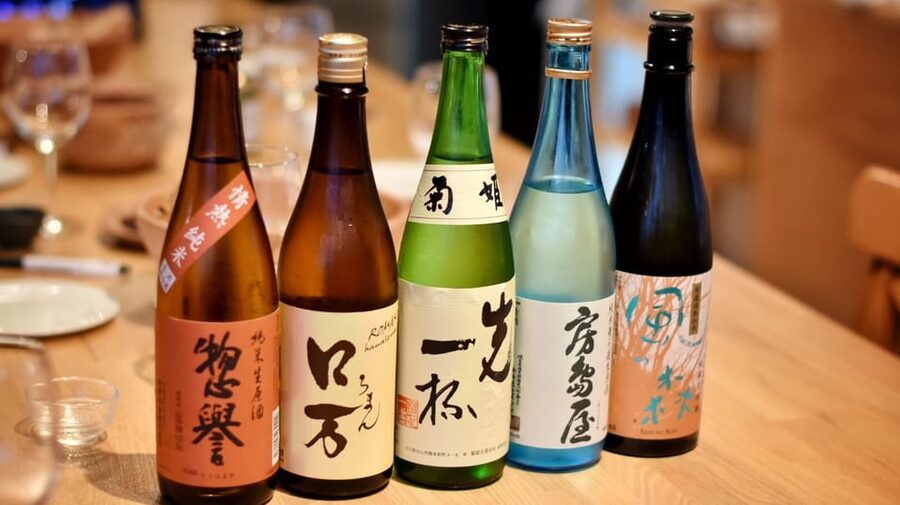
The star of the experience is the five-sake flight, drawn from breweries around Japan. You’re not just tasting one “kind” of sake and calling it a day. Instead, the variety is the lesson: you’ll feel how aroma, sweetness, acidity, and overall texture can shift from one style to the next.
Here’s how I’d use this for your own benefit. Don’t just rate what you like. While you taste, try to answer two questions in your head:
1) Does this taste finish dry or rounded?
2) Does the flavor feel light and crisp, or more full and mellow?
As you go, your tasting chart forces you to notice details instead of relying on vibes. That’s huge if you later buy sake and hope it matches the one you liked during the class. Your chart turns those “I think I liked it” memories into something you can recreate.
And if you normally avoid sake back home because of the strong kick, you’ll likely have a mindset shift. The whole point of tasting multiple styles is that sake isn’t one flavor. It’s a family of flavors, and some of them are way more approachable than you might expect.
Pairing with Japanese snacks: why it’s more than a side dish
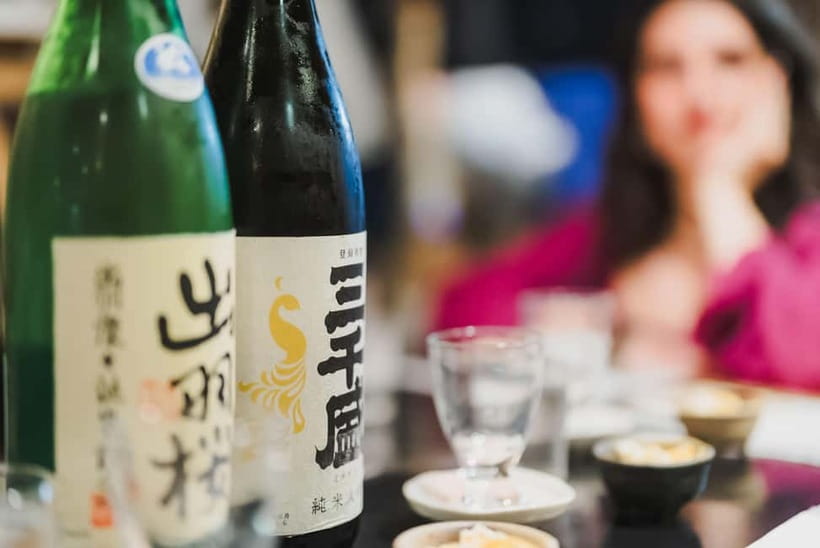
The class includes Japanese snacks, but not a full meal. That means the snacks are intentionally sized for pairing practice. You’re learning how food changes what you taste in sake, and how sake changes what you notice in the snack.
If you’ve ever wondered why the same drink tastes different in different settings, this is your answer. Snacks help highlight texture and balance—think salty, crunchy, or savory notes that make the sake’s character easier to detect. The snacks also keep the tasting experience comfortable, especially if you pace yourself across five pours.
One practical note: eat before you go. Multiple people mention the same theme—there’s plenty to drink, and snacks help, but you don’t get a full meal here. If you show up hungry, the whole experience can feel more about managing your stomach than enjoying the flavors.



Your own tasting chart: the best souvenir you can make
This is the part I think you’ll appreciate long after the last sip. You create your own sake tasting chart during the session. Instead of leaving with nothing but a vague memory and a slight buzz, you leave with a personal reference sheet.
Use it like this: after each sake, write down how it felt in three simple ways:
- Aroma (light, fruity, or more subdued)
- Taste impression (dry vs. rounded, smooth vs. sharper)
- Finish (short and clean, or lingering)
If you’re the type who usually forgets what you liked, this chart becomes your cheat code. Later, when you see a menu, you can compare what you remember to the style you tasted.
Meeting Tokyo sake lovers: tips you can use in real bars
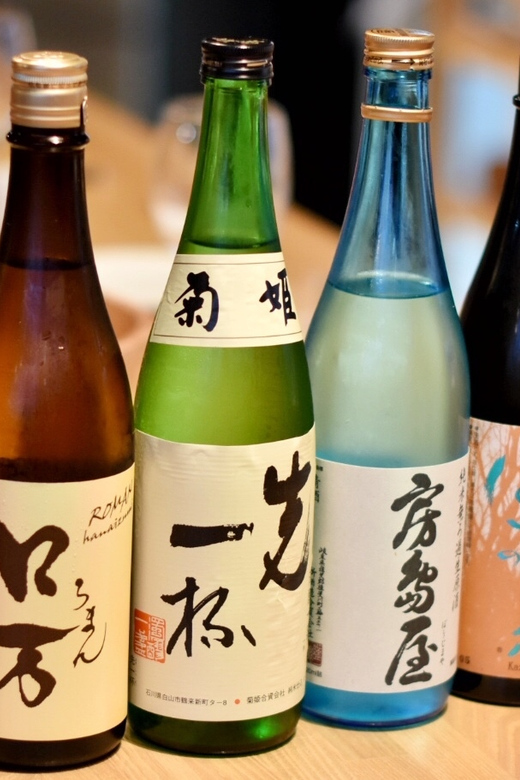
The experience isn’t just a one-way lesson. You also get the chance to meet Japanese sake lovers in Tokyo and pick up local tips. That kind of info is hard to get from a guidebook, because it’s based on what people actually order and talk about.
From what I’ve seen in similar tasting settings, this is where the “what should I do next?” questions get answered. You might learn what to look for when choosing sake at shops, or what kinds of pairings locals go for when they drink casually.
And if you’re lucky, you’ll get friendly guidance that matches your preferences—especially if you don’t usually like sake. Several past participants describe that they expected to dislike it but ended up enjoying it once they found styles that fit their taste.
Who this experience suits best (and who should skip it)
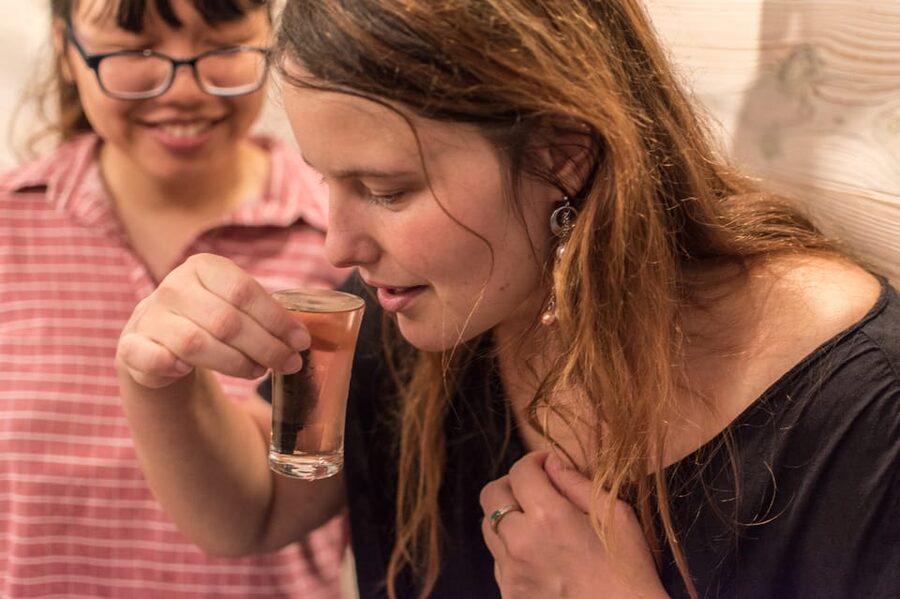
This class works well if you want an approachable introduction to sake and you enjoy learning by tasting. It’s also a solid match if you’ve had sake before and it didn’t click, because the format is designed to change your impression quickly.
It’s especially good for couples or friends who want a shared activity that isn’t just walking around. And because the group is small, you’ll feel included rather than like you’re watching someone else drink.
A key limitation: it’s not suitable for pregnant women, so check that before booking.
Price and timing: is $69 good value?
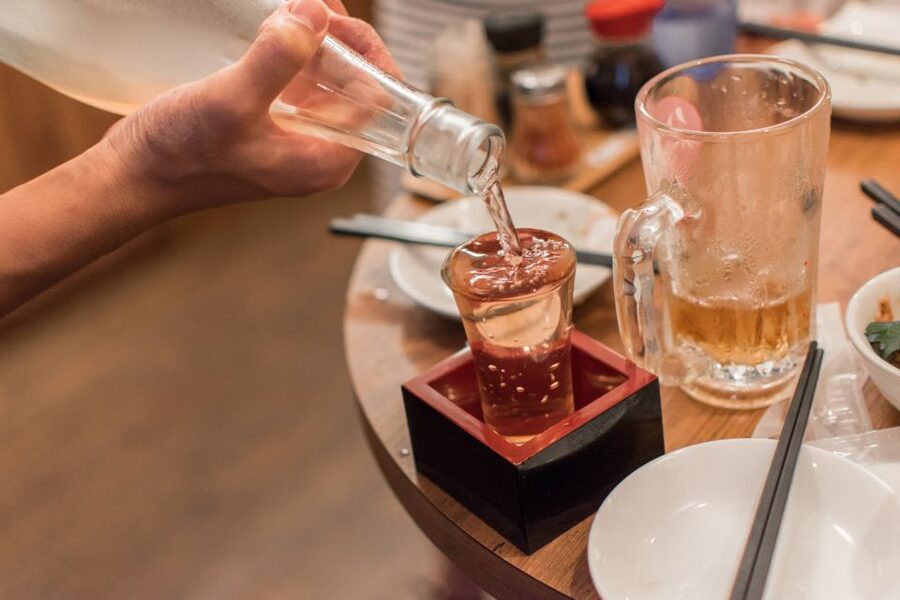
At $69 per person for 150 minutes, you’re paying for three things: guided instruction, five tastings, and snack pairing. This isn’t just paying for alcohol. You’re paying for someone to help you understand what you’re drinking, and that’s what makes the value click.
If you compare it to spending the same amount on random bottles at a bar with no context, this tour is usually the better deal. You get a structure (the chart), a comparison (five styles), and a translation into plain language (English guide).
Also, the time matters. Two and a half hours is long enough to taste thoughtfully and ask questions. Short tastings can feel rushed. This one is built to let your palate catch up to the lesson.
Quick planning tips for a smoother tasting day
If you want this to feel fun and not like a chore, do these basics:
- Eat before you go since it’s snacks, not a full meal
- Expect to drink across multiple pours, so plan your return
- Bring a clear note-taking setup for your tasting chart (even if it’s provided, you can personalize how you track flavors)
- If you have allergies or dietary restrictions, tell the supplier in advance so they can adjust how they handle snack pairing
Should You Book This Sake & Food Pairing Session?
If you want a practical introduction to sake in English, with five tastings, pairing snacks, and a real tasting chart you can use later, this is an easy yes. The small group size and the guided style make it friendly for beginners, and the format is ideal if your first impression of sake was too harsh or too one-note.
Skip it only if you’re specifically looking for a full sit-down meal, or if the drink time could be a problem for your plans. Also keep in mind the second-floor entrance in Shinjuku—arrive with a little time cushion and you’ll enjoy the experience more.
If you’re excited to taste your way into better sake choices, book it.
FAQ
How long is the sake tasting and pairing experience?
The experience lasts 150 minutes.
What does the ticket price include?
You get sake tastings and Japanese snacks. It is not a full meal.
How many different types of sake will I try?
You will taste five different types of sake.
Where is the meeting point in Shinjuku?
You meet at Ushinobi Sake Bar, Shinjuku. The closest station is Okubo (JB09), South Exit, and you enter directly on the 2nd floor.
Is transportation included?
No. Transport is not included.
Is the tour guide available in English?
Yes. The live tour guide offers the experience in English.
What’s the group size?
It’s a small group with a maximum of 10 participants.
Is this experience suitable during pregnancy?
No. It is not suitable for pregnant women.