REVIEW · TOKYO
Tokyo: Sushi and Ramen Cooking Class with Sake Pairing Set
Book on GetYourGuide →Operated by Sushi Making Japan | Cooking Class in Japan · Bookable on GetYourGuide
Three hours, two icons of Japanese comfort.
This Tokyo sushi and ramen cooking class is built around hands-on technique, from making ramen broth to forming nigiri the traditional way. I like that you’re not just watching a show—you’re doing the work. I also like the added sake pairing, which turns your meal into a real lesson in how Japanese flavors fit together.
One catch: it’s not suitable for vegans or vegetarians, since the class focuses on ramen and chashu-style pork belly plus standard nigiri ingredients.
In This Review
- Key Things to Know Before You Go
- Tsukishima Location: Getting There Without Stress
- The 3-Hour Rhythm: How a Small Class Stays Fun
- Ramen From Scratch: Broth Flavor + Chashu Texture
- Nigiri Sushi by Hand: Learning the Shape and the Why
- Sake Pairing Set: Three Tastings That Change How You Taste
- What You Take Home: Recipe Booklet + Chopsticks Souvenir
- Who This Class Suits Best (and Who Should Skip)
- Price and Value: Is $129 Reasonable?
- Before You Go: Simple Tips That Improve Your Experience
- Should You Book This Tokyo Sushi and Ramen Class?
- FAQ
- What dishes will I learn to make?
- How long is the cooking class?
- How big is the group?
- Is sake tasting included?
- What’s included in the price?
- Is hotel pickup included?
- Where do I meet the group?
- What should I wear?
- Is this class suitable for vegetarians or vegans?
Key Things to Know Before You Go
- Small-group, high-attention setup: kept to about four participants, capped at 8, so you’ll get feedback instead of crowd-watching.
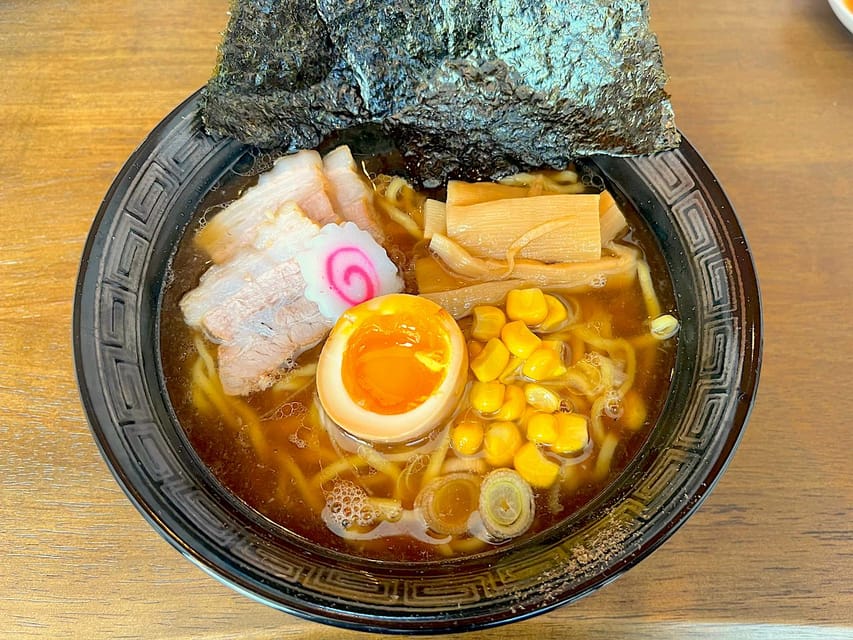
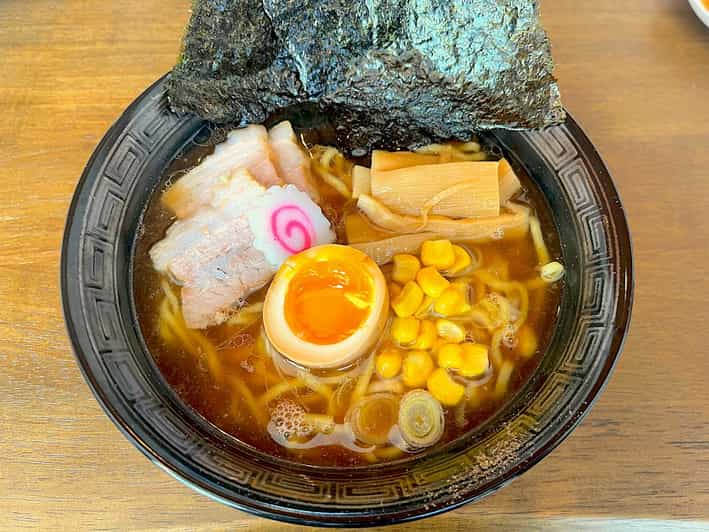
- Ramen soup from scratch: guidance for building a flavorful broth and making chashu pork belly.
- Nigiri, hand-formed: you’ll learn how nigiri is shaped using provided tools and ingredients.
- Three sake tastings: included, selected by a certified sake sommelier.
- Take-home instructions: a recipe booklet designed to help you recreate ramen, gyoza, and sushi at home.
- Local-kitchen vibe at HAUS Tsukishima: a cozy meeting spot a quick walk from Tsukishima Station.
Tsukishima Location: Getting There Without Stress
You’ll meet at the 2nd Floor, HAUS Tsukishima at 2-13-5 Tsukuda, Chuo-ku, Tokyo. The practical win here is the transit access: it’s a 5-minute walk from Exit 4 of Tsukishima Station (Y21), so you won’t burn your energy hunting for the place.
This neighborhood is a nice change from the postcard-hype zones. Tsukishima feels like Tokyo living—shops, narrow streets, and that sense that you’re doing an activity with locals, not just passing through. If you’re arriving by taxi, the venue address is provided in Japanese, which makes it easy for drivers to plug in.
You can also read our reviews of more tours and experiences in Tokyo.


The 3-Hour Rhythm: How a Small Class Stays Fun
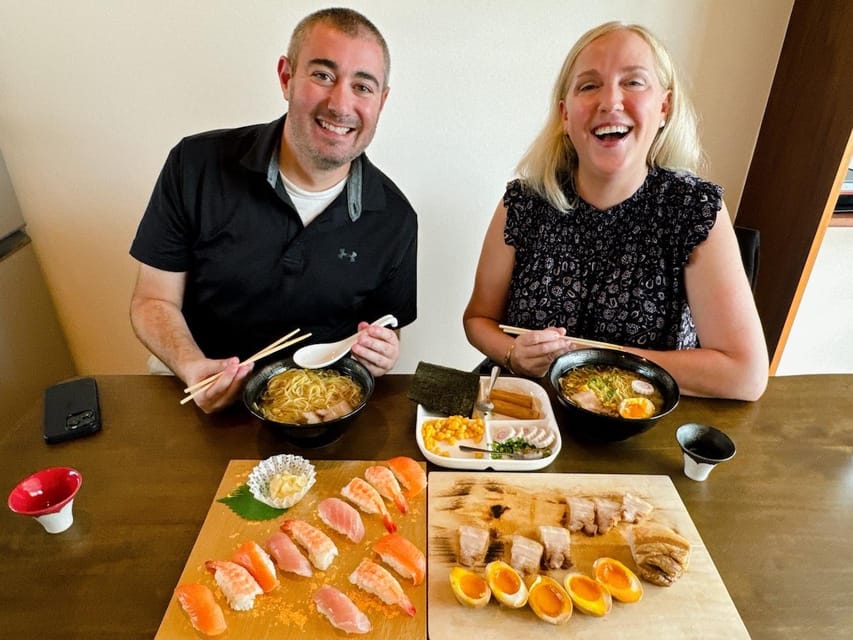
The class runs 3 hours, and the way it’s structured matters. With a small group (about four participants, up to 8), you’re more likely to get corrections while your hands are still on the food. That’s the difference between learning and simply completing tasks.
You can expect an English-speaking instructor to guide you step-by-step, with plenty of hands-on time. From the way the sessions are described, it sounds like some prep is handled ahead of time so the class doesn’t feel rushed. That’s a big deal for ramen, where timing affects flavor, and for sushi rice work, where technique matters more than speed.
Also, instructors are friendly and supportive—names that show up in participant notes include Sato, Haruko, Risa, Alisa, Alex, Misa, and Luna. If you’re thinking about taking this as a first cooking class in Japan, the tone you’re shown is the point: learning is the activity, not performing.
Ramen From Scratch: Broth Flavor + Chashu Texture
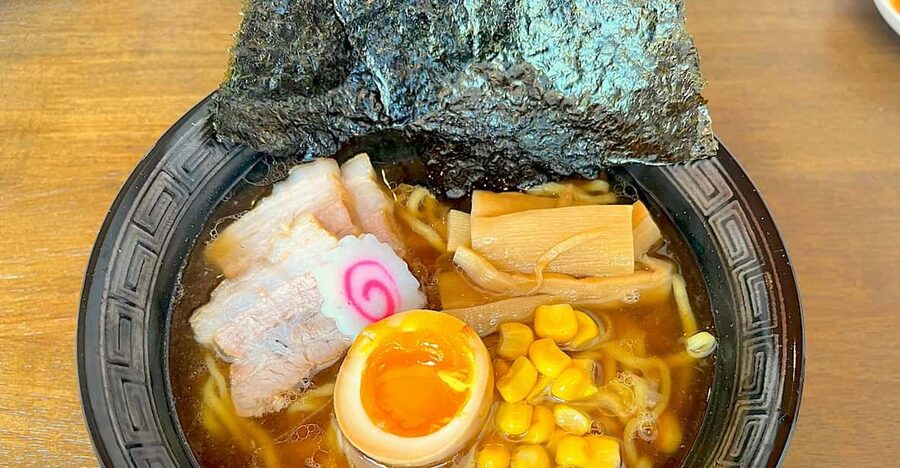
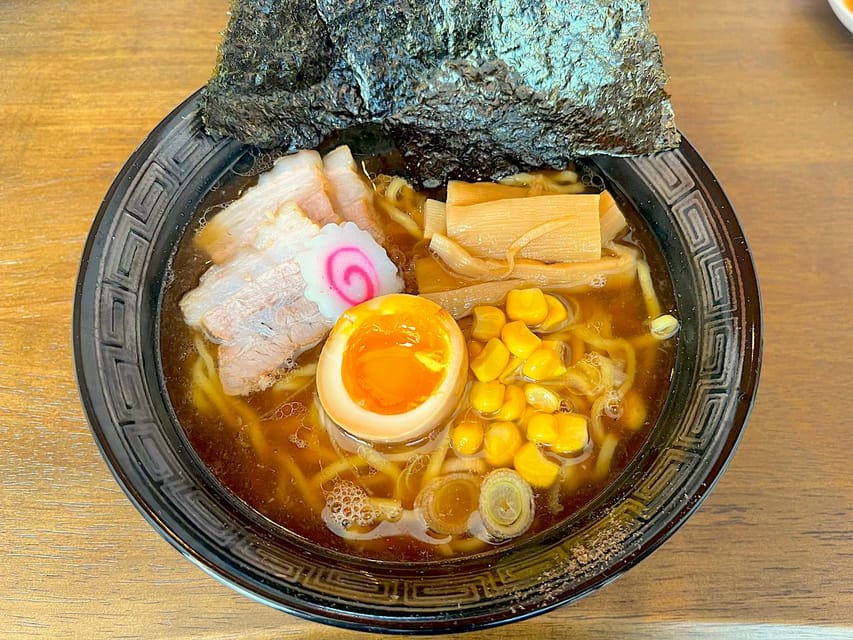
Ramen is where this class earns its keep. You’ll get authentic ramen-making guidance, including how to create a rich broth from scratch. That matters because most people can buy noodles almost anywhere, but broth is where you get the real Tokyo magic.
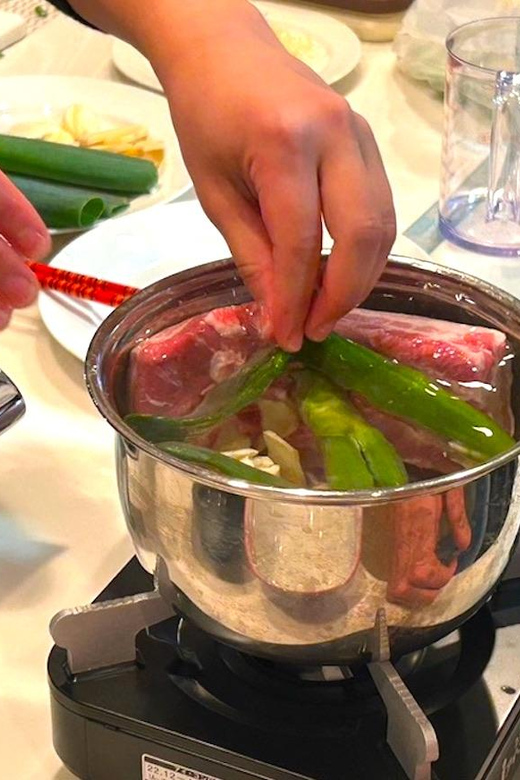
You’ll also learn how to make chashu, described as a type of pork belly. The value isn’t just that you’ll taste chashu at the end—it’s that you’ll understand what makes it work. In ramen, the broth and toppings aren’t separate. The broth gives depth; the chashu adds fat and a soft, tender bite that makes the whole bowl feel balanced.
Practical takeaway: if you cook at home, you’ll have a clearer sense of what to adjust next time—broth strength, seasoning direction, and how to treat the pork so it stays tender. The class also includes ingredient tips and substitutions for overseas cooking, which is huge if you’re not shopping in Japanese supermarkets every day.
Nigiri Sushi by Hand: Learning the Shape and the Why
Next comes nigiri sushi preparation, with provided ingredients and tools. The core skill you’re practicing is hand-forming nigiri, which sounds simple until you actually try to make it consistent. That’s why a teaching moment here is valuable: you’re learning how the fish and rice interact, and how the rice texture changes the feel of the bite.
There’s also cultural context built in. The class is designed to cover the origins of sushi and then connect that history to what you’re doing with nigiri. That makes the technique stick better. You’re not just memorizing steps—you’re understanding why the structure matters.
For beginners, this is a smart choice because instructors are focused on making the steps accessible. For more experienced home cooks, it’s still worthwhile because nigiri has small details—rice pressure, forming habits, and timing—that can be hard to correct without a guide.
Sake Pairing Set: Three Tastings That Change How You Taste

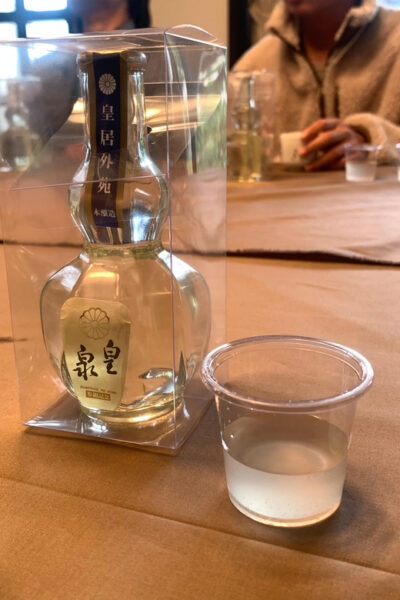
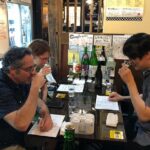
One of the standout add-ons is the curated sake tasting. You’ll enjoy three premium Japanese sakes selected by a certified sake sommelier. That’s not filler. Pairing sake with food is a different lens for Japanese flavors, and it helps you notice how acidity, sweetness, and aroma shift with ramen and sushi.
And you’re not limited to sake only. Some participant notes also mention beer and sake options during the experience. Even without over-promising exact choices, the intent is clear: you’re tasting alongside what you made, not just sipping quietly.
What I like about adding sake here is the timing. Eating your own ramen and sushi while tasting helps you connect the lesson immediately. It also keeps the class from feeling like a skills workshop that ends in a sad aftertaste. Instead, it turns into a meal with momentum.


What You Take Home: Recipe Booklet + Chopsticks Souvenir
You’ll leave with a professionally designed recipe booklet. This isn’t just a list of ingredients—it’s a guide with detailed instructions for recreating ramen, gyoza, and sushi at home. That’s especially useful because ramen can be intimidating, and gyoza often trips people up on folding technique and filling balance.
The class also includes a souvenir pair of high-quality chopsticks. It’s not just a trinket. If you actually cook Japanese food after the class, those chopsticks become part of your kitchen routine—small reminder that you learned this with real guidance.
Who This Class Suits Best (and Who Should Skip)
This is a great fit if you want a hands-on Japan experience that still feels organized and friendly. I’d especially recommend it if:
- You’re interested in both sushi and ramen and want to learn how they’re built, not just how they taste.
- You’d like an English-speaking instructor to explain technique and cultural context.
- You prefer a small group where questions don’t get lost.
It’s not suitable for vegans or vegetarians, since the class focuses on ramen and chashu pork belly plus standard nigiri ingredients.
Also consider it if you like the idea of pairing food with drinks like sake. That extra layer is one of the reasons this class feels more complete than a basic cooking demo.
Price and Value: Is $129 Reasonable?
At $129 per person for a 3-hour small-group class in central Tokyo, the value depends on what you compare it to. If you were planning to spend that amount on a casual dinner plus a separate activity, this usually wins because it includes more than a meal.
Here’s what’s built into the price:
- Hands-on sushi making and ramen cooking
- All necessary ingredients
- An English-speaking instructor
- Three sake tastings from a certified sake sommelier
- A recipe booklet
- A chopsticks souvenir
That’s a lot of included value for one time block. And because the group size is small (around four, capped at 8), you’re paying for instruction quality, not just access to a kitchen.
Could it feel pricey if you only care about eating? Sure. But if you want technique you can repeat—and you want the sake lesson and the take-home booklet—$129 starts to make sense fast.
Before You Go: Simple Tips That Improve Your Experience
Wear comfortable clothes that you don’t mind getting a bit dirty. Cooking rice, working with ingredients, and handling kitchen tools can get messy in a normal way.
Arrive about 5 minutes early. That buffer helps you settle in, meet your group, and get instructions without feeling rushed.
If you’re sensitive to dietary limitations, this is worth planning around. The class is explicitly not suitable for vegans or vegetarians, so choose another activity if that matters to you.
Should You Book This Tokyo Sushi and Ramen Class?
If you’re looking for a Tokyo experience that mixes real food skills, cultural context, and a meal you genuinely understand, I think this one is easy to recommend. The combination of ramen from scratch, chashu guidance, and hand-formed nigiri is a smart pairing for anyone who loves both comfort foods.
I’d book it if you want:
- A small-group feel with active instruction
- Included sake tasting as part of the meal experience
- A practical take-home recipe booklet you’ll use
Skip it if you’re vegan or vegetarian, or if you’d rather spend your time only eating than learning technique.
FAQ
What dishes will I learn to make?
You’ll learn how to make ramen soup and chashu pork belly, plus how to prepare nigiri sushi.
How long is the cooking class?
The class is 3 hours.
How big is the group?
It’s a small group limited to about four participants, with a maximum of 8.
Is sake tasting included?
Yes. You’ll enjoy three premium Japanese sakes chosen for you, with selection done by a certified sake sommelier.
What’s included in the price?
The experience includes sushi making, ramen cooking, all necessary ingredients, and an English-speaking instructor (plus the sake tasting and take-home items described in the inclusions).
Is hotel pickup included?
No. Hotel pickup and drop-off are not included.
Where do I meet the group?
You’ll meet at 2nd Floor, HAUS Tsukishima, 2-13-5 Tsukuda, Chuo-ku, Tokyo 104-0051, about a 5-minute walk from Exit 4 of Tsukishima Station (Y21).
What should I wear?
Wear comfortable clothes that you don’t mind getting a bit dirty.
Is this class suitable for vegetarians or vegans?
No. It is not suitable for vegans or vegetarians.