REVIEW · TOKYO
Sake Pairing Workshop with Japanese Food in Shinjuku
Book on Viator →Operated by Alva Japan Tours 🇯🇵 · Bookable on Viator
A quick way to get serious about sake. This hands-on sake pairing workshop in Shinjuku pairs guided tastings with a real Japanese dinner, so the lessons stick while you eat. I like the step-by-step approach to kanpai etiquette and how temperature changes flavor, plus the fact that you’re tasting alongside food instead of sampling in isolation.
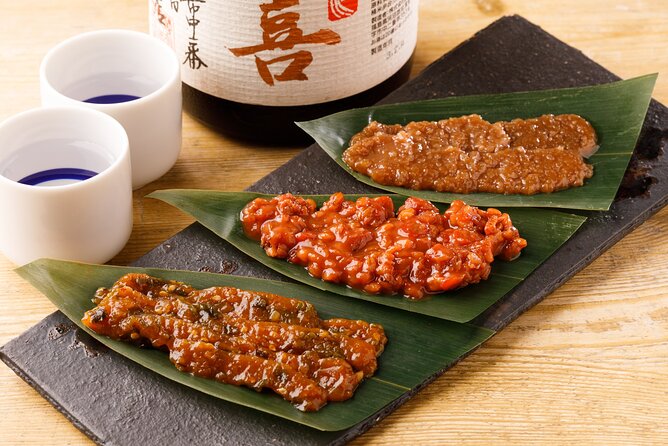
You also get a very practical pairing format: a guided flight that connects specific sakes to specific bites like Chicken Nanban and miso-butter dishes. I like that the bilingual expert explains the why, not just the what, so you can make better choices later when you’re ordering on your own.
One consideration: it’s an alcohol-focused experience, with an all-you-can-drink menu, so if you prefer soft drinks only, pace yourself early and don’t feel pressured to finish everything.
In This Review
- Key highlights at a glance
- Shinjuku sake lessons: why this works better than a basic tasting
- The 2-hour flow: how the workshop fits into your day
- Meeting at H&M Shinjuku: a practical start point
- Sake fundamentals you’ll actually use: aroma, kanpai, and temperature
- Kanpai etiquette, explained simply
- Temperature changes flavor, not just warmth
- Learn to taste in a way that sticks
- Savory pairing portion: Chicken Nanban and miso-butter matches
- Why Chicken Nanban works with crisper sake
- Why miso-butter needs a fuller hand
- The meal is the lesson
- The creamy and sweet finale: nigori, sea urchin croquettes, and taiyaki
- Nigori sake with Sea Urchin Cream Croquettes
- Fried Vanilla Taiyaki with sweet sake
- All-you-can-drink: 20 sakes plus beer and soft drinks
- Use the freedom, don’t just collect sips
- How this helps you later
- The guide experience: interactive, bilingual, and small-group paced
- Price and value: what $73.17 buys you in Shinjuku
- Who this suits best (and who should reconsider)
- Should you book this Shinjuku sake pairing workshop?
- FAQ
- How long is the sake pairing workshop?
- Where does the workshop meet?
- What’s included in the price?
- How many sakes are available on the all-you-can-drink menu?
- Is there a guided tasting flight?
- What food is paired with the sake?
- What is the group size like?
- Is the tour easy to reach using public transportation?
- Do I need to bring a printed ticket?
- Can I get a refund if my plans change?
- Should you book this Shinjuku sake pairing workshop?
Key highlights at a glance
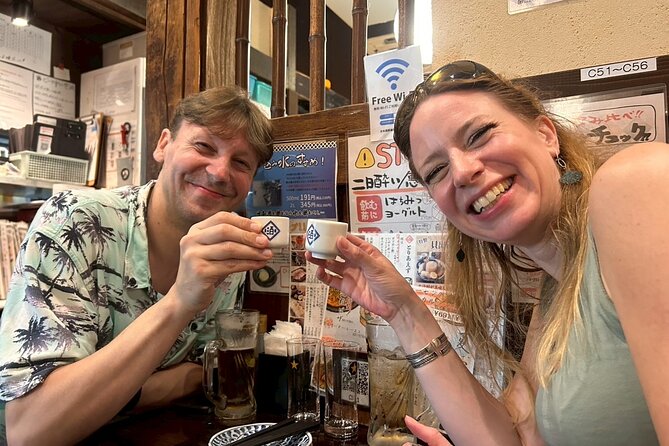
- Kanpai etiquette and temperature tricks that change how rice-based aromas read on your palate
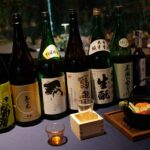
- Guided 4-sake flight matched to the meal, with an explanation of the pairing logic
- Chicken Nanban, miso-butter dishes, sea urchin croquettes, and taiyaki built into the course dinner
- Nigori sake plus creamy bites in the middle of the meal, when textures matter most
- All-you-can-drink menu of 20 sakes plus beer and soft drinks, so you can keep exploring
- Small group size (max 12), which keeps the tasting flowing instead of feeling rushed
Shinjuku sake lessons: why this works better than a basic tasting
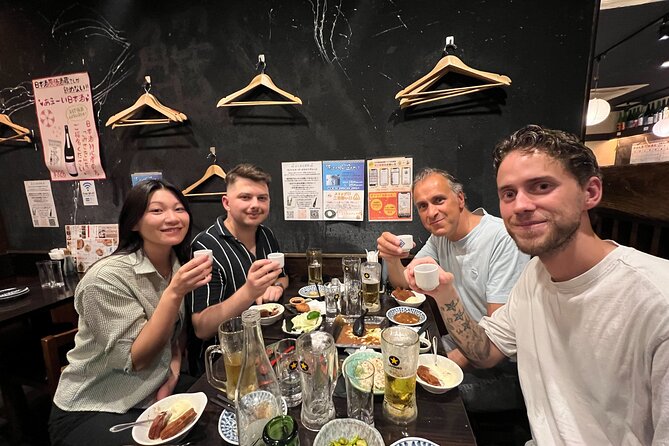
Sake can feel mysterious until someone gives you a way to taste it. This workshop is built for that moment. You’re not just trying a few cups and hoping it clicks. You’re learning how to notice aroma, how to read sweetness and acidity, and how temperature can shift what you think you’re tasting.
Shinjuku is a good setting because you’ll leave with more than flavor memories. You’ll leave with ordering confidence. The guide also points you toward how to interpret Japanese labels, which helps you translate what you see in shops and restaurants long after the workshop ends.
The other thing I appreciate is the format. You’re eating an actual meal course, not tiny, random bites. That matters because sake often tastes best when it has something specific to bounce off.
You can also read our reviews of more tours and experiences in Tokyo.
The 2-hour flow: how the workshop fits into your day
The experience runs about 2 hours, which is a sweet spot for Tokyo. Long classes can blur into dinner plans; very short tastings can feel like trivia. This one holds a middle rhythm: short instruction, guided tasting flights, and then a food course with pairings.
Even without a long schedule, the structure is clear:
- You start with sake fundamentals and tasting etiquette (including kanpai)
- Then you move into savory pairings with food linked to sakes
- After that, you hit the creamy and sweet segment (about 30 minutes)
- You finish with unlimited access to a bigger list of drinks so you can keep experimenting
And yes, it’s a guided experience with a group capped at 12. That group limit is what helps the tasting feel interactive instead of like standing in line.
Meeting at H&M Shinjuku: a practical start point
The workshop meets at H&M 3-chōme-5-4 Shinjuku, Shinjuku City, Tokyo 160-0022 and returns to the same spot. It’s a useful detail because it reduces the mental load. You’re not guessing where to end up after dinner and drinks.
It also means you can slot this into a bigger Shinjuku evening plan. Do it earlier in the day if you want the rest of Tokyo to feel calm. Or do it in the late afternoon if you want it to become your first real meal.
Sake fundamentals you’ll actually use: aroma, kanpai, and temperature
This is where the workshop earns its keep. You’ll get the essential tools before you start pairing like a pro.
Kanpai etiquette, explained simply
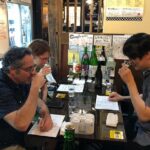
The guide covers the basics of kanpai etiquette. Even if you already know the word, etiquette is more than just a phrase. It’s part of how you read the room and understand the pace of a Japanese meal. You’ll feel more at ease the moment you’re holding your cup.
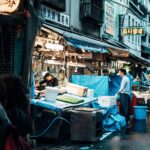
Temperature changes flavor, not just warmth
One of the most practical lessons is how temperature shifts sake flavor. Warm versus cold doesn’t just change comfort—it changes aroma intensity and how sweetness or acidity comes across.
If you’ve ever had the feeling that sake tastes different from one place to another, this is why. The workshop teaches you to expect that difference instead of treating it as inconsistency.
Learn to taste in a way that sticks
You’re guided through the tasting process, including noticing aroma. That’s useful because sake isn’t only about taste. The nose matters. Once you learn to separate smell from sip, you’ll start picking up patterns like:
- crisp styles feeling sharper when served cold
- softer styles reading creamier in the right match
- sweeter styles standing out more when the food supports them
Savory pairing portion: Chicken Nanban and miso-butter matches
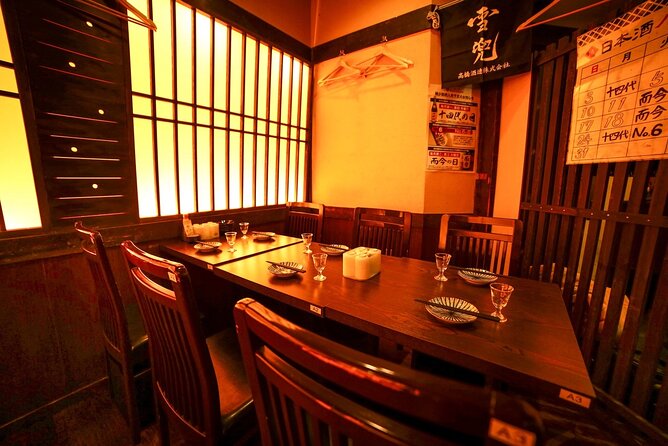
The savory stage is where you start seeing sake as a food partner, not a separate drink category.
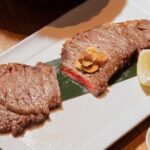
You’ll pair crisp sakes with Chicken Nanban and match richer sakes with miso-butter dishes. The key is that the guide explains the reasoning. That transforms the experience from sampling into learning.
Why Chicken Nanban works with crisper sake
Chicken Nanban has tangy elements and a savory bite. Crisp sake tends to cut through the heavier fried textures and keeps the flavor from turning flat. When the guide walks you through what to notice, you’ll start tasting acidity and how it interacts with the sauce.
Why miso-butter needs a fuller hand
Miso-butter has depth and richness, and it can overwhelm delicate sips. Pairing it with a richer brew helps create balance instead of competition. This part is useful if you plan to order sake at dinner later—you’ll know how to think about structure: crisp versus rich.
The meal is the lesson
Because the food is part of the pairing course, you don’t have to remember theory. You taste it, then you eat it, and the connection lands faster.
The creamy and sweet finale: nigori, sea urchin croquettes, and taiyaki
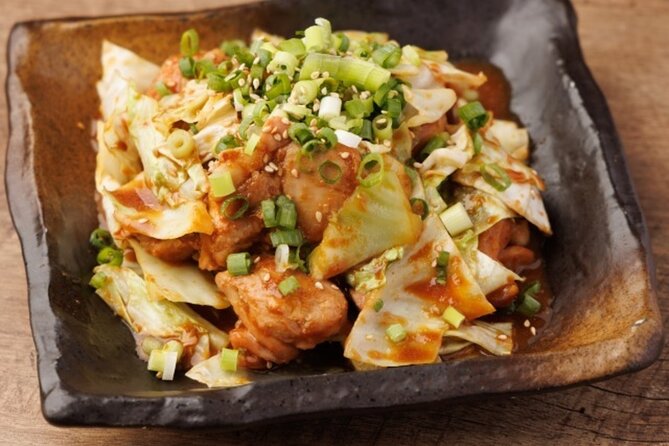
About halfway through the experience, you hit the Creamy & Sweet (30m) segment. This is a smart design move. Many tasting events front-load the easiest flavors and save the tricky stuff for last. Here, you get texture and sweetness as a planned arc.
Nigori sake with Sea Urchin Cream Croquettes
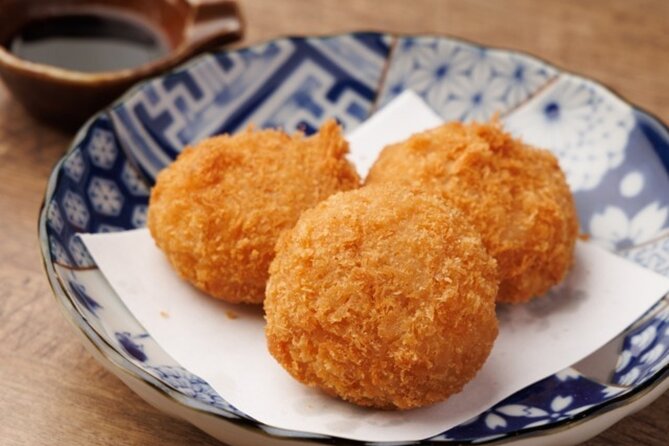
You’ll try Nigori sake with Sea Urchin Cream Croquettes. Nigori is typically cloudy and often reads softer and creamier, which makes it a natural partner for a rich, custardy bite.
The learning moment here is texture matching. When creamy food meets something with weight, you stop chasing harshness and start tasting smoothness and subtle sweetness.
Fried Vanilla Taiyaki with sweet sake
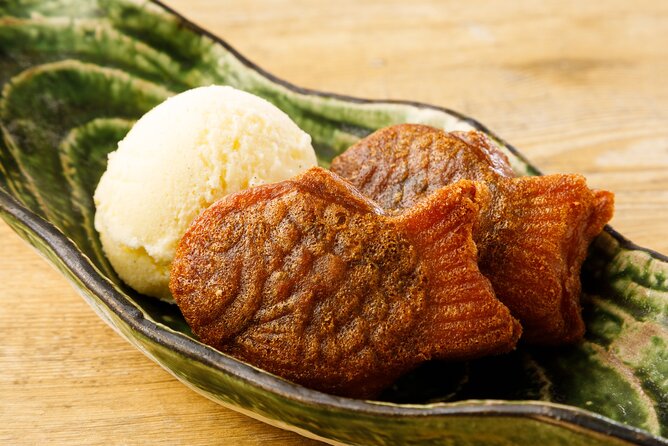
Then comes the finish: Fried Vanilla Taiyaki paired with a sweet sake. The idea is clear—dessert sake shouldn’t be forced to fight sugar and aroma. Matched sweetness creates a clean ending, so the last sip feels like part of the dessert, not an afterthought.
If you only remember one thing from the workshop, I hope it’s this: sake can be dessert-friendly, but you need to pick the style that matches the food’s sweetness.
All-you-can-drink: 20 sakes plus beer and soft drinks
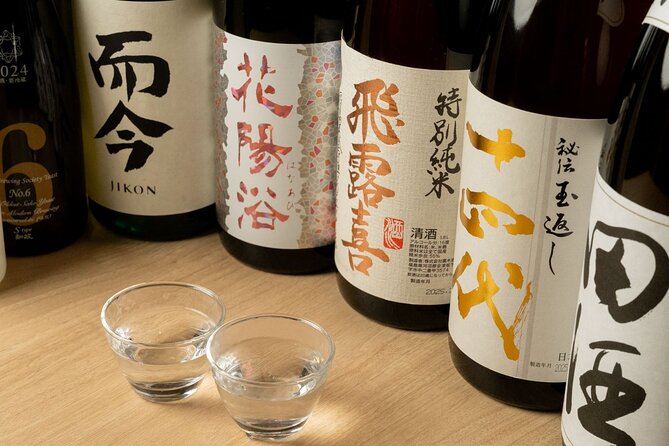
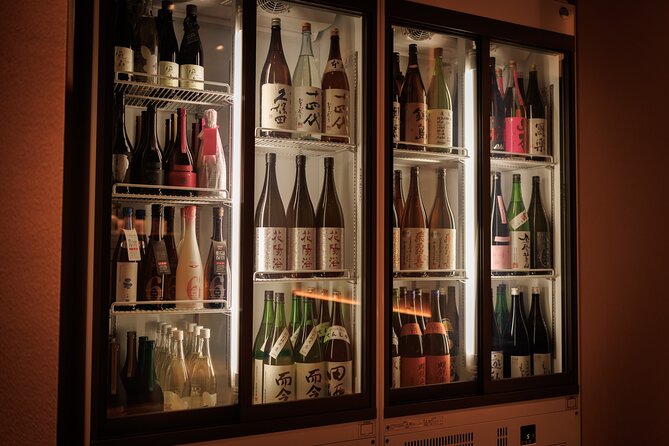
The unlimited part is where you decide how adventurous you want to be. The menu includes 20 sakes, with beer and soft drinks also available.
Use the freedom, don’t just collect sips
With unlimited options, it’s easy to turn the experience into random sampling. A better approach is to stick with a theme for each round. For example:
- start crisp and dry, then move toward fuller styles
- repeat a style you liked and compare it warm versus cold if that option is offered during your tasting flow
- use the food course as your guide: don’t pick a sweetness-heavy pour if the bite in front of you is already rich
How this helps you later
This isn’t only about drinking more. The guide also teaches you how to read Japanese labels, which means your next izakaya or liquor shop run gets easier. Instead of guessing, you can interpret what you’re being served.
The guide experience: interactive, bilingual, and small-group paced
The workshop is led by a bilingual expert. In one standout account, the guide was Anika, and the session leaned into history and varieties alongside pairing logic. That combination matters: if you understand where different styles come from, you taste them with more context.
Small group size (up to 12) keeps the tone friendly. You’re not just waiting for the next pour. You can ask questions and adjust your pace based on what you’re tasting.
If you’re the type who learns best by talking through flavor and food choices, this format is a good fit. If you want a silent, museum-style tour, you may find the back-and-forth a little lively.
Price and value: what $73.17 buys you in Shinjuku
At $73.17 per person for about 2 hours, the value is strongest because the price includes both dinner and a meaningful drink program:
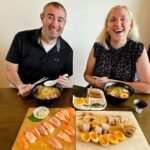
- a course meal (Chicken Nanban, croquettes, taiyaki, and more)
- a 4-sake tasting flight
- all-you-can-drink access to 20 sakes
- plus beer and soft drinks on the menu
This is different from a “taste a few things” event where you pay mainly for the pours. Here, the dinner is part of the learning, and the unlimited menu turns the tasting into a guided food-and-drink dinner experience.
You also have a practical timing advantage. When you’re in Tokyo, time is money. Two hours for dinner plus tasting is efficient, and Shinjuku makes it easy to fit into the rest of your day.
Who this suits best (and who should reconsider)
This workshop is ideal if you:
- like food pairings and want to learn the why, not only the names
- enjoy Japanese cuisine and want to understand how sake changes with temperature
- want a guided way to order better sake in the future (label reading helps)
- are comfortable with alcohol, at least in moderation, since it’s an all-you-can-drink format
You might want to reconsider if you:
- avoid alcohol and don’t want a tasting-heavy experience
- get overwhelmed by choices and prefer very structured, limited menus
- are looking for a long cultural tour where you walk around for most of the time (this is still mostly tasting and dining)
Should you book this Shinjuku sake pairing workshop?
If you want a hands-on sake + Japanese dinner experience that teaches you how to taste and how to order afterward, I think it’s an easy yes. The biggest reason: you’re not learning sake as a standalone drink. You’re learning it next to real foods like Chicken Nanban, miso-butter dishes, sea urchin cream croquettes, and taiyaki. That’s how the lessons stick.
Book it if you’re in Shinjuku and you want a compact, high-reward dinner plan with small-group guidance and lots of sake to compare. If you’re alcohol-averse, plan on sticking to beer/soft drinks and go slow with the sake portion.
FAQ
How long is the sake pairing workshop?
It lasts about 2 hours.
Where does the workshop meet?
It starts at H&M 3-chōme-5-4 Shinjuku, Shinjuku City, Tokyo 160-0022, Japan and ends back at the meeting point.
What’s included in the price?
The experience includes a course dinner (such as Chicken Nanban, croquettes, taiyaki, etc.) and an all-you-can-drink plan with a 4-sake flight.
How many sakes are available on the all-you-can-drink menu?
The menu includes 20 sakes, plus beer and soft drinks.
Is there a guided tasting flight?
Yes. You’ll have access to a 4-sake flight as part of the experience.
What food is paired with the sake?
The meal includes pairings involving Chicken Nanban, miso-butter dishes, sea urchin cream croquettes, and fried vanilla taiyaki.
What is the group size like?
The experience has a maximum of 12 travelers.
Is the tour easy to reach using public transportation?
Yes. The meeting point is described as near public transportation.
Do I need to bring a printed ticket?
No. It uses a mobile ticket.
Can I get a refund if my plans change?
Yes. You can cancel up to 24 hours in advance for a full refund. If you cancel less than 24 hours before the start time, the paid amount is not refunded.
Should you book this Shinjuku sake pairing workshop?
Book it if you want one evening that turns sake from confusing to clear, using food you can taste right away. The pairing flight plus a course dinner plus an all-you-can-drink menu of 20 sakes is strong value for Shinjuku, especially if you like guidance and want to order better on your own afterward.