REVIEW · NAGANO
1-Day Winter Tour From Nozawa Onsen: Snow Monkeys, Zenko-ji Temple & Sake
Book on Viator →Operated by Snow Monkey Resorts Tours (Machinovate Japan Ltd.) · Bookable on Viator
Snow monkeys and sake in one winter day. I love the close-up feeling at Jigokudani Snow Monkey Park and the help from an English-speaking guide who keeps the whole day running smoothly. I also like that you warm up with lunch at Japanese Dining GOEN before heading to Zenko-ji. The main drawback is the wintry 1.6 km forest walk—icy ground is part of the deal, so you’ll want proper boots and a patient pace.
This is a classic Nagano winter sampler: monkeys in hot springs, a major temple stop, and local sake to finish. It runs about 8 to 9 hours, includes transport from and back to Nozawa Onsen, and caps at 44 people—small enough to feel organized, not chaotic. You’ll get a mobile ticket, and confirmation comes within 48 hours (subject to availability).
You’ll also see why this route works in winter: it’s timed for sightseeing, but it’s still realistic about weather. End time can shift due to road conditions, and there’s no absolute guarantee about monkeys coming to the bathing area every day.
In This Review
- Key highlights that matter (not just nice extras)
- A timed winter circuit from Nozawa Onsen (8–9 hours)
- Jigokudani Snow Monkey Park: no barriers, clear rules
- Winter-ready footwear for the 1.6 km forest trail
- Japanese Dining GOEN lunch: warm comfort mid-journey
- Zenko-ji in cold weather: Nagano’s spiritual core
- Nishinomon-Yoshinoya sake brewery tasting: finish with something local
- Price and value: what about $150.89 buys you
- Who this tour suits best (and who should rethink it)
- Should you book this 1-day winter tour?
- FAQ
- How long is the 1-Day Winter Tour From Nozawa Onsen?
- Does the tour include transport from and back to Nozawa Onsen?
- What’s included at the snow monkey park?
- Is lunch included, and where is it?
- Is Zenko-ji Temple admission fully included?
- Does the tour include sake tasting?
- What should I wear for winter walking at the monkey park?
- Are there barriers between visitors and the monkeys at Jigokudani?
- Can I cancel for a full refund?
Key highlights that matter (not just nice extras)
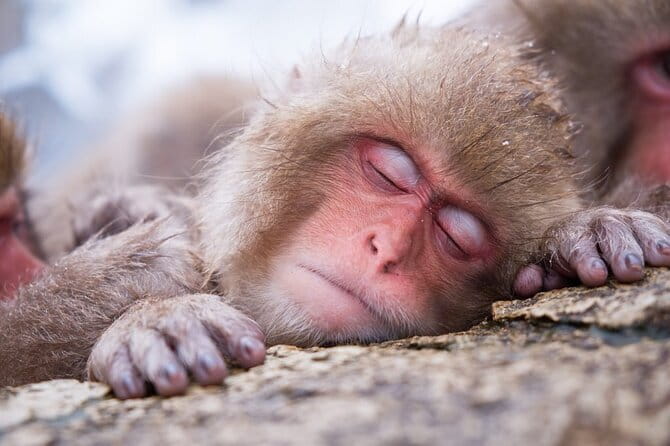
Close viewing at Jigokudani with strict distance rules (no barriers; you keep 1–2 meters)
A proper winter lunch stop at Japanese Dining GOEN to reset your energy
Zenko-ji Temple guided visit at one of Japan’s oldest and most important sites
Sake tasting at Nishinomon-Yoshinoya Sake Brewery with a local intro
Smooth, well-run logistics with pick-up/drop-off from Nozawa Onsen
Winter footwear support (rental boots nearby; crampons available for purchase)
A timed winter circuit from Nozawa Onsen (8–9 hours)
This tour is built for one thing: getting you from place to place without spending your brainpower on transit. You start and end in Nozawa Onsen, and the itinerary keeps moving—monkeys first, then lunch, then Zenko-ji, then sake—so you don’t end up with a “travel day” feel.
The schedule is long enough to feel like you did something real (8–9 hours), but not so long that it turns into survival. Most of the “hands-on” time is concentrated at Jigokudani and Zenko-ji: about 2 hours at the monkey park and about 1.5 hours at Zenko-ji, plus a short, warming lunch stop and a brief brewery visit.
One reason the day works in winter is that it’s guided end-to-end. The guide doesn’t just point at sites—they explain what to do at the park (especially around the monkeys), and they guide your visit at Zenko-ji so you’re not standing in front of major structures wondering where to look first.
You can also read our reviews of more tours and experiences in Nagano.
Jigokudani Snow Monkey Park: no barriers, clear rules
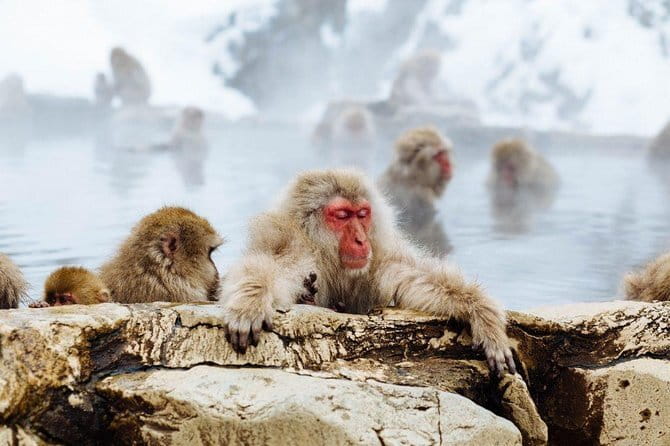
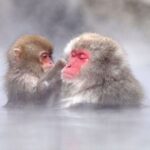
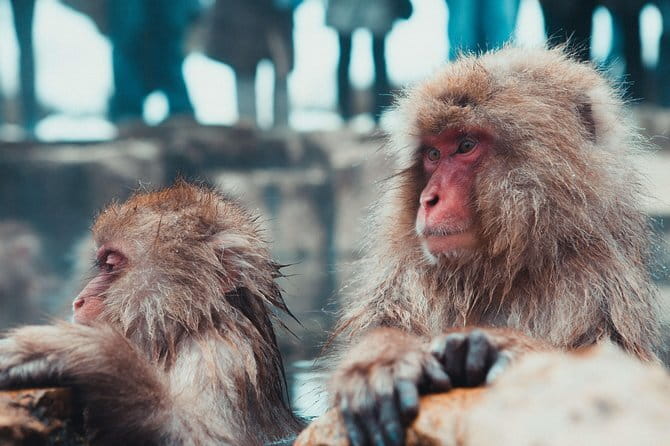
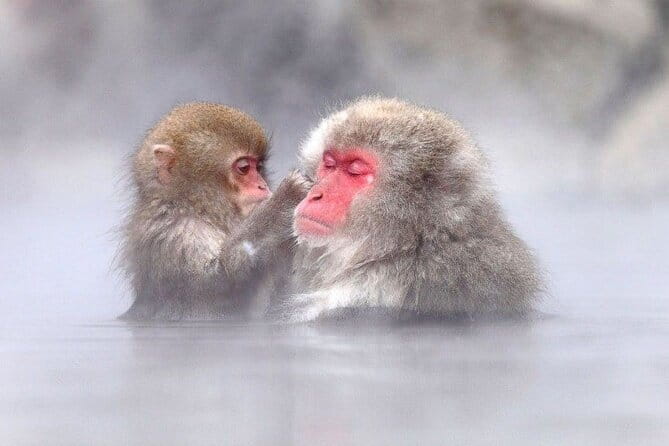
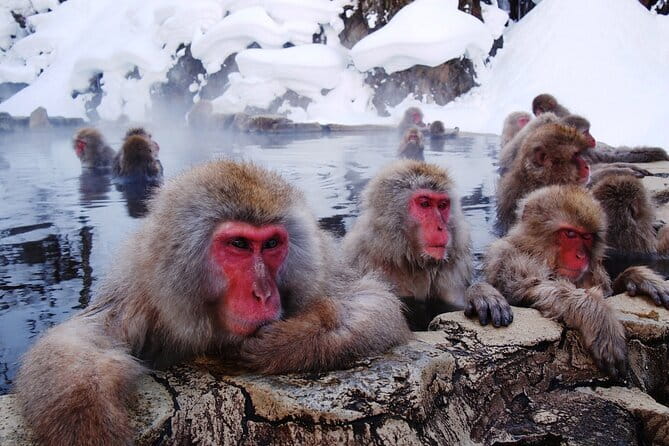
Jigokudani Snow Monkey Park is famous because the monkeys bathe in hot springs. The park has only one troop in the world known for this behavior, and it’s been running since 1964. In winter, that hot-spring scene is part wildlife show, part nature behavior, and part cold-weather wonder.
Here’s what makes your experience different from most animal attractions: there are no barriers between you and the monkeys. That’s why the rules are firm. You’re required to follow park instructions at all times and you can’t touch, hold, feed, or bathe with the monkeys. You also keep a minimum distance of 1 to 2 meters, and your guide lays out the rules before you enter.
I like this approach because it’s honest about what you’re signing up for. You’re not insulated from the real-life situation—you’re close, but you’re controlled. In feedback, guides were praised for giving thorough, easy-to-follow introductions before the park visit, which is exactly what you want when you’re dealing with wildlife at close range.
One more reality check: monkeys are wild animals. Even in winter, you might see bathing, but you can’t count on it every moment. And on a few days, the monkeys might arrive late, leave early, or not come down to the area the way you hope.
Winter-ready footwear for the 1.6 km forest trail
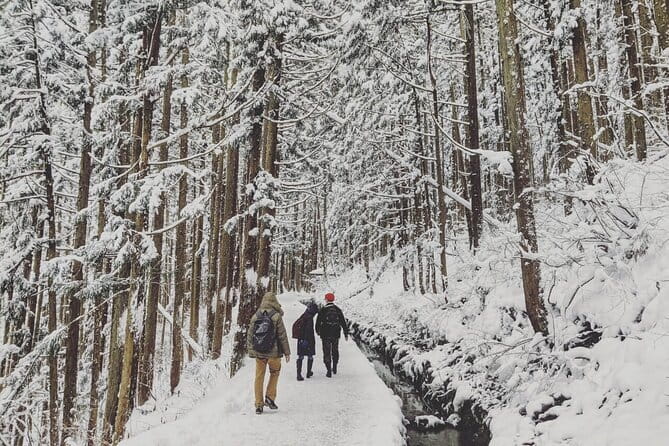
The park visit includes walking. The route to and from Jigokudani includes about 1.6 km (around 1 mile) along an unsealed forest trail. In deep winter—roughly mid-December through early April—that trail is likely to be covered with snow and ice.
This is the part you should take seriously before you pack. Wear suitable shoes or boots and dress warmly. The tour also points out practical support on-site: if you need them, rental boots may be available close to the monkey park. Crampons (metal spikes that attach under your shoes/boots) can also be purchased if conditions are icy.
From mid-December until early March, temperatures can drop below 0°C and possibly as low as -10°C, so think layers, not one warm jacket and good vibes. Your comfort here isn’t just about being warm—it’s about footing. Good traction makes the day safer and way more enjoyable, especially if you’re traveling with kids or anyone who gets stiff in the cold.
Japanese Dining GOEN lunch: warm comfort mid-journey
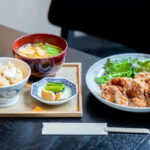
Lunch is timed as a reset. After the cold of the morning monkey park walk, you head to Japanese Dining GOEN, located about 5 minutes by drive from the park. The stop is about 50 minutes, which gives you time to eat without turning it into a long restaurant detour.
The big value here is simple: you’re not hunting for food in a winter schedule. The lunch is included, and GOEN is described as a spot serving Japanese and Western favorites. That mix is helpful in winter travel because not everyone wants a full “adventure meal” after a frosty morning.
There’s also a small operational note that matters for expectations. On rare occasions, it may not be possible to use GOEN, and the lunch is switched to another comparable restaurant. Menus can change seasonally, so don’t base your hopes on one specific dish you saw online—go for the fact that you’re getting a real, warm meal at a planned time.
In feedback, lunch got praised for being tasty and a welcome surprise, which lines up with why this day works. Monkey viewing can be exciting, but it’s tiring too. A good sit-down meal keeps the rest of your afternoon from feeling rushed.
Zenko-ji in cold weather: Nagano’s spiritual core
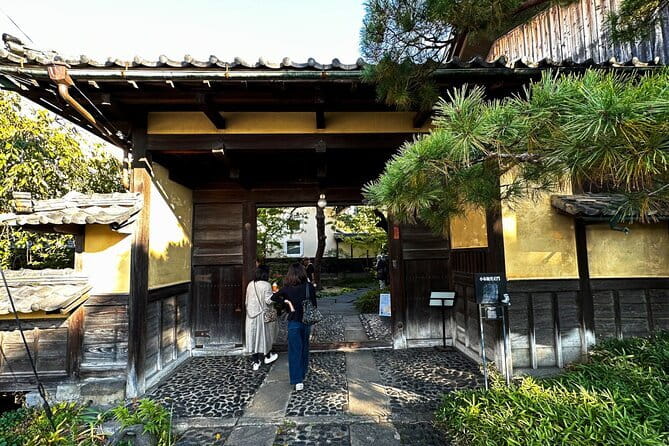
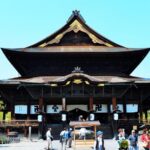
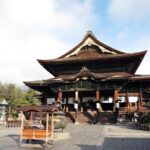
Zenko-ji is one of the oldest, largest, and most important Buddhist temples in Japan. It’s also described as the spiritual heart of Nagano, with nearly 1400 years of history and the status of a registered National Treasure.
You get about 1 hour 30 minutes here, including a guided visit. That’s a sweet spot: long enough to see what matters, short enough to stay warm and avoid turning the temple into a “sit through weather” situation. The guide helps you understand the legends and key features, so you’re not just staring at buildings without context.
One practical detail: an optional entrance fee may apply for the inner sanctuary of Zenko-ji, and that fee is not included. If you want the deeper access, you’ll need to pay extra on the spot (assuming it’s available during your visit). If not, you can still get a solid temple experience from the main guided areas.
What I like about this stop is that it balances the day. The monkey park is sensory and wild. Zenko-ji brings stillness and meaning. In winter, that contrast can feel especially grounding.
Nishinomon-Yoshinoya sake brewery tasting: finish with something local
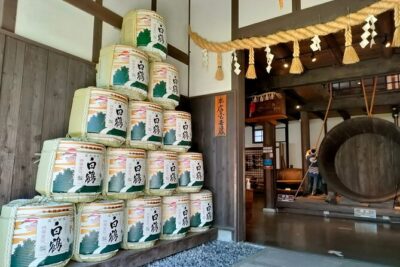
The last stop is a sake tasting at Nishinomon-Yoshinoya Sake Brewery. Nagano is Japan’s second largest producer of sake, so this isn’t just a random drink stop—it’s tied to the region’s identity.
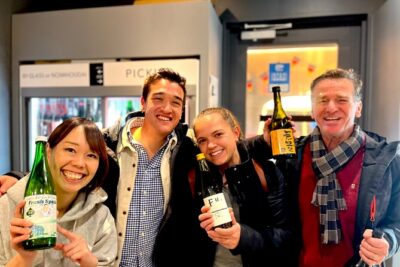
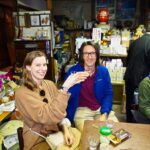
The tasting time is short (about 20 minutes), but it’s structured as a guided experience. Your guide introduces you to sake and helps you understand what you’re tasting. The goal isn’t to turn you into a sommelier; it’s to give you a taste of local culture and a reason to connect the earlier parts of the day to something very Nagano.
From feedback, the tasting was enjoyed, and some people appreciated the end-of-day indulgence. There was also a note that some guests wanted more detailed explanations during the tasting, so if you’re the type who loves specifics (how a brew differs, what to notice in aroma and taste), don’t be shy about asking your guide to explain what you’re drinking.
Price and value: what about $150.89 buys you
At $150.89 per person, this isn’t a “cheap and casual” outing. But it also isn’t just a ticket to one attraction.
You’re paying for a full winter day framework:
- transport to and from Nozawa Onsen
- admission to Jigokudani Snow Monkey Park
- lunch at Japanese Dining GOEN
- a guided temple visit at Zenko-ji
- a guided sake tasting at Nishinomon-Yoshinoya Sake Brewery
That’s where the value sits. In winter, the cost of time and stress is real. A guided route with transport means you can focus on the experiences, not the logistics. The cap of 44 travelers also suggests a more controlled group setup, and feedback praised how smoothly the day ran, including pick-up/drop-off and overall coordination.
What’s not included matters too. You may want extra snacks and drinks (especially in cold weather), and the optional inner sanctuary fee at Zenko-ji is extra. Shinkansen tickets and accommodation aren’t part of the package—but if you’re already staying in the Nozawa area, transport is taken care of.
Who this tour suits best (and who should rethink it)
This is a strong choice if you want a single-day winter overview of Nagano with minimal planning. It’s also a good fit for families because the monkey park is a natural attention magnet, and the schedule gives you a clear structure for the day.
The tour notes moderate physical fitness and includes a reasonable amount of walking, especially on an icy trail. If you don’t feel confident on snow and ice, or if you strongly dislike winter hiking, you might struggle with the 1.6 km unsealed forest stretch—even with crampons or rental boots available.
It also suits you if you like guidance. This day isn’t just “go see stuff.” It’s “go see stuff with instructions,” which matters when you’re close to wildlife and when you’re visiting an important temple where context changes everything.
If you’re mainly seeking a slow, flexible day with lots of free time, you may find the schedule a bit structured. But if you want efficiency without feeling like a factory line, this itinerary is built for that balance.
Should you book this 1-day winter tour?
If you’re in Nozawa Onsen during winter and you want the classic Nagano highlights without juggling buses and timing, I’d book it—especially for the combination of Jigokudani monkeys + Zenko-ji + sake. The value comes from transport, entry, and guidance packed into a single day.
Do book with eyes open about winter conditions. You’re walking on an icy forest trail, and the park experience depends on wildlife behavior and weather. Bring the right footwear, dress for below-freezing temperatures, and don’t treat monkey bathing like a guaranteed photo moment.
Also, consider your priorities. This is a tour where the guide’s explanations matter—feedback praised caring guides and thorough introductions. If you like learning what you’re seeing while you see it, you’ll likely enjoy the pace and flow.
FAQ
How long is the 1-Day Winter Tour From Nozawa Onsen?
It runs about 8 to 9 hours (approx.).
Does the tour include transport from and back to Nozawa Onsen?
Yes. Transport from and to Nozawa Onsen, plus travel to each listed destination, is included.
What’s included at the snow monkey park?
Admission to Jigokudani Snow Monkey Park is included, and the visit is about 2 hours.
Is lunch included, and where is it?
Yes. Lunch is included at Japanese Dining GOEN, and the lunch stop is about 50 minutes.
Is Zenko-ji Temple admission fully included?
You get a guided tour at Zenko-ji, and admission to the temple areas is included as part of the tour. An optional entrance fee to the inner sanctuary is not included.
Does the tour include sake tasting?
Yes. You’ll have a guided sake-tasting experience at Nishinomon-Yoshinoya Sake Brewery.
What should I wear for winter walking at the monkey park?
You’ll want suitable winter footwear and warm clothing. The trail can be snow and ice-covered from mid-December to early-April. Rental boots may be available close to the monkey park, and crampons can be purchased if needed.
Are there barriers between visitors and the monkeys at Jigokudani?
No. There are no barriers separating you from the monkeys. You must keep at least 1 to 2 meters distance and follow the park rules (no touching, holding, feeding, or bathing).
Can I cancel for a full refund?
Yes, you can cancel for free up to 24 hours in advance of the experience start time for a full refund. If you cancel less than 24 hours before, the amount paid is not refunded.