REVIEW · KYOTO
Kyoto: Beyond the Insider Sake Tasting Experience
Book on GetYourGuide →Operated by Add Stories Co., Ltd · Bookable on GetYourGuide
Sake gets more interesting in Kyoto. I really like how the private tasting room keeps the focus on the glass, not the crowd, and I also love that you taste 10 rarely seen varieties overseas while learning the production choices behind them. One thing to consider: the alcohol rules are strict. If you arrive by car or bicycle, you won’t be served sake (non-alcoholic drinks are available), and the timing cut-off is tight.
This is not a one-note tasting. You’ll explore sake made with ancient methods, plus styles tied to microorganisms and even regional flavors from wood used during brewing. It’s a clever way to show you why sake can taste wildly different even when the label looks similar.
I also like that the experience supports both newcomers and seasoned drinkers. The basics of production and sake categories are covered as part of the flow, so you’re not left Googling terms halfway through. The trade-off is simple: it’s an adult-focused activity with an age limit, so plan around that if you’re traveling as a family.
In This Review
- Key things I’d clock before you book
- Why This Kyoto Sake Experience Is Built Around Methods
- Inside the Dedicated Private Sake Tasting Room
- The Sake Basics You’ll Actually Understand (Ingredients and Categories)
- Your 10-Sake Flight: Ancient Methods, Microorganisms, and Wood
- 1) Sake brewed with ancient methods
- 2) A new type of sake influenced by microorganisms
- 3) Sake brewed with local wood for regional character
- 4) The rest of the flight: variety as a teaching tool
- Tasting Notes: How to Remember What You Like
- What You’ll Learn From the Expert-Led Format
- Price and Value: Is $66 Worth It?
- Who This Kyoto Tour Suits Best
- Practical Tips Before You Go (So You Don’t Lose Your Booking)
- Should You Book This Kyoto Insider Sake Experience?
- FAQ
- How many types of sake are included?
- Do I need prior sake experience?
- Where does the tasting happen?
- Is there food pairing included?
- What language is the tour offered in?
- Will I be served alcohol if I arrive by car or bicycle?
- How old do I need to be to join?
- What happens if I’m late?
- What is the cancellation policy?
Key things I’d clock before you book
- Private tasting room: calmer pace, more attention on your questions
- 10 sake types: a broader flight than most Kyoto tastings
- Certified sake sommelier guides: the explanations match what you’re tasting
- Method-based tasting: you learn why the flavor exists, not just what it’s called
- Rare overseas styles: you’ll taste types you likely won’t find at home
- Tasting notes included: helps you remember what worked for you
Why This Kyoto Sake Experience Is Built Around Methods
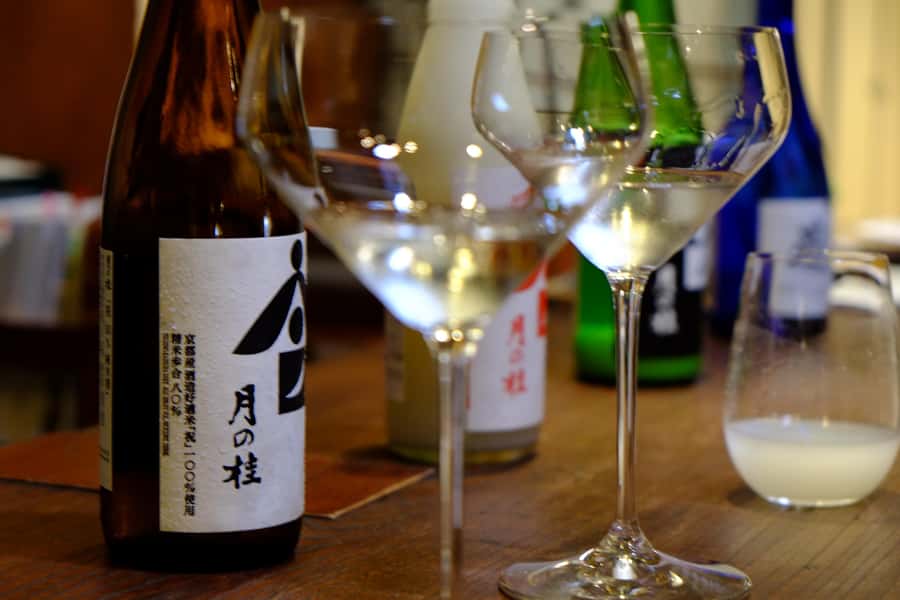
Most sake tastings in Kyoto start with labels: dry or sweet, rice-polish levels, and maybe a quick nod to brewing. This one starts somewhere smarter—at the choices brewers make during production. You taste along the way, so concepts don’t stay stuck in your head like textbook sentences.
The experience is also framed as a step beyond the typical “insider” introduction. The focus is on exceptional sake made with approaches that don’t fit the modern playbook. That matters because it changes what you’re tasting. Instead of expecting one “house style,” you learn to notice how brewing technique can shift aroma, texture, and finish.
And yes, it’s still beginner-friendly. You’ll cover the basics of sake production and key sake categories as part of the session. That means you can go in with zero background and still leave with a system for tasting, talking, and ordering.
You can also read our reviews of more tours and experiences in Kyoto.

Inside the Dedicated Private Sake Tasting Room
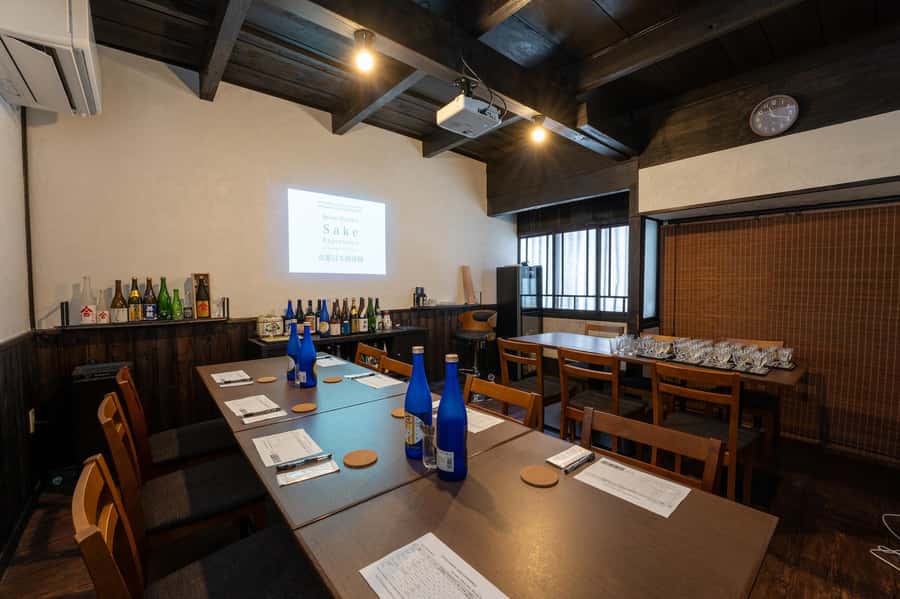
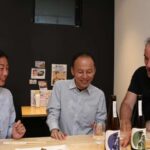
You meet at the Kyoto Insider Sake Experience point, and the whole tasting happens in a dedicated private room. That detail sounds small, but it affects the entire vibe.
In a private setting, the guide can slow down. You’re not competing for audio with a busier atmosphere. You can ask questions as they come up—like what ingredient decisions tend to push flavor in one direction or how a particular production method changes the way the sake presents itself on the tongue.
I also like that the room setup is part of the experience value. You get tasting notes, and the guide-led format turns what could be a quick sip parade into a focused lesson. It’s one of those rare tours where you leave feeling like you learned something practical, not just collected drinks.
The Sake Basics You’ll Actually Understand (Ingredients and Categories)

Even if you’ve never studied sake, you won’t be thrown in cold water. The session includes the basics of sake production and sake categories, woven in as you taste.
Here’s what that means for you, in plain terms:
- You’ll get a clearer sense of what goes into sake and why it affects flavor.
- You’ll learn enough category language to describe what you like without guessing.
- You’ll be able to connect the guide’s explanation to the next pour, instead of treating it like a lecture.
I found this kind of structure helpful because sake is easy to enjoy and hard to explain. Once you learn the core categories and ingredient roles, the tasting becomes less random. You start spotting patterns—like which styles feel cleaner, which feel fuller, and which tend to linger differently after you swallow.
Your 10-Sake Flight: Ancient Methods, Microorganisms, and Wood
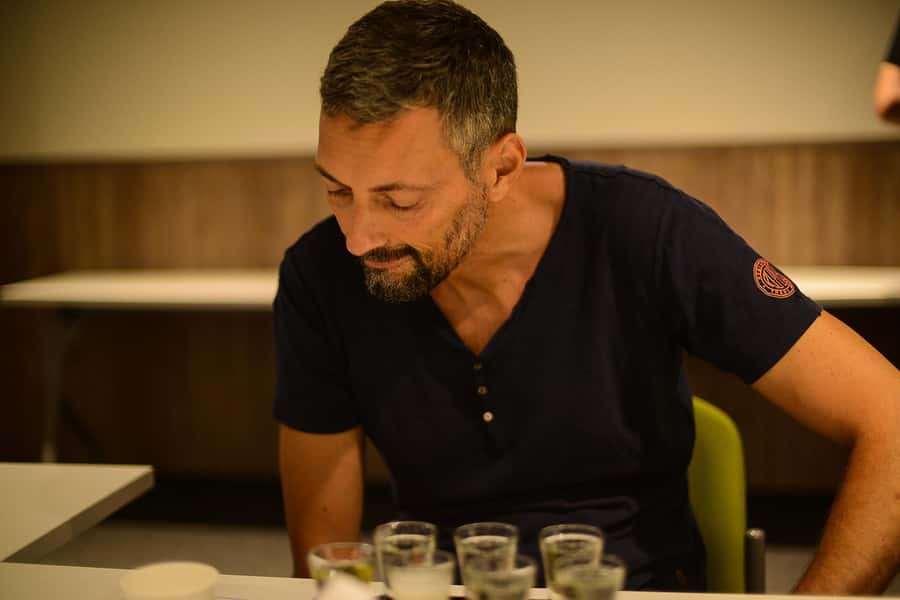
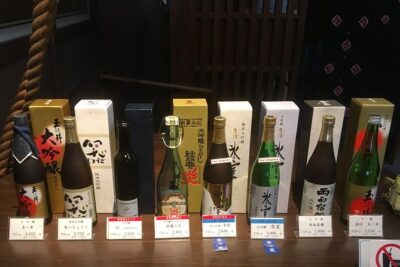
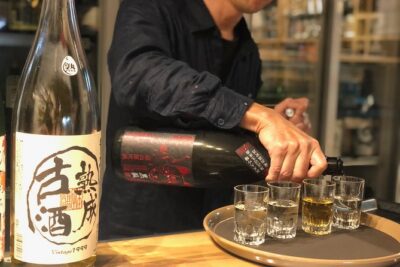
This is the heart of the experience: 10 sake varieties, selected by a sake sommelier, with tasting notes provided. The big difference here is the concept behind the selection. It’s designed to show how diverse sake can be when production ideas push outside the standard script.
1) Sake brewed with ancient methods
You’ll taste styles made using approaches that differ from modern methods. This is the type of tasting where your senses get educated. Expect the flavors to feel distinct—sometimes more textured, sometimes more aromatic, and often less predictable than the smoother, more standardized styles many people start with.
For you, that means the tasting becomes a lesson in how process can change the final cup. The guide helps you connect the dots so you don’t just think, Interesting. You start thinking, Oh, that makes sense.
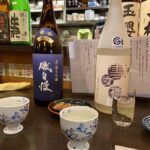
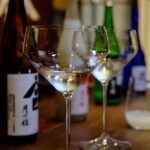

2) A new type of sake influenced by microorganisms
The experience also includes a style that uses the characteristics of microorganisms. This matters because microorganisms play roles during fermentation, and that can influence aroma and mouthfeel. Even if you don’t know the science, you’ll learn what to look for in the glass—how the sake’s personality shows up as you taste.
This is also where an expert guide earns their keep. They help you map the explanation to your impressions so the tasting stops being a set of flavors you can’t name.
3) Sake brewed with local wood for regional character
Another concept in your flight is sake brewed using local wood, aimed at creating a taste unique to the region. That’s a fascinating approach because it’s not just about rice and water. Materials and process choices can nudge aroma and flavor perception.
The goal isn’t to sell you a buzzword. It’s to teach you how a regional choice can become a repeatable flavor signature. You’ll get tasting guidance so you can notice the differences rather than just wondering, Why is this one different?
4) The rest of the flight: variety as a teaching tool
Beyond these highlighted concepts, the full set of 10 varieties keeps you moving through multiple flavor directions. That variety is the point. One or two unusual bottles can feel like oddities. Ten, grouped into a guided narrative, turns them into a map of possibility.
If you’ve had basic sake tours before, you’ll likely appreciate how this flight builds on that foundation. It’s not just more sake. It’s sake with an argument behind it.
Tasting Notes: How to Remember What You Like

Tasting notes might sound like paperwork. In practice, they’re one of the best ways to get value out of a guided experience like this.
You’ll receive tasting notes during the session, and the guide’s teaching style ties into them. That helps you do two useful things:
1) Remember what you liked and why (so you can repeat the order later).
2) Learn a vocabulary that matches the flavors you actually experience.
I also think notes are helpful because you’ll be tasting 10 different kinds. Sake can blur together if you’re not paying attention. Writing down quick impressions keeps each pour separate in your memory.
What You’ll Learn From the Expert-Led Format
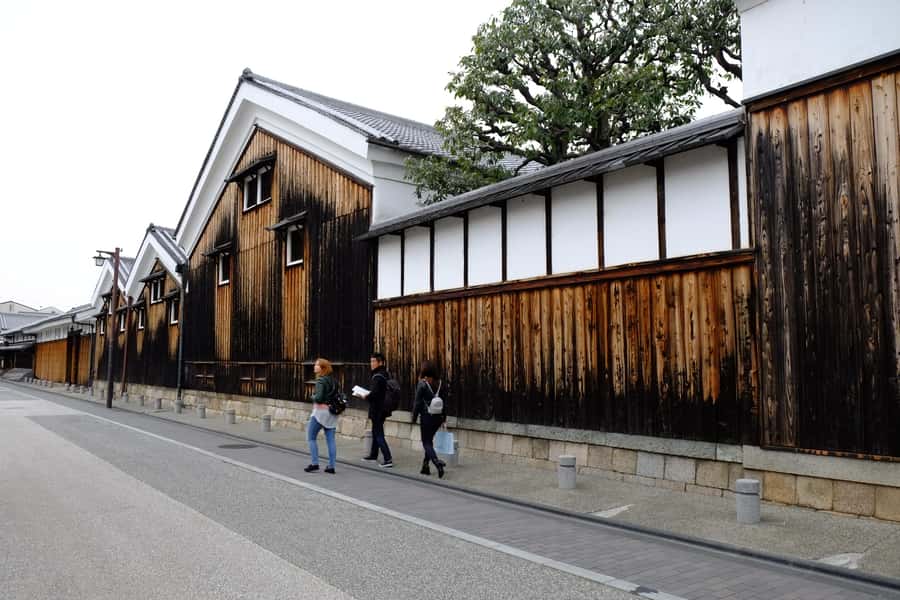
The strongest praise for this experience centers on the explanations. People highlight clear presentations of the types of sake and their production process, plus guides who make the session approachable without dumbing it down.
In my view, that’s the real value add. If you leave understanding production choices—ingredients, methods, and category differences—you can keep using that knowledge long after the tasting ends.
You’ll also pick up trend-style insights that don’t always reach people overseas. The experience is built around sake styles tied to methods and materials that are less common in international markets. That gives you a more rounded picture of what today’s sake world looks like, not just the small slice most visitors encounter.
Price and Value: Is $66 Worth It?
At $66 per person, you’re paying for a full, guided tasting with 10 pours, tasting notes, and a certified sake sommelier leading the experience in a dedicated private room.
Here’s why that price can feel fair:
- 10 distinct varieties means you’re not paying for a short, repetitive introduction.
- Expert-led selection matters. The flight isn’t random; it’s designed to teach you differences between methods.
- Private room time costs money, but it also improves the quality of the lesson—more focused attention, less noise.
The main value question for you is simple: Do you want sake as an enjoyable drink, or sake as a real learning experience? If you want the second one, the structure makes sense. If you just want a quick sampling and don’t care about production background, you might feel like you’re paying for education you didn’t ask for.
Who This Kyoto Tour Suits Best
This one fits best if you want more than entry-level sake fun.
It’s a strong match for:
- Beginners who want clear basics and a guided path to tasting smarter
- Sake drinkers who want rarer styles and explanations tied to process
- People who learn well by tasting in sequence, not by reading alone
It may not fit you if:
- You’re looking for food pairing (none is included here)
- You want alcohol served regardless of arrival method (rules apply)
- You’re traveling with very young children (not suitable for children under 3)
Practical Tips Before You Go (So You Don’t Lose Your Booking)
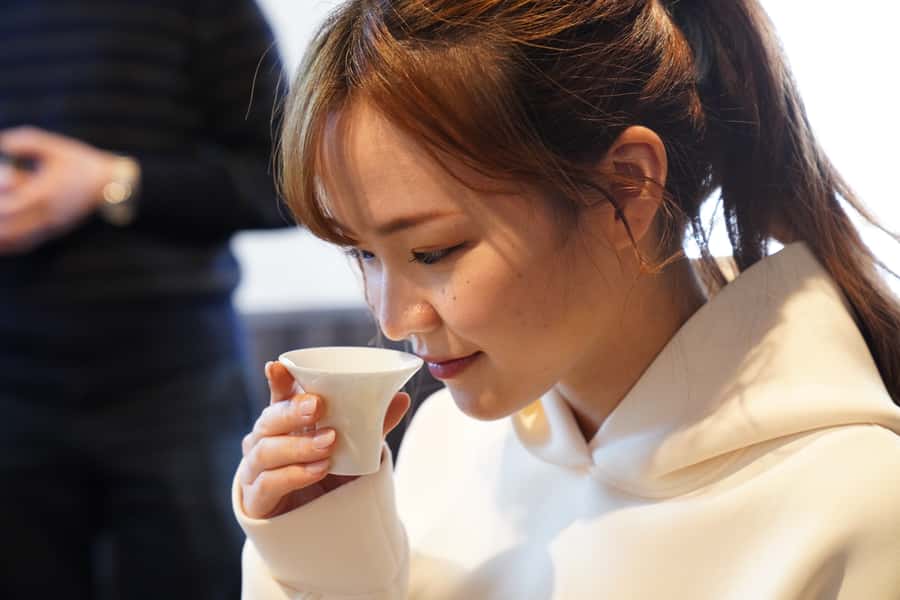
A few practical points can save you stress:
- Arrive on time. If you’re more than 10 minutes late, your booking is canceled.
- Alcohol service has rules. If you arrive by car or bicycle, you won’t be served sake, though non-alcoholic drinks are available.
- The age limits are real. The legal drinking age in Japan is 20. If you’re under 20, you’ll only be served non-alcoholic drinks. Also, the experience is not suitable for people under 19.
- The tour requires a reservation. Without one (including children and non-drinkers), you won’t be allowed to join.
- Bring your curiosity, not your big lunch cravings. Food pairing is not included.
One last tip: go in with a small goal. For example, pick one thing you want to get better at tasting—dryness, aroma intensity, or how finish length differs. It makes the notes more useful and the lesson stickier.
Should You Book This Kyoto Insider Sake Experience?
If you’re choosing between “a sake tasting” and “a sake education,” I’d book this. The standout strength is the way the tasting is organized around methods—ancient techniques, microorganisms, and local wood—so you get a real sense of how diverse sake can be.
Book it if:
- You want 10 varieties and a guide-led explanation
- You’re open to learning basic sake categories and production concepts
- You like tasting with notes and using what you learn afterward
Skip it if:
- You’re mainly after food pairing or a casual drink stop
- You can’t meet the timing rules
- Your group doesn’t fit the age or alcohol-service requirements
For Kyoto, this is the kind of experience that leaves you with more than souvenirs. You leave with taste memory and a way to describe what you’re enjoying next time you see sake on a menu.
FAQ
How many types of sake are included?
You’ll taste 10 kinds of sake, selected by a sake sommelier.
Do I need prior sake experience?
No. The experience covers the basics of sake production and sake categories, so it works for beginners as well as experienced sake drinkers.
Where does the tasting happen?
The tastings take place in a dedicated private sake tasting room.
Is there food pairing included?
No. Food pairing is not included.
What language is the tour offered in?
The tour is offered in English.
Will I be served alcohol if I arrive by car or bicycle?
For safety and legal reasons, alcohol will not be served to guests who arrive by car or bicycle. Non-alcoholic drinks are available.
How old do I need to be to join?
The legal drinking age in Japan is 20. The experience is not suitable for people under 19, and customers under 20 will only be served non-alcoholic drinks.
What happens if I’m late?
If you are more than 10 minutes late, your booking will be canceled.
What is the cancellation policy?
You can cancel up to 7 days in advance for a full refund.