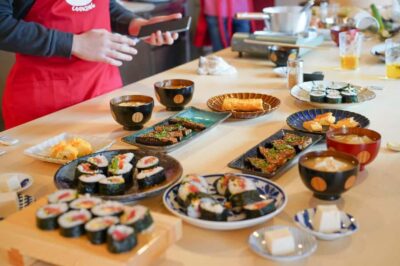
REVIEW · NAGANO
Explore Matsumoto: Castle, Sake & Taste of Local Life
Book on GetYourGuide →Operated by o8Experience · Bookable on GetYourGuide
Few places teach Japan in one tight walk. In Matsumoto, you get the castle, a serious sake tasting, and street-food breaks on the same route. I like that it mixes 16th-century sights with everyday Nagano life, plus you’ll end with photos your guide takes along the way.
Two things I really like: the stop at Matsumoto Castle (a national treasure) and the chance to taste sake at a brewery run by seasoned owners. One possible drawback: the castle can mean a wait, and entry sometimes takes more than 30 minutes, so you will want patience if your group timing feels rushed.
If you want a compact cultural sampler that still feels local, this tour fits well. If you dislike walking, crowds at popular sites, or anything involving stairs and indoor floors, you might want a different plan.
In This Review
- Key highlights worth planning for
- Matsumoto Castle: 16th-century keep views and the reality of waiting
- Sake tasting with owners: what you learn beyond the sample cup
- Nawate Street (Frog Street): street snacks and photo-friendly wandering
- Nakamachi Shopping Street: Edo-era merchant houses you can actually see
- The guide and the pacing: where it shines and where you should be flexible
- Price and value: why $112 can feel fair here
- Who should book this Matsumoto walk (and who should skip it)
- Should you book Explore Matsumoto: Castle, Sake & Taste of Local Life?
- FAQ
- How long is the Matsumoto Castle, Sake & Taste of Local Life tour?
- Where do I meet the guide?
- What language is the tour guide?
- What does the price include?
- Are drinks and extra food included?
- Is Matsumoto Castle entry included?
- Will I get photos from the tour?
- Is the tour suitable for wheelchair users or strollers?
- Is this tour refundable if plans change?
- Is it suitable for everyone, including pregnant travelers or older adults?
Key highlights worth planning for
- Matsumoto Castle: a 16th-century national treasure with wooden halls and panoramic views from the keep
- Sake tasting at a local brewery: served by owners with insight into brewing techniques
- Nawate Street (Frog Street) snacks: taiyaki and oyaki plus time to browse
- Nakamachi Shopping Street: Edo-period merchant-house street where history shows up in shopfronts
- Guide-led photos: pictures taken throughout the walk and shared after the tour
Matsumoto Castle: 16th-century keep views and the reality of waiting
The tour starts close to the station, at Starbucks in MIDORI Matsumoto Station. That matters, because Matsumoto Castle is the kind of place where you want to focus once you’re there, not waste energy figuring out transit.
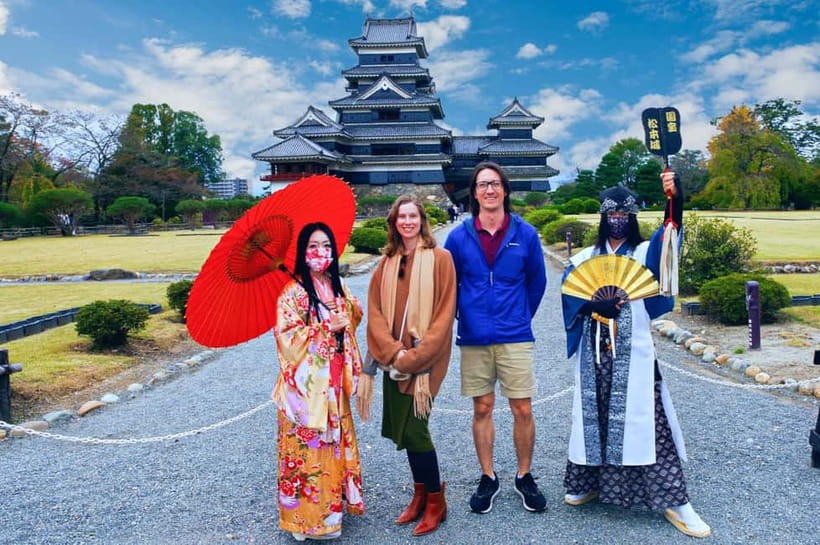
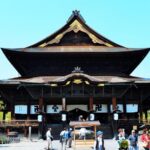
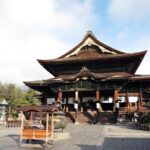
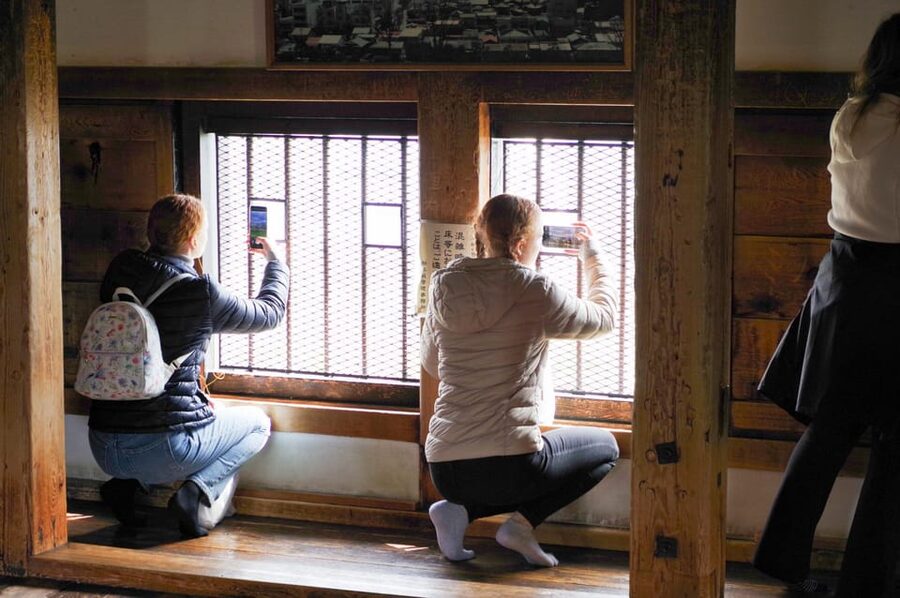
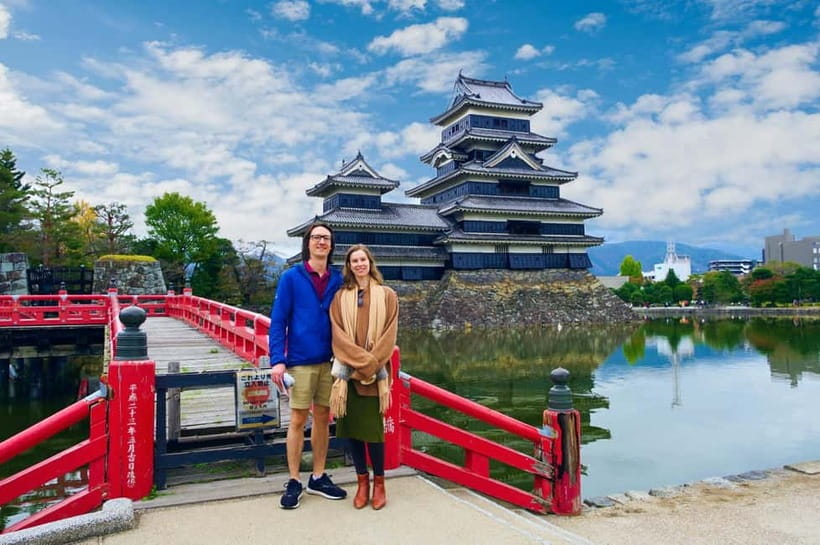
Once you reach the castle grounds, you’re walking into a different pace. Matsumoto Castle dates back to the 16th century, and you’ll get access to the castle buildings, where wooden interiors and tatami-mat flooring set a very “this is older than my whole trip” mood. The keep is the big payoff: from the top you can see a broad view that helps the whole area click into place.
The small catch is timing. Castle entry can take longer than you expect, and the note here is blunt: sometimes it takes over 30 minutes to get in. If you hate lines, or you’re the type who plans every minute, arrive with a calm mindset. Your guide keeps you moving as best they can, but you should still expect that castle logistics can stretch the schedule slightly.
You can also read our reviews of more tours and experiences in Nagano.

Sake tasting with owners: what you learn beyond the sample cup
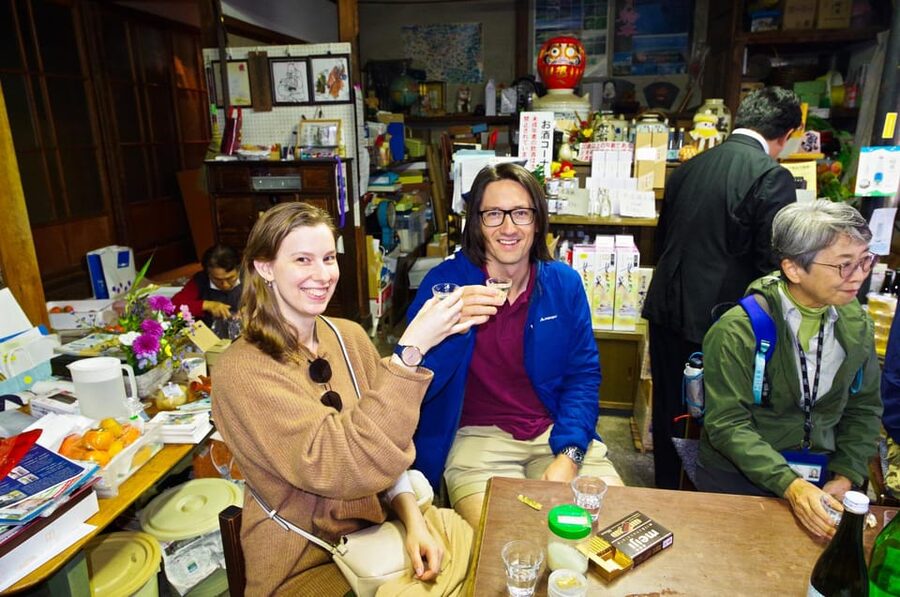
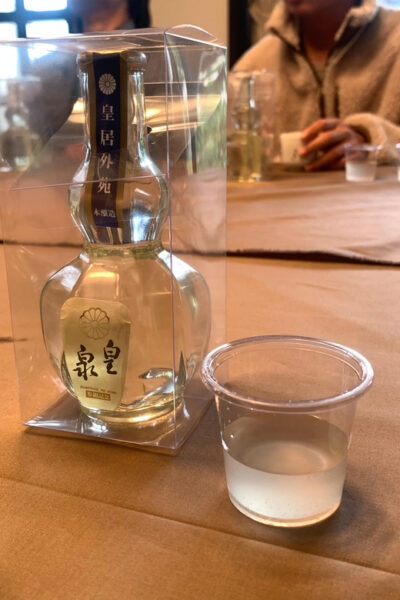
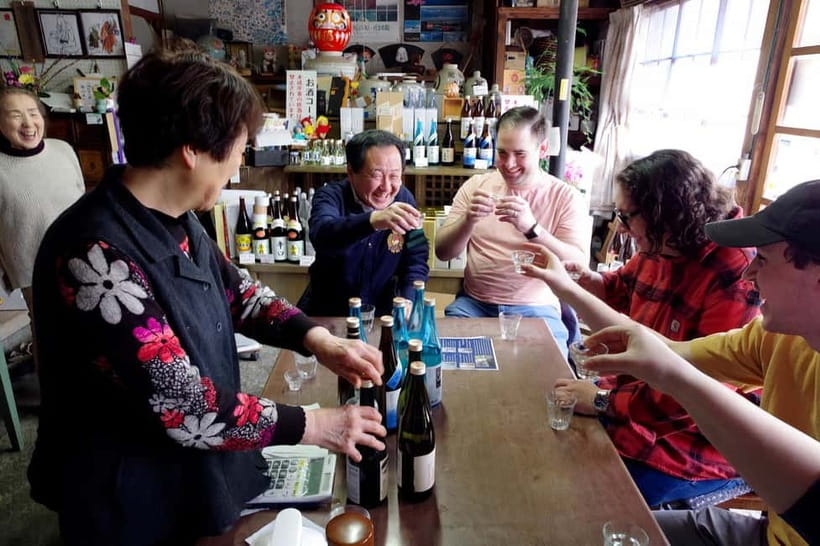
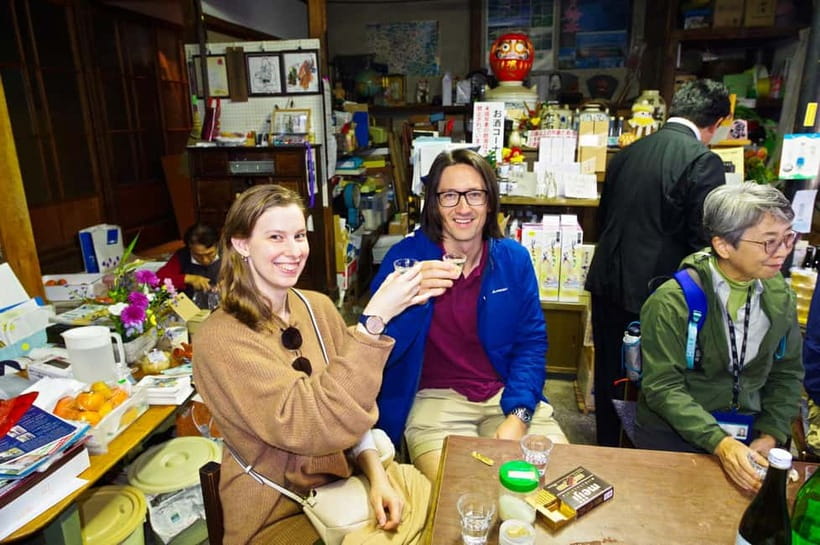
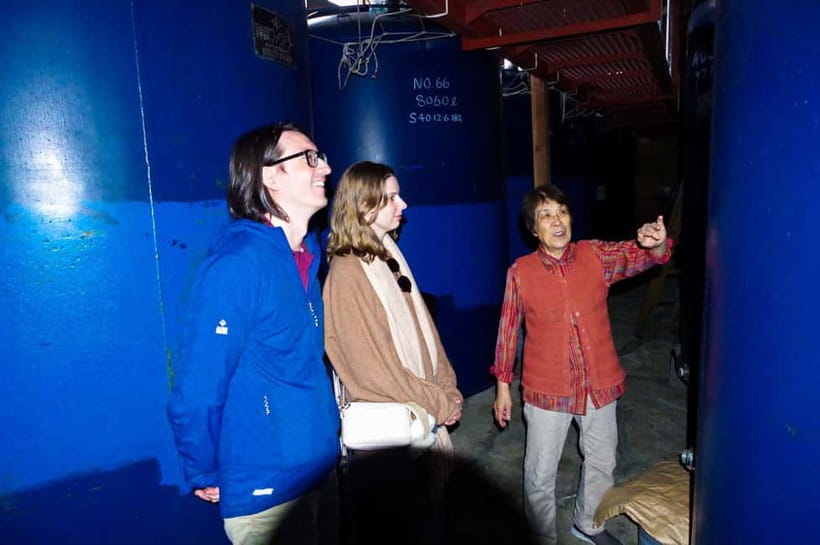
After castle time, you switch gears from medieval walls to the nitty-gritty of a daily Japanese tradition: rice wine. You head to a local sake brewery, where the tasting isn’t just a quick sip-and-go setup. The idea is to understand what you’re tasting, not just drink it.
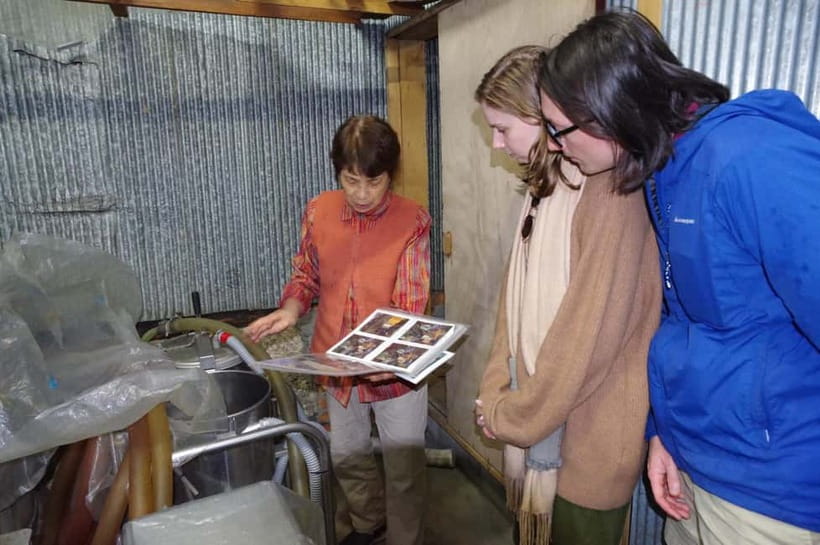
You’ll learn about how sake is made and what gives different batches their character. The guide frames it around Nagano’s brewing culture and points out details you can actually notice if you pay attention—like differences in flavor profile from one pour to the next. One strong point from the experience is that you’re served in a local setting by the people behind the business, not a scripted demo.
One guest highlight calls out the tasting at a long-running sake company with about 400 years behind it. Even if your timing leads you to a different brewery location in the same spirit, the emphasis stays the same: you get practical context from seasoned owners.
If you want to buy bottles later, this stop gives you language for what to look for. You’ll be more confident picking a style (and asking a better question at a shop), because you’ll have tasted and compared something real.
Nawate Street (Frog Street): street snacks and photo-friendly wandering
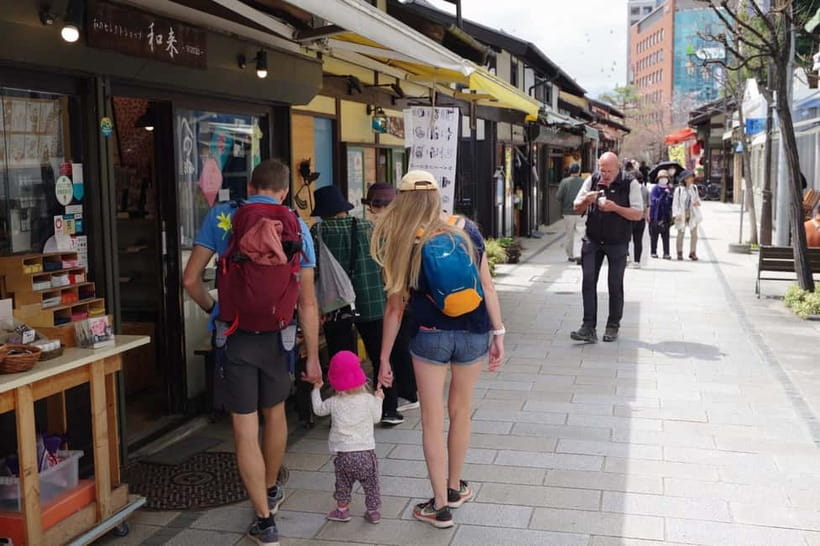
When you hit Nawate Street, things get playful fast. This is where the tour turns into something closer to a food walk—short, guided stops with time to look around, snack, and take photos.
Nawate is also nicknamed Frog Street, and that nickname becomes part of the vibe. It feels like a local shopping lane where everyday life mixes with visitors coming for the same iconic bites. You’ll try snacks included with the tour, with examples like taiyaki and oyaki.
Here’s what I think makes this stop valuable: it’s not just eating. The guide gives you a sense of where to focus your attention while you’re there—what’s worth trying, when to snap a picture, and how to fit tasting into the walk without getting stomach-stuck. Food stalls move quickly, and a guided rhythm keeps you from missing the good stuff or spending too long in one line.
Also, because the tour includes photos taken during the walk, Nawate Street is one of the best moments for it. The street setting gives you frames that feel like Matsumoto, not just Matsumoto Castle again.
Nakamachi Shopping Street: Edo-era merchant houses you can actually see
Next comes Nakamachi Shopping Street, an Edo-period avenue known for preserved merchant houses. This is where the tour slows slightly into “look closer” mode.
Walking Nakamachi helps you connect the dots between the castle and the people who would’ve lived around it. The castle was power and protection. The merchant street was daily life and commerce. Even if you don’t know every name, the preserved building shapes and the old street pattern give you a physical sense of how the town functioned.
You’ll also get time to browse shops and step into cafés. That’s a useful part of the experience because it turns the tour into something you can extend afterward. If you find a snack or drink you like here, you’ll know what street to return to on your own later.
One practical tip: wear comfortable shoes and don’t plan to do much heavy exploring right after the tour ends. Nakamachi is relaxing, but it still adds walking time and standing time.
The guide and the pacing: where it shines and where you should be flexible
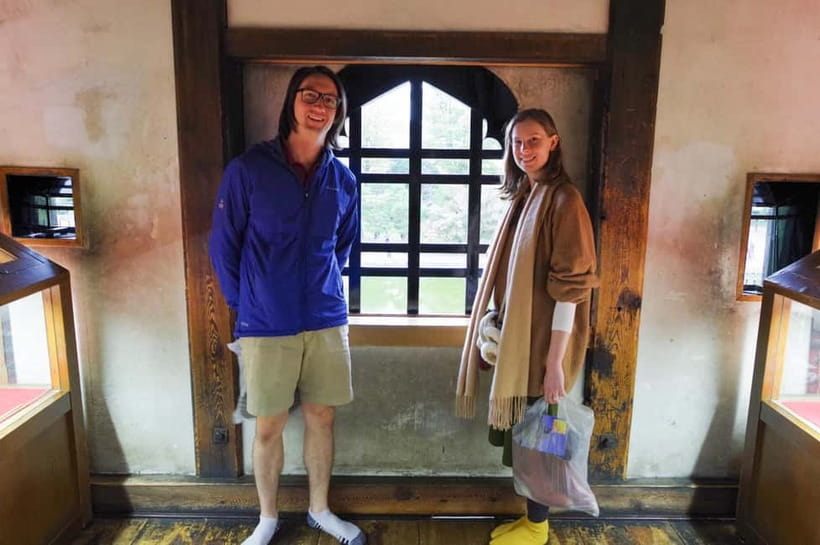
The big differentiator is the live English guide. A strong review mentions Masa as a terrific guide with great English and an ability to answer questions on the spot. Another highlight praises his photo work—pictures taken throughout the tour that you’ll have as memories later.
That photo element isn’t fluff. When a guide takes photos at key moments, you get images that actually show what the tour meant: castle keep views, street scenes on Nawate, and merchant-street corners on Nakamachi. It also reduces the stress of playing tourist photographer every 10 minutes.
Pacing is the one area to stay aware of. One review notes that the guide could have communicated better about moving quickly toward the castle. That doesn’t mean the tour is chaotic, but it does mean you should expect the castle stop to be time-sensitive, especially if entry lines appear. If you want deep, unhurried time in each room, this tour may feel slightly compressed—but it’s designed as a tight cultural loop, so compression is part of the deal.



Price and value: why $112 can feel fair here
At $112 per person for a roughly 3-hour walk, you’re paying for more than directions. You’re buying structured access and built-in costs.
What’s covered:
- Matsumoto Castle entrance fees
- A premium sake tasting at a local brewery
- Included local snacks (examples include taiyaki and brewery sweets)
- Guided walking time through Nawate Street and Nakamachi Shopping Street
- Photo-taking throughout the experience, shared afterward
- Local guide support and recommendations for eateries and cafés
What’s not covered:
- Extra drinks and additional food beyond what’s included
- Transportation costs like bullet train tickets (if you’re arriving from elsewhere)
- A meal for an infant
For me, the best value signal is the sake tasting. Tastings can be overpriced when they’re just a label on a counter. Here, the tasting is tied to the owners and brewing context, so you get a real explanation to match the sample.
Add the castle entrance (which isn’t always cheap), and the tour starts to feel like a bundled “do the major stuff with guidance” plan, without needing to plot every step yourself.
Who should book this Matsumoto walk (and who should skip it)
This works best if you:
- Want castle + sake + street food in one morning/afternoon
- Like guided context, especially for tasting and history-style stops
- Prefer a plan you can trust to run from station to station
- Enjoy shopping streets where you can pop into cafés and keep walking
It may not fit if you:
- Need wheelchair access (it’s not suitable for wheelchair users)
- Travel with a baby stroller (not allowed)
- Have mobility concerns or dislike stairs and multi-floor buildings
- Are dealing with health limits. The notes say it is not suitable for pregnant women and people with heart problems
- Are in the older-age ranges listed as not suitable (the notes specify limits for people over 70, and also list over 80 and 95)
If you’re comfortably mobile and you want an easy Matsumoto hit list without over-planning, this is a strong choice.
Should you book Explore Matsumoto: Castle, Sake & Taste of Local Life?
Yes, I’d book it if you want a smart, time-efficient introduction to Matsumoto that includes real food stops and a sake tasting with actual context. The combination of Matsumoto Castle, brewery tasting, and time on Nawate and Nakamachi gives you both headline sights and everyday street flavor.
I’d hesitate if you hate waiting in lines or you’re looking for a slow, photo-only wander. Also, check the notes on health, age, stroller rules, and mobility needs before you commit.
If you’re on the fence, book it and treat it as your first-day orientation. After the tour ends back at MIDORI Matsumoto Station, you’ll have enough street knowledge to keep exploring without feeling lost.
FAQ
How long is the Matsumoto Castle, Sake & Taste of Local Life tour?
It runs for about 3 hours. Starting times vary, so you’ll need to check availability.
Where do I meet the guide?
Meet in front of Starbucks at MIDORI Matsumoto Station. When you exit the ticket gate, Starbucks is on your right.
What language is the tour guide?
The tour is guided in English.
What does the price include?
The tour includes Matsumoto Castle entrance fees, a premium sake tasting at a local brewery, local snacks (like taiyaki and sweets), guided walking through Nawate and Nakamachi, and guide support with recommendations. Photos are also taken and shared after the tour.
Are drinks and extra food included?
Extra drinks and additional food are not included, but you can purchase them on-site.
Is Matsumoto Castle entry included?
Yes, Matsumoto Castle entrance fees are included.
Will I get photos from the tour?
Yes. Photos are taken throughout the experience and shared with you after the tour.
Is the tour suitable for wheelchair users or strollers?
No. It is not suitable for wheelchair users, and baby strollers are not allowed.
Is this tour refundable if plans change?
Yes. There is free cancellation up to 24 hours in advance for a full refund.
Is it suitable for everyone, including pregnant travelers or older adults?
The tour is not suitable for pregnant women and people with heart problems. It is also listed as not suitable for certain older age ranges (including people over 70).