REVIEW · HIROSHIMA
Hiroshima Saijo Sake Tasting Tour with visit to 7 Breweries
Book on Viator →Operated by Higashi Hiroshima City Tourism Association · Bookable on Viator
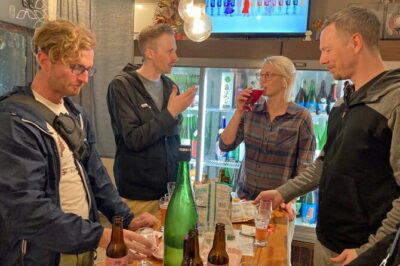
Sake stops, six tastings, one easy walk. This Hiroshima Saijo tour is built for variety: you sample eight different types of sake across seven breweries, without rushing. I also like the small-group feel, which keeps the pace relaxed and the explanations clear. The one thing to consider is that it’s still a walking tasting, so you’ll want comfortable shoes and you’ll be around alcohol the whole time.
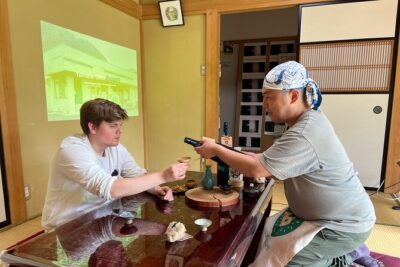
The guide support is a big part of the value. If you’re lucky enough to get a guide like Ione, you’ll get steady context on Saijo’s brewing culture while you sip, not just a checklist of pours. One more practical drawback: it’s a tasting tour, so you won’t be watching the actual brewing process in action.
This is a smart choice if you want to understand what separates sake styles—clean and refined vs. dry vs. cloudy—while staying in Saijo’s compact brewery area for about 2 hours.
In This Review
- Quick hits: what makes this Saijo sake tour worth your time
- Saijo’s sake district: why this tour feels different
- Price and logistics: the math works, and the walking stays reasonable
- Stop-by-stop route: from Kamotsuru to Sanyotsuru
- Saijo Station: meet outside the gates and get oriented
- Kamotsuru Sake Brewery: Daiginjo-type with a short intro video
- Fukubijin Sake Breweries: Junmai-Shu and the warm-sake seasonal option
- Kamoizumi Sake Brewery: pure-rice Junmai-shu made with rice and koji
- Saijo Sakaguradori Tourist Information Center: brochures, souvenirs, and a restroom reset
- Kirei Sake Brewery: a drier profile and a limited monthly blend
- Saijotsuru Brewery: traditional techniques and an awarded Daiginjo
- Hakubotan Brewery: Hyoka unfiltered sake that’s been fresh frozen
- Sanyotsuru Brewery: cloudy sake plus a chance to browse sake ware
- How the guide helps you understand Daiginjo, Junmai, and Nigori-style textures
- Alcohol tasting, but make it controlled and comfortable
- Value check: what you actually get for $50.87
- Practical tips so you enjoy it more
- Who should book this tour in Hiroshima
- Should you book the Hiroshima Saijo Sake Tasting Tour?
- FAQ
- How long is the Hiroshima Saijo sake tasting tour?
- How many breweries and sake types are included?
- Where do I meet the guide?
- Do I need Japanese to enjoy the tour?
- How much walking is involved?
- Can I observe the sake brewing process during the tour?
- What if I’m late to the start time?
- Is cancellation free?
Quick hits: what makes this Saijo sake tour worth your time
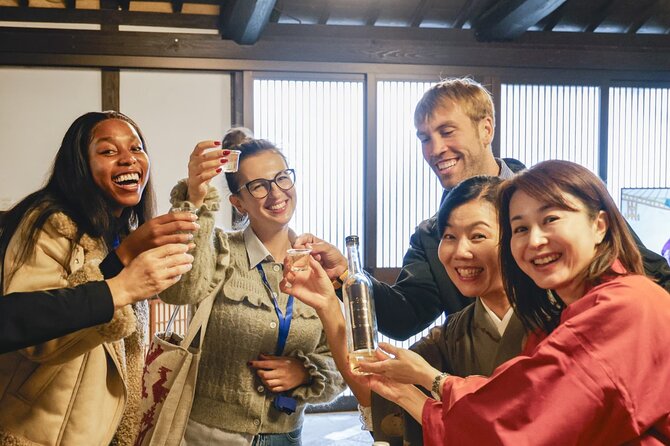
- Eight tastings, not just two or three: you’ll sample a wider range of styles in one loop.
- Seven breweries in a compact route: minimal backtracking as you move through Saijo.
- Short brewery stops: each place is tight and focused, so the tour stays on schedule.
- Real product variety: Daiginjo-type, Junmai, dry styles, and even cloudy sake show up on your tasting list.
- A station break built in: the Saijo Sakaguradori Tourist Information Center is a handy reset point.
- Small group size (max 10): easier questions, less waiting, more time with your guide.
Saijo’s sake district: why this tour feels different
Saijo is one of Japan’s major sake-brewing areas, and this tour is designed to let you feel that reputation in a very practical way. Instead of bouncing between far-flung places, you’re walking through the brewery world that’s concentrated around Saijo Station and the surrounding streets.
What I like about the setup is that the tour is teaching-by-tasting. You don’t just get a sip; you get enough context to start noticing what changes from one brewery’s approach to the next. That matters because sake styles can sound like labels until you taste the differences in texture, aroma, and how dry or smooth each style feels.
You can also read our reviews of more tours and experiences in Hiroshima.

Price and logistics: the math works, and the walking stays reasonable
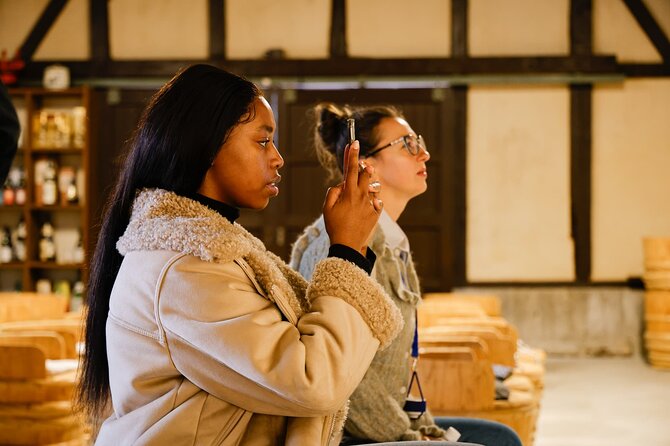
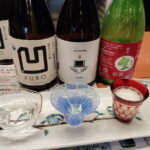
The price is $50.87 per person for about 2 hours. On paper that’s a drinking activity, but in practice you’re paying for guided translation, structured tasting, and access to multiple breweries—especially since the stop-by-stop admissions are listed as free.
You’ll also cover about 1.5 km on foot while tasting. That’s not a long hike, but it’s enough walking that you should wear comfortable shoes and expect to keep a steady pace for the full session.
A few timing points you should know up front:
- The tour starts at 1:00 pm with a meeting point at the Higashihiroshimashi Information Centre (12-3 Saijōhonmachi, Higashihiroshima).
- You’ll return back to the meeting point at the end.
- Schedules and the order of breweries can shift depending on the day.
- If you’re more than 15 minutes late, it’s treated as a cancellation with no refund.
Stop-by-stop route: from Kamotsuru to Sanyotsuru
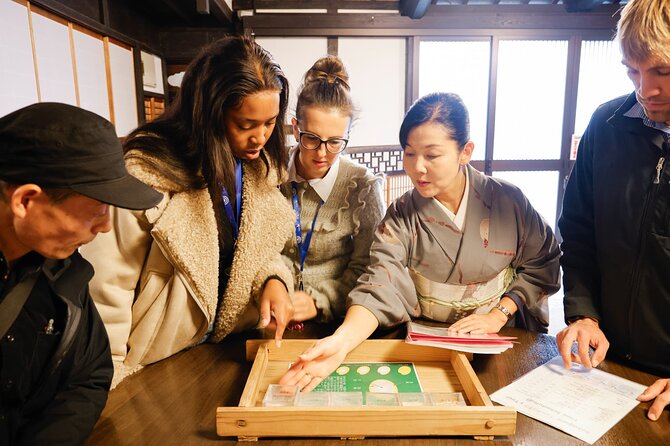
The route is arranged as a loop through Saijo, with a mix of brewery visits and one key information-center stop. Most brewery stops run around 10 to 15 minutes, so you’ll get quick variety rather than lingering at a single place.
Saijo Station: meet outside the gates and get oriented
Your first step is meeting in front of the Tourist Information Center at Saijo Station, right outside the ticketing gate. This is short but useful, because you’ll start your walk knowing exactly where you are in town.
It’s a good moment to check your group and confirm you understand what’s next, especially if you’re traveling from another part of Hiroshima. The tour is designed to be simple, and this early orientation helps it stay that way.
Kamotsuru Sake Brewery: Daiginjo-type with a short intro video
At Kamotsuru, you’ll see a 10-minute video introducing sake making and tasting a Daiginjo-type. Then you’ll taste “Daiginjo Gold Kamotsuru” in their visitor space.
Kamotsuru is described as a pioneer in ginjo sake brewing, so this stop is a solid starting point if you’re curious about how a polished, fragrant style can differ from heavier or more rustic sake. Also, it’s a nice change of pace: you get explanation before the sip.
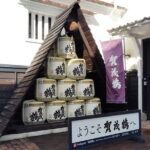
Fukubijin Sake Breweries: Junmai-Shu and the warm-sake seasonal option
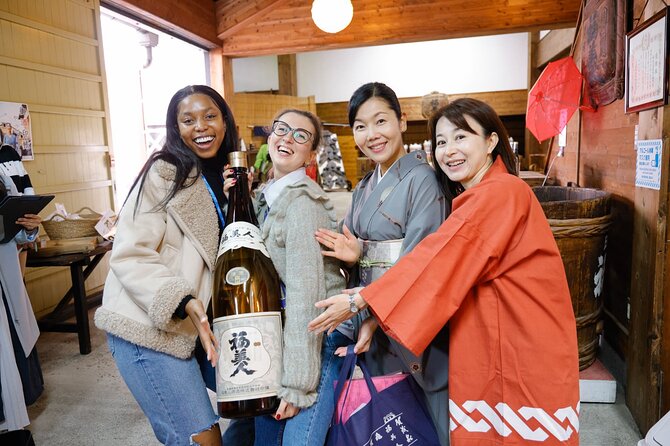
Fukubijin’s background is tied to education—called the Saijo Brewing School—and the stop highlights the role of master brewers. Here, you’ll taste “Fukubijin Junmai-Shu.”
There’s also a seasonal detail: you can try warm sake during winter season. If you’re visiting in colder months, that’s a real bonus, because warm sake changes the way you perceive aroma and smoothness.
Kamoizumi Sake Brewery: pure-rice Junmai-shu made with rice and koji
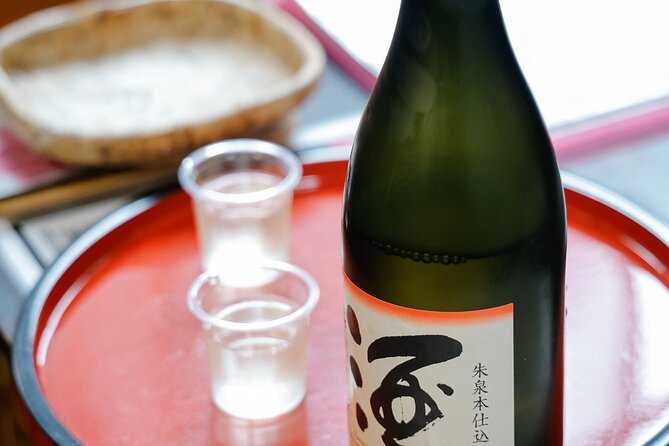
Kamoizumi is known for starting junmai-shu production using only rice and koji mold as ingredients. At this stop, you’ll taste their signature “Junmai Ginjoshu 朱泉 Honjikomi.”
This is the kind of tasting that helps you understand purity and simplicity. Even if you don’t know the technical terms yet, you can start connecting label language—Junmai, ginjo—with how the sake presents on your palate.
Saijo Sakaguradori Tourist Information Center: brochures, souvenirs, and a restroom reset
Between breweries, you’ll stop at the Saijo Sakaguradori Tourist Information Center. It’s there for practical reasons: it distributes brochures, tells you about Sakagura-dori Street, and is stocked with souvenirs.
It’s also your restroom break, so don’t skip it. This is the kind of detail that makes walking tours feel easier, because you avoid the panic of searching for facilities later.
Kirei Sake Brewery: a drier profile and a limited monthly blend
Kirei Shuzo is described as having a drier taste compared with other Saijo sake. You’ll taste “Yoshidaya’s Sake,” a limited sake blended by the brewery with sake ready to drink that month.
For me, this stop is about learning range. You’ll likely notice that “sake” doesn’t all mean the same flavor direction. A drier profile can feel cleaner, and a limited monthly blend also gives a sense of how breweries respond to timing and readiness.
Saijotsuru Brewery: traditional techniques and an awarded Daiginjo
At Saijotsuru, the focus is on traditional techniques passed down by Hiroshima sake brewers. You’ll taste “Junmai Daiginjo Genshu Shinzui,” which is described as repeatedly awarded.
Daiginjo and Junmai Daiginjo can sound like marketing, but tasting it after the other styles helps you connect the label to the feel of the sake. You’ll get a clearer sense of what “refined” means once you’ve tasted both drier and more robust styles earlier in the loop.
Hakubotan Brewery: Hyoka unfiltered sake that’s been fresh frozen
Hakubotan is listed as one of the oldest breweries in Hiroshima Prefecture, founded in 1675. Here, you’ll taste “Hyoka,” described as unfiltered sake that’s fresh-frozen in a special way.
Unfiltered sake (often associated with cloudy textures) can taste fuller and more dimensional. Fresh-freezing also changes how you experience that “alive” character, so this stop pairs well with the later cloudy sake tasting too.
Sanyotsuru Brewery: cloudy sake plus a chance to browse sake ware
Sanyotsuru is noted as the only sake brewery located west of Saijo Station. You’ll taste cloudy sake here, and the stop also features sake ware available for sale.
Cloudy sake is where many first-time visitors start paying attention to texture. If you’ve been tasting clean styles, this is a satisfying contrast. Plus, if you like the idea of serving sake at home, the sake ware browsing can spark practical ideas for later.
How the guide helps you understand Daiginjo, Junmai, and Nigori-style textures
The tour’s selling point is learning the difference between sake styles—especially categories like Daiginjo and Junmai, plus cloudy sake. The way this works on the ground is simple: you taste, then you get the explanation while it’s still fresh in your memory.
Here’s the practical way to approach it:
- Treat each stop like a mini comparison test. Notice dryness first, then texture, then aroma.
- If you’re unsure what to focus on, follow the guide’s cues. The tour is structured so the tasting order helps you build a mental map.
- If you get a warm sake option in winter, pay attention to the difference a serving temperature can make on aroma and smoothness.
I also like that the tour doesn’t pretend sake is one thing. Even within a short walking loop, you see how different breweries target different flavor directions. That’s the real education here—less “facts,” more tasting literacy.
Alcohol tasting, but make it controlled and comfortable
This is a tasting tour, and you should plan your day accordingly. Even if you decide not to drink, the fee remains the same, so it’s worth considering how much you enjoy tasting alcohol on travel days.
On the bright side, the pace is laid-back for a walking tour. Visits are short and structured, so you won’t feel stuck in one long drinking session. And the built-in restroom break at the information center is a comfort detail that makes the whole thing feel smoother.
One more note: it’s a tasting experience, and you won’t be able to observe the sake brewing process firsthand. You may still see an intro video (Kamotsuru has a 10-minute one), but you’re not touring the production line.
Value check: what you actually get for $50.87
Here’s why the price makes sense. You’re paying for:
- Alcoholic beverages: 8 different types of sake tasting
- A guided experience with English support
- Seven brewery visits in one organized walking route
The “admission ticket free” label shows up for the stop entrances, which helps you feel like you’re paying for the tasting and the guide—not fees piling up at each door.
Also, small-group tours around alcohol tend to be worth it when they do the thinking for you. This one handles the order (sometimes changes by day), timing, and translation, so you’re not trying to decode brewery signage while hunting for what to try next.
Practical tips so you enjoy it more
If you want this to feel easy instead of chaotic, do three things:
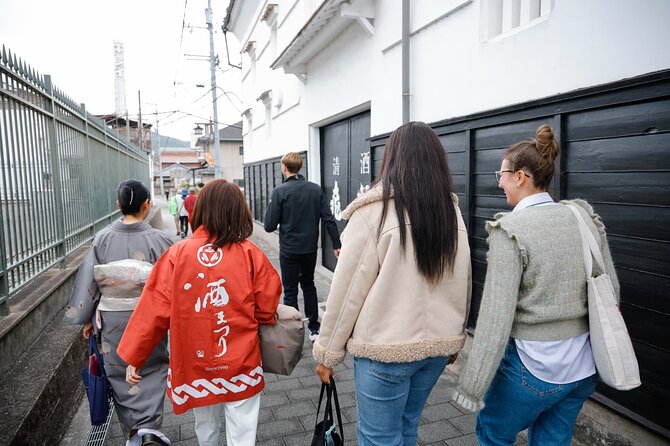
- Wear comfortable walking shoes. You’ll cover about 1.5 km and you’re on your feet during tastings.
- Bring a light layer. Indoor spaces and seasonal temperatures can swing, and warm sake may be offered in winter season.
- Keep water nearby mentally. Even if you don’t drink much, pace yourself through the eight tasting pours.
If you’re traveling with language needs, the tour notes that Spanish-speaking guides can also be arranged if you inquire in advance. That’s a helpful option if you’d rather not rely on English the whole time.
Who should book this tour in Hiroshima
Book it if you:
- Want a focused Hiroshima sake tour in the Saijo area without complex planning
- Like structured tasting where you learn what you’re drinking
- Enjoy small-group travel with time for questions
Skip it if you’re:
- Expecting a full behind-the-scenes brewing observation (the tour doesn’t include that)
- Not comfortable with being around alcohol tastings for the full 2-hour window
- Sensitive to walking (it’s only about 1.5 km, but it’s still walking)
Should you book the Hiroshima Saijo Sake Tasting Tour?
I think this is an easy yes for first-timers and for people who want more than a basic “two breweries and done” day. The mix of Daiginjo-type, Junmai-style, and cloudy sake gives you a real spread, and the small-group structure makes the guidance feel useful instead of rushed.
If your main goal is learning how sake styles differ through taste—not just collecting photos—this tour is well matched. Just show up with good shoes, plan for alcohol tastings at a relaxed pace, and treat the information stops as part of the experience, not downtime.
FAQ
How long is the Hiroshima Saijo sake tasting tour?
It’s about 2 hours.
How many breweries and sake types are included?
You visit seven sake breweries and sample eight different types of sake.
Where do I meet the guide?
You meet at the Higashihiroshimashi Information Centre (12-3 Saijōhonmachi, Higashihiroshima). The tour also includes a first stop at Saijo Station outside the ticketing gate.
Do I need Japanese to enjoy the tour?
No. The tour includes an English guide. Spanish-speaking guides can also be arranged if you inquire in advance.
How much walking is involved?
You’ll walk about 1.5 km over the 2-hour tour. Comfortable walking shoes are recommended, and you should have a moderate physical fitness level.
Can I observe the sake brewing process during the tour?
No. This is a tasting tour, so you won’t be able to observe the sake brewing process.
What if I’m late to the start time?
If you’re more than 15 minutes late, it’s treated as a cancellation and the amount you paid will not be refunded.
Is cancellation free?
Yes. You can cancel up to 24 hours in advance for a full refund. If you cancel less than 24 hours before the start time, it won’t be refunded.