REVIEW · HIROSHIMA
Hiroshima Saijo Sake Tasting Guided Tour – 7 Breweries in 2 Hours
Book on Viator →Operated by DeepExperience · Bookable on Viator
Saijo turns a short walk into serious sake education. This Hiroshima guided tour lines up seven breweries in about two hours, so you can compare styles fast, with context on why each one tastes the way it does. Expect a loop through Saijo’s long-running brewery corridor, where the water and local history helped make the town a major sake hub.
I like this tour for two big reasons. First, I love the guide-led mix of brewing know-how and place context, especially when the guide is someone like Ram, Emoke, or Masa. Second, I love that you taste across dry and sweet directions rather than just sampling the same profile over and over.
One caution: the exact tasting lineup and timing can shift based on what breweries are operating that day, and Japanese law means under-20s can’t taste alcohol even if they join the tour.
In This Review
- Key things to know before you go
- Saijo’s brewery street: why the format works so well
- Price and value: what $73.30 really buys you
- Getting started at Saijo Station and keeping the day simple
- Stop-by-stop: comparing seven Saijo styles in real time
- Stop 1: Saijosakagura-dori street (the lineup-maker)
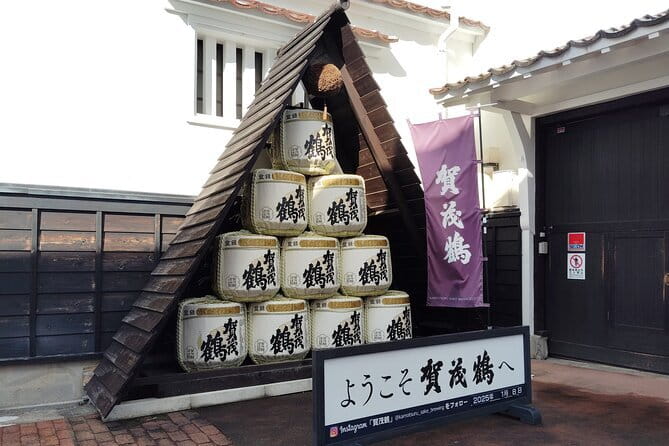
- Stop 2: Kamotsuru Sake Brewery (balance and royal-grade reputation)
- Stop 3: Fukubijin (training masters and building the culture)
- Stop 4: Kamoizumi (traditional methods, premium focus)
- Stop 5: Kirei (local ingredients and a smooth, rich profile)
- Stop 6: Saijotsuru (hands-on, small but respected)
- Stop 7: Hakubotan (1675 roots and an easy-drinking mood)
- Bonus stop note: schedules and operations can change
- The guides: when personality turns facts into fun
- Taste smart: how to get more out of each pour
- Weather, comfort, and what to wear
- Who should book this Saijo sake tour
- Should you book the Hiroshima Saijo Sake Tasting Guided Tour?
- FAQ
- How long is the Hiroshima Saijo sake tasting guided tour?
- How much does the tour cost?
- How many breweries do you visit?
- Where does the tour start and end?
- Is mobile ticketing used?
- Can people under 20 years old taste alcohol?
- Is free cancellation available?
Key things to know before you go
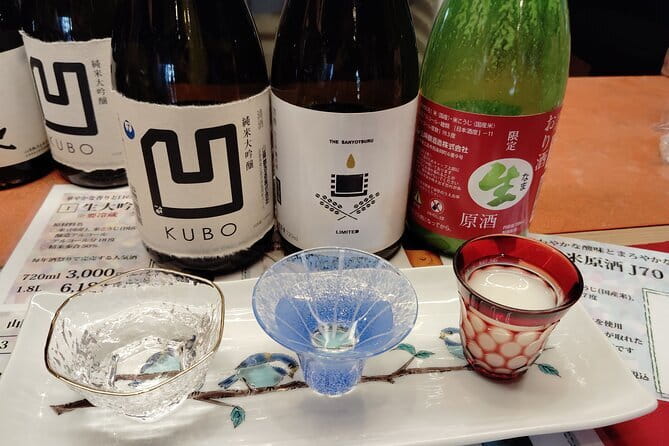
- Seven breweries in roughly two hours, with short stops that keep comparison easy
- Saijo’s flavor focus: clean, gentle sweetness built on good water and a strong brewing culture
- Big variety in a small town: some houses lean dry, others go sweeter
- Small group size (max 6) makes questions and pacing more personal
- Brewing stories connect the dots, not just the pour
- You may add extra tastings for cost, if you want to go deeper
Saijo’s brewery street: why the format works so well
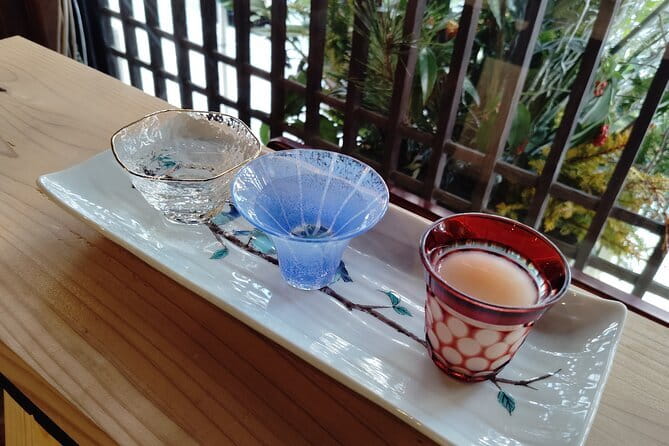
Saijo is one of the three classic sake-brewing areas in Japan, along with Nada (Hyogo) and Fushimi (Kyoto). The point here isn’t just that you can find breweries. It’s that the breweries sit close together, and each one has a slightly different flavor target. That makes Saijo ideal for a guided tasting route: you can change your palate hour to hour and still stay oriented.
This tour is built for speed and clarity. You start at Saijo Station, then move through the brewery streets in a way that keeps walking manageable. Reviews from past groups also hint that the route feels easy underfoot, with everything close enough that you’re mostly paying attention to what’s in your cup, not what’s under your feet.
The other reason I like the format is that it teaches you how to listen to sake. You’re not just tasting. You’re learning the language of softness vs. sharpness, and dryness vs. gentle sweetness, as you go. In a place known for export-minded output since the rail era, that comparison matters.
You can also read our reviews of more tours and experiences in Hiroshima.

Price and value: what $73.30 really buys you
At $73.30 per person for about 2 hours, this isn’t the cheapest way to drink sake in Japan. But it does feel like a solid value when you look at what’s included in practice.
You’re paying for:
- A live guide who explains what you’re tasting and why
- Admission access built into the route for several breweries
- A curated sequence across seven different breweries, so your taste testing has structure
Also, the tour is listed as having group discounts and a mobile ticket, which usually means less hassle on arrival. On top of that, past groups highlight that guides can adjust pacing. One guide style you might see is letting you go at your own pace, with the option to add more tastings at additional cost. That’s how you turn a fixed schedule into something you can steer a bit.
If you’re a total beginner, the structure is the product. If you already know what you like, the structure still helps you spot differences quickly. You’re essentially doing a focused lineup comparison without needing to plan each stop yourself.
Getting started at Saijo Station and keeping the day simple
You meet at Saijo Station and the tour ends back at the meeting point. That’s a big deal for a sake crawl, because it keeps you from having to puzzle out trains or taxis after your taste buds get busy.
You’ll also want to think about timing. It’s about two hours, so plan for a tight, concentrated block of the afternoon. The stop durations are short, usually in the 10–20 minute range, which keeps the comparisons fresh. It also means you won’t get an all-day deep production tour experience at just one brewery. Instead, you get a “greatest hits” sampler across multiple houses.
And if you’re traveling with someone who can’t taste (under 20), you can still participate in the walk, the history, and the explanations. The legal restriction is real—taste itself isn’t allowed—but the guided context still works.
Stop-by-stop: comparing seven Saijo styles in real time
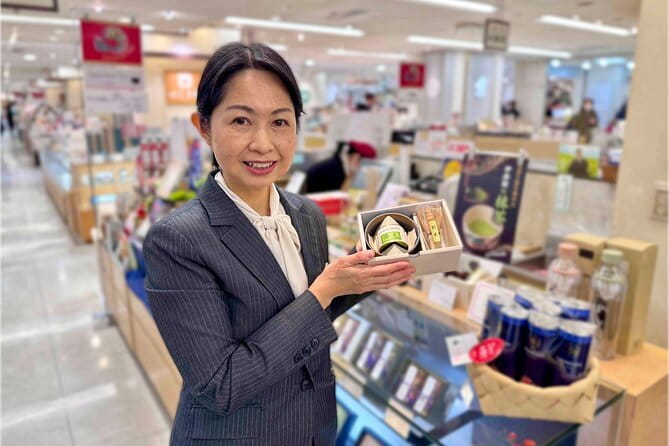
Saijo’s brewery corridor is sometimes described as a line of houses where each one swings the flavor dial a bit. Your tour keeps that promise. Here’s what each stop adds to your understanding.
Stop 1: Saijosakagura-dori street (the lineup-maker)
You start on Saijosakagura-dori Street, where multiple breweries share the same neighborhood energy. The value of the opening stop is calibration. Your guide can help you notice the first differences in dryness vs. sweetness right away, before your palate tires later in the route.
Because you’re surrounded by breweries, it also helps you get oriented with the town’s identity. Saijo’s story is tied to good water and the growth that followed the railroad, when sake moved outward to western Japan and beyond. Starting here sets the stage.
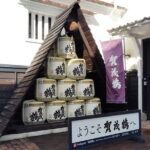
Stop 2: Kamotsuru Sake Brewery (balance and royal-grade reputation)
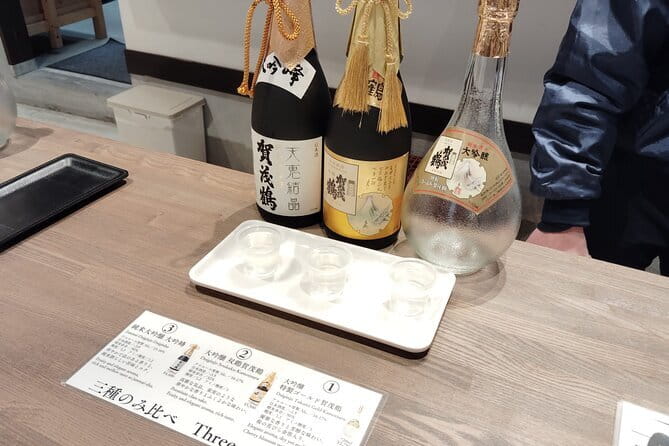
Next comes Kamotsuru, founded in 1873 in Higashihiroshima. This house is known for sake presented to the Japanese Imperial Family, which is a good hint that you’re likely dealing with a refined, balanced style.
This stop is a great place to pay attention to how “smooth” can mean different things. You might sense gentle sweetness, but the key is the structure—how the flavor sits on your palate without feeling heavy.
Stop 3: Fukubijin (training masters and building the culture)
Then you’ll hit Fukubijin, founded in 1917. Its reputation includes being a former training hub for master brewers, shaping Saijo’s sake culture.
This stop is less about one single “signature taste” and more about learning how brewing houses build style through people, not just recipes. If you like stories about craft passing from generation to generation, this one tends to click.
Stop 4: Kamoizumi (traditional methods, premium focus)
At Kamoizumi, the emphasis is on traditional brewing methods and premium sake. The practical takeaway: as you move through the route, don’t look only at sweetness or dryness. Ask yourself what the brewery seems to prioritize—clean finish, softer mouthfeel, or something more structured.
This stop also shows you that “traditional” doesn’t automatically mean “simple.” You’re often still tasting layered choices.
Stop 5: Kirei (local ingredients and a smooth, rich profile)
Kirei was established in 1887 in Hiroshima and is known for smooth, rich sake made with local ingredients. The value here is connecting the dots between ingredient choices and the feel of the sake.
When the tour moves quickly, that kind of explanation keeps you from treating everything like a blind tasting. You get to form a more reasoned opinion.
Stop 6: Saijotsuru (hands-on, small but respected)
Saijotsuru is described as small but respected, with a hands-on approach and traditional methods using soft water and time-honored techniques.
This is often the stop where people realize that terroir and water aren’t marketing words in sake. They show up as texture. You might notice the difference in how the sake lands, how it fades, and whether it tastes airy or more grounded.
Stop 7: Hakubotan (1675 roots and an easy-drinking mood)
You finish at Hakubotan, founded in 1675. This is the calm, nostalgic option in the lineup, with mellow, easy-to-drink sake in a historic setting.
In a two-hour tour, the ending matters. One practical tip from a past group is to consider how you pace your tasting so the final flavors still feel distinct. If you rush earlier tastings, the last stop can feel less differentiated. If you keep some palate space, Hakubotan tends to land nicely.
Bonus stop note: schedules and operations can change
The route includes seven brewery visits, but the exact lineup and tasting experiences may vary depending on operating conditions that day. That’s normal in small-town brewing tourism, and your guide can usually steer you smoothly through changes.
The guides: when personality turns facts into fun
The biggest standout from the groups that went is the guide quality. A great guide doesn’t just pour and explain. They build a flow where you taste, ask, and connect.
If you get Ram, you’re likely in for history plus constant responsiveness. One highlight: Ram was attentive and helpful for an 87-year-old participant, with a pace that respected energy levels while keeping the tour informative.
If you get Emoke, you can expect warmth and clear guidance. Another group noted how Emoke helped them understand the process and answered questions in a friendly way.
And if you get Masa, you may find it feels extra smooth from the first minute. One group described Masa waiting at Saijo Station and making it nearly a private experience, plus helping them go back for gifts they wanted to take home.
What you should watch for, regardless of guide name:
- Whether your guide explains what you’re tasting in simple terms
- Whether they adjust pace so you don’t feel rushed
- Whether they invite questions rather than treating the tour like a lecture
Taste smart: how to get more out of each pour
Sake tasting in a group can go one of two ways: either you remember the best one, or you remember a blur. You can steer toward the first outcome with a few tactics.
- Start slower than you think you need. The first pours set your comparison framework.
- Notice balance, not just sweetness. A “gentle sweetness” style can still feel dry in structure, depending on the brewery.
- Ask a focused question. Instead of asking which is best, ask what makes one feel cleaner or more mellow than another. Your guide can connect that to brewing choices.
- Use the guide’s pacing. Some guides will let you go at your own speed. If you want extra tastings, there’s usually an option, but it comes with the cost of additional pours.
If you’re sensitive to alcohol or just prefer not to overdo it, plan small sips and take breaks between breweries. The tour is designed for walking and quick comparisons, so small pauses help you reset.
Weather, comfort, and what to wear
Because this is mostly a short walking circuit, you’ll want comfortable shoes. The route is described as easy terrain, but it still helps to dress for a warm or rainy day in Hiroshima.
Also, bring a small bag for any bottles you buy later. Several groups have mentioned going back to breweries for gifts after the main tasting loop, which makes sense in Saijo—after you taste, you want to take something home that matches your new favorites.
Who should book this Saijo sake tour
This tour makes the most sense for you if:
- You’re new to sake and want a guided way to learn the basics quickly
- You want variety across multiple breweries without planning each stop
- You like history tied directly to the place, not history in a vacuum
- You want a small group setup (max 6) so you can ask questions
It might be less ideal if:
- You want a long, deep manufacturing tour at a single brewery
- Your group needs long restroom breaks or slow walking time; the stops are short and keep moving
And if you’re bringing teens, remember the alcohol tasting restriction under 20 by Japanese law. They can still join, but they won’t be tasting the sake themselves.
Should you book the Hiroshima Saijo Sake Tasting Guided Tour?
If your goal is to understand Saijo fast—how it tastes, why it tastes that way, and how each brewery differs—this tour is a strong pick. The best part is the pairing of seven breweries with a guide who can connect each pour to the town’s brewing logic. With a small group and short, well-timed stops, you get a clean comparison without it turning into a marathon.
Book it when you want a practical afternoon plan in Hiroshima that feels genuinely local. Skip it only if you want one brewery experience in depth rather than a curated Saijo lineup.
FAQ
How long is the Hiroshima Saijo sake tasting guided tour?
It runs for about 2 hours.
How much does the tour cost?
The price is $73.30 per person.
How many breweries do you visit?
The tour visits seven sake breweries, though the exact number and tasting details can vary depending on operating conditions on the day.
Where does the tour start and end?
It starts at Saijo Station in Saijocho Saijo, Higashihiroshima, Hiroshima, and ends back at the meeting point.
Is mobile ticketing used?
Yes, the tour includes a mobile ticket.
Can people under 20 years old taste alcohol?
No. By Japanese law, people under 20 are not allowed to taste alcohol, even if they participate.
Is free cancellation available?
Yes. You can cancel up to 24 hours in advance for a full refund.