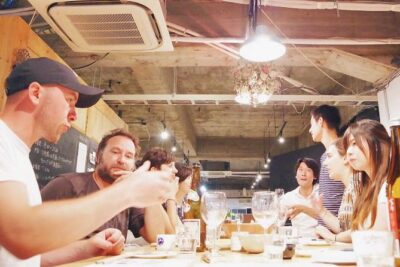
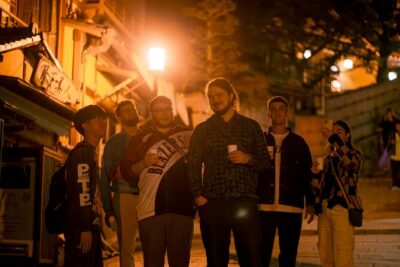
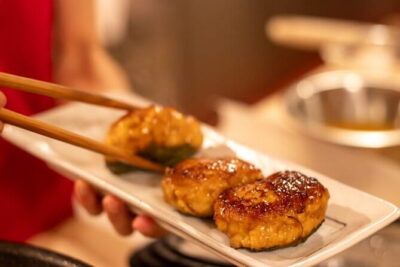
Saijo sake tasting in 90 minutes. The layout is the big win here: seven breweries are within easy walking distance of Saijo Station, and you’ll hit three of them with an English-speaking guide who explains what makes each style different. I especially love the way the tour mixes history with practical tasting notes, so you’re not just swallowing small cups and hoping for the best.
The other thing I like: you get to compare styles side by side—daiginjo, junmai, and even umeshu (plum wine)—so your favorites usually show up fast. One consideration: this is a tasting tour, not a brewing tour, so you won’t see the brewing process.
In This Review
- Why this works so well (even if you’re new)
- Key points you’ll care about
- Saijo Sake Country: Why walking makes sense here
- Timing and meeting: The 90-minute pace
- Stop 1: Kamotsuru Sake Brewery and the daiginjo-style intro
- What you’ll get from this stop
- A practical note
- Stop 2: Fukubijin Sake Breweries and the junmai-shu comparison
- Why junmai is a great mid-tour anchor
- What to pay attention to
- Possible drawback to consider
- Stop 3: Hakubotan (founded 1675) and the Hiroshima Gensyu moment
- Why the plum wine addition is worth it
- The one thing to remember
- What you really learn: Tasting notes that transfer to real life
- Price and value: $35.93 for guided comparison
- Who should book this tour (and who might skip)
- Tips for getting more from your tasting
- Should you book this Saijo sake tasting tour?
- FAQ
- What is the duration of the Hiroshima Saijo sake tasting tour?
- Where do I meet for the tour?
- How many breweries are visited?
- Is the tour only for drinking alcohol?
- What types of sake do I get to sample?
- Can I observe the sake brewing process?
- What is the minimum age to join?
- Can the guide speak languages other than English?
Why this works so well (even if you’re new)
The best sake tours are the ones that teach you how to look at flavor without making it complicated. This one keeps it moving—about 1 hour 30 minutes—and the guide gives you enough background to taste with confidence instead of guessing. Also, some breweries don’t offer tastings on weekdays, so being able to sample across multiple stops in one go can be especially valuable.
A heads-up before you go: the legal drinking age in Japan is 20, and the tour doesn’t allow anyone under 20 (including infants). Even if you don’t drink, the tour fee stays the same.
Key points you’ll care about
- Three breweries on foot near Saijo Station, so you spend time tasting instead of commuting
- English guide with explanations that actually help your palate
- Five different sake samples across the course, including daiginjo-leaning styles and junmai
- Compare cool-season options, like warm sake during winter season at Fukubijin
- No brewing observation, just tastings and short brewery intro moments
- Small group size (max 10) for a calmer, more interactive feel
You can also read our reviews of more tours and experiences in Hiroshima.

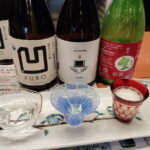
Saijo Sake Country: Why walking makes sense here
Saijo is one of Japan’s major sake-producing areas, and the biggest practical advantage is distance. Around Saijo Station, you can find multiple breweries close enough that a smart itinerary can cover several places on foot. That matters because sake culture is slow food energy, in the best way: you’re meant to linger, smell, sip, and compare.
On this tour, you don’t try to see everything in the prefecture. You focus on what’s useful: the breweries’ approaches, what they’re known for, and how their pours differ. If you’re new to sake, this is an easy entry point. If you already like sake, it becomes a quick way to sharpen your preferences—especially because you’re tasting multiple categories instead of repeating the same bottle.
Timing and meeting: The 90-minute pace
You start at Saijo Station, meeting in front of the Tourist Information Center right outside the ticketing gate. The tour starts at 10:30 am and runs about 1 hour 30 minutes. The schedule is designed so you can comfortably fit it into a bigger day in Hiroshima-area towns.
A couple of small realities to know:
- The order of the brewery stops can change depending on group flow.
- You’re tasting, not touring production lines—so it feels more like a guided tasting session across venues.
- If you’re more than 15 minutes late, it’s treated as a cancellation and your payment isn’t refunded.
If you want the smoothest experience, aim to arrive a little early, get your bearings outside the ticket gates, and keep your schedule loose for the rest of the morning.
Stop 1: Kamotsuru Sake Brewery and the daiginjo-style intro
Kamotsuru is the first brewery you visit, and it sets a clear tone. The focus here is on ginjo-style sake, and the tour includes a short video (about 10 minutes) introducing the sake-making process and a tasting called Daiginjo-Type, specifically Daiginjo Gold Kamotsuru.
This is a smart way to start because it gives you a frame before you taste. You hear what tends to matter in the premium end of sake—how fermentation, rice polishing, and careful brewing choices can show up in aroma and texture. Then you taste with that in mind, which makes the next stops easier to understand.
What you’ll get from this stop
- A quick primer on premium sake concepts
- A tasting that leans toward a daiginjo-type profile
- The feeling of starting the day with a “top end” comparison
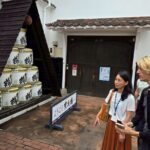
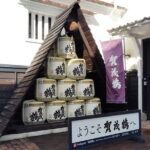
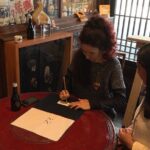
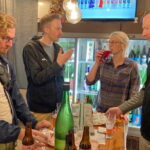
A practical note
Kamotsuru includes an official visitor-room component with the video. It’s short, but it’s the kind of segment that can help you avoid the most common beginner mistake: drinking sake without noticing the differences.
Stop 2: Fukubijin Sake Breweries and the junmai-shu comparison
Next up is Fukubijin. This brewery is tied to a Saijo Brewing School legacy and has produced many master brewers. That background matters because it explains why their sake identity isn’t just brand marketing—it’s connected to training and craft.
During this stop, you’ll taste Fukubijin Junmai-Shu. If you’re going in winter, there’s an extra bonus: warm sake is available during the winter season, which can make a big difference in how you perceive sweetness, aroma, and comfort.
Why junmai is a great mid-tour anchor
Daiginjo-style sake can feel crisp and aromatic. Junmai can feel more grounded and rounded. By placing junmai after a daiginjo-type taste, the tour gives you a real contrast without needing technical jargon.
What to pay attention to
At this point in the tour, I’d suggest slowing down your tasting slightly—don’t rush the comparisons. Notice how the warmth (if it’s offered) changes what you detect. Temperature is not a minor detail in sake tasting; it’s one of the fastest ways to change the mood of the glass.
Possible drawback to consider
Some course items list admissions as not included for this stop, which can be confusing if you expect everything to be fully covered in every way. The tour does include multiple tastings overall, but it’s worth going in expecting that the exact tasting components can be tied to what’s offered at each venue.
Stop 3: Hakubotan (founded 1675) and the Hiroshima Gensyu moment
Your final stop is Hakubotan, one of the oldest breweries in Hiroshima Prefecture, founded in 1675. That’s old enough to feel like the brewery isn’t chasing trends; it’s built around continuity.
Here, you’ll taste Hiroshima Gensyu (labeled as 広島原酒) and also plum wine soaked in Daiginjo-shu—an umeshu-style tasting component. This is the stop where the tour becomes fun in a different way. If you’re used to just sake, the plum wine often becomes your wildcard favorite because it brings fruit sweetness and a gentle tang that can pair nicely with the rest of your day’s flavors.
Why the plum wine addition is worth it
Even if you’re not a big sweet-drink person, umeshu can be a useful tasting tool. It helps you pick up the difference between:
- sake’s rice-driven fermentation character, and
- fruit-forward sweetness and acidity from plum
Then, you can come away knowing what you actually prefer, not just what sounds fancy.
The one thing to remember
Hakubotan’s tastings include distinctive items. If you’re aiming to choose a “must-buy” style later, this stop is where you’ll likely decide. Take notes in your head: aroma you liked, warmth you liked, and whether you preferred dry or fruit-forward.
What you really learn: Tasting notes that transfer to real life
The guide’s explanations are short and useful. The tour doesn’t pretend you’ll become a sake sommelier in 90 minutes. Instead, it teaches you how to notice differences you can carry forward when you’re shopping in Japan.
Here’s what I think is the transferable value:
- You learn how breweries communicate identity through style (ginjo/daiginjo type vs junmai).
- You experience temperature differences (like warm sake during winter season).
- You taste a fruit-based option (plum wine soaked in Daiginjo-shu), so your preferences include more than just “dry or not.”
Also, since the group is small—up to 10 people—the guide can keep the mood friendly rather than robotic. That matters when you’re tasting, because you want permission to ask questions and adjust your palate.
Price and value: $35.93 for guided comparison
At $35.93 per person, this isn’t a bargain you’d call “cheap.” But it also isn’t a splurge that feels overpriced for what you get. The value comes from three things working together:
- An English guide who gives context while you taste
- Five different sake types included as part of the experience
- Three breweries in a tight itinerary so you’re comparing brands efficiently
If you’ve ever tried to plan a self-guided tasting crawl, you know the pain: opening hours, limited tastings, and ending up in one place that doesn’t pour on certain days. This tour is designed to solve that problem by bundling multiple breweries into one planned route, and it’s especially valuable on days when some breweries don’t offer tastings.
So the math isn’t only about number of cups. It’s about buying back time and reducing the chance of a “nothing to sample here” disappointment.
Who should book this tour (and who might skip)
This tour is ideal if:
- you want an easy introduction to Hiroshima-area sake
- you like sampling multiple styles instead of buying one bottle blindly
- you enjoy guided explanations, even if you don’t know much about sake now
You might skip it if:
- you’re hoping to watch brewing equipment or see the production process (you won’t)
- you want a long, slow museum-style experience at each brewery
- you’re traveling with anyone under the age requirement (Japan’s legal drinking age is 20)
It also helps to know the tour can accommodate Spanish-speaking guides if you ask in advance, which is a nice option if English isn’t your best fit.
Tips for getting more from your tasting
You’ll enjoy the experience more if you treat it like a guided comparison, not a checklist. Here are a few ways to make it click:
- Start with one goal: decide whether you like more aromatic premium styles or more grounded junmai character.
- Pay attention to temperature options. Warm sake (when offered) can shift how sweet or fragrant a sake feels.
- If you don’t drink alcohol, you can still come for the explanations and tasting context, since the tour includes the guide’s brewery stories and set structure even when you skip the pours.
Most importantly, don’t try to judge everything at once. Let one stop influence the next. That’s where the tour format does its best work.
Should you book this Saijo sake tasting tour?
If you want an efficient, guided way to taste Saijo without wasting time figuring out which breweries pour on which days, I’d book it. The itinerary is tight, the guide helps you taste with intention, and the mix of styles—daiginjo-type, junmai, and plum wine—means you’ll likely leave with at least one clear favorite.
My only caution is simple: if your dream is to watch the brewing process, this isn’t that tour. But if your dream is learning what you like and making better sake choices afterward, this is a strong start in Hiroshima sake country.
FAQ
What is the duration of the Hiroshima Saijo sake tasting tour?
The tour lasts about 1 hour 30 minutes.
Where do I meet for the tour?
Meet in front of the Tourist Information Center at Saijo Station, located right outside the ticketing gate.
How many breweries are visited?
You visit three sake breweries within the tour.
Is the tour only for drinking alcohol?
No. It is a tasting tour with alcoholic beverages included, but if you choose not to drink, the tour fee remains the same.
What types of sake do I get to sample?
The tour includes tastings of five different types of sake, including daiginjo, junmai sake, and umeshu (plum wine).
Can I observe the sake brewing process?
No. This is a tasting tour, and you will not be able to observe the sake brewing process.
What is the minimum age to join?
Japan’s legal drinking age is 20, and participants under 20 are not allowed to join, including infants.
Can the guide speak languages other than English?
Spanish-speaking guides can be arranged if you inquire in advance.