REVIEW · KOBE
Kobe: 3-Hour Sake Breweries Tour with Special Tasting
Book on GetYourGuide →Operated by DeepExperience, Inc. · Bookable on GetYourGuide
Sake gets personal fast when you smell it up close. This 3-hour tour in Nada Gogo takes you through three breweries, with hands-on explanations of how the rice becomes character-filled sake and tastings that actually help you learn by comparing styles. You start in front of Hanshin Uozaki Station, then head into the working world of Japan’s sake industry.
What I like most is the way the experience turns facts into something you can taste. The guide’s talk isn’t just history talk; it ties directly to brewing choices like rice polishing and fermentation, so every pour has a reason. Guides such as Kaito and Chiyuki often add memorable touches too, from simple Japanese sayings to on-the-spot pacing that keeps the tour smooth.
One possible drawback: you’ll be walking between breweries, and the weather can be brutal. One tour description even mentions 37°C heat, so plan for sun and humidity and take the guide’s breaks seriously—small things like ice cream can matter.
In This Review
- Key takeaways before you go
- Nada Gogo in plain terms: why this area matters
- Meeting at Hanshin Uozaki Station and how the day flows
- The three breweries: what each stop is really for
- Stop 1: Traditional brewing space with practical context
- Stop 2: Where old techniques meet modern brewing
- Stop 3: A closer look through tastings and finishing stories
- Tastings: how to taste like you actually learned something
- What you learn on the brewing side (rice polishing to fermentation)
- Rice polishing: why it changes everything
- Fermentation: the character maker
- Culture and history: not just dates, but practice
- Walking, heat, and group comfort: what to plan for
- Price and value: is $94 worth it?
- Who this tour suits best
- Should you book this sake brewery tour?
- FAQ
- How long is the Kobe sake breweries tour?
- How much does it cost?
- Where do I meet the guide?
- What’s included in the price?
- What languages are available?
- Can I reserve now and pay later?
- What is the cancellation policy?
Key takeaways before you go

- Three-brewery structure: you taste across different makers, so you learn to spot style differences instead of sampling randomly.
- Special tasting access: each stop includes tasting fees up to 1,000 yen per brewery, which helps the price feel more fair.
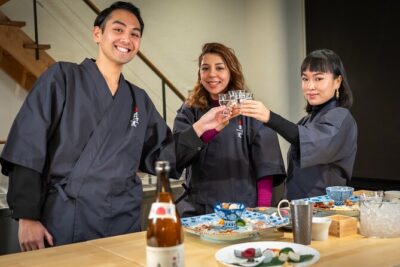
- Guides with personality: English/Japanese support plus added flair, like humor, Japanese sayings, and hands-on explanations (not just a lecture).
- What you learn ties to what you drink: topics like rice polishing and fermentation link directly to flavor profiles.
- Weather is real: you’ll walk, so bring sun protection and a water plan for hot days.
Nada Gogo in plain terms: why this area matters
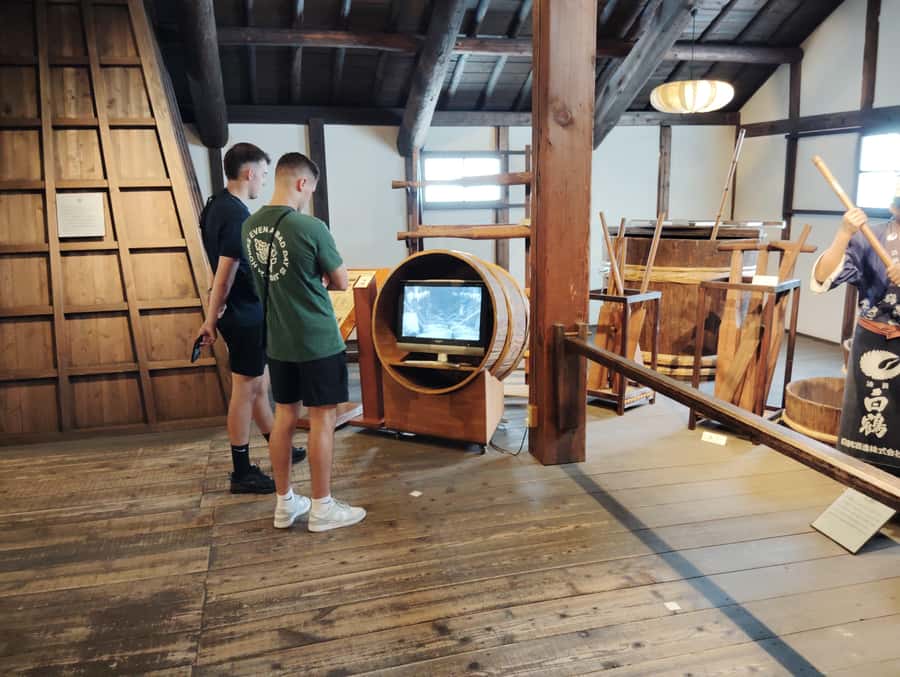
Nada Gogo is one of Japan’s best-known sake regions, and it earns its reputation for more than marketing. The short version: breweries here have built a culture around refining ingredients, controlling fermentation, and making sake that reflects local brewing conditions.
The tour is designed so you don’t just hear the word tradition and stop there. You see how old methods meet modern brewing setups inside working facilities. That contrast matters because sake flavor is sensitive. Small changes in how rice is polished, how yeast is managed, and how fermentation is guided can shift aroma, sweetness, dryness, and texture.
If you like food tours that actually teach, you’ll probably feel the difference here. Instead of wandering a single shop, you compare multiple breweries back-to-back, which turns taste into a lesson.
You can also read our reviews of more tours and experiences in Kobe.

Meeting at Hanshin Uozaki Station and how the day flows
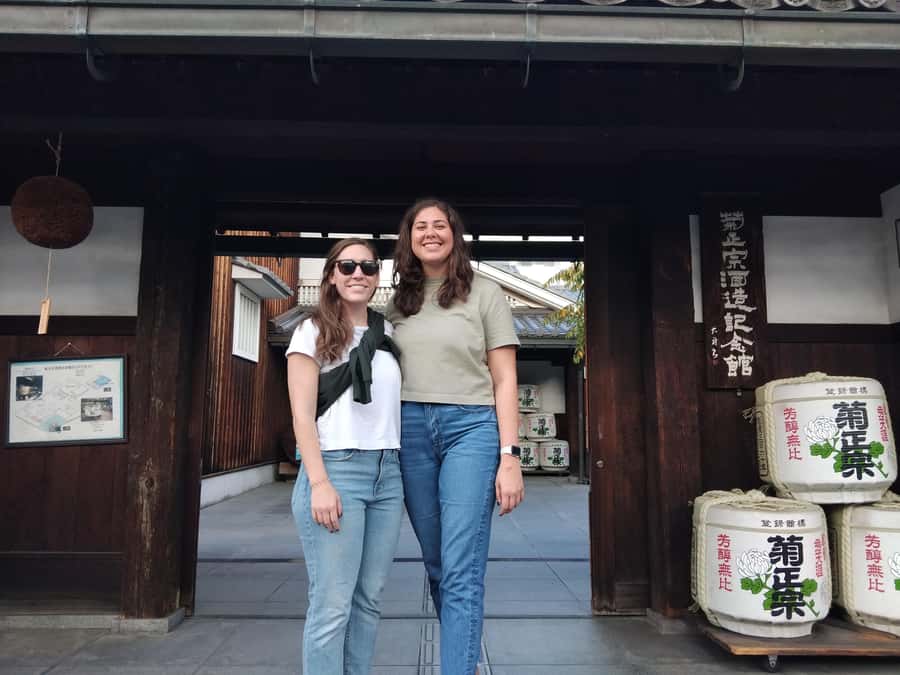
Your tour meets at the front of Hanshin Uozaki Station ticket gate. The guide holds a yellow DeepExperience sign, which makes it easy to spot everyone quickly and start on time.
From there, the tour moves at a relaxed pace, but it’s still a real half-day activity. You’ll spend most of your time with your guide at brewery stops, then connect the dots with walking. The pace is usually well managed by guides like Chiyuki, who kept tours perfectly paced in at least one example group.
This is also where languages matter. The experience runs in English and Japanese, so you should expect explanations to match the group language. If your Japanese is limited, the format still works well because the guide is actively guiding your understanding of what to taste and why.
The three breweries: what each stop is really for
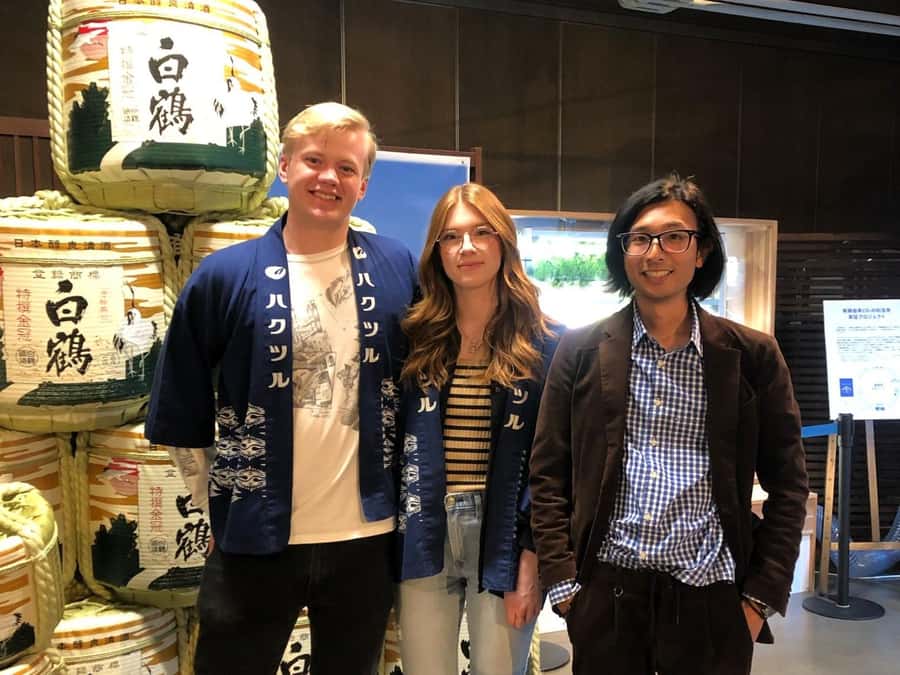
The tour visits three distinguished breweries in Nada Gogo. You don’t get one long factory lesson and then a token sip. The format is built around repetition: see the process, hear the story, then taste.
In one example lineup mentioned in tour descriptions, stops include Kikumasamune, Hamafukutsuru, and Hakutsuru. Even if your exact trio differs by departure, the “three-breweries” concept stays the same: you compare approaches and you leave with a clearer sense of what you personally enjoy.
Stop 1: Traditional brewing space with practical context
Your first brewery is often the one that sets the baseline. You’ll typically get an intro to how sake is made and what the guide wants you to notice. Expect your attention to shift from general process to specific decisions like rice selection and milling.
Why it works: the first stop gives you the vocabulary you need for the later tastings. After you understand what rice polishing does (smoother, more refined, different flavor tendencies), the second and third brewery pours make more sense.
A small caution: factories can be active, and viewing areas may be crowded or tight depending on the brewery. Wearing comfortable shoes helps because the tour is not designed for flip-flops.
Stop 2: Where old techniques meet modern brewing
The middle stop tends to show the contrast best. You’ll see traditional brewing facilities alongside more modern innovations. The goal isn’t to grade which is better; it’s to show that sake is both craft and process control.
This is also where guides often connect the dots about fermentation. If you’ve ever wondered why “dry” doesn’t mean the same thing in every glass, fermentation guidance helps you understand what changes the balance of flavors and aromas.
If you’re the type who likes to ask questions, this is a good point to do it. Guides such as Max are known for sharing a lot of context on sake history and production, which helps you connect the dots without feeling lost.
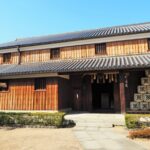
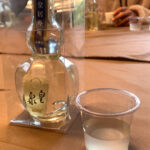
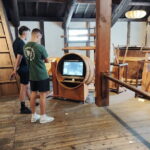
Stop 3: A closer look through tastings and finishing stories
The last brewery stop is where the tasting experience usually becomes the star. By now, you know what to look for: dryness level, aroma intensity, and how the sake changes on the palate.
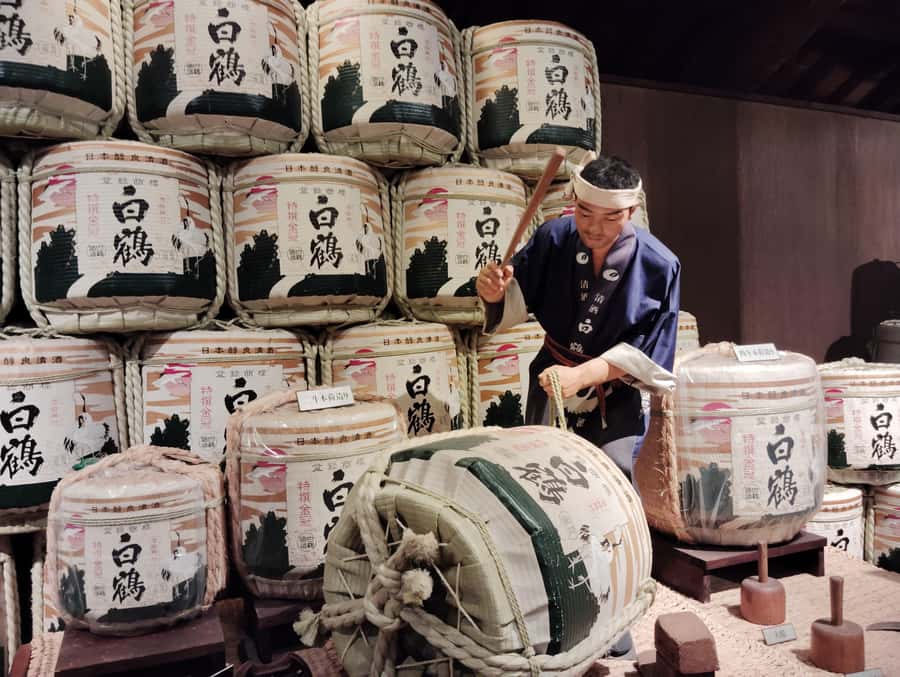
If the group stays engaged, you’ll get a final run of comparisons—often showing how the same region can produce different styles. One tour description also highlights a specific kind of facility visit at Hakutsuru, so if your lineup includes it, you may see notable brewing gear and a strong focus on the craft.
Tastings: how to taste like you actually learned something
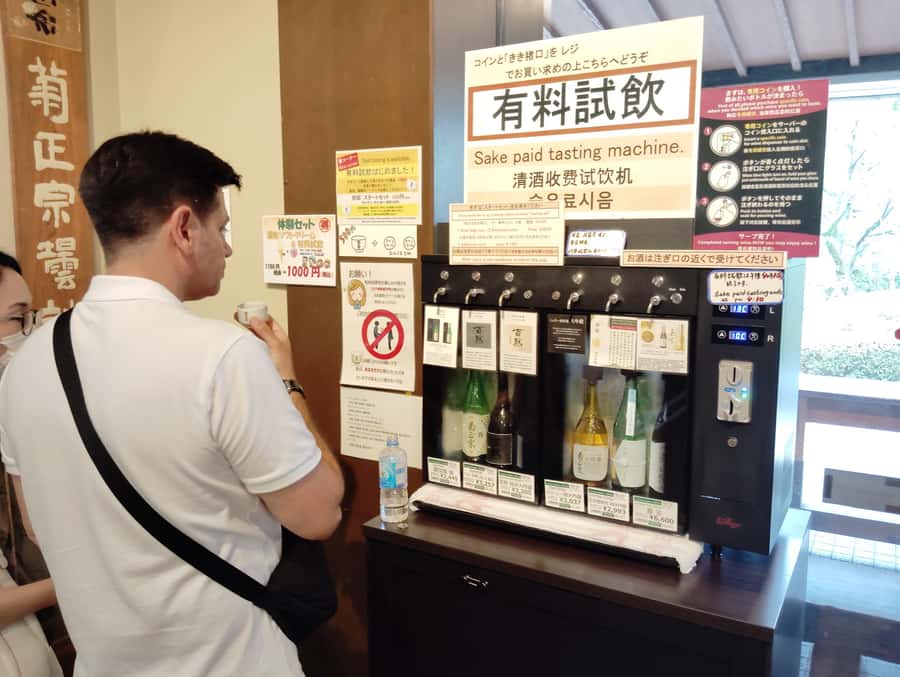
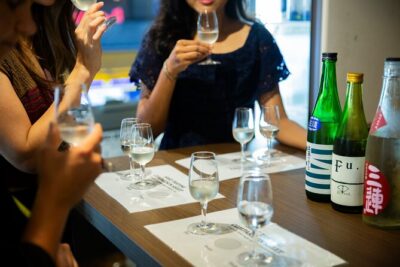
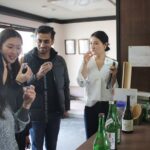
This tour includes exclusive tastings of diverse sake varieties across three breweries. And importantly, tasting isn’t treated like a free-for-all. The structure—three breweries, guided explanations—pushes you toward learning by contrast.
You also get tasting fee coverage of up to 1,000 yen per brewery. In practical terms, that means you’re more likely to sample multiple styles instead of worrying you’ll run out of budget after one or two pours.
Here’s how I’d approach the tasting lineup so you get value:
- Start with the lightest or driest style if the guide offers a choice.
- Smell first, then sip. Many sake notes are easier to pick up through aroma before your tongue confirms sweetness or dryness.
- Between breweries, pause and compare. This is where the learning clicks—your brain tracks differences once you stop treating each pour as a standalone event.
You’ll likely try multiple types—guides often explain categories and production choices while you taste. That’s why this works better for sake lovers than a casual tasting-only stop.
And yes, there are human perks. One tour account mentions ice cream to help handle the heat, which is a reminder that guides can be practical, not just instructional.
What you learn on the brewing side (rice polishing to fermentation)
Sake isn’t one flavor; it’s a set of controlled choices. This tour emphasizes exactly that, with guidance around the key steps that influence the final drink.
Rice polishing: why it changes everything
One of the more specific teaching points mentioned in tour descriptions is that rice polishing defines quality. When rice is milled to different degrees, you’re changing what gets used in the brew. More polished rice generally supports a different style and refinement level.
What this means for you on the tour: you’ll start connecting what you taste—cleaner aromas, different sweetness/dryness balance—to the technical background your guide provides.
Fermentation: the character maker
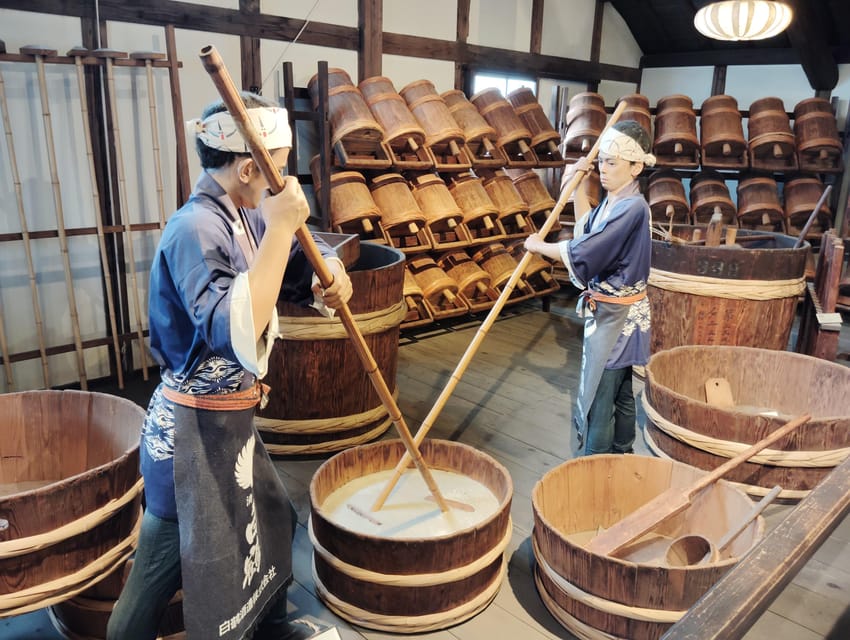
Fermentation is another recurring theme. Even if you don’t remember every term, you’ll grasp the idea that yeast activity, timing, and temperature control shape the sake’s feel and aroma.
This is where the guided format shines. Without explanation, tasting can feel like a blur of labels. With explanation, tasting becomes pattern recognition.
Culture and history: not just dates, but practice
The guides also cover the history and culture of Nada Gogo’s sake traditions. You’re not stuck in museum mode. Instead, history is tied back to craft decisions that breweries still care about today—ways of working, local industry knowledge, and why this region became known for production.
Walking, heat, and group comfort: what to plan for
This is the one area you should treat seriously. The tour involves walking between breweries, and at least one group description notes 37°C conditions.
That doesn’t mean you should cancel your plans. It means you should show up prepared:
- Wear breathable clothes and comfortable walking shoes.
- Bring sunscreen and a hat if you’re sensitive to heat.
- Expect to take small breaks when your guide suggests them.
Guides can also use small “keep it human” tricks. One tour description includes a guide stepping in with ice cream to help people cool down, and another highlights thoughtful care, like providing medicine for a child who couldn’t join due to illness. You’ll feel the difference when the guide treats comfort as part of the tour, not an afterthought.
Price and value: is $94 worth it?
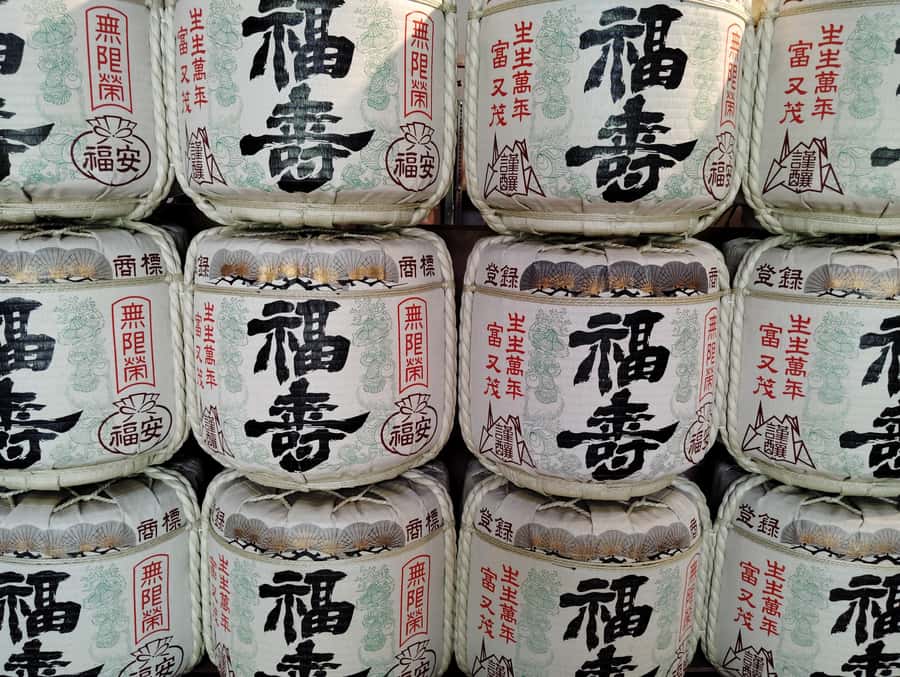
At $94 per person, this tour isn’t a bargain basement activity, but it also doesn’t feel overpriced given what’s included.
You get:
- A professional guide fee
- Tastings at three breweries
- Tasting fee coverage up to 1,000 yen per brewery
That last bullet is the key value lever. If you like trying several sake styles (not just one), the included tasting budget matters. On top of that, the guide experience adds the “why” behind what you drink, which is where sake tasting tours often fall short.
The best part is that the tour is built for learning-through-comparison. If your goal is just to drink, you can find easier options. If your goal is to understand the craft and find your personal favorites, this format makes the cost easier to justify.
Who this tour suits best
This is a great match if you:
- Love food and drink tours that teach, not just entertain
- Want to compare multiple breweries in one session
- Like guided tastings where you get context while you sample
- Prefer English or Japanese explanations that keep pace with what you’re seeing
It’s also a decent fit for culture-focused travelers, because the tour connects production choices with regional identity.
You might want to skip or modify if:
- You struggle with walking in hot weather
- You want a completely hands-off tasting experience with no process talk
- You’re looking for a long sit-down meal focus (this is brewery and tasting focused)
Should you book this sake brewery tour?
If you’re the type who likes to leave with more than souvenirs, book it. The three-brewery format turns tasting into a real comparison exercise, and the guide-led lessons around rice polishing, fermentation, and regional culture give you something practical to carry home.
The one real question is weather tolerance. If it’s hot, you’ll be walking, so come ready. If you can handle that, this tour offers strong value for sake lovers who want to understand what’s in the glass—not just taste it.
FAQ
How long is the Kobe sake breweries tour?
It’s a 3-hour tour.
How much does it cost?
The price is $94 per person.
Where do I meet the guide?
Meet your guide in front of the Hanshin Uozaki Station ticket gate. The guide will be holding a yellow sign with the DeepExperience logo.
What’s included in the price?
The tour includes the guide fee and up to 1,000 yen per brewery for tasting fees.
What languages are available?
The tour is offered in English and Japanese.
Can I reserve now and pay later?
Yes. You can reserve and pay later.
What is the cancellation policy?
You can cancel up to 24 hours in advance for a full refund.
If you want, tell me your travel month and your sake preferences (dry, fruity, aromatic, or traditional). I’ll suggest how to approach the tasting order so you get the best odds of finding your favorites.