REVIEW · KOBE
Kobe: Guided Sake Breweries Tour with Tastings
Book on GetYourGuide →Operated by KampaiSakeTours · Bookable on GetYourGuide
Sake tastes different when you walk for it. In Kobe’s Nada district, an English-speaking guide leads a small group (up to 10) on a 210-minute brewery stroll with tastings that help you understand what you’re drinking.
I love the lineup that ranges from long-running craft breweries to Japan’s biggest-scale sake experience at Hakutsuru. I also love the reset stop at Okage Tofu-an, where fresh tofu keeps the whole evening from turning into one big alcohol blur.
One thing to plan for: it’s about a 4 km walking tour, and the tofu shop tasting is not available on Sundays and public holidays.
In This Review
- Key things I’d circle before you book
- Why Kobe’s Nada district is a sake classroom
- The route: Ishiyagawa to Uozaki, and why the walk is part of the experience
- Kobe Shushinkan (Fukuju): handcrafted sake with 1751 roots
- Okage Tofu-an: the snack stop that keeps your tasting honest
- Hakutsuru Sake Brewery Museum: Japan’s biggest brewery, explained in context
- Kiku-Masamune Shuzo Kinenkan: kimoto method, wooden tools, and a garden reset
- Sake tasting basics you can use all day
- Price and value: what $106 buys you in Kobe
- Who this tour is best for (and who should skip it)
- Should you book KampaiSakeTours’ Kobe breweries tour?
- FAQ
- Where do I meet, and where does the tour end?
- How many breweries will I visit?
- What is included in the price?
- Is the tour in English, and is it a small group?
- How much walking is involved?
- Will I always get tofu tasting at Okage Tofu-an?
- Who is this tour not suitable for?
- Can I cancel for a full refund, and can I pay later?
Key things I’d circle before you book
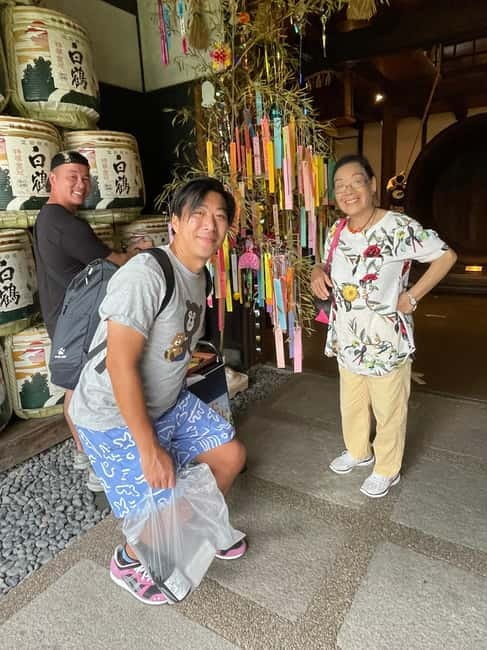
- Kobe’s Nada district focus: One of Japan’s top sake-producing zones, with lots of breweries close together
- 3 to 4 brewery stops with tastings: You’ll sample different styles rather than one flat comparison
- Hakutsuru Sake Brewery Museum visit: A museum-style brewhouse that sets context fast
- Okage Tofu-an pairing: Fresh tofu, plus the chance to try ganmodoki if timing lines up
- English live guide + small group pace: Up to 10 people, so questions don’t get lost
- Souvenir-friendly format: A long tasting day where you can buy bottles after the stops
Why Kobe’s Nada district is a sake classroom
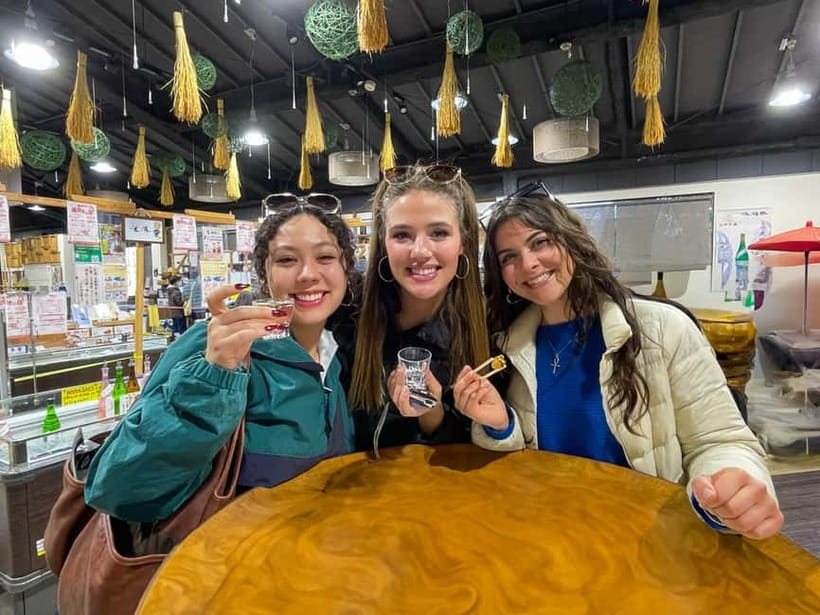
Kobe’s Nada area is famous for producing sake, and it’s easy to see why once you’re standing among the breweries. This region has a dense cluster of operations—more than 26 breweries are based here—so you get variety without huge travel time. That matters, because sake isn’t just about brand names. It’s about water, yeast, fermentation choices, and how each brewery chooses to express taste.
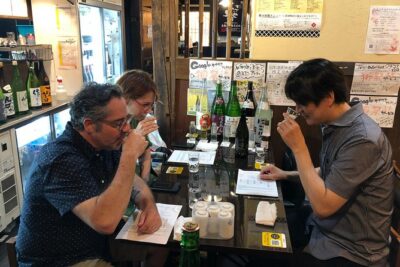
The tour’s big advantage is that it’s built for learning while you’re still in motion. You go from one brewery atmosphere to another, and the guide connects what you’re tasting with what you’re seeing. You’re not forced into a lecture hall. You’re walking, stopping, smelling the air around historic equipment, then tasting the result.
You can also read our reviews of more tours and experiences in Kobe.

The route: Ishiyagawa to Uozaki, and why the walk is part of the experience
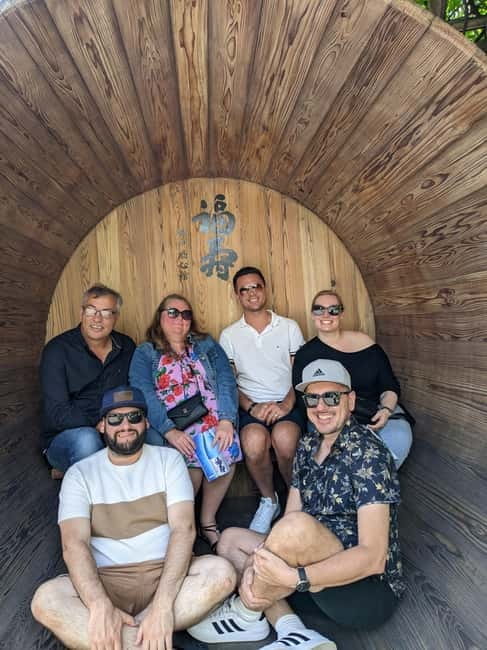
You meet at Ishiyagawa Station on the Hanshin line at 13:00. The tour ends at Uozaki Station (魚崎駅) around 16:30, so plan for a full afternoon. There’s no hotel pickup, so you’ll want to arrive on time and ready to walk.
The pacing is relaxed but steady. Expect about 4 km of walking, plus short stop-and-go blocks where you’ll hear explanations and taste multiple sakes. Comfortable shoes are a must. I’d also treat this like a “carry your purchases” day: the tour notes you may want a backpack, because buying local sake is a real possibility.
Here’s the practical side: the route isn’t just sightseeing. The walk connects the brewery culture of Nada—brick, stone, old-style brewing buildings—so the day feels coherent. If rain or weather gets unpleasant, the operation has shown it can adapt (one booking reported using a car segment to still reach more breweries).
Kobe Shushinkan (Fukuju): handcrafted sake with 1751 roots
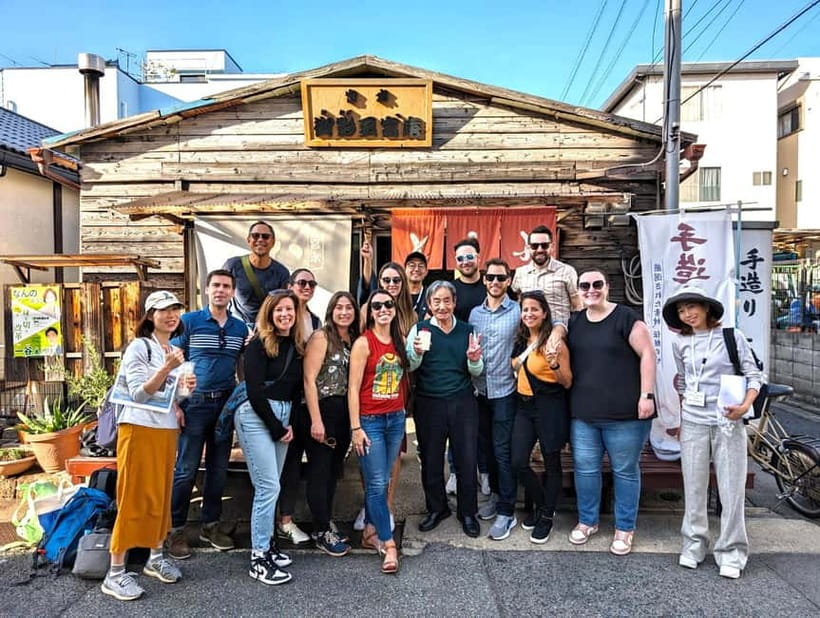
Your first brewery stop is Kobe Shushinkan, associated with the Fukuju name. The brewery traces its founding to 1751, and the emphasis here is on handcrafted production and carrying the value of sake forward.
What I like about starting here is that it frames sake as a craft, not an industrial product. The tour information points to the idea of using high-quality ingredients, with brewers’ sensitivity and time invested into production. Even if you’re new to sake, this stop gives you a mental model: different breweries don’t just taste different; they choose different ways to make taste happen.
You’ll have time to visit at a comfortable pace (about 40 minutes at this stop), which makes it easier to connect explanations to the physical space. This is a good place to ask the guide questions like what differences you should notice in aroma, texture, and how the finish feels after each taste.
Okage Tofu-an: the snack stop that keeps your tasting honest
Between breweries, you’ll walk to Okage Tofu-an for food tasting (about 15 minutes). The tour is clear that this is more than a detour. It’s a traditional-style stop tied to the same theme as sake: clean water matters. The tofu shop’s story leans on fresh, delicate tofu made every morning and delivered with care.
If your timing is right, you can even try ganmodoki (tofu and vegetable fritters) made straight from the kitchen. That’s a small detail, but it matters because it turns the tasting day into a balanced experience: you get savory food so the next pours land better.
There’s also a key consideration: on Sundays and public holidays, the tofu shop is closed, so you won’t stop there and the tofu tastings won’t be available. If you’re visiting on a weekend/holiday, don’t plan your schedule around that snack. Still, the rest of the day is built to work without it.
Hakutsuru Sake Brewery Museum: Japan’s biggest brewery, explained in context
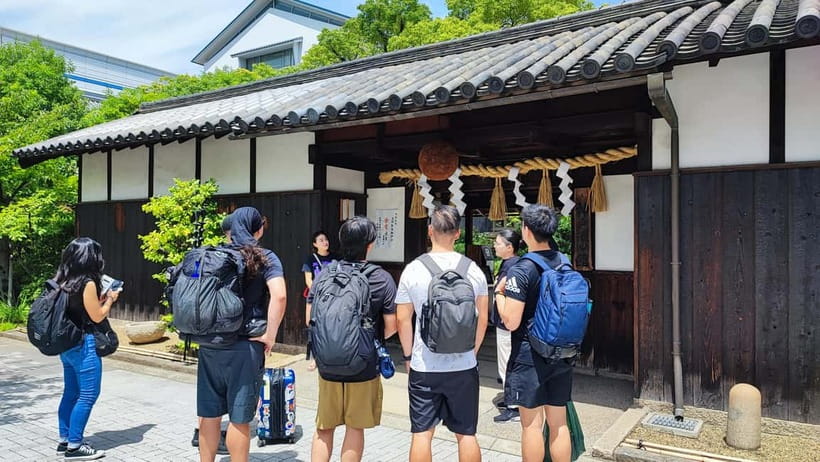
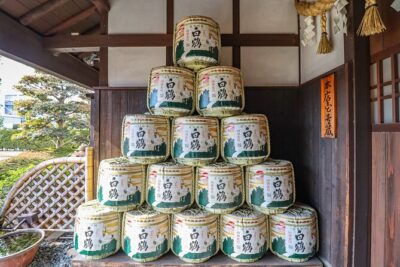
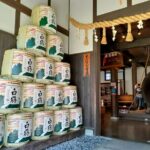
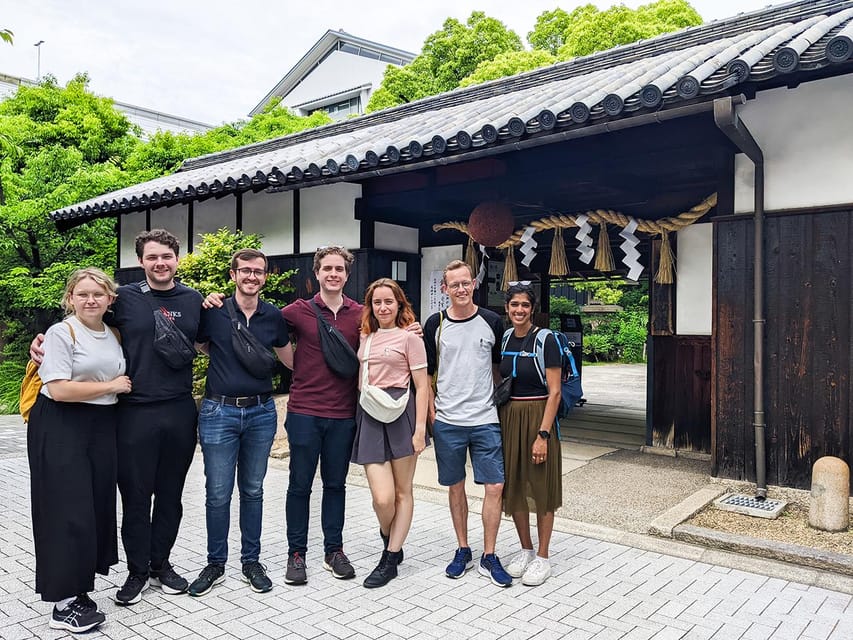
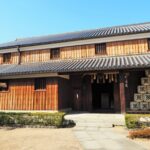
Hakutsuru’s stop is at the Hakutsuru Sake Brewery Museum, and it’s a major highlight. The tour notes that Hakutsuru is the biggest brewery in Japan, and here you can see the old sake brewhouse opened to the public in its original form.
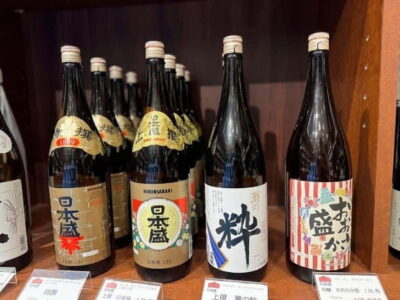
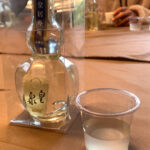
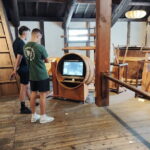
This is one of those rare experiences where scale becomes educational. When you’re staring at old brewing equipment, it’s easier to understand how sake-making has been carried down through generations while still evolving. You’ll also get a tasting corner inside the museum and a shop where you can buy alcohol and souvenirs.
The visit lasts about an hour. That length is useful because it gives you time to slow down and compare your instincts with what the guide tells you. If you’re the type who likes to match “what I see” to “what I taste,” this museum stop will click fast.
Kiku-Masamune Shuzo Kinenkan: kimoto method, wooden tools, and a garden reset
Next comes Kiku-Masamune Shuzo Kinenkan, a site connected to the brewery tradition dating back to 1625. The tour emphasizes the kimoto method—a yeast-making style that’s traditionally associated with a certain approach to brewing.
This stop feels different from the museum atmosphere at Hakutsuru. The tour description mentions wooden sake-making tools on display, and it encourages you to taste dedicated craftsmanship sake in front of a Japanese garden. That garden detail isn’t just for looks. It gives you a moment to recalibrate—breathing, slowing down, and tasting with less pressure.
Plan on about 30 minutes here. It’s enough time to learn the specific method approach and then notice what changes in the sake’s character from what you tasted earlier in the day.
One more reality check: the tour states you’ll visit 3 to 4 locations and that breweries may change due to regular closing days or weather conditions. That flexibility is part of how it stays practical in real life.
Sake tasting basics you can use all day
Sake can feel intimidating if you don’t speak “sake.” The smartest thing this tour does is keep tastings tied to explanation as you go between breweries. That helps you build a simple tasting vocabulary instead of just collecting impressions.
Here’s what you should pay attention to during tastings:
- Aroma first, before you look for flavors
- Texture and weight in the mouth (light and crisp versus fuller and more rounding)
- Finish: does it feel clean and quick, or lingering and drying?
The guide will also explain the brewing process and the different basic forms of sake, which gives your senses somewhere to land. If you’re coming in as a wine person, think of this less as “find the same thing” and more as “learn how fermentation choices change the sensory result.”
Also, don’t treat every sip as a score. You’re sampling a range from different breweries in a single afternoon. The value is pattern recognition: you’ll start noticing what each brewery’s style emphasizes.
Price and value: what $106 buys you in Kobe
At $106 per person for about 210 minutes, this tour is priced around a classic “guided experience with tastings” model. The value comes from what’s included: a live English guide, sake tastings across multiple stops, and snacks (with tofu tasting built in when the shop is open).
If you tried to do this on your own, you’d face two problems. First, brewery access and timing can be tricky without local help. Second, you’d spend most of your effort translating what you see into what you taste. This tour compresses that learning curve into one afternoon.
There’s also a real “buying power” angle. The tour notes that if you’re purchasing with a passport, you’re exempt from tax on purchases over JPY 5,500 at the breweries. That can turn the tasting day into a smart souvenir day, especially if you like what you try.
Finally, the small group size (limited to 10) is part of why it feels worth it. You can ask questions and actually hear the guide instead of just drifting through the tasting.
Who this tour is best for (and who should skip it)
This is a great fit if you want a structured way to enjoy Kobe’s sake culture without turning it into a stressful DIY scavenger hunt. I’d especially recommend it if you:
- like guided tastings with context
- want to compare different brewery styles in one afternoon
- enjoy walking in a historic, local neighborhood
It’s not suitable for pregnant women and not for people under 20. If you’re sensitive to alcohol, keep in mind the day is designed so you’ll end up tasting multiple sakes across stops.
Wheelchair and stroller users should contact the operator when reserving, since the tour asks you to let them know in advance. Also, the tour mentions a special note for professional evaluation practices: if you intend to spit during tastings for evaluation, you should contact the team in advance.
Should you book KampaiSakeTours’ Kobe breweries tour?
If you want Kobe sake to feel like a real education and a fun afternoon—not just a drink checklist—this is an easy yes. The format is practical: a walkable route, multiple brewery stops, and tastings connected to what you’re seeing. The guide quality is a big part of the experience too; multiple English-led runs highlight guides like Hiro, Romi, Aya, Aki, Fuma, and Hiroman as clear explainers who keep things entertaining and organized.
Book it if you’re comfortable walking about 4 km and you’re visiting on days when the tofu stop is likely to be open (or you’re fine without it). Skip it if you need a fully seated, low-walking experience, or if you’re traveling with restrictions related to the tour’s stated suitability limits.
Overall, for Kobe, this is one of the more “worth it” ways to taste sake. You leave with bottles, sure. You also leave with a better nose and palate for why each brewery tastes the way it does.
FAQ
Where do I meet, and where does the tour end?
You meet at Ishiyagawa Station on the Hanshin line at 13:00. The tour finishes at Uozaki Station (魚崎駅) around 16:30.
How many breweries will I visit?
The tour is described as visiting about 3 different breweries in Nada, and it can include 3 to 4 locations depending on closing days or weather.
What is included in the price?
The price includes a walking tour, a guide, sake tastings, and snacks.
Is the tour in English, and is it a small group?
Yes. It’s a live tour guide in English, and the group is limited to 10 participants.
How much walking is involved?
You should expect about 4 km of walking. Comfortable shoes are recommended.
Will I always get tofu tasting at Okage Tofu-an?
No. The tofu shop is closed on Sundays and public holidays, so the stop and tofu tastings won’t be available those days.
Who is this tour not suitable for?
It is not suitable for pregnant women and it’s not suitable for people under 20.
Can I cancel for a full refund, and can I pay later?
Yes. There’s free cancellation up to 24 hours in advance for a full refund. You can also reserve now and pay later.