REVIEW · KABUKICHO
Experience Comparing Sake and Delicacies in shinjyuku
Book on Viator →Operated by Karaoke Bar GIFT · Bookable on Viator
Sake taste test in Tokyo, but make it personal. In Shinjuku’s Kabukichō area, this guided experience gets you reading a simple pamphlet about sake culture and traditional delicacies before you start sampling. You’ll pick three types of sake and three delicacies, then compare the tastes as you eat and drink, with small pours so it stays fun even if alcohol isn’t your usual thing. The main trade-off is that it’s a short tasting window, so you’re choosing a limited set rather than working through a huge variety.
I like how the format is structured but still interactive: you’re not stuck watching, and you get to make your own taste decisions as the night goes on. With a small group cap of 10 and staff who take photos of your memories, it also feels easy to enjoy without turning into a loud, chaotic food crawl. The price is reasonable for a guided, alcohol-included tasting in central Tokyo, especially since all fees, taxes, alcohol, and snacks are part of what you pay.
In This Review
- Key points to know before you go
- Kabukichō is the right kind of chaos for a sake lesson
- The pamphlet briefing makes your tasting make sense
- Picking three sake from across Japan (and how to compare them)
- Choosing three classic delicacies and noticing the food effect
- Drinking a little at a time keeps the experience welcoming
- Photos in the middle of Shinjuku: a small detail with big payoff
- What you’re really paying for: value at $33.03
- Who this tour suits best (and who might prefer something else)
- Should you book the sake-and-snacks experience in Shinjuku?
- FAQ
- Where does the experience start?
- How long is the experience?
- How much does it cost?
- What’s included in the price?
- Is private transportation included?
- Does the experience use a mobile ticket?
- How many people are in the group?
- Can I participate if I don’t like alcohol?
- Will there be photos taken during the experience?
- What is the cancellation window for a full refund?
- FAQ
- Is the meeting point near public transportation?
- Is service animal access allowed?
- Does the tour end back at the meeting point?
Key points to know before you go
- Kabukichō start: convenient Shinjuku location to kick off your Tokyo evening.
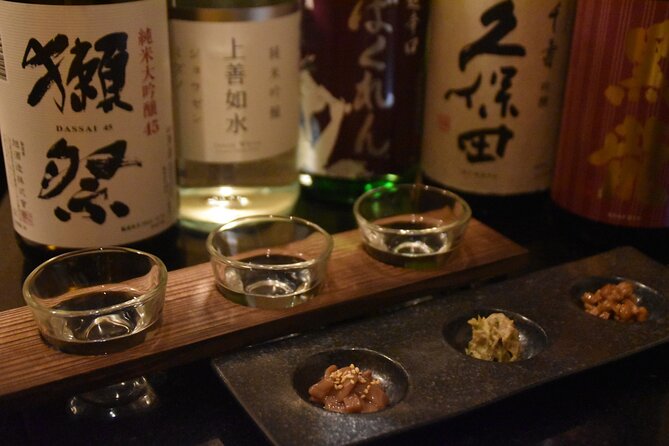
- Pick-your-own tasting: choose 3 sake and 3 delicacies, then compare your favorites.
- Small pours: you can drink a little at a time, even if you don’t love alcohol.
- Learn first, then taste: a pamphlet sets the culture and history context before you sample.
- Photos included: staff captures memories so you can focus on the tasting.
Kabukichō is the right kind of chaos for a sake lesson
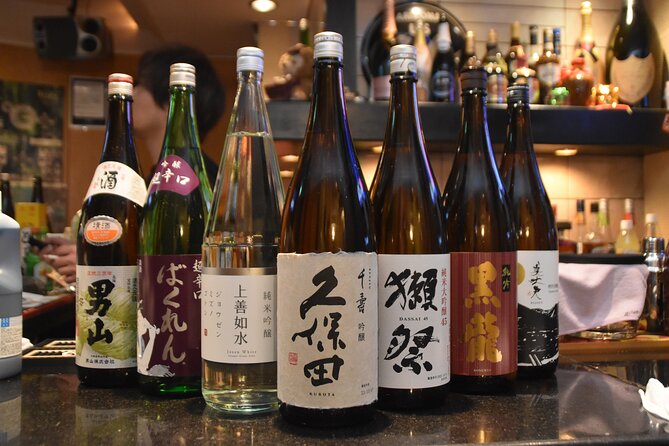
This experience starts in Kabukichō, the Shinjuku district famous for neon and late-night energy. That matters because it lowers the friction. You’re not commuting across Tokyo just to learn sake basics. You’re dropping right into a place where people go to eat, drink, and try things they haven’t tried before—while you keep it organized with a set schedule and a guide-led flow.
Also, Kabukichō is ideal for first-timers. If you’re new to Japanese food culture or you just want a low-stress entry point, meeting at a familiar, easy-to-find commercial building helps you get oriented quickly. And since the tour ends back at the meeting point, you’re not wondering how to get home after tasting.
The main “consideration” here is volume. If you’re sensitive to busy streets and loud nightlife energy, this area might feel like a lot at first. It won’t be silent and calm like a museum tour. But that’s also why it works: it puts you in a real Tokyo setting, not a staged classroom.
You can also read our reviews of more tours and experiences in Kabukicho.
The pamphlet briefing makes your tasting make sense
Before you start sampling, you’ll read a pamphlet that covers the culture and history of sake and delicacies. I like this approach because it prevents the usual problem: you taste something and like it, but you don’t know what you’re tasting or why it tastes the way it does.
Instead, you get a basic framework first:
- how sake fits into Japanese culture and daily life
- how traditional delicacies became popular over time
- why pairing food and drink changes what you notice
You’re not expected to memorize anything. Think of the pamphlet as a set of tasting cues. When you later pick your three sake types, you’ll understand what the categories generally mean and what to pay attention to while you sip.
This pre-read timing also helps you avoid decision fatigue. Once you have context, choosing from sake across Japan feels more like “I’m selecting styles” instead of “I’m guessing what sounds good.”
Picking three sake from across Japan (and how to compare them)
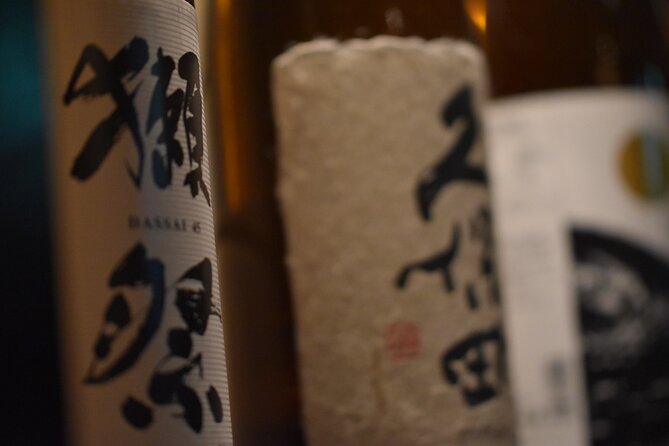
After the briefing, you choose three types of sake from across Japan. This is the heart of the experience, and it’s set up to help you learn through comparison.
Here’s how I’d use the format to actually get something out of it:
- Start with your most approachable choice first, then branch out.
- While you sip, pay attention to aroma and flavor in simple terms: sweetness vs. dryness, light vs. bold, and how the taste lingers.
- After each one, take a small bite of your chosen delicacy so you can notice how food changes the impression.
You’ll be able to drink a little at a time, which is a big quality-of-life factor. Sake tastings can turn into a speed run if portions are heavy. This one keeps it reasonable so you can stay present and compare properly instead of getting tipsy and calling everything good.
One more practical point: choosing only three sake means you won’t cover everything. But that’s also what makes the comparison feel clear. You learn faster when the set is limited and the choices are deliberate.
Choosing three classic delicacies and noticing the food effect
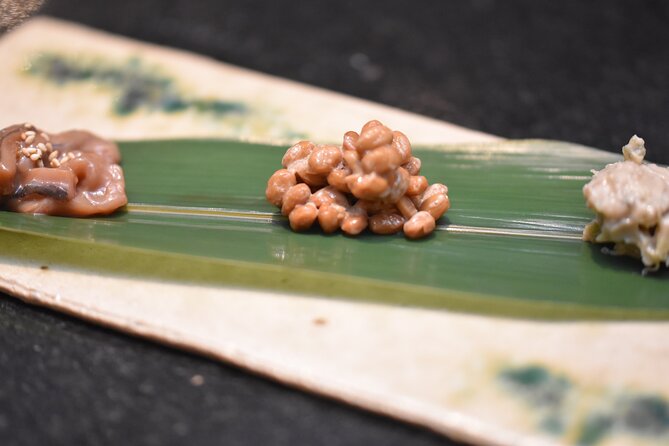
Then you choose three delicacies that have been popular in Japan since ancient times. That’s a neat concept because it gives you a bridge between older food traditions and modern drinking culture.
Even if you’re not sure what you’ll like, the selection process helps. You’re not passively served a random menu. You’re making choices, then you eat as part of the tasting comparison.
As you go, focus on the food effect:
- Does the delicacy soften the sake’s bite or highlight acidity?
- Does it amplify sweetness or make dryness feel sharper?
- Do savory flavors make one sake style seem smoother than the others?
This is where the experience becomes more than “snacks and sips.” You start learning how Japanese pairing works in a practical way. And because you’re comparing multiple sake types, you can see patterns instead of just tasting one standout.
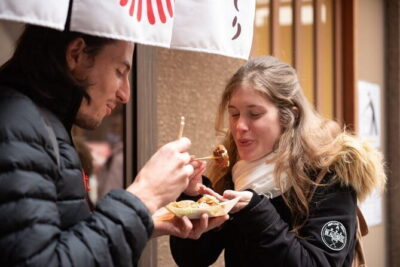
The other reason I like the delicacy approach: it’s not only about alcohol. You’re eating enough snacks to make it feel like an actual meal-adjacent experience, and the snacks are included in the tour price.
Drinking a little at a time keeps the experience welcoming
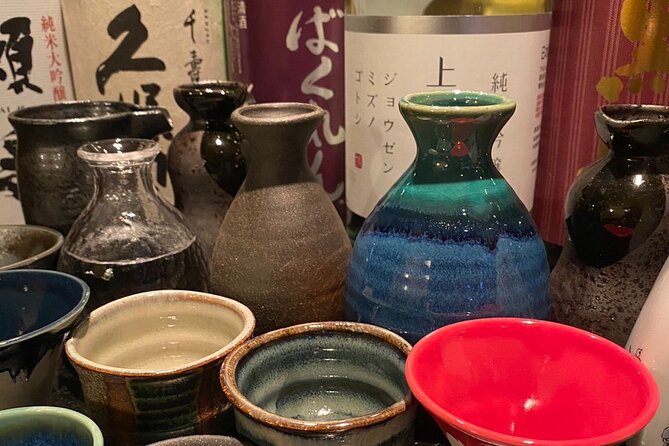
One of the most useful promises in the setup is that you can drink small amounts at a time. That matters for two groups of people:
- If you’re brand new to sake, you can sample without feeling forced to commit to full pours.
- If you don’t like alcohol as a main event, you can still take part and enjoy the food, learning, and comparison.
I also think this pacing helps your brain. You get time to switch between tasting and tasting notes instead of rushing through everything at once. And because the group is small (up to 10), you can usually keep a calm rhythm without feeling lost.
Still, a reality check: alcohol is included, and you are tasting sake as a core part of the experience. If you have personal reasons to avoid alcohol entirely, this might not be your best match. But if you’re flexible and just want to try a few sips responsibly, it’s built for that.
Photos in the middle of Shinjuku: a small detail with big payoff
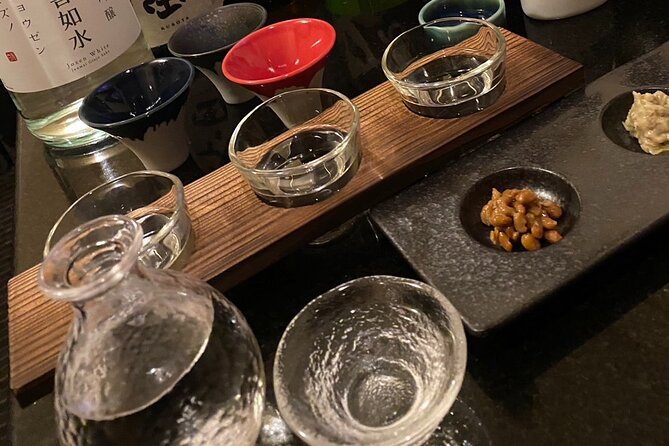
A staff member will take photos of your memories, and that’s more valuable than it sounds. In Tokyo, it’s easy to spend your night eating and drinking and then realize you have a bunch of food close-ups but no group moment. Here, someone handles the camera moment for you, so you can focus on the tasting.
This also reduces stress around timing. You don’t have to stop the night to figure out photo logistics. You’re already in the flow of a guided experience, and the photo part is handled as part of the package.
What you’re really paying for: value at $33.03
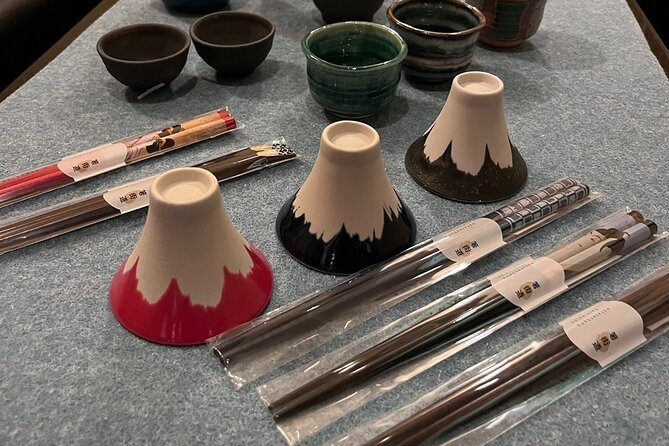
The price is $33.03 per person, and that’s not just for a couple sips. It includes:
- all fees and taxes
- alcoholic beverages
- snacks
Private transportation isn’t included, so you’ll need to handle your own way to the meeting point. The good news is that the start point is near public transportation, so getting there doesn’t usually need a taxi plan.
At this price, you’re buying three things:
- Guided structure (briefing first, tasting second, comparison through the set).
- Included sampling (both sake and delicacies).
- Convenience (a small group, a set duration around 1 hour 30 minutes, and an easy end back where you started).
Is it a luxury experience? No. It’s a practical, high-value way to learn something real without turning it into a full evening production. If you’re planning a Tokyo first day and you want an activity that gives you instant context for Japanese drinking culture, this fits.
Also worth noting: the experience typically gets booked about 58 days in advance on average, which usually means it’s popular around the time slots people want.
Who this tour suits best (and who might prefer something else)
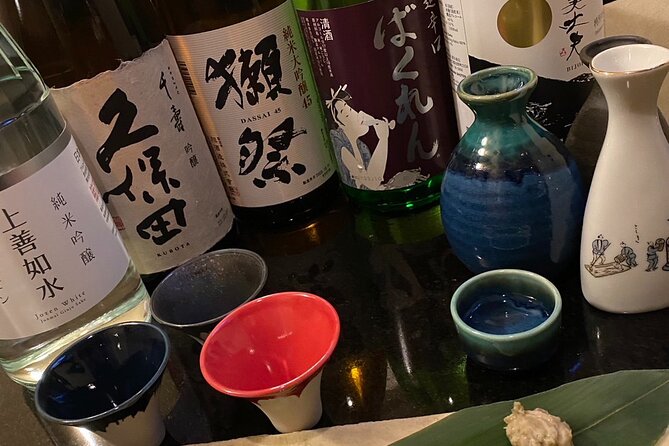
This experience is a strong match if you:
- want an easy entry into sake without studying first
- like interactive food experiences where you make choices
- enjoy comparing flavors and learning through tasting
- want a small-group setting (maximum 10)
It may not be your best fit if you:
- want a super deep, long tasting with many varieties (this is focused on a set of three sake and three snacks)
- want to avoid alcohol completely (tasting is part of the core plan)
- dislike lively nightlife neighborhoods at all (Kabukichō is energetic)
The vibe is friendly and approachable. The overall rating is 4.9 out of 5 with 41 reviews, and everyone recommends it. People especially seem to connect with the fact that it works even for first-timers who are new to sake and still end up loving what they taste.
Should you book the sake-and-snacks experience in Shinjuku?
I’d book it if you want a structured, fun introduction to Japanese sake culture that doesn’t require expertise. The best reason: you’re not just eating and drinking. You’re learning the context first, then tasting in a way that makes comparisons possible.
I’d skip it if you want a long, heavily detailed sake seminar or if you’re strictly avoiding alcohol. But if you’re open to trying a few sips and eating three classic delicacies, this is exactly the kind of Tokyo activity that turns one night into a story you can actually remember.
FAQ
Where does the experience start?
The experience starts at Skylark Bldg., 2-chōme-38-11 Kabukichō, Shinjuku City, Tokyo 160-0021, Japan.
How long is the experience?
It lasts about 1 hour 30 minutes.
How much does it cost?
It costs $33.03 per person.
What’s included in the price?
All fees and taxes, alcoholic beverages, and snacks are included.
Is private transportation included?
No. Private transportation is not included.
Does the experience use a mobile ticket?
Yes, it’s a mobile ticket.
How many people are in the group?
The maximum is 10 travelers.
Can I participate if I don’t like alcohol?
You can drink a little at a time, so people who don’t like alcohol may still be able to participate.
Will there be photos taken during the experience?
Yes. The staff will take photos of your memories.
What is the cancellation window for a full refund?
Free cancellation is available. You can cancel up to 24 hours in advance for a full refund.
FAQ
Is the meeting point near public transportation?
Yes, it’s near public transportation.
Is service animal access allowed?
Yes, service animals are allowed.
Does the tour end back at the meeting point?
Yes, it ends back at the meeting point.