REVIEW · KYOTO
Private Sake Tasting in Central Kyoto — 1 Group Only
Book on GetYourGuide →Operated by kfk · Bookable on GetYourGuide
Kyoto’s sake scene gets personal fast. This private 2-hour tasting is guided by Kenji, a certified international sake sommelier with years working at a brewery in Hyogo, and it’s served at a standing-only bar in the center of town. I especially like that you learn the how-and-why behind sake, not just what to drink.
My other favorite part is the way Kenji helps you zero in on your tastes. The session includes learning how to order and enjoy sake, plus plenty of conversation while you sample sakes from across Japan. One catch: it’s at a no-seats standing bar, so plan on standing the whole time and wear comfortable shoes.
In This Review
- Key Sake Tasting Highlights (Quick Hits)
- Meeting Kenji in Central Kyoto: Shijo, Karasuma, and That Mitsui Building
- A Two-Hour Sake Lesson at a Standing-Only Bar (Yes, You’ll Stand)
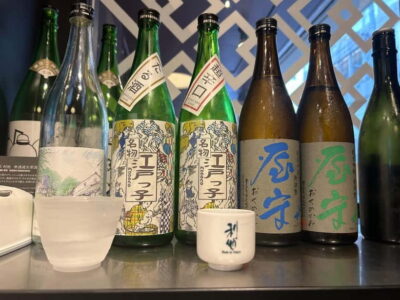
- Eight Sakes Across Japan: How You Find Your Favorite
- How Sake Is Made, and How to Order Without Guessing
- Traditional Snacks, Food Ideas, and Kyoto’s Tastes Beyond Sake
- Price and Value for a Private Group in Kyoto
- Who Should Book This Sake Tasting (and Who Might Skip)
- Should You Book Kenji’s Private Sake Tasting?
- FAQ
- How long is the private sake tasting?
- What group size is this for?
- Where do I meet Kenji in Kyoto?
- Is transportation included?
- What’s included in the price?
- Who can’t join the tasting?
Key Sake Tasting Highlights (Quick Hits)
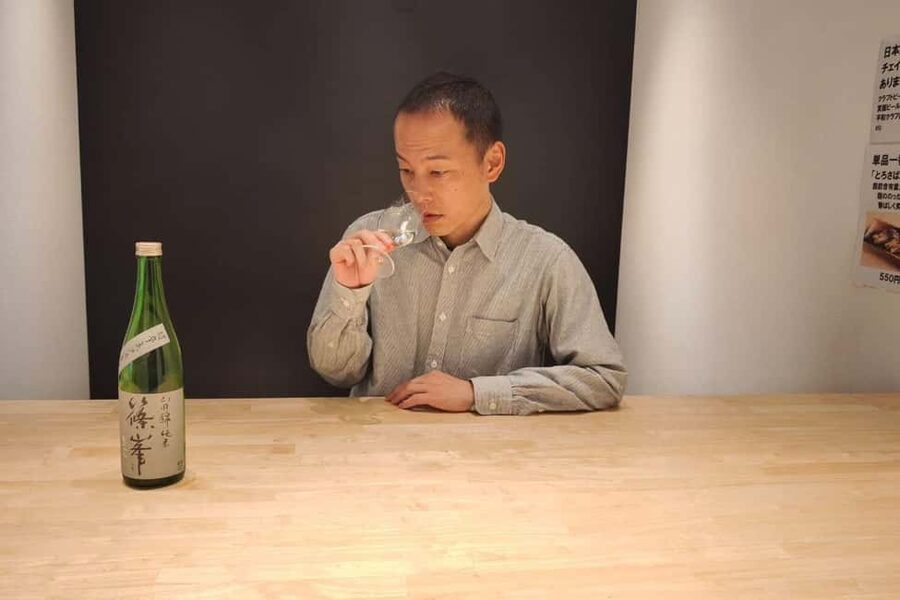
- Certified international sommelier Kenji shares production know-how from his brewery background in Hyogo
- Standing-only bar in central Kyoto sets a fun, intimate pace
- Sake and snack pairing with traditional Japanese bites to reset your palate
- Find-your-favorite approach so the tasting stays about you, not a lecture
- English and Japanese support so you can ask questions freely
- Small private group (2–4 people) for a more relaxed vibe and faster back-and-forth
Meeting Kenji in Central Kyoto: Shijo, Karasuma, and That Mitsui Building
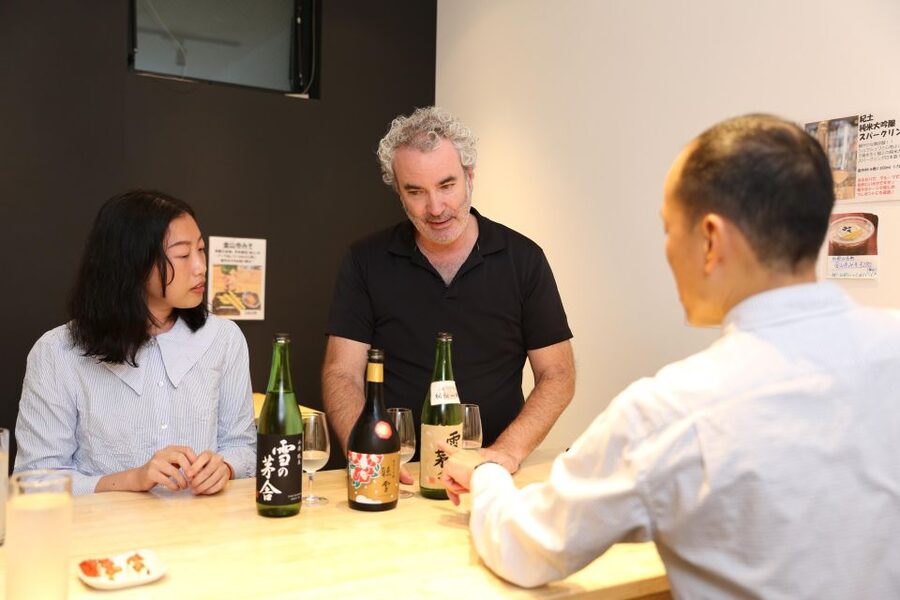
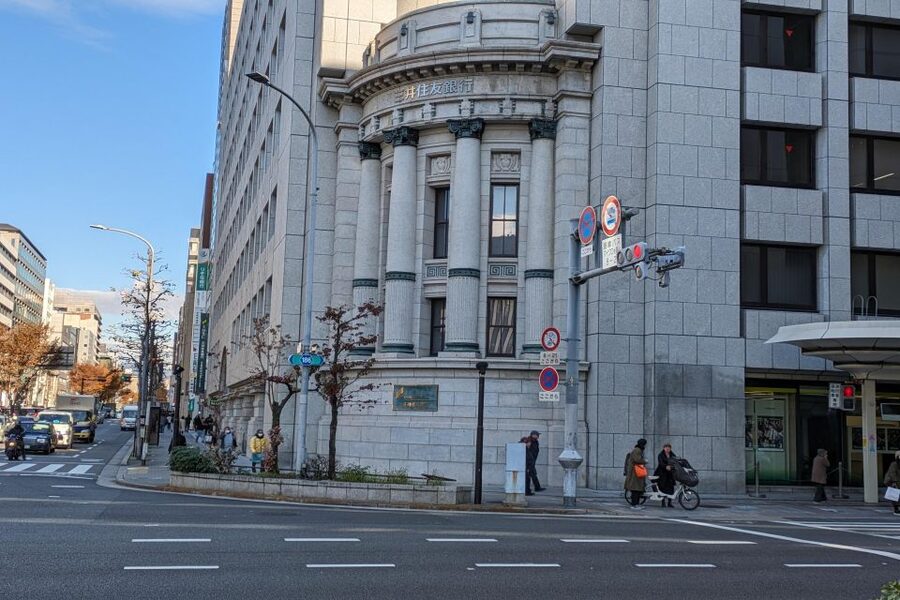
This experience starts right where you want to be for an easy Kyoto stroll: at the intersection of Shijo and Karasuma. Head to the northeast corner and look for the imposing Mitsui Building—there’s a photo of it in the listing photos, which helps you spot it quickly. You’ll know Kenji by his LINNELL’S backpack.
From there, you’re walking about ten minutes to the sake place. Ten minutes sounds short (and it is), but in Kyoto you’ll still want to move at a calm pace. If you’re wearing shoes that pinch, you’ll feel it later, because the tasting is standing-only. I’d rather you show up comfortable and relaxed than try to power through.
Also, you’re not riding a van or getting whisked around. You’re doing a simple start point, then enjoying a direct walk to the bar. That matters because it keeps the timing tight and makes the whole experience feel local instead of tour-bus produced.
You can also read our reviews of more tours and experiences in Kyoto.
A Two-Hour Sake Lesson at a Standing-Only Bar (Yes, You’ll Stand)
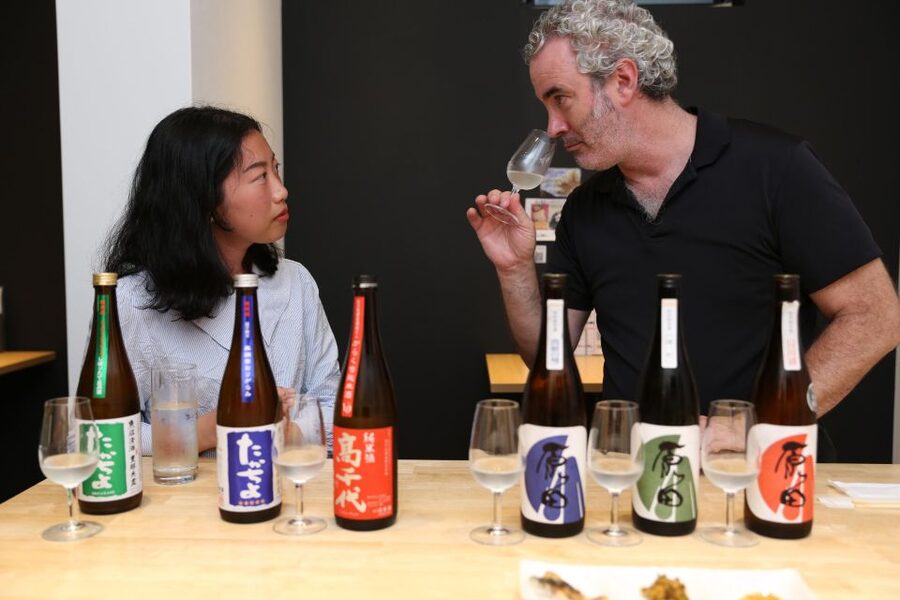
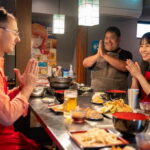
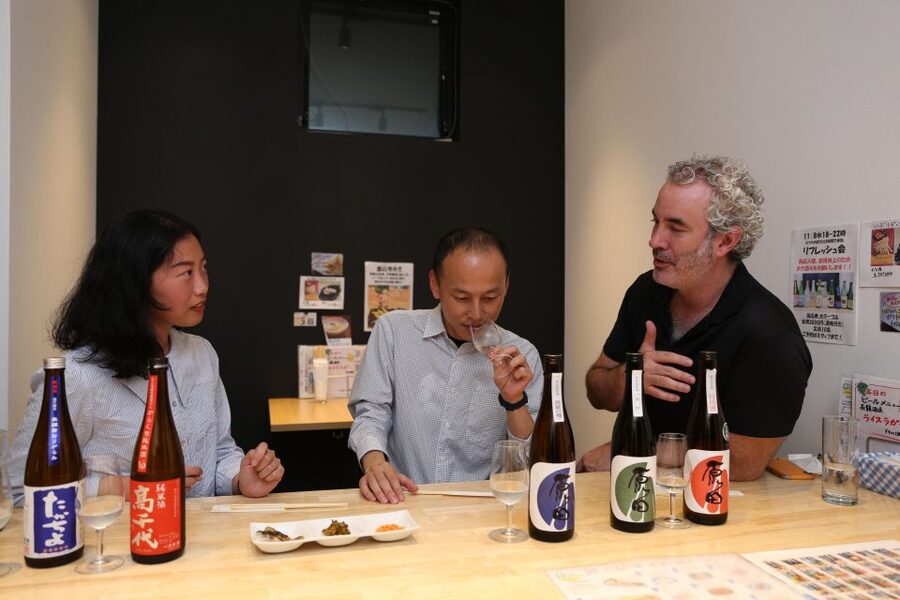
The tasting itself runs 2 hours, and it’s set up around a small standing bar in central Kyoto. You won’t find seats waiting for you. That means the experience is fast in the best way: you taste, you learn, you react, you ask questions, then you taste again.
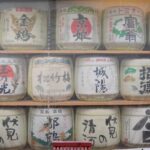
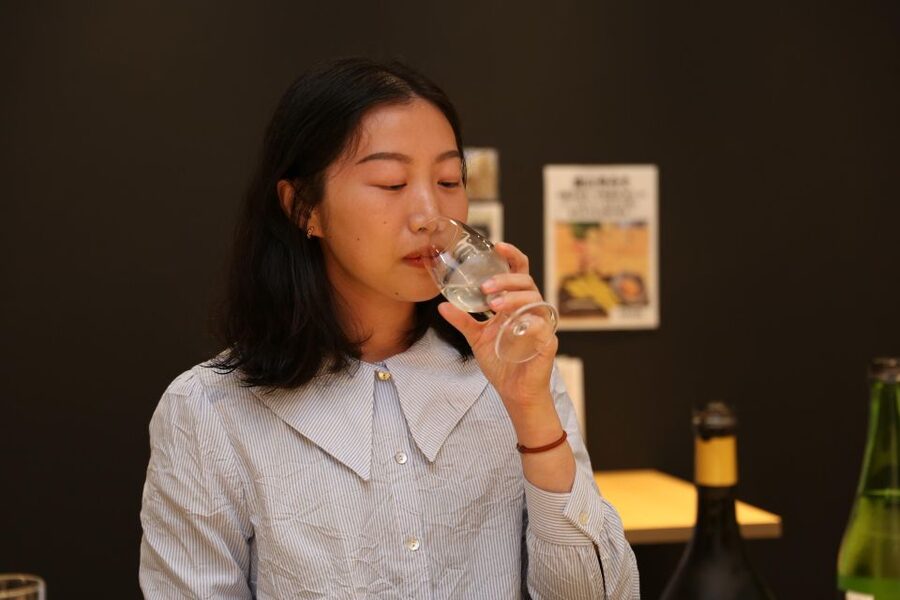
During the session, Kenji guides you through how sake is made, how to interpret what you taste, and how to order and enjoy sake like you actually know what you’re doing. You’ll cover the “ins and outs of sake production,” which is a big deal because most people’s sake knowledge is limited to labels and flavor descriptions. Here, you learn what’s behind the taste.
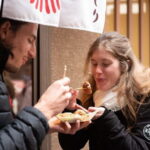
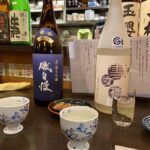
You’ll also be eating along the way. Traditional Japanese snacks are included, and they help you clear your palate between pours. That pairing rhythm is one of those small things that can make a tasting either confusing or genuinely enjoyable. With snacks, the differences between types feel more obvious.
One more practical note: the tour is for people at least 20 years old. If you’re traveling as a group, double-check age before you commit.
Eight Sakes Across Japan: How You Find Your Favorite
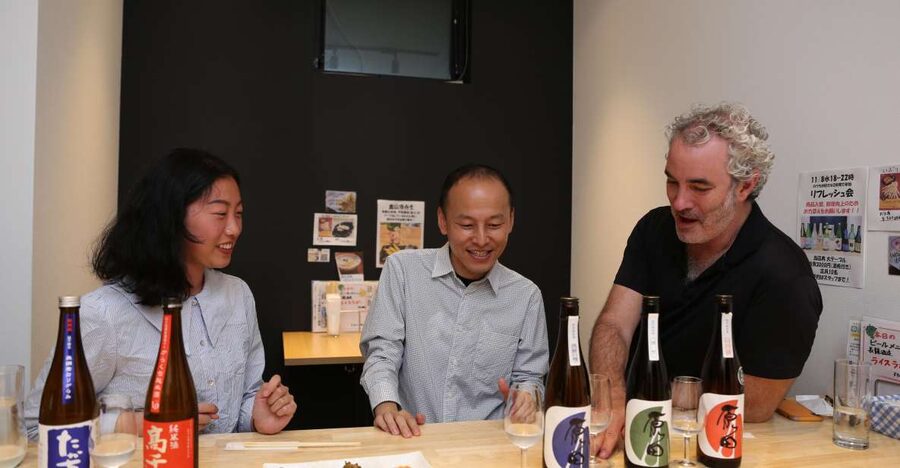
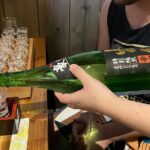
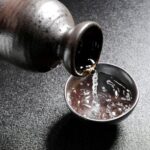
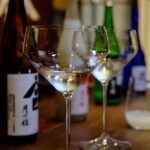
The core promise here is straightforward: you taste a set of sake styles and you leave with a better sense of what matches your palate. The experience is described as sampling six different kinds of sake, and it’s also described as tasting eight excellent sakes from across Japan. Either way, you’re getting multiple pours, not just one “intro” tasting.
What makes this valuable is the direction. Kenji isn’t just giving you a lineup and hoping you figure it out. He’ll help you identify your preferences—then he can recommend next steps based on what you liked and what you didn’t. That matters for value: you’re not paying for the privilege of drinking “whatever comes next.” You’re paying to learn how to choose.
From the conversations in the tasting, you also get context on where sake originates. You’re tasting from across Japan, and Kenji explains where each sake comes from and what that background might mean for flavor. That’s how sake becomes more than a novelty drink. It becomes something you can keep enjoying after Kyoto.
A nice bonus from past participants: people describe that some pours included unpasteurized options, and those stood out when they found a favorite. You can’t count on a specific label in every session, but the point is real: Kenji’s picks can reach beyond the most common tourist choices.
How Sake Is Made, and How to Order Without Guessing
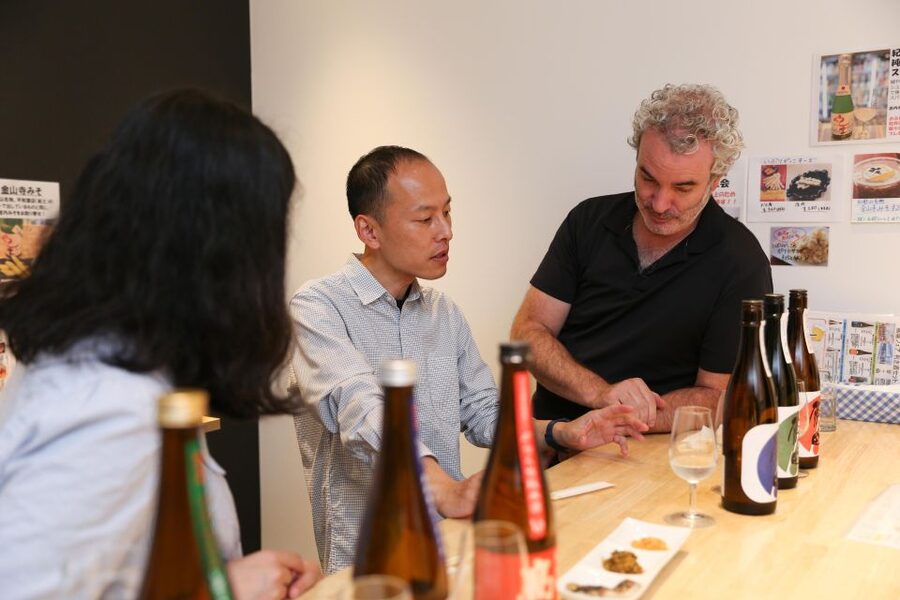
This tasting isn’t just about flavors. It’s about building your internal “sake map.” Kenji’s background includes many years working at a sake brewery in Hyogo, and that professional experience shows up in how the explanations land.
You’ll learn the basics of sake production, and you’ll connect those basics to what you’re tasting in your glass. Even if you’ve never cared about fermentation before, you’ll likely pick up a simple framework: what changes during production, how that affects taste, and what each type tends to suggest.
Another practical goal is confidence in the real world. The experience explicitly covers how to order and enjoy sake. That’s huge when you’re in Japan, because menus can be vague, and you might not know what questions to ask. Kenji helps bridge that gap, and you’ll finish with a clearer idea of what you want rather than just what you tried.
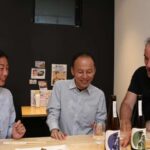
One thing I like: Kenji encourages questions. Past guests specifically called out how quickly he answered everything and how he would tailor the tasting to what they enjoyed. You can ask about ingredients, the process, differences between types, or even Japanese language basics that help you order. That kind of back-and-forth turns the tasting from a scripted event into a conversation that actually sticks.
Traditional Snacks, Food Ideas, and Kyoto’s Tastes Beyond Sake
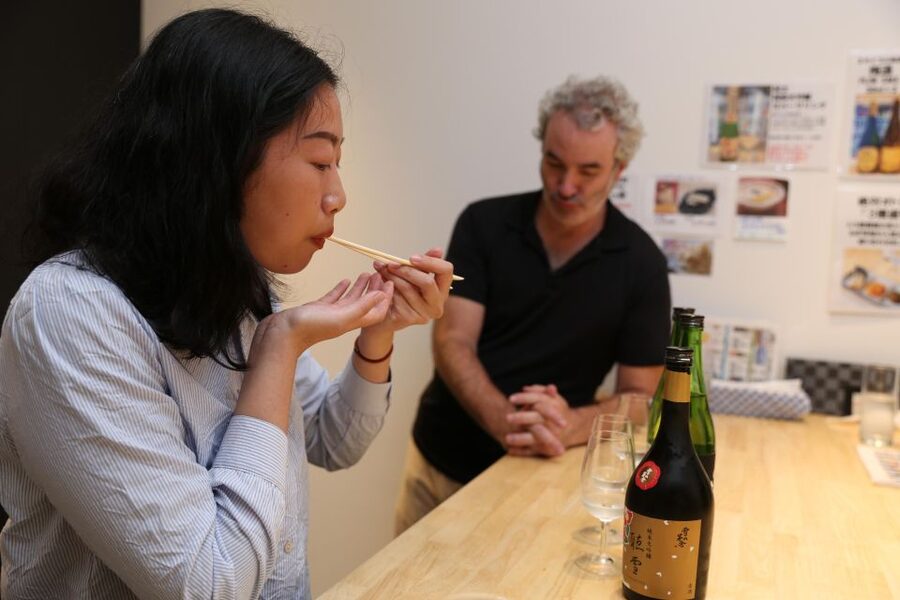
Sake is a slow drink by design. The snacks keep it from feeling heavy or repetitive. Included with the tasting, you get traditional Japanese snacks that fit the flow: taste sake, eat a small bite, reset, then taste again.
And since you’re already talking with Kenji, you might also end up with food guidance for the rest of your night. Some participants shared that Kenji gave specific suggestions for meals nearby, including recommending Japanese BBQ when it sounded like a good match. He also helped some guests with making an online reservation.
You don’t need to plan your whole evening in advance to get value out of this. The smart move is to use the tasting as a chance to ask, What should I eat tonight that pairs well with what I liked? If you ask with details—crisp vs. rich, dry vs. sweeter—you’ll likely get more useful answers than if you just say I’m hungry.
Even if you keep the rest of your schedule flexible, this part matters: it turns the sake tasting into a starting point for a broader Kyoto food night, not a one-and-done event.

Price and Value for a Private Group in Kyoto
At $88 per person, this isn’t the cheapest drink-based activity in Kyoto. But it’s also not trying to be. You’re paying for a few clear value drivers:
- A certified international sake sommelier guide with real brewery experience in Hyogo
- A private group setup (2–4 people) and described as 1 group only, which usually means more attention per person
- Two hours of guided instruction plus sake and snacks included
- A targeted tasting experience designed around your preferences, not a generic script
Here’s the honest way to think about it: if you want a self-guided crawl and you don’t care about learning production or how to order, you can probably spend less. But if you want your sake experience to translate into real understanding—so you can choose better sake in Japan later—then this price can feel fair.
The group size also matters. With only a small set of people, you’re less likely to get lost in the crowd, and questions get answered faster. That’s one of the biggest reasons people end up loving these small-group tastings.
One more practical note: transportation to and from attractions isn’t included, so build that into your plans. The good news is the meeting point and the walk are manageable.
Who Should Book This Sake Tasting (and Who Might Skip)
This is a strong fit if you’re the kind of traveler who likes answers. If you want to understand why different sake tastes different—through production, style, and origin—Kenji’s approach will suit you.
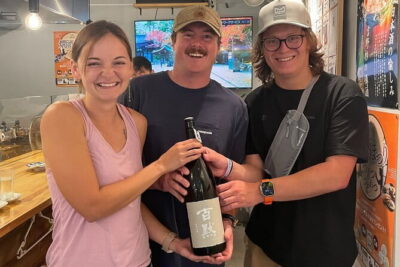
It’s also a good match if you value conversation and personalization. The vibe described by past guests isn’t stiff. It’s more like getting drinks with someone who can explain what you’re tasting and help you steer toward your favorite style.
You might consider skipping if:
- You strongly prefer seated activities, because the bar is standing-only and you’ll want comfortable shoes
- You’re under 20 years old, since the minimum legal drinking age is 20
- You’re pregnant, since it’s listed as not suitable for pregnant women
If you’re traveling as a couple, this can feel especially rewarding because you get “private” attention without needing a large group. Past participants even noted that the experience felt personal when it was just two people.
Should You Book Kenji’s Private Sake Tasting?
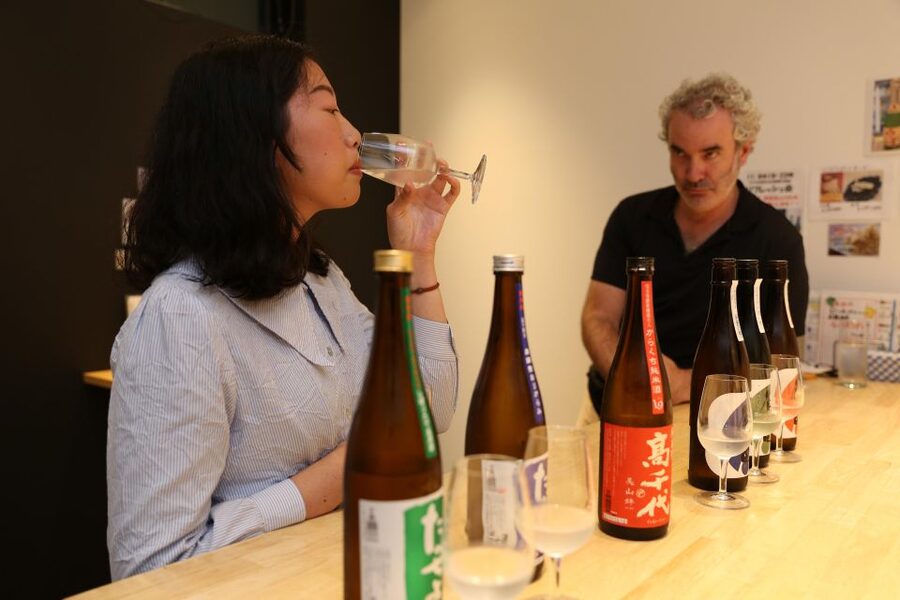
I’d book it if your goal is to leave Kyoto with a better relationship to sake—how to choose it, how to order it, and what to look for next time. This one works because it’s guided by Kenji, structured around tastings with snacks, and paced for questions.
I’d think twice only if standing for two hours would be a dealbreaker for you. If that’s not your issue, this is one of those Kyoto experiences that feels genuinely local: small bar, real explanation, and a focused tasting that helps you pick your next glass with confidence.
If you can handle the standing setup, it’s an easy yes.
FAQ
How long is the private sake tasting?
It lasts about 2 hours.
What group size is this for?
The group size is 2–4 people and it’s described as 1 group only.
Where do I meet Kenji in Kyoto?
Meet at the intersection of Shijo and Karasuma, on the northeast corner by the Mitsui Building. Kenji will be out front and you can identify him by his LINNELL’S backpack. The tasting spot is about a 10-minute walk away.
Is transportation included?
No. Transportation to/from attractions and hotel pickup and drop-off are not included.
What’s included in the price?
You get sake and snacks, plus guidance from an English-speaking sake sommelier.
Who can’t join the tasting?
You must be at least 20 years old. It’s also listed as not suitable for pregnant women.