REVIEW · TOKYO
Unlimited Sake Tasting with Sushi Omakase tasting in Tokyo
Book on GetYourGuide →Operated by SUSHI GARYU · Bookable on GetYourGuide
Tokyo is best when dinner has a plan. This unlimited sake tasting paired with a sushi omakase gives you a tight, tasty ride in Roppongi. I like two things right away: the chance to sample multiple sake styles back-to-back, and the quality focus on premium tuna sourced through Yamayuki, one of Japan’s top wholesalers.
Do note one trade-off. The overall experience can feel a bit light on sake explanations, and the sushi portion comes out fast, so you’ll want to go in knowing you’re there for the food and flavor more than a long lecture.
In This Review
- Key highlights you’ll actually care about
- Where this happens: SUSHIROKU in Roppongi (easy to find, easy to miss)
- Unlimited sake tasting: 8 types, 75 minutes, and real regional variety
- What you should pay attention to while you taste
- The tuna and the sushi omakase: Yamayuki quality, then chef timing
- What makes this pairing work
- The rhythm of a 90-minute session: what to expect hour by hour
- Seating and pace considerations (small but real)
- Price and value in Tokyo: why $63 can work (and when it won’t)
- When this feels like a bargain
- When it might feel tight
- Who should book this Roppongi sake-and-sushi tasting
- My take: should you book SUSHIROKU’s sake-and-sushi omakase?
- FAQ
- How long is the experience?
- Do you get unlimited sake?
- How many sake types will I taste?
- Is sushi included?
- Where is the meeting point?
- How do I get there?
- What’s included in the price?
- Is there a group size limit?
- Is the venue wheelchair accessible?
- What’s the cancellation policy?
Key highlights you’ll actually care about
- Unlimited sake for 75 minutes, with 8 or more types depending on availability
- Regional sake comparison, from as far north as Hokkaido to as far south as Kyushu
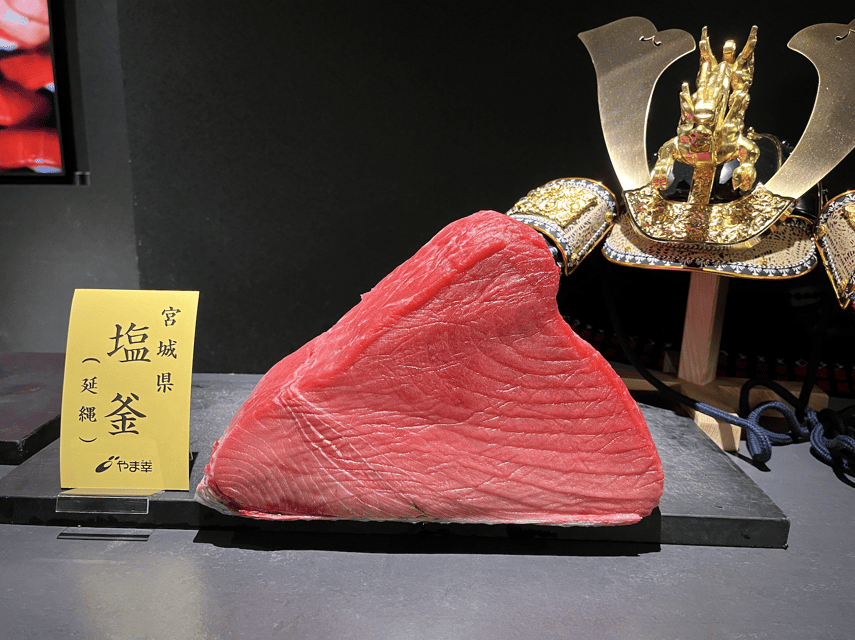
- Tuna from Yamayuki, built around a wholesaler focused on top-grade supply
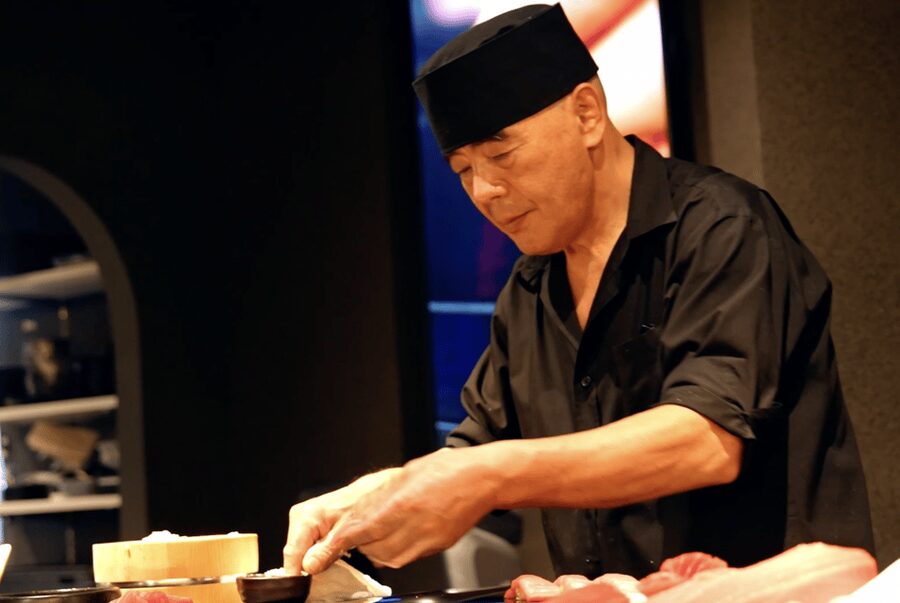
- Sushi omakase served fresh by a chef, designed as a tasting sequence
- Small group capped at 8, which keeps the experience from feeling chaotic
Where this happens: SUSHIROKU in Roppongi (easy to find, easy to miss)
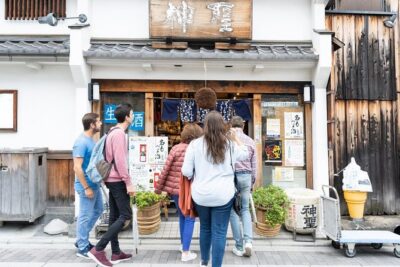
This experience meets at SUSHIROKU on the 4th floor of Vort Roppongi Briller Kaleido, 3 minutes on foot from Roppongi Station. It’s also about a 1-minute walk from Don Quijote Roppongi, which helps if you’re doing the classic Tokyo move of wandering first, then grabbing a reservation near your route.
Roppongi is a practical choice for this kind of tasting. You get easy access to trains, and you can still plan something before or after without crossing half the city. If you’re arriving late in the day, you’ll be grateful it’s so straightforward to get there.
Inside, you’re not just ordering drinks. You’re settling in for a 90-minute flow where sake and sushi move together, so being on time matters more than usual.
You can also read our reviews of more tours and experiences in Tokyo.

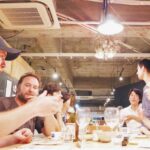
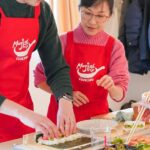
Unlimited sake tasting: 8 types, 75 minutes, and real regional variety
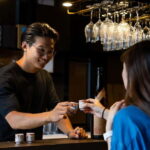
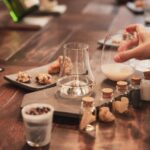
The core of the experience is unlimited sake tasting. You’ll have access to 8 or more types, and the lineup can change with availability. From the start, the idea is simple: pour, taste, compare, and keep going for 75 minutes.
Here’s what makes this more valuable than a basic tasting flight. The sake is sourced from breweries across Japan, explicitly spanning from Hokkaido (far north) to Kyushu (far south). That geographic spread means you can taste how different water, climate, and brewing choices can push a sake’s character in different directions—even when you’re only looking for flavor differences, not labels and chemistry.
What you should pay attention to while you taste
You’ll get the most out of the session if you taste with a quick method:
- Smell first: rice, fruit notes, or a more clean, crisp profile
- Sip second: watch how it feels in your mouth (light, creamy, dry, or more full)
- Repeat: your brain starts to spot patterns once you’ve tasted a few types
Also, don’t be surprised if the explanation isn’t as detailed as a whisky-style guided session. This is set up as a tasting opportunity, not a long seminar. If you want deep brand-by-brand brewing stories, you might need to ask more directly.
The tuna and the sushi omakase: Yamayuki quality, then chef timing
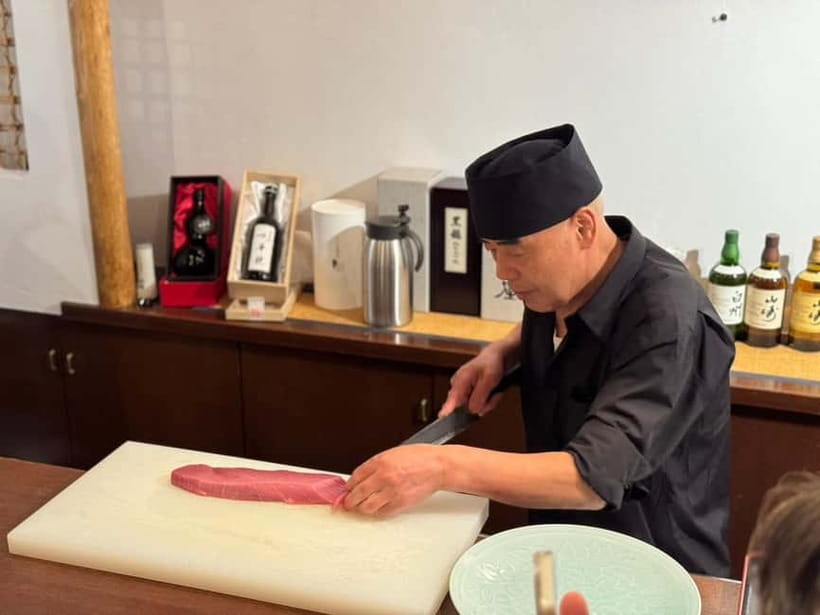
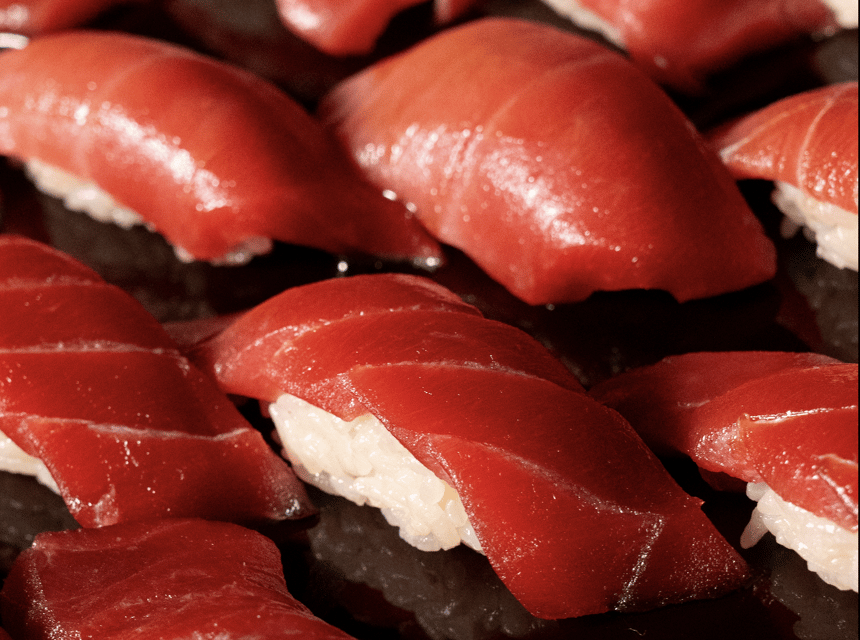
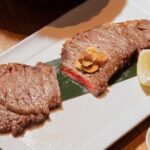
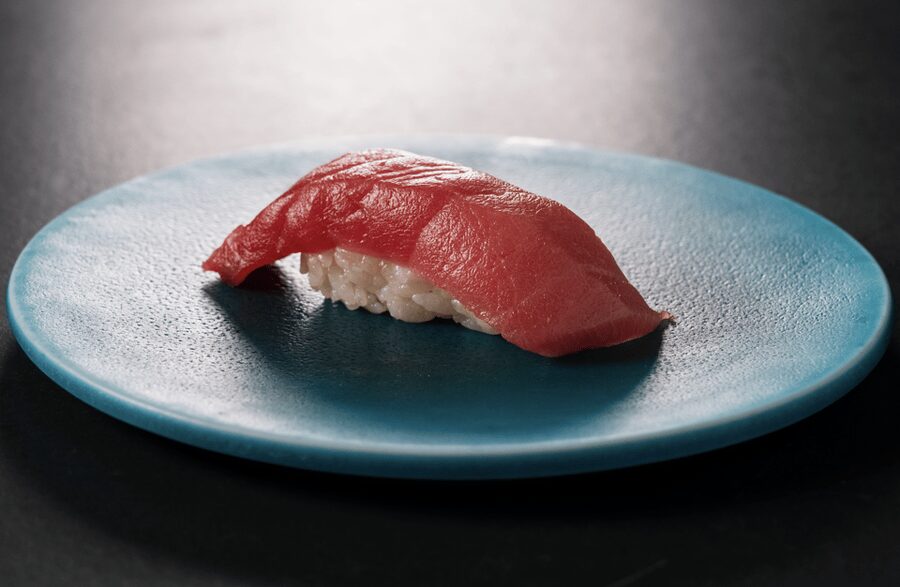
The sushi part is built around a clear promise: premium tuna. The tuna is linked to Yamayuki, described here as Japan’s top wholesaler. That matters because tuna quality in sushi isn’t only about the fish you see on the plate. It’s also about sourcing consistency—how the supply chain handles freshness and variety.
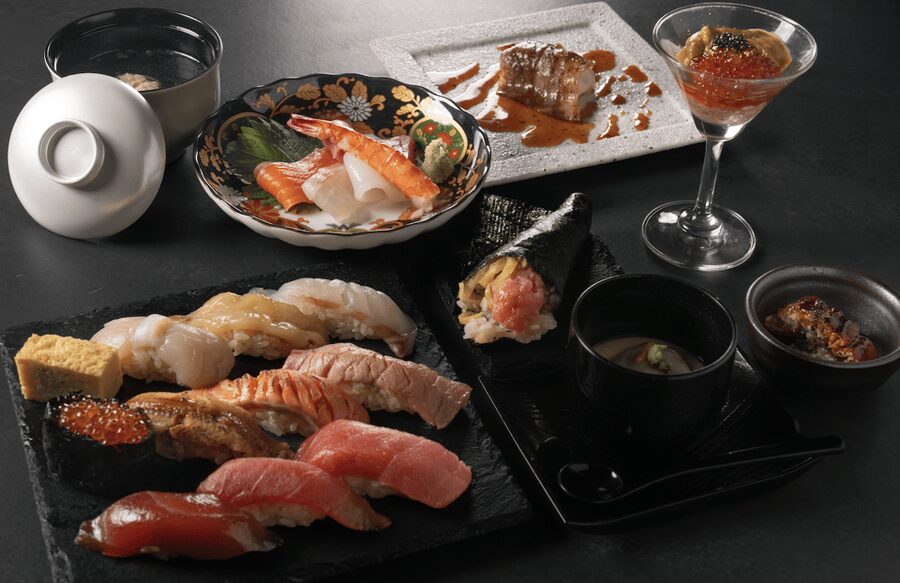
The chef then prepares fresh selected sushi as part of the tasting. One key practical point: the session pace is quick. In one recent dining experience, the sushi was presented in about 30 minutes, with around 10 pieces. That doesn’t mean it’s rushed in a rude way. It means you should eat with focus and expect a sequence rather than a slow back-and-forth meal.
What makes this pairing work
Sake tasting and tuna sushi are a smart match. As you move through different sake styles, your palate changes. That makes each piece of sushi feel like a reset button. Dry or crisp sake can cut through richness; softer, rounder sake can make the fish taste sweeter.
If you usually order sushi and then move on, this format helps you understand how drink choice alters taste. You’ll likely leave with better instincts about which sake style you prefer with seafood.
The rhythm of a 90-minute session: what to expect hour by hour
You’re looking at 90 minutes total, with unlimited sake available for 75 minutes. That means the night is likely structured like this:
- Start strong with sake
Early on, you’ll be drinking and sampling as the chef begins the sushi flow.
- Sushi hits during the middle window
Expect the sushi tasting to come out in a relatively short burst. Based on a real example, around 10 pieces can appear within about 30 minutes.
- Sake keeps going while you finish sushi
Because sake remains available for most of the experience, you’ll have time to keep comparing styles as you eat.
Seating and pace considerations (small but real)
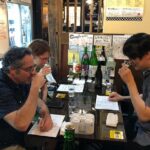
One detail to know: the setup can require changes during busy moments. In one dining experience, after more sake was still being served, the group was asked to move from the counter area to a table near the door to make space for incoming customers. That’s not uncommon in Tokyo where places manage tight space carefully.
So if you’re the type who hates interruptions or you want a perfectly stable view, keep that in mind. It’s still worth it for the tasting value, but don’t treat it like a private, unchanging dining room.
Price and value in Tokyo: why $63 can work (and when it won’t)
The price listed here is $63 per person for a 90-minute experience including:
- Unlimited sake tasting
- Sushi tasting
For Tokyo, that combo is the main value driver. A lot of sushi experiences are expensive partly because you pay for portions and chef labor. Here, you’re getting a fixed sushi flow plus the ability to keep sampling sake types for a long enough window to matter.
When this feels like a bargain
This tends to be good value if:
- You like sushi and want more than a single order
- You enjoy tasting multiple sake styles and comparing them
- You’re comfortable with a short, focused meal format
When it might feel tight
It may feel less ideal if:
- You mainly want deep guided education about sake brewing and history
- You prefer longer sit-down pacing and slower service
- You want an expanded sushi count beyond a tasting portion
One extra note from the vibe of the session: since sushi can come out quickly, you’ll want to go in hungry, not “mostly full.” If you arrive after a heavy meal, you may feel like the sushi disappears too fast.
Who should book this Roppongi sake-and-sushi tasting
I’d point you here if you want a practical Tokyo experience where food and drink both teach you something. This is especially appealing if you like:
- comparing sake from different producing regions
- eating tuna-focused sushi in an omakase-style flow
- doing a compact activity that fits easily into a day of sightseeing
It’s also a strong fit for couples or small groups who don’t want to plan multiple reservations.
But it’s not the best match if you’re chasing a high-detail academic tasting. The session is built around unlimited sampling and good-quality ingredients, not long explanations for each pour.
My take: should you book SUSHIROKU’s sake-and-sushi omakase?
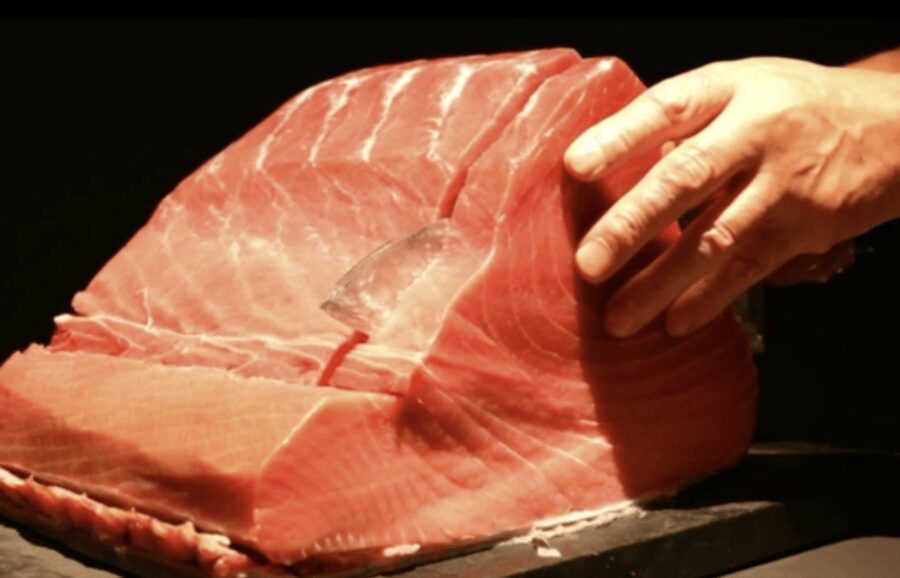
Book it if you want a high-flavor, high-efficiency evening: unlimited sake sampling for 75 minutes, then a sushi omakase that moves at a chef’s pace. The tuna focus via Yamayuki and the regional sake range (Hokkaido to Kyushu) make this feel more like a guided tasting of taste itself, not just a meal.
Skip or choose something else if you want extended storytelling about sake brewing methods, cultural history, and brand-by-brand depth. Some people feel the explanations can be too light, and the pacing is fast enough that you won’t get long pauses.
If you’re flexible and you like to taste first, ask second, this can be a very satisfying Tokyo night.
FAQ
How long is the experience?
It lasts 90 minutes.
Do you get unlimited sake?
Yes. Unlimited sake tasting is included, available for 75 minutes.
How many sake types will I taste?
You’ll have 8 or more types depending on availability.
Is sushi included?
Yes. You’ll get a sushi tasting as part of the experience.
Where is the meeting point?
The meeting point is SUSHIROKU, 4th Floor Vort Roppongi Briller Kaleido, 3-14-14 Roppongi, Minato-ku, Tokyo 106-0032, Japan.
How do I get there?
It’s about a 3-minute walk from Roppongi Station (Tokyo Metro Hibiya Line / Toei Oedo Line).
What’s included in the price?
The price includes unlimited sake tasting and sushi tasting.
Is there a group size limit?
Yes. It’s a small group limited to 8 participants.
Is the venue wheelchair accessible?
Yes, it’s listed as wheelchair accessible.
What’s the cancellation policy?
You can cancel up to 24 hours in advance for a full refund, and you can also reserve and pay later to keep plans flexible.