REVIEW · TOKYO
Casual Japanese sake tasting and snack experience, Kabukicho
Book on GetYourGuide →Operated by Bancre Inc. · Bookable on GetYourGuide
Sake tasting in Kabukicho feels friendly. I like that this is built around comparing 8 sake styles in a laid-back setting, so you’re not just sampling—you’re learning what tastes different and why. I also love the way each pour comes with snacks meant for pairing, which makes the flavors click fast, even if you’re new to Japanese sake. One consideration: the experience happens upstairs (no elevator), so if stairs are an issue, plan carefully.
In a small group capped at 6, the guide can keep things moving and still answer questions. In my notes, I keep seeing the same theme: the explanation is clear and progressive, and guides like Mai manage to make the whole thing feel welcoming. The only real drawback I’d flag is access: it’s not wheelchair accessible, and you’ll be navigating stairs to get to the tasting area.
In This Review
- Key things to know before you go
- Kabukicho Meets a Cozy Sake Lesson
- The Tasting Flow: How 8 Sake Types Actually Get Compared
- Pairing Snacks: The Shortcut to Understanding Japanese Flavors
- Amazake for Dessert: The Sweet, Rice-Malt Finish
- Where to Meet in Shinjuku (Kabukicho Central Road)
- English-Friendly, Small-Group Style (Even With a Translator)
- Price and Value: Is $38 Worth It?
- When This Works Best (And When It Doesn’t)
- Smart Planning Tips Before You Go
- Should You Book This Kabukicho Sake Tasting?
- FAQ
- How many sake types are included?
- Is this good for first-time sake drinkers?
- Are snacks included?
- Is there anything sweet at the end?
- What languages are offered?
- Is it wheelchair accessible?
Key things to know before you go
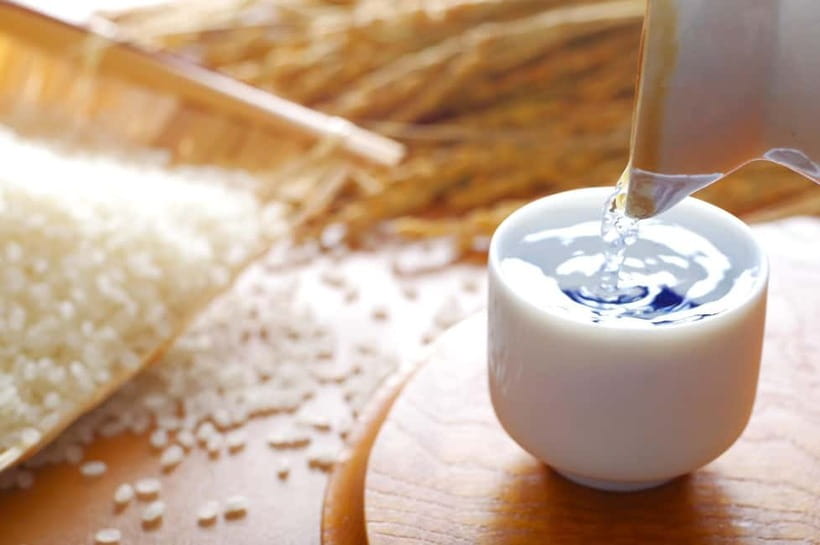
- 8 carefully selected sake varieties to compare, in an order that helps your palate understand what’s going on
- Snacks that teach pairing, not just filler—so you learn by taste, not by lecture
- Low-to-higher alcohol progression, helping first-timers build confidence without getting overwhelmed
- Amazake as the dessert, a sweet fermented rice-malt finish to round everything out
- Small group of 6, which keeps the vibe casual and the Q&A real
- Upstairs venue in Kabukicho, so bring comfortable shoes and expect stairs
Kabukicho Meets a Cozy Sake Lesson
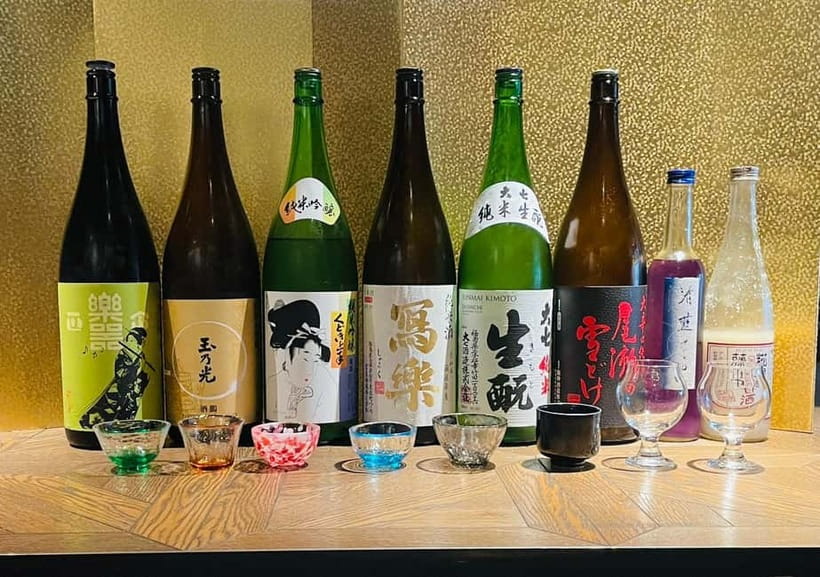
Kabukicho is loud. You’ll spot neon, crowds, and that slightly chaotic Shinjuku energy as you make your way toward the meeting spot. But the tasting itself is a different world: quieter, warmer, and intentionally casual. The point is to make Japanese sake feel understandable instead of mysterious.
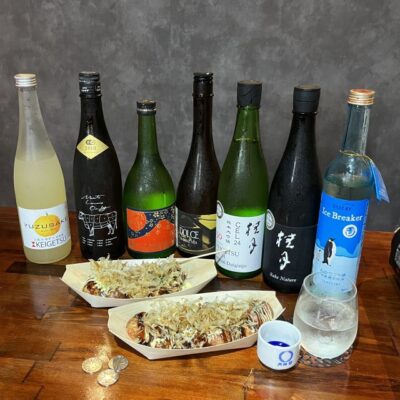
This experience is designed around comparison. You get eight selected varieties, and you taste them with traditional Japanese snacks so you can notice how sweetness, aroma, and texture shift from one pour to the next. That’s the best kind of learning for food and drink. You’re not memorizing terms—you’re letting your tongue do the work.
Two other things make it work for real life. First, you start with lighter alcohol levels. The typical range for sake is around 15–16% alcohol, but some bottles are lower and some are higher—so the pacing helps your palate adjust. Second, the group stays small (limited to 6), which means you’re not fighting for attention while you’re trying to pay attention to flavor.
You can also read our reviews of more tours and experiences in Tokyo.

The Tasting Flow: How 8 Sake Types Actually Get Compared
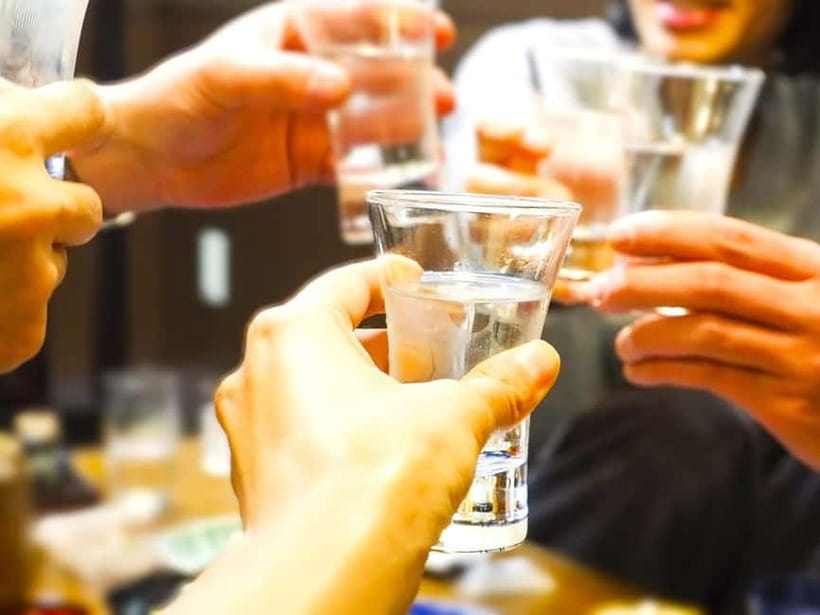
The structure matters here, and it’s one of the reasons this works even for first-timers. You begin with lower alcohol content, then move toward stronger bottles. That step-by-step order is useful because it reduces the chance you’ll get overwhelmed early and miss what each sake is showing you.
Here’s what you can expect from the tasting philosophy:
- Start gentle, notice aroma and mouthfeel first.
- Move through different styles so your palate starts building a reference point.
- Use the snacks as a “flavor lens.” When you switch between sake and food, the sake’s sweetness and acidity become easier to track.
You’ll also get variety beyond just one “type” of sake. Based on what guides share during these tastings, you should be prepared to encounter contrasts like cold vs. warm pours, and even a more playful format such as a sake-based drink style. The overall takeaway is that sake isn’t one flat category—it changes with temperature, brewing choices, and how it’s served.
And yes, this is fun if you’ve never drunk sake before. The tasting is set up to be approachable: you’re guided through simple differences, and the staff help you connect those differences to what you’re experiencing.
Pairing Snacks: The Shortcut to Understanding Japanese Flavors
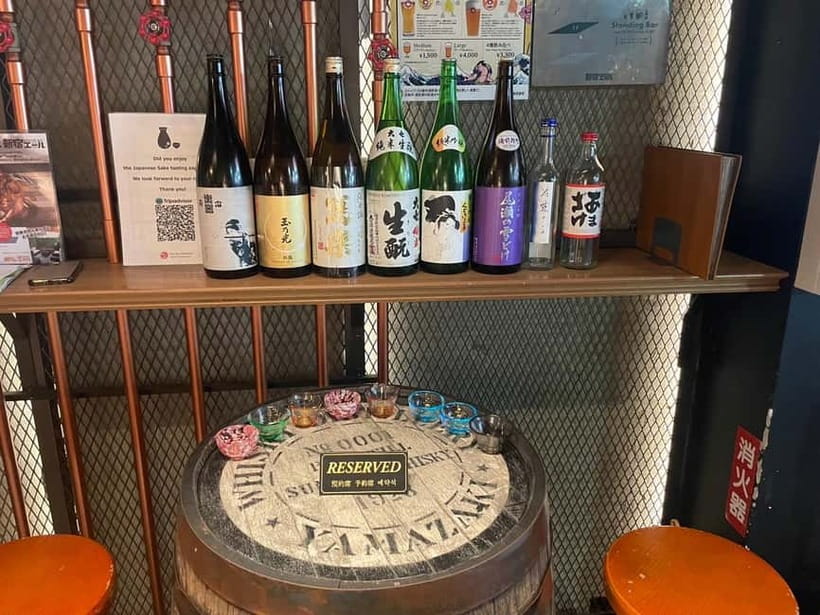
Sake alone can be tricky when you don’t know what you’re looking for. That’s why I like that this experience pairs your pours with traditional Japanese snacks. The snacks aren’t random. They’re there to make the sake easier to taste and harder to misread.
Think of the snack as a tool. If one sake tastes slightly sharp, a particular snack may soften the edges. If another sake tastes more rounded, the pairing can bring out that texture. Over the course of the 8 comparisons, your brain starts forming quick flavor connections.
This is also where the “casual” part matters. You don’t need to pretend you’re a critic. The guide’s job is to help you notice. You do the tasting, and the snacks keep you engaged between pours.
One practical note: plan to go a bit hungry but not starving. The experience includes snacks and ends with dessert-style amazake, so you don’t want to be too full before you arrive, or your taste buds will be less responsive.
Amazake for Dessert: The Sweet, Rice-Malt Finish
Not every sake tasting ends with something drinkable and sweet. This one does. Near the end, you’ll get amazake as a dessert.
Amazake is a sweet, fermented drink made from rice malt. It’s typically the kind of finish that lets you wind down from the alcohol tasting and keeps the overall experience feeling balanced. If you’ve been comparing different strengths and styles, the amazake landing feels like a palate reset.
If you’re curious but cautious about alcohol, amazake can be a reassuring final step. You still learn about fermented rice flavors, just in a softer, sweeter direction.
Where to Meet in Shinjuku (Kabukicho Central Road)
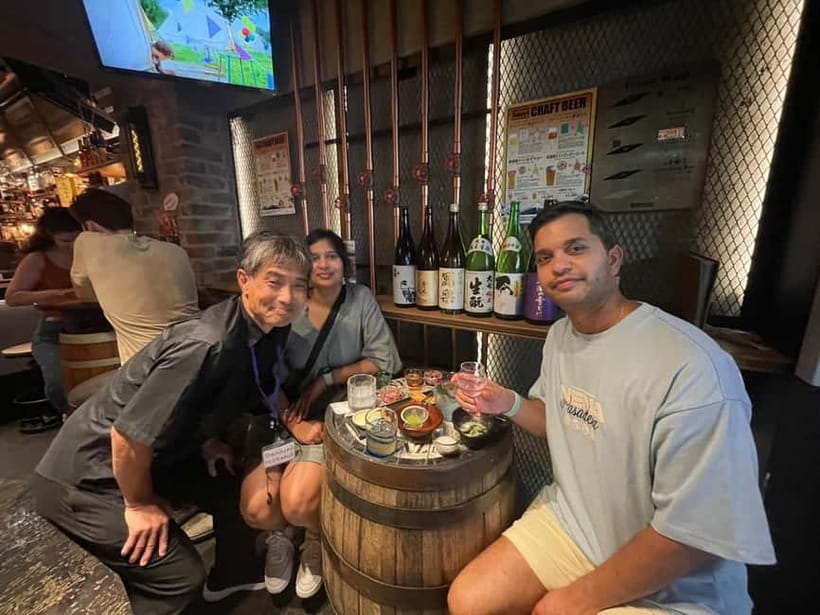
Logistics in Kabukicho can be the difference between a smooth start and a stressful one. The good news: the meeting point is very specific, and it’s close to a major train hub.
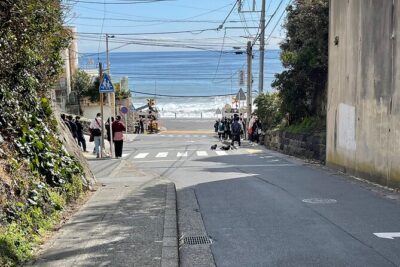
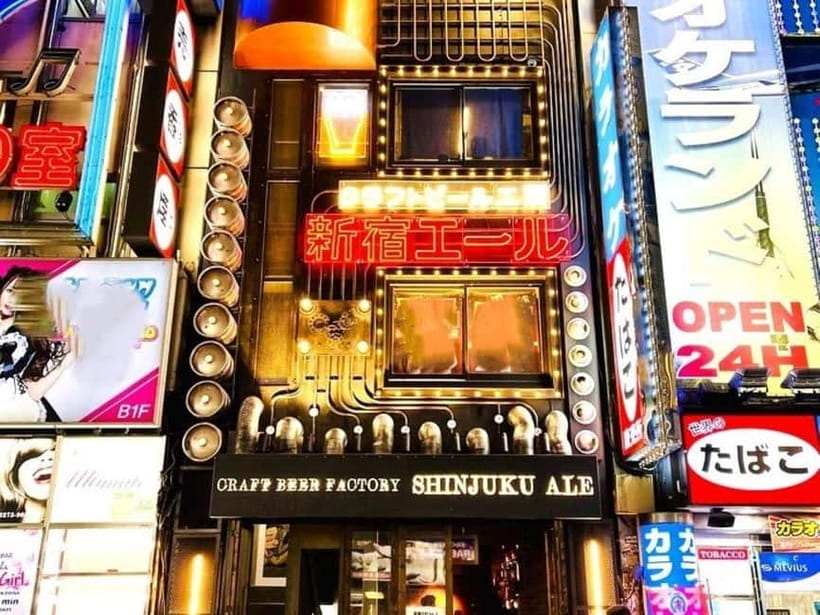
Meet about 5 minutes walk from Shinjuku Station on the JR Yamanote Line. You’ll walk along Kabukicho Central Road toward TOHO Cinemas. Look for the sign for Shinjuku Ale next to Karaoke 747 on your right.
If you’re navigating with your phone, the plus code is MPV2+VR Shinjuku City, Tokyo.
A real-world tip based on what’s been shared by previous participants: the event signage may not be the most obvious from the street. Give yourself a couple extra minutes to orient, especially when you’re cutting through the more chaotic parts of Kabukicho.
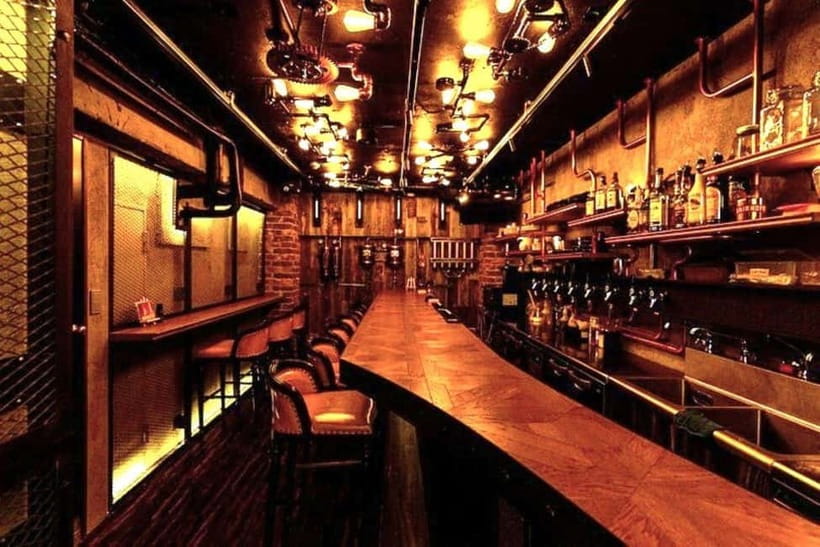
Once you’re inside, the tasting happens on the second floor of the venue. So wear shoes you can walk in confidently, and expect stairs.


English-Friendly, Small-Group Style (Even With a Translator)
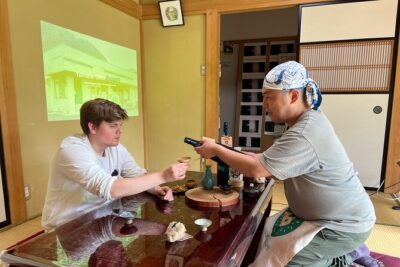
This tour is led by an instructor who works in English and Japanese. You should feel comfortable asking questions. That said, some staff may have more limited English, and the experience may use a translator machine if needed.
In practice, that means you can still get the explanations and context even if you don’t speak Japanese well. It’s also why the small group size matters: the guide can keep the flow calm and clear, rather than rushing through answers.
If you like a personable, Q&A-friendly format, this fits. It’s not a giant tasting event where you get handed a menu and left to fend for yourself. Multiple comments highlight staff warmth and the feeling of being welcomed, with guides like Mai specifically mentioned as friendly and helpful.
Price and Value: Is $38 Worth It?
At $38 per person, you’re paying for more than a few sips. The value comes from the structure:
- Eight sake varieties to compare
- Traditional snack pairings that make the tasting meaningful
- A guided explanation that helps you understand differences
- A dessert-style finish with amazake
- All fees and taxes included
You’re also buying time and convenience. Getting to Kabukicho, paying for sake tastings separately, and then trying to find proper snack pairings would likely cost more and take more effort. Here, the pairing logic and pacing are handled for you.
The other value piece is the small group cap of 6. That keeps the learning personal. You get a better chance to ask what something tastes like and why.
If you’re the type who likes food and drink experiences that teach you quickly, the price makes sense. If you only want a casual drink with no attention paid to flavor differences, you might feel there are cheaper ways to drink. But the comparison format is the point.
When This Works Best (And When It Doesn’t)
This is a great match if you’re:
- Curious about Japanese sake but want it explained in plain steps
- Enjoying food-and-drink pairings and want tasting lessons you can use later
- Traveling in a small group setting and prefer a calmer, guided experience
- Looking for something easy to fit into a day in Shinjuku
You should consider skipping if:
- You need wheelchair access. The venue has no elevator, and you’ll be going upstairs.
- You’re under 20 or you’re pregnant. This experience isn’t suitable for those categories.
Also, keep your expectations realistic. This is a tasting and enjoyment event, not a deep technical seminar. You’ll learn enough to make better sense of what you’re drinking, and you’ll leave with more confidence ordering sake in Japan later.
Smart Planning Tips Before You Go
A few small things will make your tasting smoother:
- Go in with a light appetite. Snacks are part of the experience, and you’ll taste more clearly if you’re not too full.
- Bring a bit of patience with Kabukicho navigation. It’s busy and signage can be subtle.
- Plan for stairs. The tasting is on the second floor, and there’s no elevator.
- Ask for what you like. If you prefer lighter, smoother, or more aromatic styles, tell the guide. The whole point is to compare and find your preferences.
If you’re worried you’ll feel lost, don’t be. The experience is set up to be easy from the first pour, and the staff work to keep things friendly and understandable.
Should You Book This Kabukicho Sake Tasting?
Book it if you want a straightforward, enjoyable way to learn Japanese sake without turning it into a school project. The biggest reasons to go are the comparison format (8 varieties), the pairing snacks, and the confidence-building order that starts with lower alcohol content. Add in the amazake dessert finish and the small-group vibe, and it’s a solid value at $38.
Skip it if you can’t handle stairs or you fall into categories for which the experience isn’t suitable. Also skip if you only want a quick buzz and don’t care about tasting differences.
If you’re spending time around Shinjuku, this is one of those experiences that makes Japan feel personal fast. You’ll walk away with real flavor memories, not just photos.
FAQ
How many sake types are included?
You’ll taste 8 carefully selected sake varieties as part of the experience.
Is this good for first-time sake drinkers?
Yes. The tasting is designed to be enjoyable and easy even if it’s your first time drinking sake.
Are snacks included?
Yes. Traditional Japanese snacks are included to help with pairings while you taste the different sake.
Is there anything sweet at the end?
Yes. Amazake is served as a dessert. It’s a sweet fermented drink made from rice malt.
What languages are offered?
The instructor provides the experience in English and Japanese.
Is it wheelchair accessible?
No. The venue is not wheelchair accessible because there is no elevator.