REVIEW · TOKYO
Experience a western twist on Japanese sake snacks
Book on Viator →Operated by Shinbashi Tamakiya · Bookable on Viator
Tokyo has snacks with serious style.
This private tsukudani tasting at Shinbashi Tamakiya (est. 1782) turns preserved seafood into something you can actually understand and enjoy, whether you pair it with sake or wine. I love how the experience mixes old-school Japanese craft with modern serving ideas, so you do not just eat and run. One thing to consider: it includes alcohol pairings, so you’ll want to plan your day with that in mind.
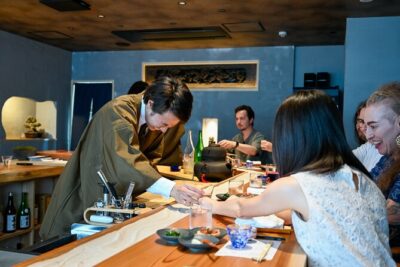
What I really like is the pacing and the teaching. You get guidance on how to eat tsukudani, plus a walk-through of the shop and the Edo-period roots of the dish, before you sample multiple styles. The format is fully private, so your questions get answered instead of getting lost in a crowd.
In This Review
- Key Moments You’ll Remember
- Why Tsukudani Works So Well (Especially With Sake Snacks)
- Arriving at Shinbashi Tamakiya and Getting Oriented Fast
- Edo-Period Roots Meet Today’s Flavors
- Your Tasting Roadmap: Secret Sauce to Rice to Unexpected Combinations
- 1) Secret sauce and three signature tsukudani
- 2) Rice with tsukudani and furikake seasonings
- 3) Tsukudani with various ingredients, including pasta and nuts
- Wine or Sake Pairings: The Western Twist You Can Actually Taste
- What Private Really Changes (Beyond Just Not Being With Strangers)
- Value Check: Is $36.24 Worth It?
- Timing, Tickets, and How to Make It Fit Your Day
- Who This Tsukudani Tasting Is Best For
- Should You Book Shinbashi Tamakiya’s Private Tsukudani Tasting?
- FAQ
- Where is the meeting point?
- How long is the experience?
- How much does it cost per person?
- Can I choose a morning or afternoon time?
- What is included in the price?
- Does the tasting include both traditional and modern tsukudani?
- What will I specifically taste?
- Is this a private tour?
- Is there free cancellation?
Key Moments You’ll Remember
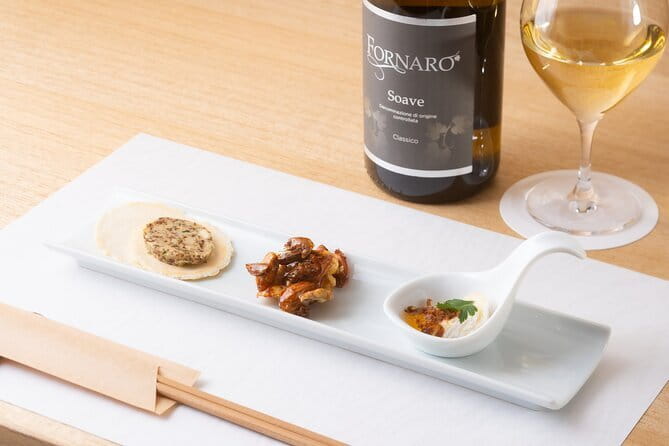
- Shinbashi Tamakiya since 1782 gives you a real anchor point for what you’re tasting
- Secret sauce + three signature tsukudani early on, so you know what to compare later
- Rice with tsukudani and furikake shows how snack food becomes comfort food
- Modern twists like pasta and nuts explain how the flavors travel beyond tradition
- Wine or sake pairings help you connect taste to pairing logic, not just preference
Why Tsukudani Works So Well (Especially With Sake Snacks)
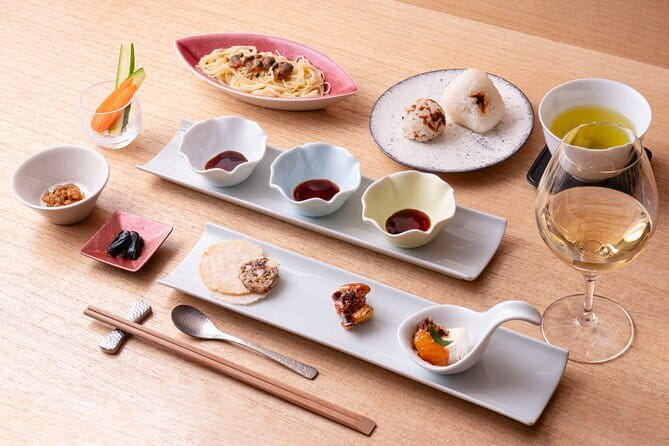
Tsukudani is one of those Japanese foods that sounds niche until you taste it: preserved seafood cooked down with seasonings until it becomes shelf-stable, concentrated, and intensely flavorful. In Tokyo, it shows up as part snack, part pantry staple, part meal shortcut. And it is exactly the kind of food you can’t fully appreciate from a quick bite without context.
I like that this experience frames tsukudani as more than salty seafood. You’ll learn why it exists and how it developed, then you’ll get to taste multiple versions side-by-side. That matters, because tsukudani can taste like many things depending on the cut, the prep, the cooking method, and the seasonings.
You also get to treat it as a snack with ritual. The guide talks about how to eat it, and you’ll see how it changes as it hits your palate—first as a concentrated bite, then as part of rice, then in more unexpected combinations.
You can also read our reviews of more tours and experiences in Tokyo.



Arriving at Shinbashi Tamakiya and Getting Oriented Fast
Your tasting starts at Shinbashi Tamakiya in Shinbashi, Minato City. The meeting point is listed at 4-chōme 254 Ishida Building 1F, in front of the shop.
Even if you’re not a “food history” person, the value here is practical. The shop’s long timeline (1782) gives you a sense of what has stayed consistent in tsukudani culture and what changes as tastes shift. Before you start eating, you’ll learn about the shop’s history and the dish’s background stretching back to the Edo period.
That early orientation helps you taste with purpose. Instead of thinking, This is good, you start noticing patterns: sweetness vs. saltiness, aroma, texture, and how the seasoning clings when it’s preserved and cooked down.
Edo-Period Roots Meet Today’s Flavors
Tsukudani has been around a long time, and the experience makes that feel concrete instead of vague. You’ll hear about how the dish came to be, and then you’ll see the result in real food: preserved seafood shaped into something you can snack on, carry, and keep.
The smartest part is how the tasting is set up to compare old and new. You are not stuck with one style. You’ll sample both traditional and modern takes, which gives you a quick sense of how the same core idea can taste quite different depending on the approach.
And yes, this is where the western-leaning angle shows up. It is not about replacing Japanese flavors with foreign ones. It is about presenting tsukudani in ways that make sense to more palates—especially when paired with wine later in the experience.
Your Tasting Roadmap: Secret Sauce to Rice to Unexpected Combinations
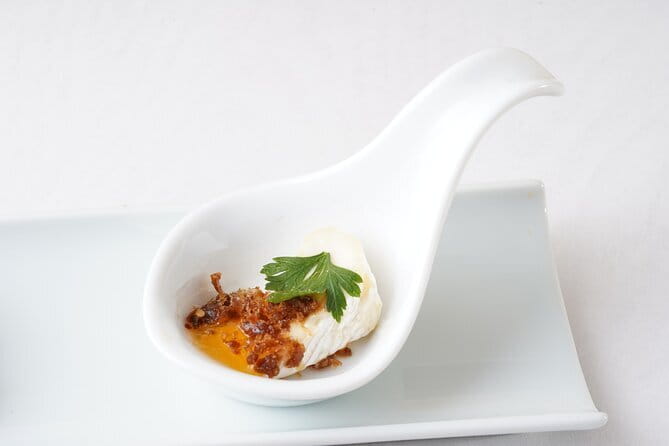
The tasting runs about 1 hour 30 minutes, and it’s built around multiple samples rather than one big plate. Here’s what you can expect in order, and why each step matters.
1) Secret sauce and three signature tsukudani
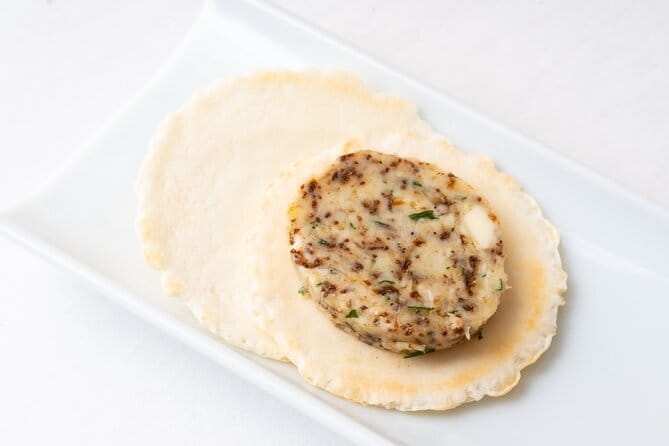
You start with the shop’s secret sauce and then move into three signature tsukudani styles. Starting with the signatures is smart: you get the shop’s “this is the point” versions early, so you have a baseline.
This is also the moment where the guide’s instructions help the most. You’ll learn how to eat the bites, which affects how you experience the seasoning. With concentrated preserved foods, tiny differences in how you take the bite can change the impact—especially at the first few tastes when your palate is adjusting.



2) Rice with tsukudani and furikake seasonings
Next comes rice with tsukudani and furikake. This is comfort-food logic: tsukudani often belongs on rice, so this step shows you the pairing in its natural role.
I like this part because it turns snack flavor into a meal texture. When you eat tsukudani on rice, you get a different balance—less intense per mouthful and more rounded. It also helps you understand what tsukudani is doing beyond being salty: it adds depth, chew, and a savory finish.
If you’re thinking, I like salty snacks but would this work in a real meal? This rice step is your answer.
3) Tsukudani with various ingredients, including pasta and nuts
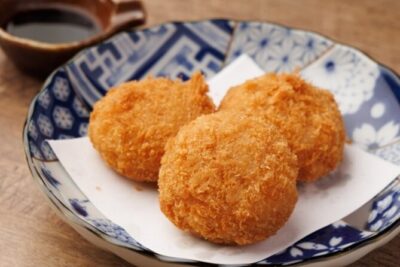
Finally, you try tsukudani with different ingredients, including pasta and nuts. This is the modern twist that makes the whole experience feel less like a museum stop and more like a live conversation with food.
Why this works: when tsukudani meets pasta, you get a softer, grain-and-sauce kind of experience rather than a pure seafood bite. Nuts add crunch and a different fat profile, which can change how the seasoning reads on your tongue. These comparisons help you see tsukudani as a flavor engine, not just a single-purpose snack.
Wine or Sake Pairings: The Western Twist You Can Actually Taste
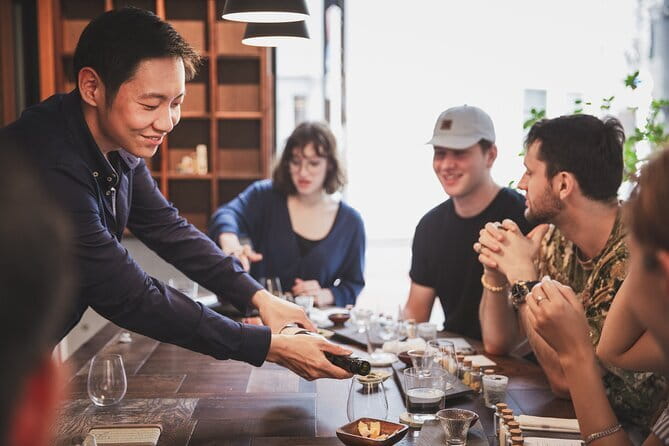
You choose between morning or afternoon tastings, but the key decision for flavor is pairings. The experience includes wine or sake pairings, and the idea is to match how the tsukudani tastes with an alcohol partner.
You’ll get guidance on arranging tsukudani to match wine, plus suggestions for how to eat it. That matters because pairings are not only about personal taste. They’re about timing and balance—how fat, salt, and sweetness interact with acidity in wine or with the fermentation character of sake.
For me, the “western twist” here is not a gimmick. It’s the logic of pairing: if you already know how wine and salty foods work together, you’ll recognize the bridge. If you don’t, the guide basically gives you training wheels, so you can taste with confidence instead of guessing.
Also, because alcohol is included, you’re not stuck deciding what to order while you’re hungry and busy figuring out menu translations.
What Private Really Changes (Beyond Just Not Being With Strangers)
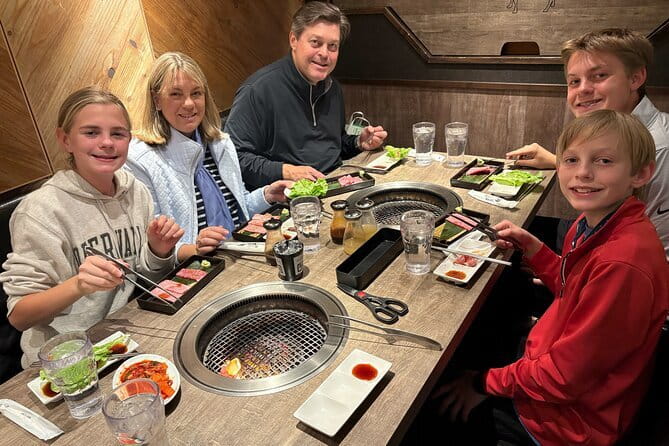
This is a private tasting, so only your group participates. That affects the vibe more than you might expect.
In a group setting, guides tend to teach broadly. Here, you can get direct answers to the questions that come up mid-bite: Why does this version taste sweeter? What is the secret to the seasoning? How should I eat this to get the best texture?
You also get personalization in the pairing side. If you prefer sake or wine, the guide can help you connect your preferences to what you’re eating, instead of just serving and moving on.
The other practical benefit: the pace stays comfortable. Tsukudani has enough different textures and intensities that rushing can flatten the experience.
Value Check: Is $36.24 Worth It?
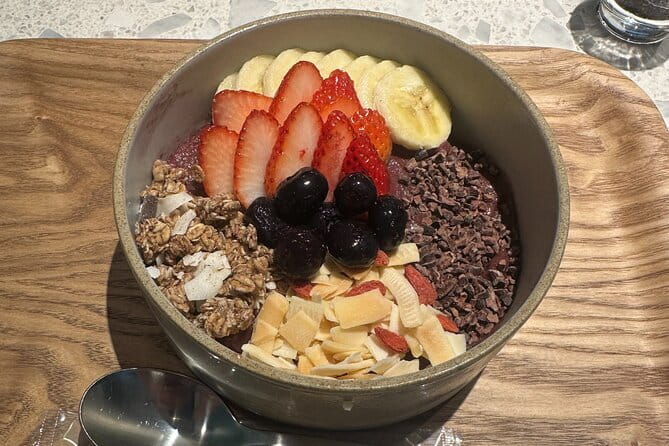
At $36.24 per person, you’re paying for a short, focused experience with multiple tastings and included pairings. For Tokyo, the price lands in a reasonable zone when you factor in what’s included: brunch, snacks, and alcoholic beverages, plus guided learning and a shop-based tasting tied to Shinbashi Tamakiya’s long background.
What makes it good value is not only the amount of food, but the structure. You’re tasting traditional and modern versions back-to-back, including three signature tsukudani and then rice with furikake plus additional combinations like pasta and nuts. You’re also getting pairing help, which is one of the biggest reasons tastings cost more than just eating in a normal restaurant.
A possible trade-off: because it’s alcohol-included, you’ll get the most value if you plan to participate fully. If you never drink, your effective value may drop—though the tasting itself is still the heart of it.
Timing, Tickets, and How to Make It Fit Your Day
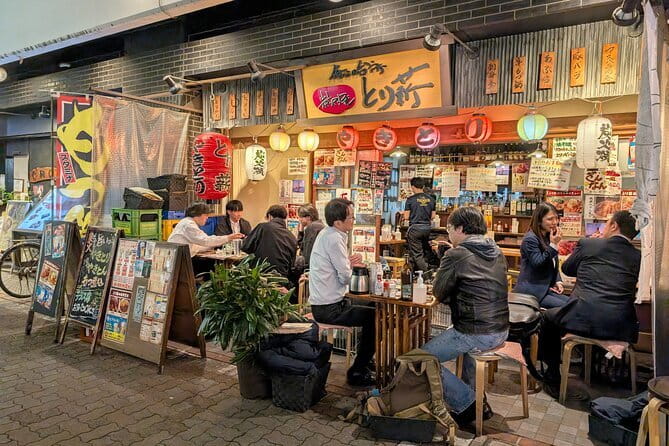
This experience runs about 1 hour 30 minutes, with options for morning or afternoon tastings. That choice is useful in Tokyo, where your schedule can swing based on the rest of your day.
Because alcohol is part of the plan, I recommend building in a low-stress block afterward. You’ll be full of salty, savory flavors and probably feeling good—so it’s smart not to stack a long walking tour right after.
You get a mobile ticket, and the activity ends back at the meeting point at Shinbashi Tamakiya. Since it’s near public transportation, you can slot it in without needing a car or heavy routing.
Who This Tsukudani Tasting Is Best For
This is a great fit if you want Tokyo food that goes beyond sushi and ramen, but you still want something grounded. You’re learning the dish, tasting multiple versions, and getting pairing guidance in a way that feels approachable.
It is especially good for:
- Food curious travelers who like learning how something is made and why it matters
- People who enjoy salty snacks and want the Japanese angle on them
- Anyone who wants a structured taste of both tradition and modern food presentation
- Couples or small groups who like private, question-friendly meals
If you hate alcohol pairings or prefer strictly dry experiences, it might not match your style as well. But if you’re open-minded and want to understand tsukudani quickly, this is a strong way to do it.
Should You Book Shinbashi Tamakiya’s Private Tsukudani Tasting?
I’d book it if you want a short, high-signal food experience in Tokyo: three signatures, rice with furikake, and modern combinations like pasta and nuts, all paired with sake or wine and wrapped in a guided explanation of what you’re actually eating.
It is also a smart choice if you like learning with your mouth instead of just reading about food. The private format helps a lot, and the teaching tone—clear, welcoming, and food-first—seems to be a big reason people enjoy the experience.
If you only want a casual walk-in snack, you might be able to do tsukudani on your own. But if you want to understand the flavor logic and taste several styles in one focused session, this tour is a great use of time.
FAQ
Where is the meeting point?
The tour meets at Shinbashi Tamakiya, Japan, 105-0004 Tokyo, Minato City, Shinbashi, 4-chōme 254 Ishida Building 1F.
How long is the experience?
It runs about 1 hour 30 minutes.
How much does it cost per person?
The price is $36.24 per person.
Can I choose a morning or afternoon time?
Yes. You can choose from morning or afternoon tastings to fit your schedule.
What is included in the price?
The price includes brunch, alcoholic beverages, and snacks.
Does the tasting include both traditional and modern tsukudani?
Yes. You’ll learn about traditional and modern tsukudani seafood snacks and sample multiple versions.
What will I specifically taste?
You’ll taste the shop’s secret sauce, three signature tsukudani, rice with tsukudani and furikake seasonings, and tsukudani with various ingredients such as pasta and nuts.
Is this a private tour?
Yes. It is a private experience, and only your group will participate.
Is there free cancellation?
Yes. You can cancel for a full refund up to 24 hours in advance of the experience start time. Confirmation is subject to availability, and you should receive it within 48 hours of booking.