REVIEW · TOKYO
Tokyo Sushi Making Class : Sake Ceremony & Matcha Experience
Book on Viator →Operated by Sushi Meets Matcha · Bookable on Viator
Sake, sushi, and matcha in one hour. In Asakusa, you’ll do more than watch cooking. You’ll chant along, shape nigiri, torch a modern favorite, and whisk matcha—then leave with photos and real skills you can use at home.
I especially liked how the class starts with Kagami-biraki—a lively sake barrel opening with a big group toast. I also love the practical sushi coaching: you learn how to press and shape rice, handle toppings, and place fish so your pieces look legit, not homemade-in-a-hurry.
One consideration: the whole experience is about 1 hour 30 minutes, so it’s not long enough to become a master sushi chef. You’ll learn a strong base, but you’ll still want practice after you get home.
In This Review
- Key highlights you’ll feel right away
- Asakusa is the right setting for sushi and sake
- Kagami-biraki sake barrel opening and the Yoisho toast
- Nigiri basics: rice pressure, toppings, and confident assembly
- WASSHOI torched salmon mayo gunkan: the Tokyo twist
- Matcha whisking: the calm finish after the chants
- Price and value: what $45.77 buys you in real terms
- Timing and what to do before you go
- Who this Tokyo sushi making class is perfect for
- Should you book this sushi, sake, and matcha experience?
- FAQ
- How long is the Tokyo sushi making class?
- Where does the experience start?
- Is this class beginner-friendly?
- What will I make and how many pieces will I get to create?
- Does the class include sake, and is there a non-alcohol option?
- What is the torched dish you’ll learn?
- Do I make matcha myself?
- What size group is the class limited to?
Key highlights you’ll feel right away
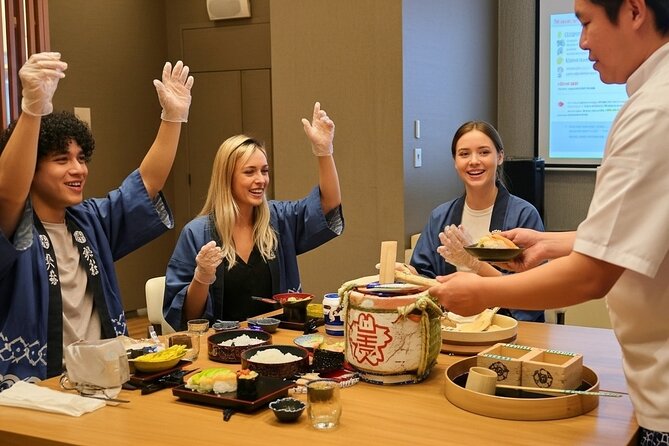
- Kagami-biraki cheers (Yoisho) to kick things off with culture and good energy
- Hands-on nigiri technique focused on rice pressure, toppings, and clean assembly
- WASSHOI torched salmon mayo gunkan with a Tokyo twist and a quick torch step
- Chants and photo moment built into the most fun part of the menu
- DIY matcha whisking for a calm, satisfying finish
Asakusa is the right setting for sushi and sake
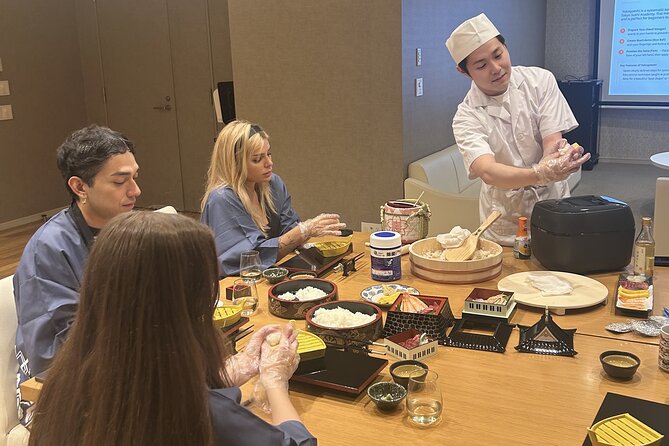
This class takes place in Asakusa (Taito City), at 1-chōme-10-16 Hanakawado. The location matters, because you’re not stuck in a sterile classroom. You’re in the kind of neighborhood where food rituals feel like part of everyday life, even when you’re learning something hands-on.
Logistics are also friendly. The activity is near public transportation, so you’re not fighting the clock just to get there. And with a maximum of 20 travelers, it stays personal. You’re likely to get enough attention to actually correct your rice shaping and assembly—not just do a long line of tasks.
Also, you’ll get a mobile ticket. That’s a small thing, but in Tokyo it saves time when you’re moving between stops.
You can also read our reviews of more tours and experiences in Tokyo.
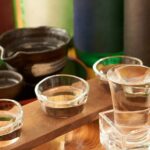
Kagami-biraki sake barrel opening and the Yoisho toast
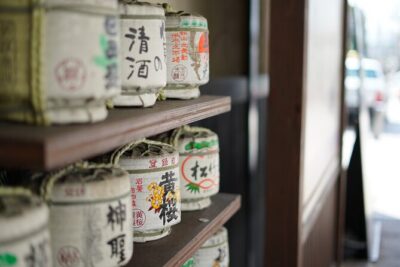
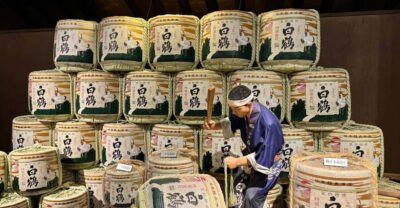
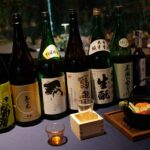
The experience begins with Kagami-biraki, the traditional ritual of opening a sake barrel. It’s not just for show. You join the group as the barrel is opened, then you raise a toast together.
The best part is the shared rhythm: you chant Yoisho, yoisho, yoisho with everyone. It turns what could be a formal ceremony into something you can actually participate in. You’re not required to know the background to enjoy it. You just follow along and keep the momentum going.
There’s also a non-alcohol option for the toast—water or warm Japanese tea. So if you don’t drink alcohol, you’re still part of the moment. This is one of those thoughtful details that makes a cultural activity feel welcoming instead of awkward.
If you like experiences that mix food with tradition, this opening is the tone-setter. It tells you what the class values: celebration, participation, and doing things with confidence.
Nigiri basics: rice pressure, toppings, and confident assembly
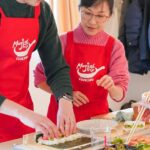
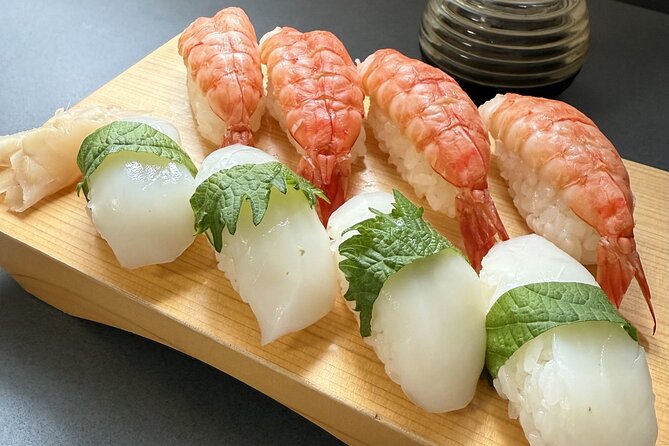
After the toast, you shift from ceremony to skill. You’ll learn the essentials of nigiri with friendly, step-by-step guidance.
Here’s what makes the instruction practical: they focus on the parts that make or break a good piece.
You learn how to shape the rice with the right pressure. Too light and it won’t hold. Too hard and it can go dense. In a short workshop, this is exactly the kind of feedback you want. It’s the difference between sushi that collapses on contact and sushi that looks sharp.
Then you practice handling toppings—so they sit the way they should, not sliding around like a bad sticker. And you assemble each piece cleanly so it looks like you know what you’re doing, even if you’re a beginner.
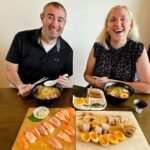
The class aims to get you to a point where you can make 6 to 12 pieces total. That range matters because it means you’ll do enough to feel progress without turning it into an all-day marathon. You’ll make a mix of nigiri and rolls, so you don’t get stuck only doing one shape.
You’ll also finish with photos. That sounds simple, but it changes how you approach the work. You’re more likely to slow down at the right moment—right when you place the topping and get the final look.
WASSHOI torched salmon mayo gunkan: the Tokyo twist
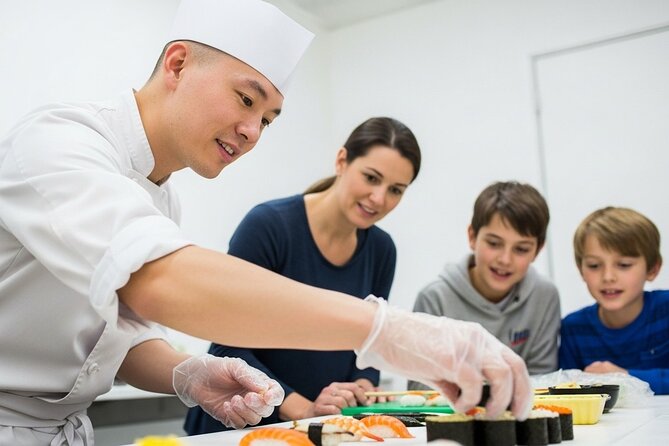
Next comes a crowd favorite: WASSHOI! Torched Salmon Mayo Gunkan. This is where the class leans into modern Tokyo sushi flavor while still giving you core technique.
The build is fun and a little dramatic. You pile salmon high, zigzag mayo, and then do a quick torch finish. The torch adds smoky aroma on top of creamy umami—exactly the kind of flavor contrast that makes people remember a dish.
You’ll also chant Wasshoi! ×3 during this section, and there’s a photo moment timed to the peak step. That’s smart. The dish is at its best visually right after the torched finish, when the surface looks just done and slightly glossy.
One practical note: the torch step will add heat and a smoky smell. Even if you’re not cooking at home, follow the instructor’s safety guidance closely and keep your station tidy. It’s usually quick, but you’ll want to be fully present so you don’t rush something that’s meant to be controlled.
What I like about this portion is that it feels playful without being random. You’re still learning technique—just using it to create a modern favorite that matches what you might see in Tokyo sushi spots.
Matcha whisking: the calm finish after the chants
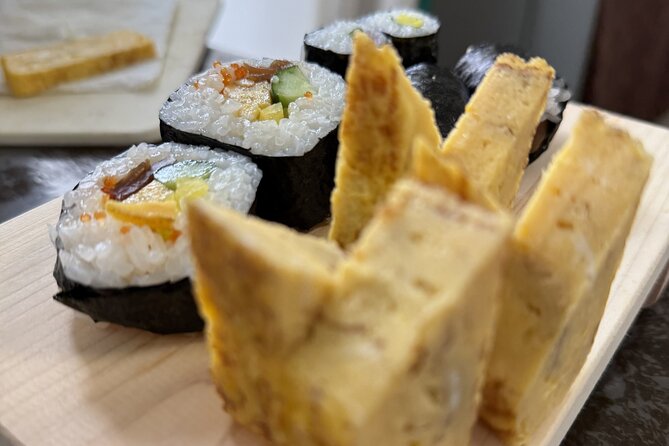
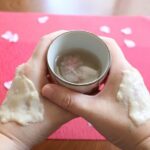
After the sushi-making buzz, the experience ends with matcha. You’ll make matcha yourself by whisking it properly for a smooth, foamy bowl.
This part is surprisingly valuable. After you’ve been shaping rice and assembling toppings, your body needs a reset. Whisking matcha slows you down. You’re focused on texture, not speed.
You learn how to whisk to get that right finish—smooth and a bit foamy rather than flat. Then you enjoy your matcha as the finale. It works like a palate reset, too. The tea’s bitterness and earthy character help balance the flavors from the torched salmon and mayo.
If you like a class that ends with something gentle and satisfying, matcha is a strong close. It turns the session into a full arc: celebration, creation, then calm.
Price and value: what $45.77 buys you in real terms
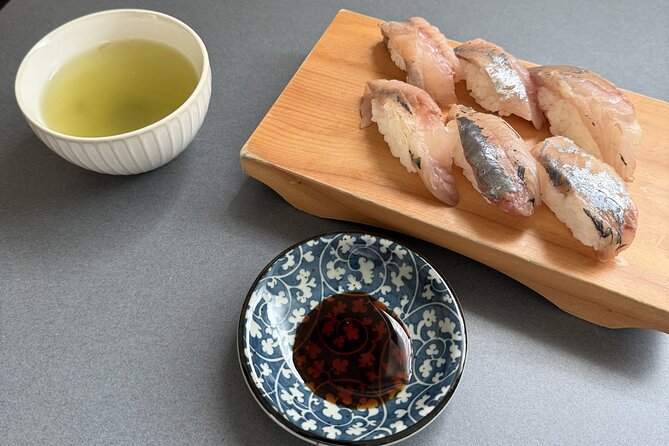
The price is $45.77 per person, and for Tokyo, it helps to judge value by what’s included and how much you actually do.
Here, you’re not paying only for tasting. You’re paying for instruction and participation:
- A sake barrel opening with a group toast (plus a non-alcohol option)
- Hands-on nigiri and roll making with guidance
- A signature modern dish: torched salmon mayo gunkan
- A matcha-making finish where you whisk and drink your own
- Photos at the best moment, plus the final pieces you make (about 6 to 12)
You’re also getting a controlled group size (up to 20), and the class runs about 1 hour 30 minutes. That duration is a good balance in Tokyo. You get a lot of content without swallowing your entire evening.
So the value story here is simple: the cost lines up with a lot of included cultural bits and hands-on output. If you want a quick, memorable food-and-culture activity that doesn’t feel like a lecture, this is the right price structure.
Timing and what to do before you go
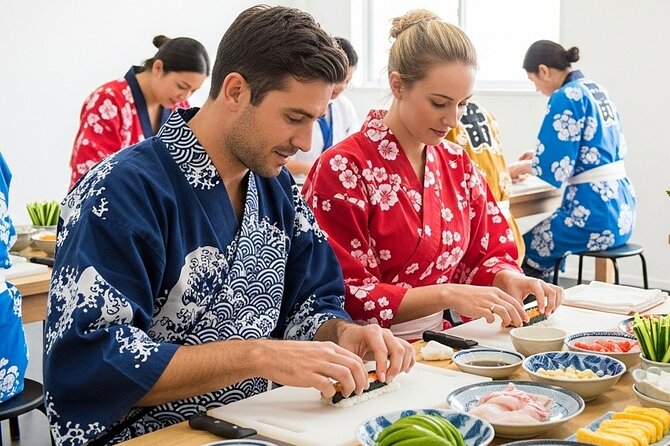
You should plan for a short, concentrated session. With 1.5 hours on the clock, I’d treat it like a workshop, not a slow dinner event.
Before you arrive, it helps to:
- Bring curiosity more than expectations. This is beginner-friendly, but it still takes attention.
- Wear something comfortable. You’ll be working with your hands.
- Expect chants and group energy. If you like interactive moments, you’ll enjoy the vibe.
And when you’re in the room, keep your pace matched to the instructor. Sushi is one of those things where doing it quickly is not the same as doing it well.
Who this Tokyo sushi making class is perfect for
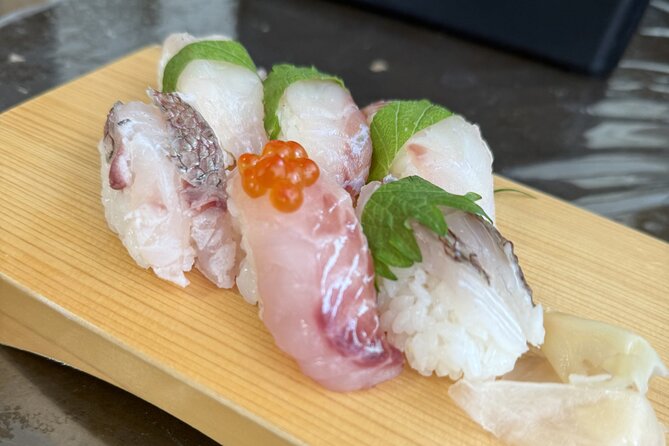
This is a great fit if:
- You’re a beginner who wants real, repeatable sushi skills.
- You want Tokyo food culture without needing a long food tour schedule.
- You enjoy interactive parts of travel—chants, ceremonies, and photo moments that feel built-in, not tacked on.
- You like the idea of learning both a classic foundation (nigiri) and a modern twist (torched salmon mayo gunkan).
- You want a class that ends in a calm, drinkable finish (matcha you whisk yourself).
It may be less ideal if you’re looking for a deep, long training session with lots of advanced technique practice. This is time-efficient, focused, and designed to be fun and doable for most people.
Should you book this sushi, sake, and matcha experience?
I’d book it if you want a single Tokyo activity that combines hands-on sushi making with a real cultural start (Kagami-biraki) and a satisfying end (DIY matcha). The class doesn’t try to be everything for everyone. It does a few things well—and it makes you do them, not just watch.
Skip it only if you’re specifically chasing a long, formal instruction track or you’re strongly uncomfortable with the torch step aroma and heat. Otherwise, it’s a smart way to spend an evening in Asakusa: practical skills, cultural participation, and food you helped make.
FAQ
How long is the Tokyo sushi making class?
The class lasts about 1 hour 30 minutes.
Where does the experience start?
It starts at Sushi Meets Matcha, 1-chōme-10-16 Hanakawado, Taito City, Tokyo 111-0033, Japan.
Is this class beginner-friendly?
Yes, it’s described as beginner-friendly.
What will I make and how many pieces will I get to create?
You’ll make about 6–12 pieces total, including nigiri and rolls.
Does the class include sake, and is there a non-alcohol option?
Yes. It includes a Kagami-biraki sake barrel opening and a group toast, with a non-alcohol option of water or warm Japanese tea.
What is the torched dish you’ll learn?
You’ll make WASSHOI Torched Salmon Mayo Gunkan, including salmon, zigzag mayo, and a quick torch finish.
Do I make matcha myself?
Yes. You’ll whisk your own matcha and enjoy it as the finale.
What size group is the class limited to?
The class has a maximum of 20 travelers.