REVIEW · TOKYO
Historic Kanda Sake Tasting at Tokyo’s Oldest Shop (1596)
Book on GetYourGuide →Operated by JLB TOURS · Bookable on GetYourGuide
Tokyo’s sake scene starts in a surprising corner. This 2-hour walk-and-taste experience takes you to a shop founded in 1596 in Kanda, then guides you through a tasting flight where you actually learn what you’re smelling and sipping. I especially like the small-group feel (up to 10 people), and the guide’s clear English explanations that make even beginners comfortable. One thing to consider: you’re required to be at least 20 and you’ll need ID, plus the tour isn’t suitable for everyone.
What makes it work is the pacing: a short intro outside, then focused time inside the shop with tasting cups (small pours, roughly 10–20ml each). The guide also shares ideas for where to go next in Kanda—useful if you don’t want to guess your way into the right izakaya. The main drawback is that there’s a light sales element at the end (you can buy what you liked), and the sake options can shift by season—so don’t assume you’ll taste the exact bottles you’re imagining.
In This Review
- Key highlights to look for
- Entering Tokyo’s Kanda: why this location matters
- Meeting at NewDays Kanda and the first 20 minutes on foot
- Toshimaya Rita-Shop: stepping into a 1596 sake world
- The tasting itself: how 6–7 pours teach you to compare
- Buying without pressure: what happens after the pours
- Kanda after the tour: using the guide’s local tips
- Price and value: is $38 worth it in Tokyo?
- Who should book this sake tasting (and who shouldn’t)
- Should you book? My practical take
- FAQ
- What is the meeting point for the tour?
- How long does the experience last?
- How much does it cost, and what’s included?
- Is food included?
- Do I need to bring ID?
- Is the tour only in English?
Key highlights to look for
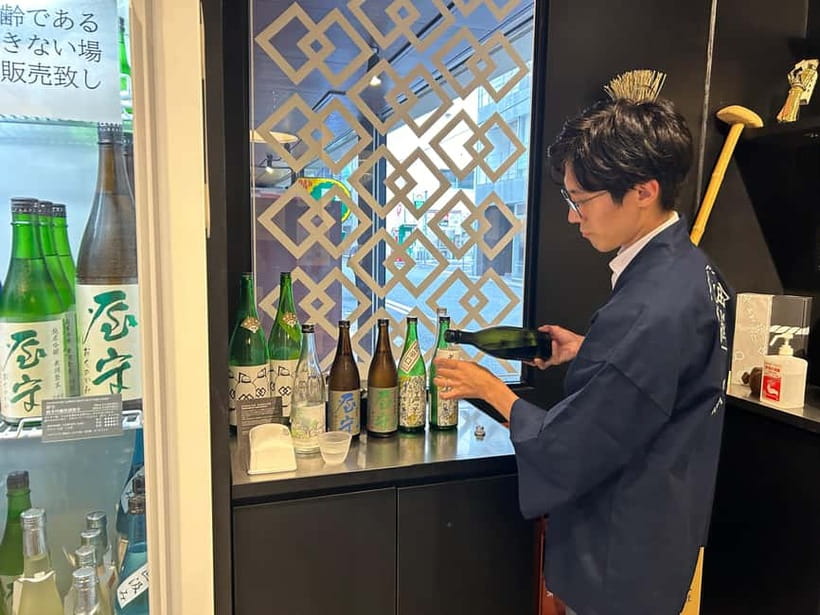
- Tokyo’s oldest sake shop (est. 1596) in Kanda, with a real sense of place
- Guided tastings with small pours (about 10–20ml) so you can compare without getting hammered
- English-led, local expertise; one guide example you may hear is Fumino-San
- For both newcomers and people who already know their types
- You get next-step suggestions for Kanda sake spots and izakayas after the tasting
- Tight group size (up to 10), which keeps questions from getting lost
Entering Tokyo’s Kanda: why this location matters
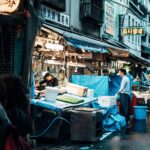
Kanda isn’t just another neighborhood in Tokyo. It’s known as a famous drinking area for Japanese salarymen, which means the whole area runs on after-work energy: quick bites, casual conversations, and lots of sake in everyday life. That context matters because sake in Japan isn’t only for special occasions. It’s part of the routine.
Starting in Kanda also helps you read the city better. You’re not only tasting alcohol—you’re learning the culture around it: where people go, how shops work, and why the “right” sake can depend on the mood and the pairing. Even the tour’s structure supports this. It’s short outside, then the real focus shifts to the shop where the tasting happens.
And yes, the setting is a selling point in itself. The shop you visit has roots back to 1596, so you’re stepping into a place with deep continuity rather than a flashy, modern tasting room.
You can also read our reviews of more tours and experiences in Tokyo.

Meeting at NewDays Kanda and the first 20 minutes on foot
You’ll meet at NewDays at the Kanda Station South entrance (the convenience store), with the guide holding a sign that says Sake Tasting Tour. Do yourself a favor and arrive early. You can only wait 5 minutes, and you can’t join after the tour starts—so don’t plan to “wing it” from the station steps.
After the quick meet-and-greet, you’ll spend about 20 minutes in the Kanda west shopping street with a guided walk. This is a good warm-up. You get local orientation before you get serious about tasting. It’s also where you can start asking basic questions—like what terms mean on sake labels or how to think about flavor differences—without feeling like you’re interrupting a formal class.
What I like about this pacing is that it prevents the experience from feeling rushed. If you start by sitting down immediately, you might miss the neighborhood context. With the short walk first, you actually “arrive” before you start tasting.
One caution: wear comfortable shoes. Kanda is walkable, but you’ll still move through station-adjacent areas, and you’ll want to feel good before you start comparing pours.
Toshimaya Rita-Shop: stepping into a 1596 sake world
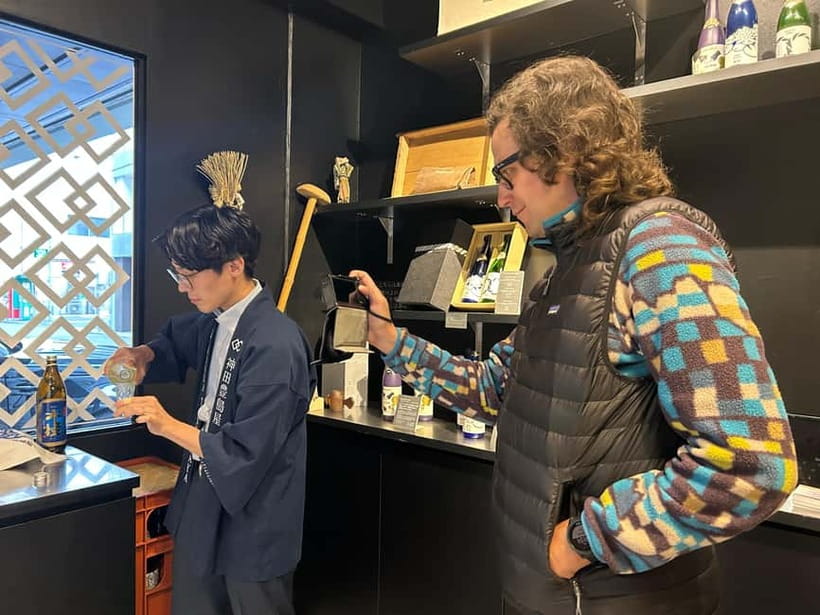
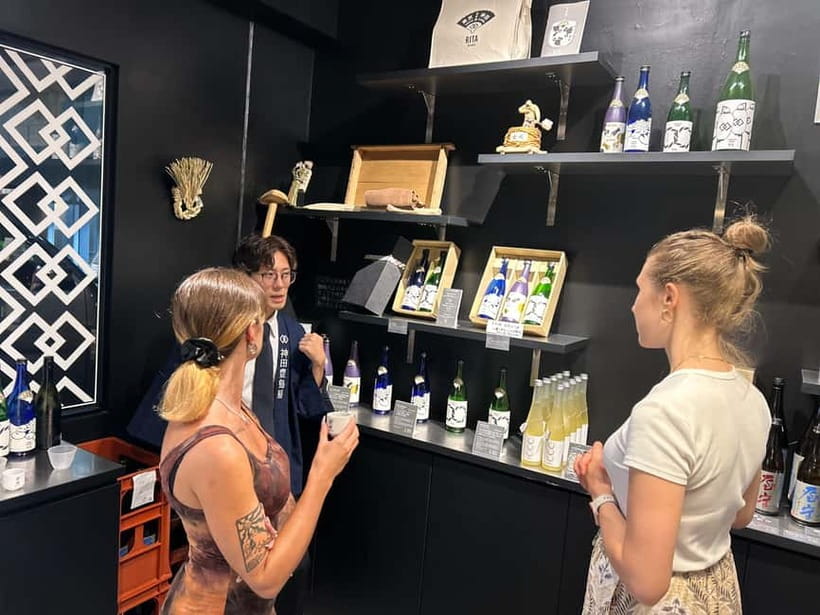
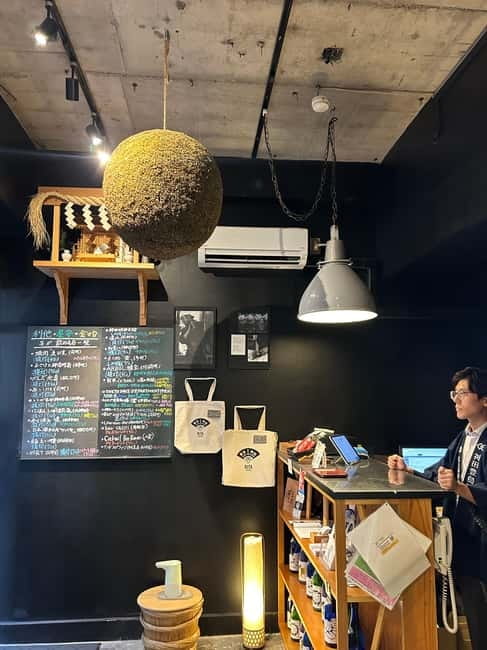
The heart of the experience happens at Toshimaya Rita-Shop, where you spend about 1.5 hours inside. First, you take in the shop atmosphere and get the historical story. The big idea here is simple: a shop that old doesn’t survive by luck. It survives by relationships—how it understands what people want, how it carries knowledge, and how it adapts across generations.
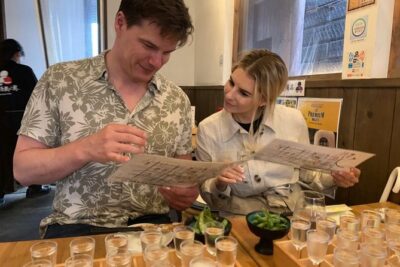
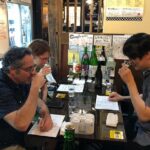
Then you move into the tasting room and start learning through your senses. Instead of being told what you should like, you taste different types and connect that to the guide’s explanations. That’s the difference between a “drink and hope” experience and a real learning moment.
I also like that the tour doesn’t treat history as a lecture only. The shop history sets the stage, but the learning stays practical: you’re focused on flavors, aromas, and differences among sakes sold at this shop. When a guide can tie back a flavor to something concrete—like how it’s made or why it tastes a certain way—you remember it later.
What about the vibe? You should expect a friendly, small-room feel. Based on guide examples like Fumino-San, the tone tends to be warm and clear, with English that’s easy to follow and questions that get answered without making you feel awkward.
The tasting itself: how 6–7 pours teach you to compare
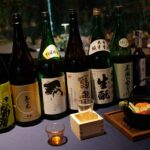
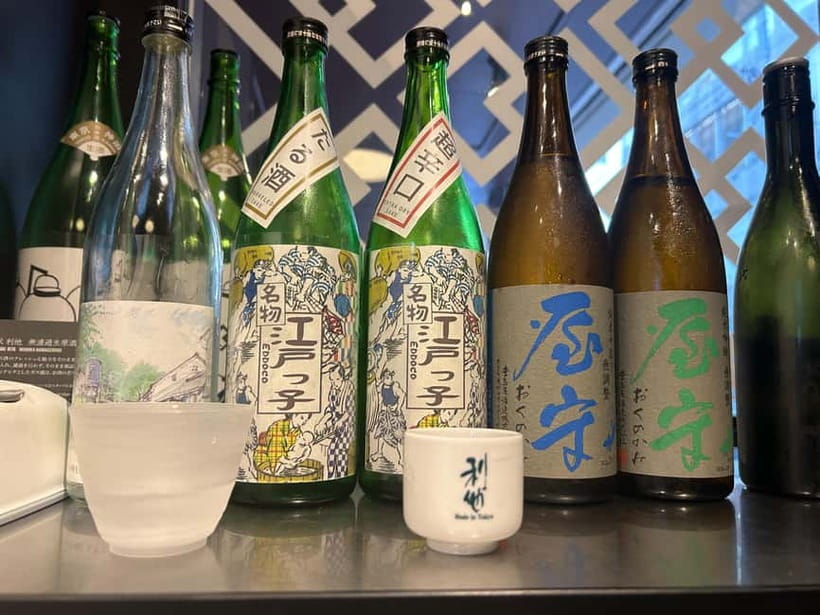
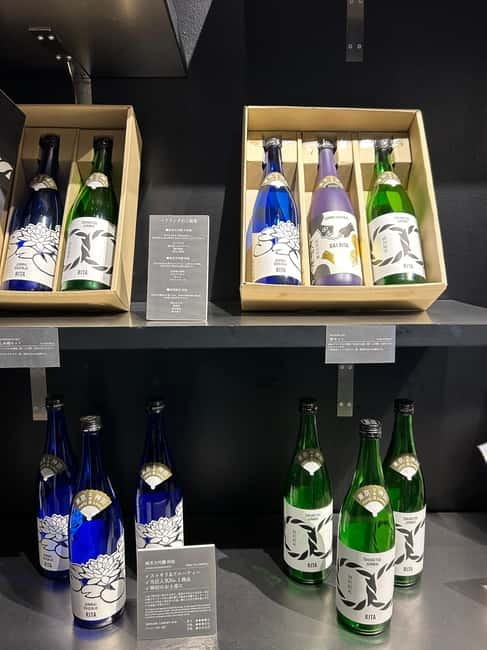
This is a tasting experience where you’ll try around six types of sake, and the tour includes 7 tastings total. In practice, that often means you get a set of pours designed to cover different styles, so you can compare rather than just collect sips.
The pour size is intentionally small—about 10–20ml each—so you can taste multiple kinds without feeling too full or too intoxicated to notice details. That’s a smart design choice for value and learning.
Here’s what to pay attention to while you taste:
- Temperature and texture: even before you identify a label, you’ll notice how the sake feels in your mouth
- Aroma changes: the nose often tells you the story before the flavor does
- Finish: some sakes seem to fade gently; others leave a clearer, stronger aftertaste
The guide leads this, but your job is simple: compare. Take mental notes like you’re building a flavor map. If you like something, don’t wait. Mention it while the tasting is ongoing so the guide can point out what’s similar (or what’s different).
One practical detail that affects expectations: the tasting lineup can change depending on season and timing. So if you’re hoping for specific bottles, don’t lock yourself into that fantasy. Treat the tasting as an opportunity to learn how to evaluate what you’re served.
Buying without pressure: what happens after the pours
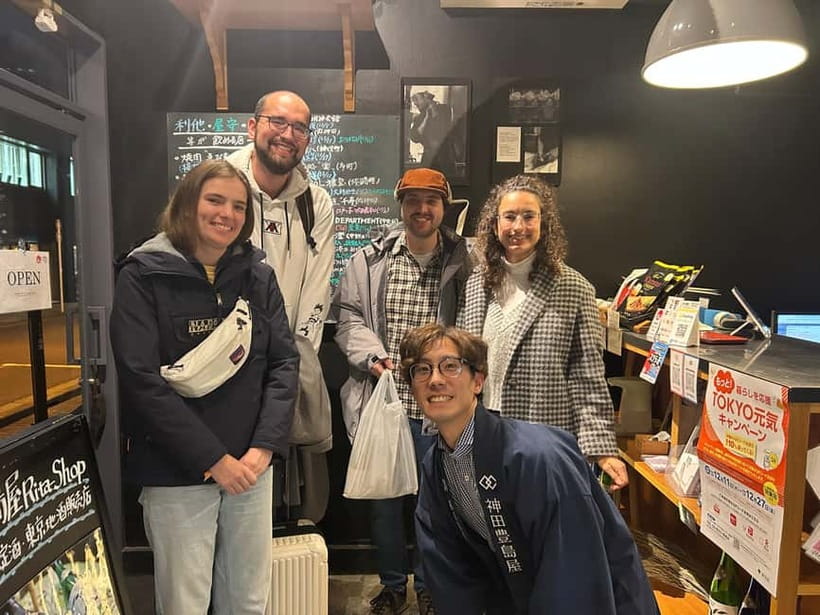
After tasting, you’ll have the chance to purchase sake you liked. This is common for tours like this, but it’s also exactly why the tasting format matters. You taste first, then decide.
I like that the shop experience ends with browsing and shopping time. It turns the tour from a one-time lesson into something you can bring home. If you found one bottle you genuinely enjoyed, buying it right then helps you avoid the classic problem of buying something later that tastes totally different from your memory.
Also, if you’re worried about feeling sold to: the overall price is already built around the tasting and the guide’s time. So the sales portion feels more like a logical extension than an unexpected twist—especially when the guide’s goal is helping you understand what you’re buying.

Kanda after the tour: using the guide’s local tips
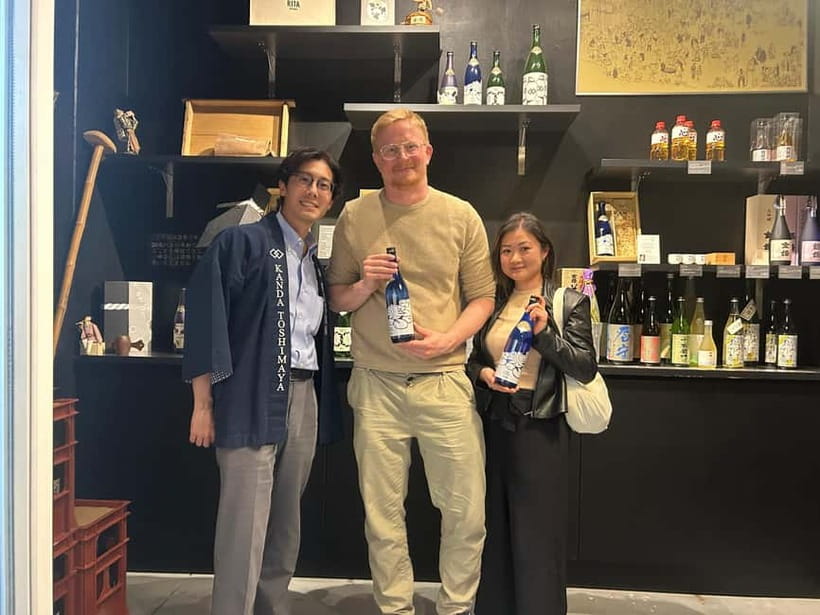
Once the tasting portion is done, the guide introduces nearby places where you can enjoy delicious sake and izakayas. This matters more than it sounds. In Tokyo, “good” can be subjective and crowded. A neighborhood like Kanda has plenty of options, but picking the right one when you’re newly arrived is hard.
The guide’s role here is to save you time and help you match your mood. Maybe you want something casual and easy. Maybe you want a sake-focused stop. Either way, having a few local directions right after your tasting helps you keep the learning going while it’s still fresh.
This is also why it’s smart to come with at least some appetite. The tour info suggests that if you’re hungry, eat something before you join. You’re going to spend a full portion of your 2 hours moving, tasting, and listening—so you don’t want to feel miserable once you hit the tasting room.
Price and value: is $38 worth it in Tokyo?
For $38 per person over about 2 hours, you get a guide plus 7 sake tastings, with the tastings led by an expert and tied to the shop’s inventory. In Tokyo, that’s actually reasonable value because you’re paying for structure: someone else sets up the comparisons, you don’t have to navigate labels and styles alone, and you get local context about Kanda.
The math you should do is simple:
- If you were to buy multiple sakes on your own, you’d pay Tokyo prices quickly
- Without guidance, you might end up repeating styles you already tried
- Here, you get a guided set designed to help you learn what differences mean
So the value isn’t only in the number of pours. It’s in what you learn between pours, plus the fact that you leave with local next-step suggestions.
The tour also runs as a live English experience, and it’s limited to small groups (up to 10). That combination—limited group size plus English guidance plus tastings—pushes this toward “worth it” territory if you want an efficient introduction to sake in Tokyo.
Who should book this sake tasting (and who shouldn’t)
This is best for:
- First-time sake drinkers who want a clear starting point
- People who already like sake and want to taste multiple varieties in a guided, comparison-focused way
- Travelers who want a structured local experience in Kanda, not just a random bar stop
It’s not suitable for:
- People under 20
- Pregnant women
- People with a cold (per the tour’s guidance)
And there’s a reality check for your planning: you’ll need passport or ID because the tour requires age verification.
If you’re trying to build confidence ordering sake later, this kind of guided tasting is a great bridge. You’ll learn how to think about what you like, not just which bottle you happened to finish.
Should you book? My practical take
If you want one well-organized sake experience in Tokyo, this is a strong candidate. The biggest strengths are the shop setting tied to 1596, the guided comparison through multiple varieties, and the small-group structure that supports real questions. Guides like Fumino-San are praised for friendly, clear English and helpful recommendations, which is exactly what you want when you’re learning something new.
I’d book it if:
- you want to leave understanding why different sakes taste different
- you like the idea of buying a bottle you truly tested and enjoyed
- you’re spending time in central Tokyo and want an efficient 2-hour plan
I’d skip it if:
- you can’t meet the age requirement or don’t want to deal with ID verification
- you’re sensitive to situations where a tasting experience may end with shopping options
- you don’t want any guided structure at all and would rather wander freely
In short: this tour is designed for learning, not just drinking. And in Kanda—where sake is part of the neighborhood rhythm—that focus feels right.
FAQ
What is the meeting point for the tour?
You meet at NewDays Kanda South Entrance at Kanda Station. The guide will be holding a sign that says Sake Tasting Tour.
How long does the experience last?
The tour duration is 2 hours.
How much does it cost, and what’s included?
It costs $38 per person and includes a tour guide plus 7 sake tastings.
Is food included?
No. Food is not included, so it’s recommended to eat something before the tour if you’re hungry.
Do I need to bring ID?
Yes. Participants must be at least 20 years old, and you’ll need to verify your age, so bring a passport or ID card.
Is the tour only in English?
Yes. The tour is offered in English with a live tour guide.