REVIEW · SAPPORO
A pairing experience in Sapporo where you can enjoy tempura and 3 kinds of Hokkaido-only sake, along with a soba-noodle making experience!
Book on Viator →Operated by もんど · Bookable on Viator
Soba smells different when it’s fresh. This is a pairing experience in Sapporo that happens in a working, real soba restaurant, not a staged activity space, with chefs teaching the same routine they use every day. I like that you’ll go beyond watching and take part in the full soba-making sequence—mixing buckwheat flour, shaping, stretching, cutting, and then seeing it boiled. One thing to keep in mind: the plan includes hot tempura, so you’ll be close to heat even if everything is taught calmly.
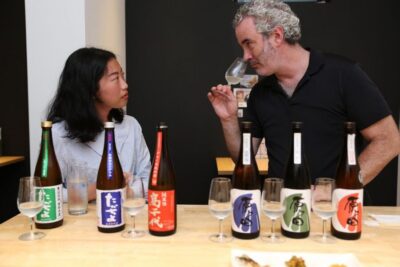
The meal is built around Sapporo and Hokkaido comfort food. You’ll get seasonal tempura designed to match soba, plus a guided comparison of three Hokkaido-only sakes—two served cold and one warmed—so you can notice how aroma and flavor change with temperature.
This activity is also intentionally small and a bit less “internationally packaged.” You may get limited English depending on the instructor on the day, and it’s intended for adults only (age 20 and up). If that sounds like a good trade for authenticity, you’ll likely enjoy it a lot.
In This Review
- Key things to know before you go
- A Working Sapporo Soba Shop, Not a Stage
- Your 75-Minute Soba-Making Flow (Buckwheat to Boiling)
- Fresh Soba Served Straight From the Pot
- Seasonal Hokkaido Tempura and Three Sakes by Temperature
- How the Pairing Teaches Sapporo Sobakko Culture
- Price and Logistics: Is $123.79 Good Value?
- Who Should Book This Soba and Sake Pairing
- Should You Book This Soba and Sake Pairing in Sapporo?
- FAQ
- How long is the soba making and pairing experience?
- What’s included in the $123.79 per person experience?
- Is this a private experience or a large group?
- Where does the experience take place?
- Is there an age requirement?
- Do I need to know much about sake before I go?
- Is tempura included, and is there any safety note?
- What is the cancellation policy?
Key things to know before you go
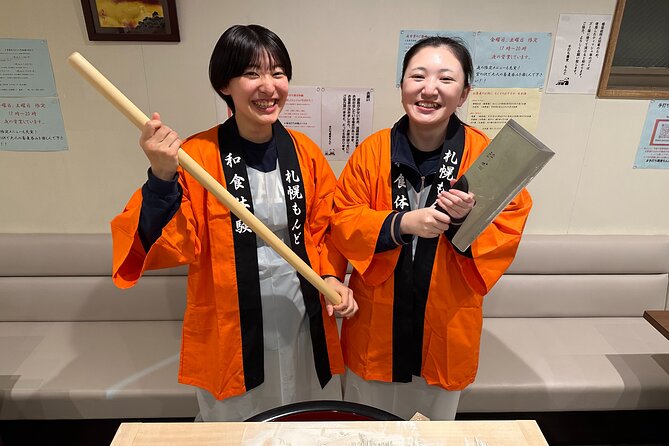
- Hands-on from scratch: You mix buckwheat dough, stretch it, cut it, and then see it boiled.
- Fresh noodles at their best: Your soba is served right when it’s made and boiled, so aroma and texture matter.
- Seasonal Hokkaido tempura: Tempura uses seasonal Hokkaido ingredients and is made by a chef.
- Three sake comparisons: Two cold sakes plus one warmed sake, selected locally from Hokkaido.
- Small-group pace: It’s a private experience, so you can ask questions and learn without feeling rushed.
A Working Sapporo Soba Shop, Not a Stage
What makes this experience feel different is where it happens. You’re not shuttled into a dedicated classroom with demo props. Instead, you’re stepping into a hand-made soba restaurant that’s actually open for business—where soba chefs make and serve noodles daily.
That matters more than it sounds. A real shop has real rhythms: the way people take orders, how the chefs move through dough work, and how the meal comes together. The instruction you get is tied to how Japanese people eat soba normally. So you’re learning the logic behind the food, not just the steps.
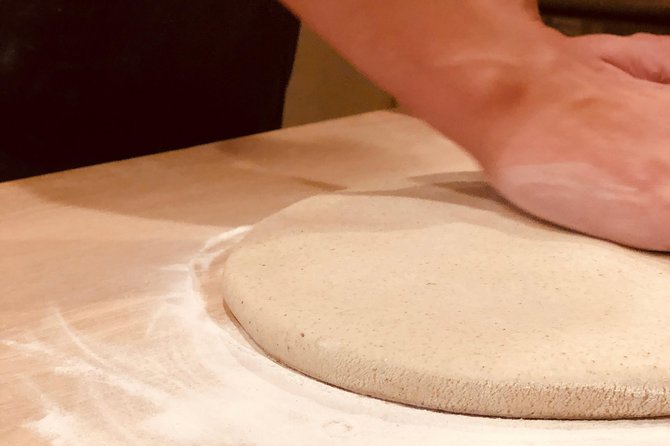
Another smart feature is that the teaching focus is practical. You’re shown how to handle dough and how to think about the craft. Soba is a simple ingredient list—buckwheat flour and water—but the outcome depends heavily on technique. Watching your own dough transform from mixed flour into cut noodles helps you understand why small differences can change texture.
And yes, language can be a factor. The experience is designed for overseas visitors to understand what’s going on, and you’ll likely get some English support, but it’s not presented as a fully scripted, bilingual show. If you’re the type who likes to learn through visuals, touch, and food cues, you’re in good shape.
You can also read our reviews of more tours and experiences in Sapporo.

Your 75-Minute Soba-Making Flow (Buckwheat to Boiling)
The session runs about 1 hour 15 minutes, and the pace is tight in the best way. The goal isn’t to spend half the day preparing ingredients. It’s to teach you the key steps of soba making—the same backbone chefs use—so you can taste what you make.
Here’s the process sequence you can expect:
- Mixing buckwheat flour: You start with buckwheat flour and bring it together as dough. This step is where you begin learning about consistency.
- Putting the dough together: You work to form a workable dough, not a crumbly mix.
- Stretching: This is a craft moment. Stretching dough affects how it behaves during cutting and how it cooks.
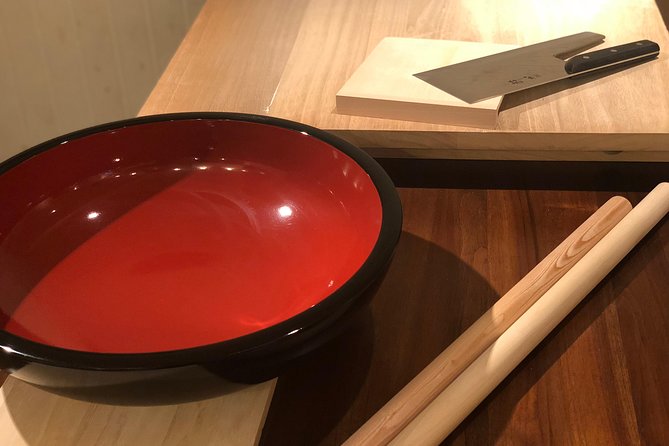
- Cutting: Cutting is where the shape becomes the noodle. Getting the look right also helps you understand the result you’ll eat.
- Boiling: This is the finish line. You don’t just make noodles and leave. You see them boil and get served fresh.
Most cooking experiences only let you do part of the story. This plan covers the whole chain, so you feel the delicacy of soba-making technique. Even if you don’t become a noodle expert in one sitting, you’ll leave with a clearer sense of why soba chefs pay attention to details.
One practical tip: wear comfortable clothes and keep your attention on the instructions. You’re working with dough, not just tasting food. Quick learning helps, but so does staying calm. The room is working-restaurant real, so you’ll want to move like you belong.
Fresh Soba Served Straight From the Pot
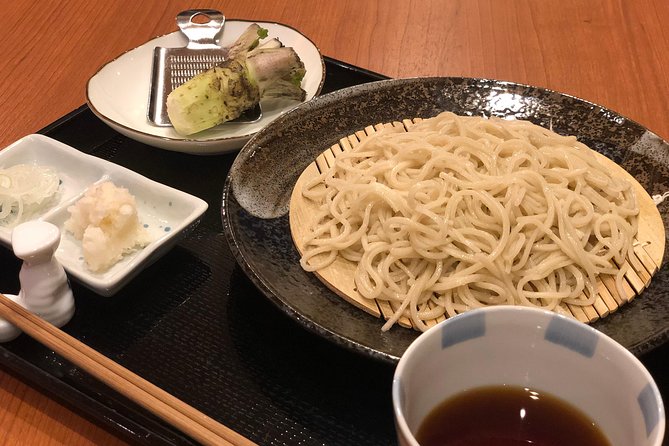
The real treat here is the timing. Soba is best when it’s freshly beaten and boiled, because the aroma and texture shift fast once the noodles sit.
When your soba arrives, it’s not the same experience as eating soba that’s been held warm for a while. Fresh soba tends to taste cleaner and feel more distinct in the mouth. You also get to compare that “fresh-boiled” feeling against what many people think soba tastes like from restaurant leftovers or takeout.
You’ll also be offered different ways to eat it. The experience includes Japanese-style pairings such as:
- Warm soba sauce
- Tenkasu (crispy bits that add crunch)
The point isn’t to give you a menu with endless options. It’s to show how soba is meant to be eaten as a meal, not as a single flavor you either like or don’t like.
If you’re new to soba, focus on simple technique: taste a small bite first, then add tenkasu or sauce, and see how the texture changes. If you’re a noodle person already, you’ll probably enjoy noticing the difference between what your brain expects and what fresh noodles actually taste like.
Seasonal Hokkaido Tempura and Three Sakes by Temperature
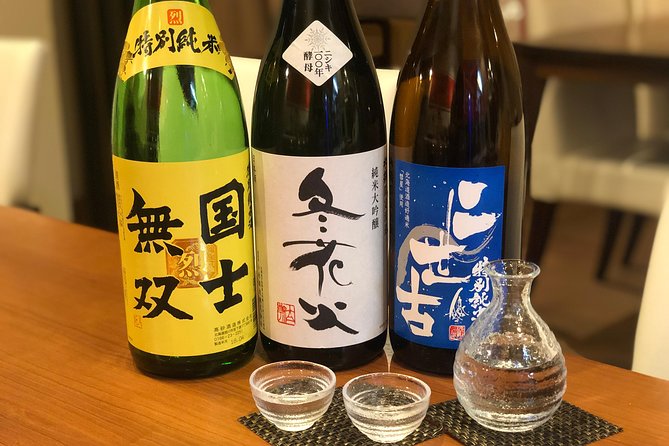
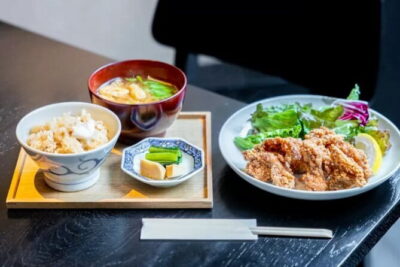
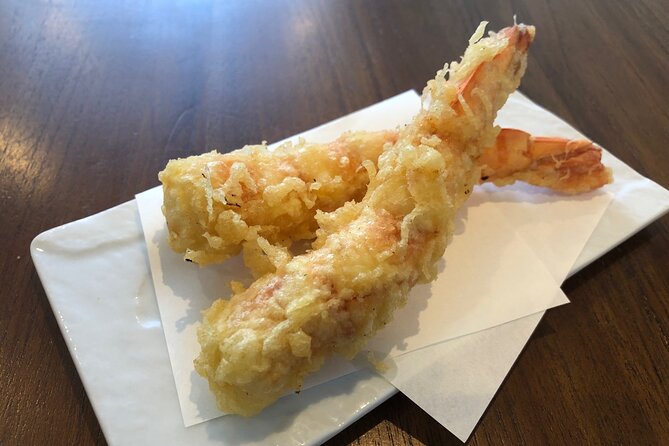
Soba and tempura is a classic pairing, and this plan leans into Hokkaido rather than generic toppings. The tempura is made with seasonal ingredients from Hokkaido, and it’s prepared by a Japanese chef.
One important caveat is safety. The tempura is hot enough to burn, and the experience specifically warns about that. So keep your hands and face where you can safely control them. Follow the chef’s pace, and don’t rush the food once it lands on your tray.
Now for the part that makes this experience feel like a true pairing, not just a meal: the three sake comparison.
You’ll taste:
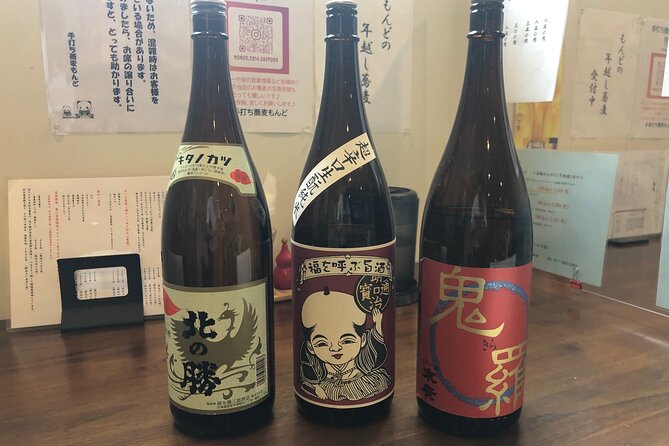
- Two cold sakes
- One warmed sake
And you’re not just drinking different labels. You’re comparing how aroma and taste change depending on serving temperature. That’s a key idea with sake: warmth can bring forward certain scents, while cold often sharpens and clarifies.
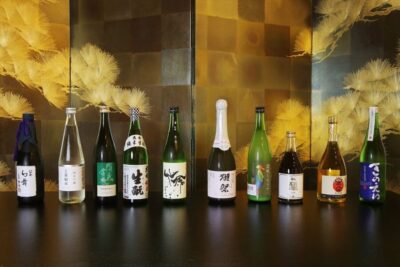
The selection is from Hokkaido, chosen carefully by a sake master, and it’s geared toward easy drinking. That’s helpful if sake is new to you, because you can focus on how it interacts with food rather than deciphering technical jargon.
If you’re wondering how to order your own “pairing mind-set,” here’s a simple approach: take one sip with plain bites, then sip between bites of soba, then try with tempura. The tempura’s crunch and richness can make sake taste different than it does with clean buckwheat noodles.
How the Pairing Teaches Sapporo Sobakko Culture
This experience is built around a big travel lesson: in Japan, eating is part of learning culture. You get the soba technique side, and you also get the “how to eat it” side.
What I appreciate is that it’s not turned into a scavenger hunt of tourist soundbites. Instead, the experience encourages you to taste and compare. That’s how you actually understand food traditions.
For example, serving soba with warm elements and tempura connects to real comfort-food patterns: warm sauce, broth options, crispy toppings, and drinks that shift with temperature. The meal is a system, not random items on a plate.
It also helps that the setting is quiet and small-group focused. You’re not trying to squeeze into a noisy rush. You can listen to instruction, see what the chefs are doing, and take your time with tasting. In a cold city like Sapporo, there’s an extra practical value too: coming in from the weather and sitting down with warm noodles and hot-and-cold sake comparisons can feel like a reset.
One more note from the reality of instruction: English may be limited, but the experience is designed so overseas visitors can still follow along. Expect demonstrations, food cues, and direct guidance that doesn’t require perfect Japanese.
Price and Logistics: Is $123.79 Good Value?
At about $123.79 per person, this is not a cheap snack experience. But it’s also not just a meal. For that price, you’re getting:
- hands-on soba-making from mixing to cutting to boiling
- freshly served soba
- seasonal Hokkaido tempura made by a chef
- a structured comparison of three Hokkaido sake selections
- a small-group, private format
When you compare it to typical cooking classes that only cover a single step (or to a soba meal that doesn’t include sake or instruction), the value starts to make sense. You’re paying for the full sequence and the pairing teaching—plus the fact that it happens in a real restaurant environment.
Timing helps too. The session is about 1 hour 15 minutes, so it fits into a day without chewing up your whole schedule. If you want to plan smoothly, note that on average this gets booked about 40 days in advance, so waiting until the last week can shrink your options.
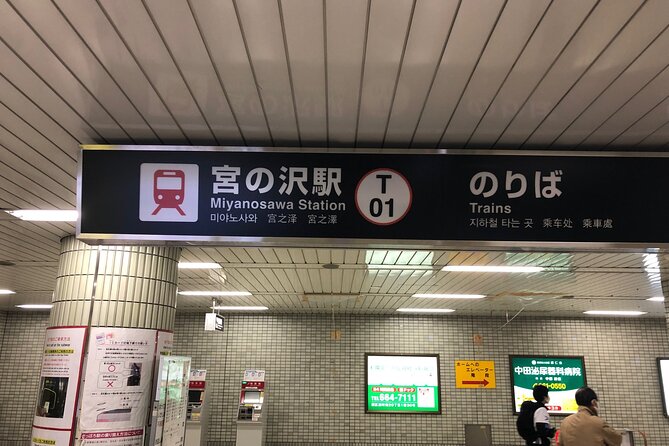
Getting there: the meeting point is in Nishi Ward, Sapporo, near public transportation. If you’re using transit, plan to double-check the exact stop on the day. The location is in a residential side of town rather than the most central tourist strip, so giving yourself time to navigate is smart.
Who Should Book This Soba and Sake Pairing
This plan is a great match if you:
- want more than a restaurant meal and enjoy hands-on food craft
- like buckwheat soba and want to learn why texture matters
- want to try sake in a structured way (cold and warm comparisons)
- prefer smaller, calmer group experiences over big crowds
It may feel less ideal if you:
- need fully bilingual instruction throughout (language support can vary)
- are not comfortable being close to hot food stations (tempura is a heat-safety consideration)
- want a purely sightseeing activity (this is about learning food culture in the real place it’s practiced)
Should You Book This Soba and Sake Pairing in Sapporo?
If you want a genuinely local-feeling food experience, I’d book it. The strongest reason is simple: you’re learning the soba process end-to-end and then eating it at the moment it’s at its best. Add seasonal Hokkaido tempura and a guided tasting of three local sake options, and you get a meal that tells you something—about craft, about temperature, and about how Japanese people pair food with drink.
My practical advice before you book:
- Book early since it’s commonly reserved about a month ahead.
- Bring a curious mindset and be ready to learn through food cues, even if English support is light.
- Plan for adults-only participation and take the tempura heat seriously.
If that fits your style, this is the kind of Sapporo food memory you can talk about long after the noodles are gone.
FAQ
How long is the soba making and pairing experience?
It lasts about 1 hour 15 minutes.
What’s included in the $123.79 per person experience?
You’ll make soba noodles from start to finish, taste freshly boiled soba, eat tempura made with seasonal Hokkaido ingredients, and enjoy a comparison of three types of Hokkaido sake (two cold and one warmed).
Is this a private experience or a large group?
It’s a private tour/activity with only your group participating.
Where does the experience take place?
It starts and ends at the meeting point in Sapporo, Nishi Ward (Hassamu 6 Jō, listed at 9-chōme-17-28).
Is there an age requirement?
Yes. Participation is limited to those aged 20 and over.
Do I need to know much about sake before I go?
No. The sake selections are described as easy to drink and close to the food, and the experience offers recommendations for people new to sake.
Is tempura included, and is there any safety note?
Tempura is included, and the experience warns that it can be very dangerous for burns, so you’ll want to follow the chef’s handling instructions carefully.
What is the cancellation policy?
You can cancel for free up to 24 hours before the experience’s start time for a full refund. If you cancel less than 24 hours before, the amount you paid is not refunded.